
REVIEW · THIRD REICH & WWII HISTORY
Nazi Berlin and the Jewish Community Tour
This tour turns Berlin’s streets into a hard, real timeline. I especially like how it explains Hitler’s rise to power in 1933 and the step-by-step mechanisms that made persecution possible. Just be ready: this is heavy material, so you may want a quiet evening afterward.
My other big reason to love it is the mix of major and lesser-known stops. You’ll spend time at places like the Otto Weidt Workshop for the Blind, where the story shifts from horror to individual courage, and your guide will keep it clear and readable. Guides such as Silvio, Jean Charles, Céline, Vita, and Lorenzo are specifically mentioned for making the concepts understandable without turning the subject into a lecture.
In This Review
- Key things to know before you go
- From 1933 to the machine of persecution: why this tour hits
- How the guide keeps the story clear (and why guide choice matters)
- The lesser-known escape story: Varian Fry and 3,000+ lives
- Operation T4: when the state planned extermination and sterilization
- World War II scars and the approach to May 1945
- Resistance is treated as a real counterforce: Operation Valkyrie
- Jewish Berlin segment: the oldest cemetery and the golden dome
- Otto Weidt Workshop for the Blind: courage where it was possible
- Price and what you actually get for $351 per group
- Timing, walking, and what to pack (so you don’t hate the day)
- Who this tour suits best
- Should you book this Nazi Berlin and Jewish Community Tour?
- FAQ
- How long is the tour?
- What is the price?
- Do I need a public transport ticket?
- What languages are the guides available in?
- Is pickup available?
- Where does the tour start?
- Is the tour wheelchair accessible?
- Can I cancel for a refund?
Key things to know before you go
- 1933 to 1945 storytelling: you don’t just see sites—you connect the dots between ideology, policy, and deportations.
- Lesser-known memorials: Varian Fry’s escape work (including names like Marc Chagall and Hannah Arendt) gets real attention.
- A stop tied to Operation T4: you’ll visit a command-center theme for the planning of extermination and sterilization of disabled people.
- Jewish Berlin in one walking-and-transit stretch: you’ll see the oldest Jewish cemetery area and the New Synagogue with its golden dome.
- Resistance is part of the plot, not an add-on: including a memorial linked to Operation Valkyrie.
More walks through Berlin's wartime history
- Berlin: Third Reich & Cold War Guided Walking Tour★ 4.9 · 8,378 reviews
- Berlin’s Best: 2 Hour Walking Tour Third Reich and the Cold War★ 5.0 · 5,486 reviews
- Third Reich Berlin: Hitler and WWII Walking Tour★ 5.0 · 3,301 reviews
- Berlin: Third Reich, Hitler, and WWII Walking Tour★ 4.9 · 1,757 reviews
From 1933 to the machine of persecution: why this tour hits
Berlin can feel like an open-air textbook. But a lot of tours either skim the ideology or focus only on the biggest landmarks. This one is built to show you how the system worked—how things changed from propaganda and social pressure into organized state violence.
The tour’s core strength is the sequence. You start with Hitler’s rise to power in 1933, then move through key turning points that explain how persecution became policy. That approach matters because it helps you understand what people meant when they said normal life could turn into something monstrous so fast.
You also get the angle on the relationship between Christian Berliners and the Jewish world—how exclusion and hostility could spread through everyday society, not only through uniformed criminals. If you’ve ever wondered how persecution could happen with so many people not acting, this is the part that gives the question teeth. It’s not “good vs. evil” at a cartoon level.
How the guide keeps the story clear (and why guide choice matters)
This kind of topic can go one of two ways: either it becomes a timeline of names, or it becomes a confusing mix of events. The guides for this tour are repeatedly praised for clarity and pedagogy, which is a big deal when you’re covering sensitive history in just a few hours.
In the guide experience, names like Silvio and Jean Charles come up for explaining the rise of Nazism in a way that gives you something to think about afterward. Céline and Vita also get credit for making the tour dynamic and for doing it with patience. Lorenzo is highlighted as being both professional and engaging—useful when a tour could easily drift into long speeches.
If you care about understanding concepts (not just seeing plaques), this tour’s best asset is that your guide works to keep the thread straight.
The lesser-known escape story: Varian Fry and 3,000+ lives
One of the most memorable parts of this tour is the focus on escape efforts tied to Varian Fry. You’ll visit a memorial connected to his work arranging the escape of over 3,000 persecuted Jews from Nazi-occupied Europe.
What makes this stop powerful is the way it adds human names to the scale. Marc Chagall, Hannah Arendt, and Heinrich Mann are specifically referenced, and that helps you feel the breadth of who was targeted—and who might have survived because others acted. It shifts the emotional register without skipping the tragedy.
If you only know the Holocaust through general terms, this part gives you something more concrete: an example of real-world intervention, with an actual plan and a network. You leave with a sense that history wasn’t just fate. People made choices—good and bad—and those choices mattered.
Operation T4: when the state planned extermination and sterilization
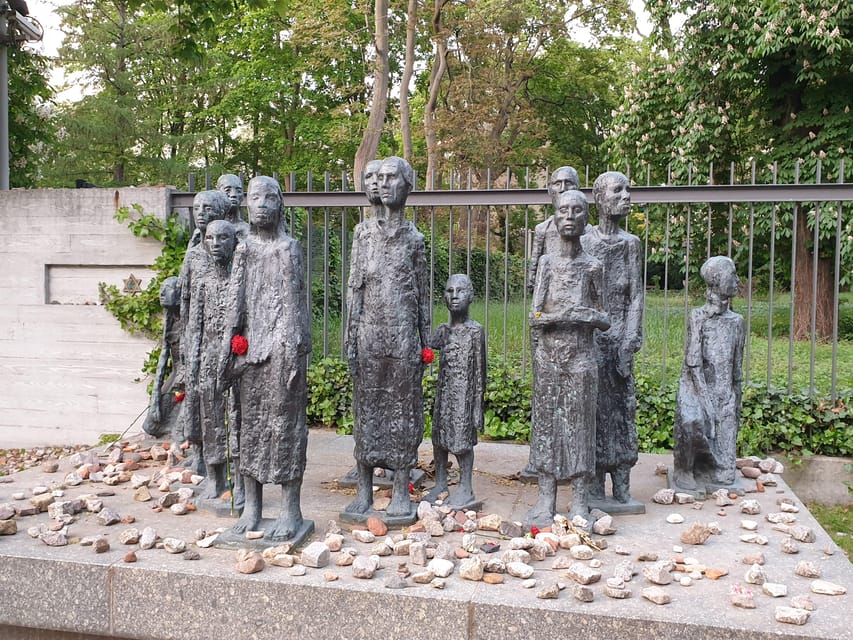
Another stop you should treat with care is the area associated with the command center of Operation T4. Here the story focuses on how the SS planned the extermination and sterilization of tens of thousands of disabled citizens.
This is not a detail you should rush past. The point of including it is to show how Nazi ideology worked through bureaucracy and “planning.” It was not only about killing during war. It included a chilling program of who the state decided was allowed to live.
You might find this section emotionally draining, but it’s also one of the most important pieces for understanding the full logic of Nazi persecution. It connects the ideology to action in a way that’s hard to forget.

World War II scars and the approach to May 1945
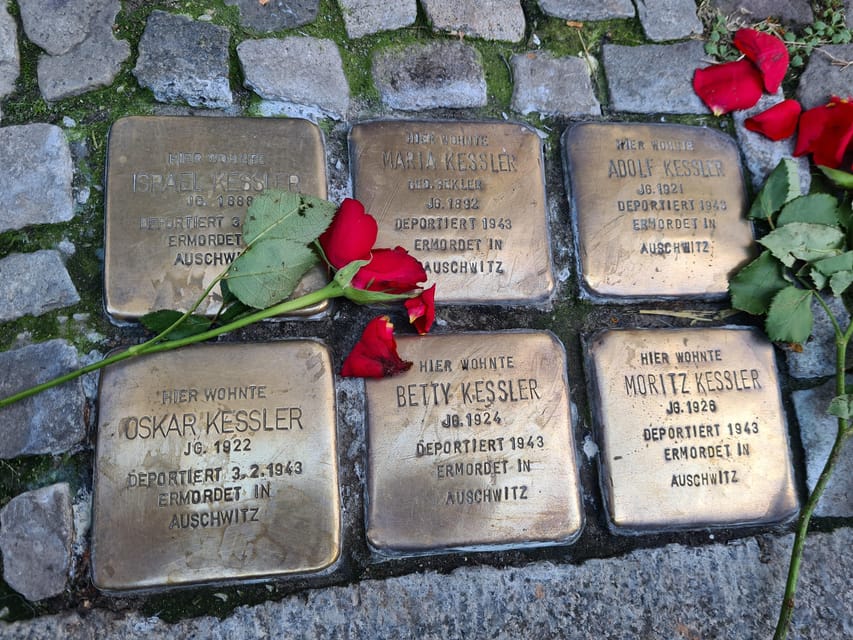
The tour doesn’t keep you in museums. You also pass the ruins of historic buildings that still show scars from World War II combat. That contrast—formal commemoration alongside visible damage—makes the timeline feel less abstract.
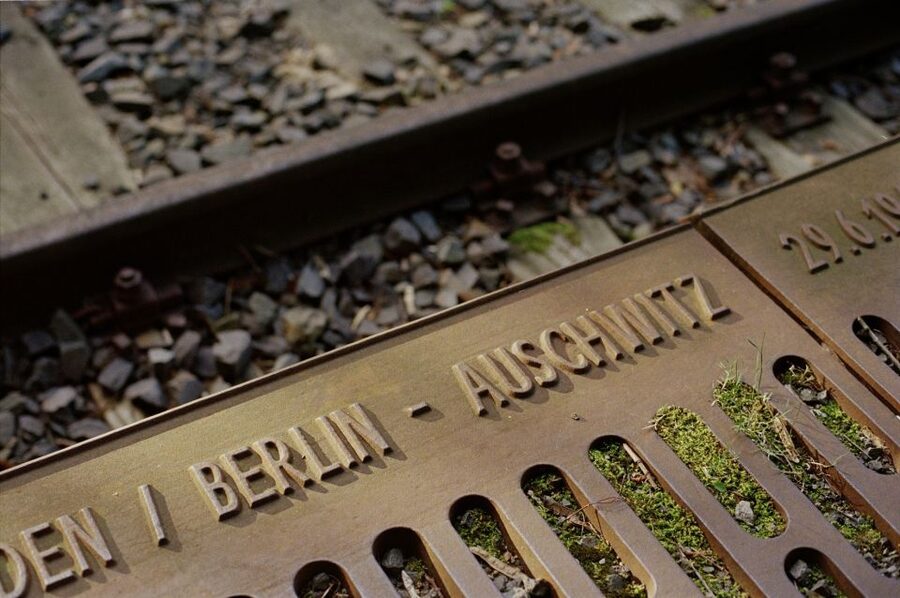
You also visit Anhalter Bahnhof, with a guided stop there. Even without getting lost in architectural trivia, a station like this forces a difficult thought: deportation and transport were central to how persecution moved from plan to reality. It’s one thing to read about it. It hits harder when you stand in a place tied to movement, separation, and loss.
You revisit the tragic moments leading to Nazi Germany’s surrender in May 1945. The practical value here is context. You understand that the end of the war wasn’t a sudden moral awakening from the system—it was collapse after years of violence.
Resistance is treated as a real counterforce: Operation Valkyrie
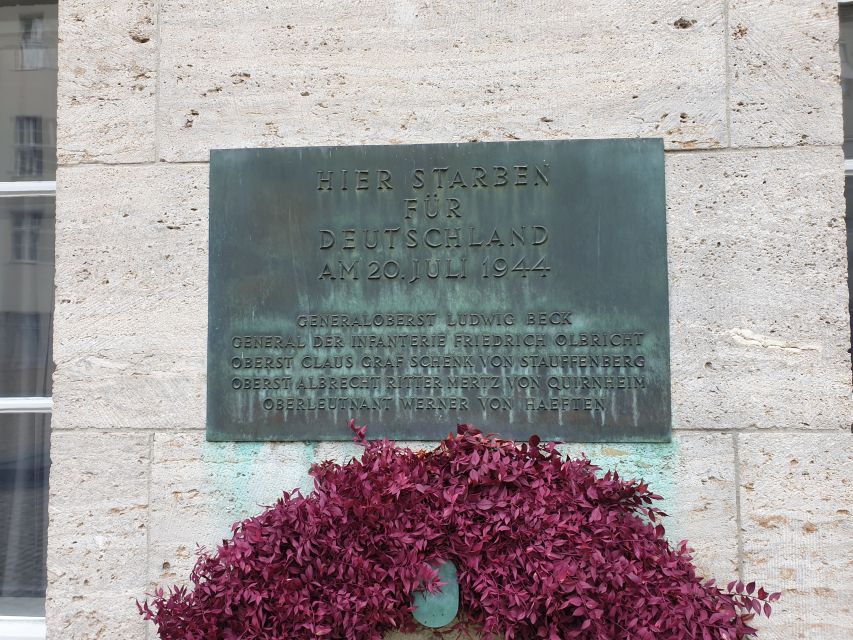
Many Berlin tours mention resistance in passing. This one gives it more weight. You visit the German Resistance Memorial, including the site from which Operation Valkyrie was directed. The memorial honors Germans who opposed and fought against Nazism.
That detail matters because it shows resistance as something internal—people working against the regime from within German society, at great personal risk. It’s not “foreign heroes came to save everyone.” It’s Germans choosing to oppose an evil state machine.
You’ll also notice that the tour pairs resistance with other parts of the narrative, like escape efforts and righteous protection. The overall effect is balance: the story includes both the machinery that killed and the human actions that tried to reduce harm.
Jewish Berlin segment: the oldest cemetery and the golden dome
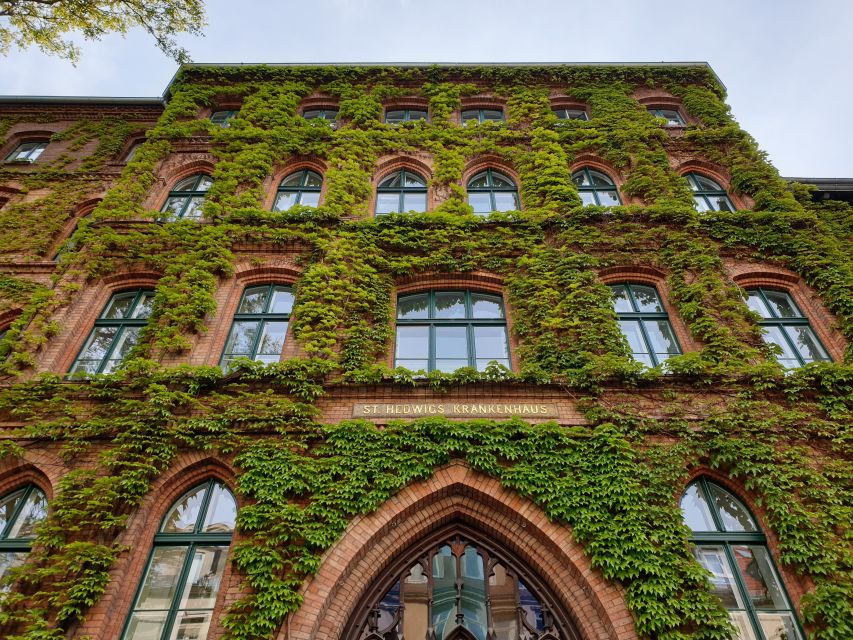
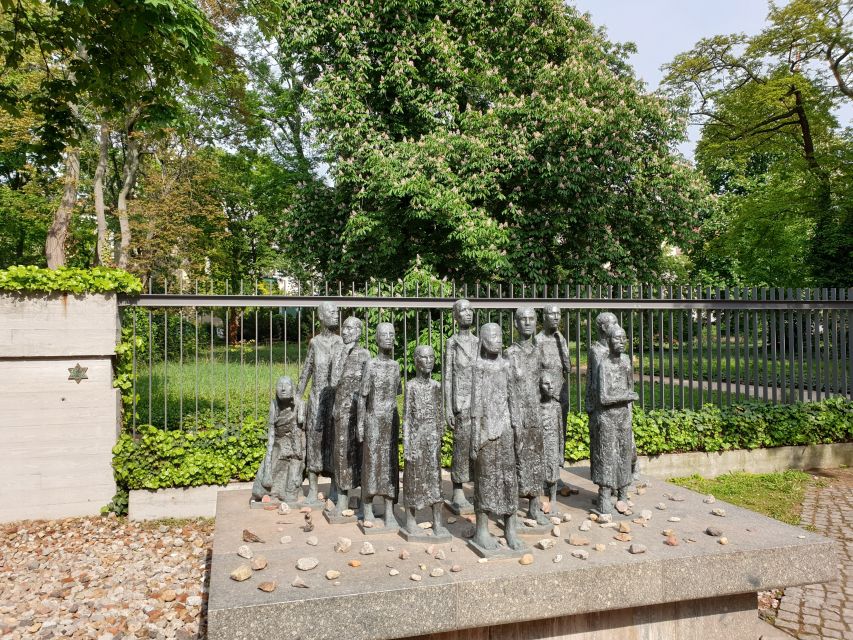
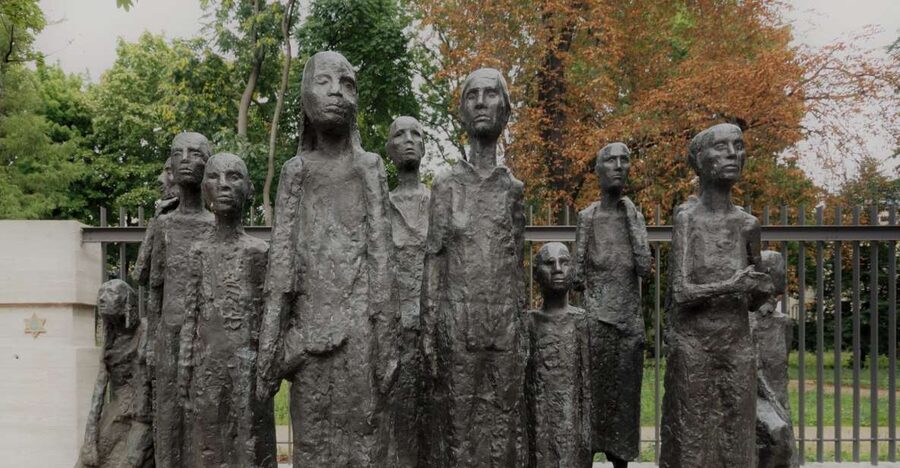
The Jewish community district part of the tour is a change of pace, but not a break from seriousness. Your guide takes you to see the oldest Jewish cemetery and then to the New Synagogue Berlin and its golden dome.
It’s a smart choice to include the oldest cemetery area. Cemeteries are quiet. They also make history feel anchored in one place rather than floating in dates. The tour then brings you to the New Synagogue, where the architecture gives you something to observe while you learn the long history of Berlin’s Jewish community up to the Nazi takeover.
Then the story turns toward forced labor mechanisms and deportations during World War II. This matters because you see that persecution wasn’t only a round-up event. It included day-to-day systems that stripped people of rights, forced labor, and removed control from the victims.
If you like tours that show both community life and the violence that crushed it, this segment will feel like the emotional center of the trip.
Otto Weidt Workshop for the Blind: courage where it was possible
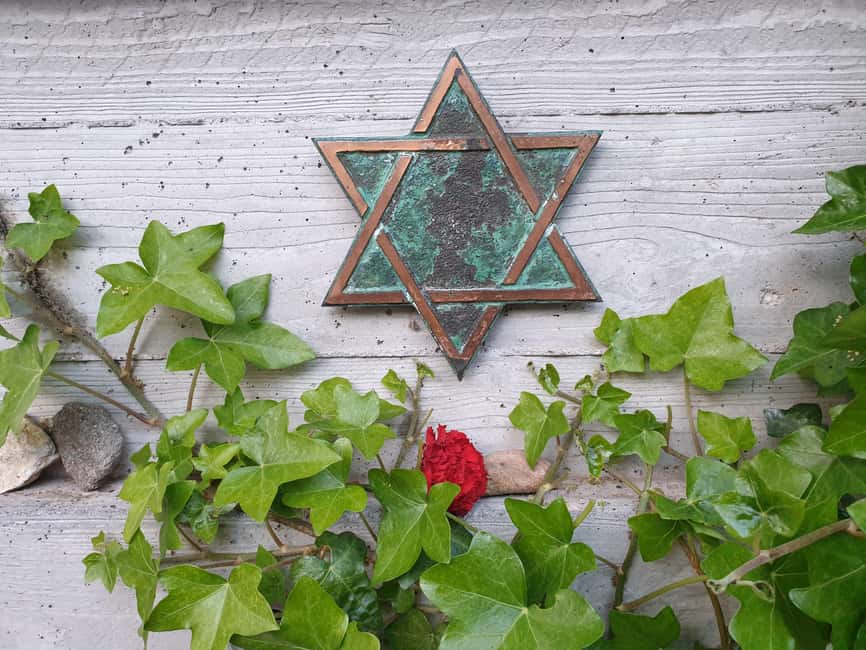
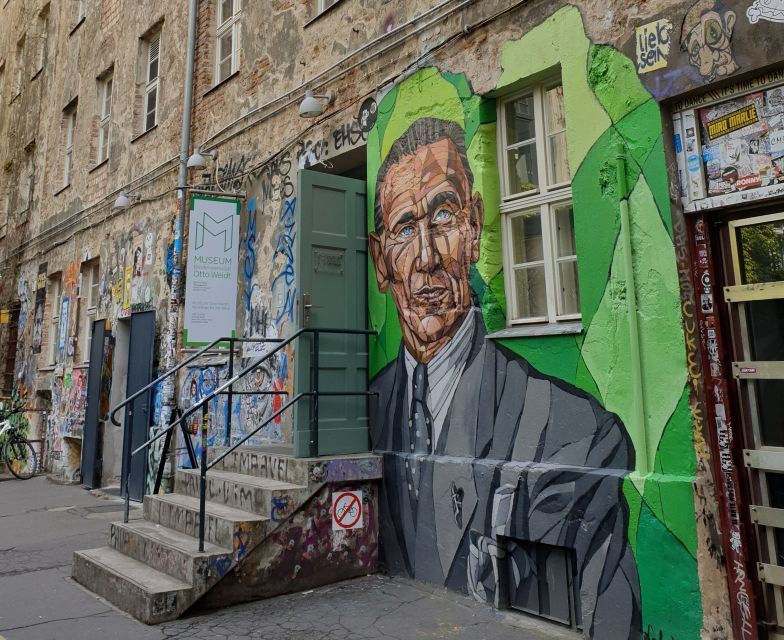
By the end, the tour moves to the Museum Blindenwerkstatt Otto Weidt. This is where the story of Righteous Among the Nations comes into focus, centered on one man’s efforts to protect his Jewish workers from persecution and deportation.
What I like about this ending is that it gives you something you can process after the heavy sections. You still confront danger and oppression, but you also see protection—hiding people when the threat got worse, and finding ways to reduce the risk of deportation.
If you’re someone who thinks a tour should do more than list atrocities, this is the part that justifies the whole experience. It reminds you that even inside a brutal system, individuals could take action.
It’s also a practical kind of meaningful. The workshop setting is not just symbolic. It’s a place connected to work, daily life, and the choices a person made at the moment it mattered.
Price and what you actually get for $351 per group
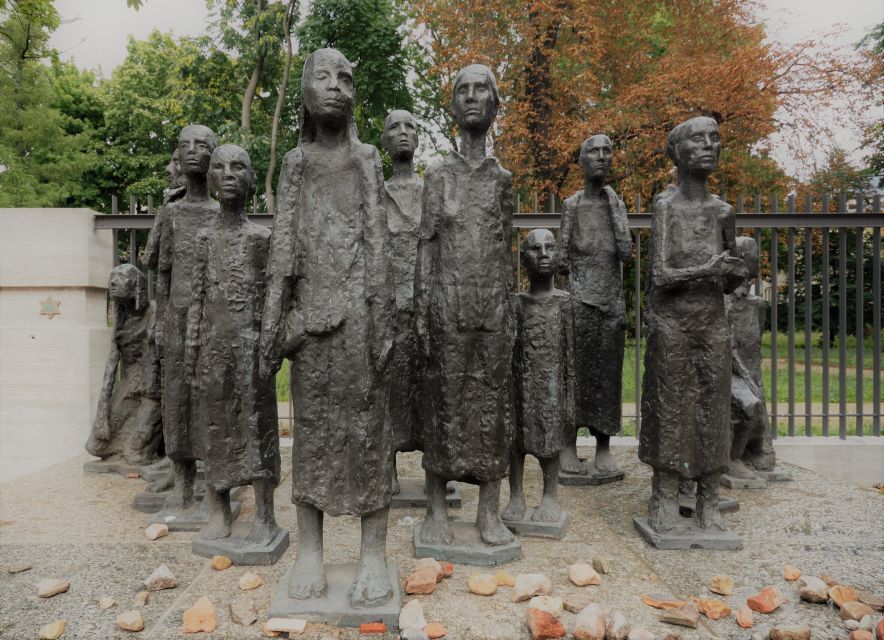
At $351 per group up to 6, the value depends on how many seats you fill. If you reach the full group size, you’re looking at roughly $59 per person, which is strong for a guided tour packed with major sites and guided museum time.
One key point: the AB all-day ticket is required but not included. That’s a real cost to factor in, especially if you’re using public transport anyway. Still, the tour itself is timed for efficient transit by coach, train, and local transport so you’re not doing the planning gymnastics on your own.
In other words, you’re paying for a guide who can connect big themes—rise of Nazism, persecution policies, Jewish community history, resistance, and rescue efforts—across multiple stops in just over three hours.
Timing, walking, and what to pack (so you don’t hate the day)
The duration is 3 hours (210 minutes), including guided segments and transit. That length is long enough to feel substantial, but not so long that you’ll feel trapped—assuming you come prepared.
Wear comfortable shoes. The tour includes several stops across the city and uses public transport, which usually means some waiting, standing, and walking between points. Keep your pace steady, and you’ll find it easier to stay focused on the story rather than your feet.
Also, remember that the content covers extermination planning, deportations, forced labor, and the narrowing of human rights. You don’t need to be “prepared” like a soldier, but it helps to go with the mindset that this is a learning walk through some of the darkest parts of 20th-century Europe.
Who this tour suits best
This is a strong fit if you want Berlin history with structure and explanation. You’ll do well if you care about how events connect: ideology in the early 1930s, persecution as policy, resistance as counterforce, and rescue as a response from within the world.
It’s also a good pick if you like guided storytelling rather than free-form museum wandering. The guide-led pace helps you understand the significance of each site without needing to read every sign like a detective.
If you prefer light sightseeing or you’re trying to keep things strictly family-friendly and upbeat, you might want to choose a different kind of tour or plan this on a day when you can process the material afterward.
Should you book this Nazi Berlin and Jewish Community Tour?
I’d book it if you want the clearest possible link between Hitler’s rise and what followed, while still making room for Jewish life, resistance, and rescue. The stops aren’t random: they cover the policy logic behind persecution, the lived reality for the Jewish community, and specific stories that include people like Varian Fry, Marc Chagall, Hannah Arendt, and Heinrich Mann.
Also, the guide experience seems to be a major strength—names like Silvio, Jean Charles, Céline, Vita, and Lorenzo are all tied to clarity and engagement. For a subject this heavy, that matters more than people expect.
If you go in with comfortable shoes, an AB ticket, and an open mind, you’ll come away with a Berlin that makes sense—and a story you won’t forget.
FAQ
How long is the tour?
The tour lasts about 3 hours, listed as 210 minutes.
What is the price?
It’s priced at $351 per group, for groups up to 6 people.
Do I need a public transport ticket?
Yes. An AB all-day ticket is required for the tour.
What languages are the guides available in?
Guides are available in French, Italian, English, Spanish, and German.
Is pickup available?
Pickup is optional. If you choose it, you wait in the hotel lobby 10 minutes before your scheduled pickup time, and you should contact the operator at least a few days before to discuss details.
Where does the tour start?
The starting or pickup location depends on the selected option.
Is the tour wheelchair accessible?
Yes, the tour is wheelchair accessible.
Can I cancel for a refund?
Yes. You can cancel up to 24 hours in advance for a full refund.
More Tours in Berlin


More Tour Reviews in Berlin
Berlin's Wartime History

Round out your days in Berlin
Third Reich & WWII History, compared.
 ★ 4.9Third Reich & Cold War Guided Walking TourFrom $238,378 reviews
 ★ 5.0Berlin’s Best: 2 Hour Walking Tour Third Reich and the Cold WarFrom $245,486 reviews
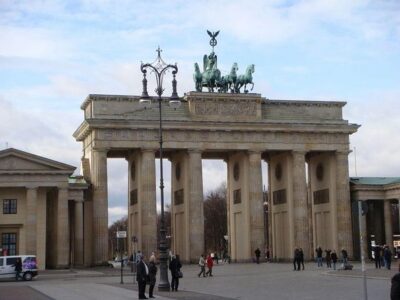 ★ 5.0Third Reich Berlin: Hitler and WWII Walking TourFrom $243,301 reviews
 ★ 4.9Third Reich, Hitler, and WWII Walking TourFrom $191,757 reviews
 ★ 5.0Berlin Third Reich Sites: Half-Day Walking TourFrom $21835 reviews
 ★ 4.7History of the Third Reich Guided Walking TourFrom $30791 reviews
 ★ 4.8The Wall and Third Reich Guided Bike TourFrom $41578 reviews
 ★ 4.8Hitler’s Germany: Berlin During the Third Reich & WWIIFrom $23476 reviews
Browse the lists this tour appears in