
REVIEW · WALKING TOURS
Private walking Tour: Berlin Architecture Tour
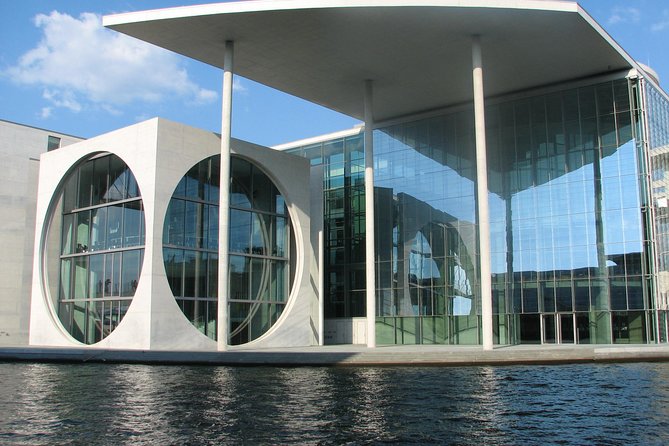
Berlin architecture tells a divided story. This private architecture tour uses a tight route to show how East and West Berlin grew into different styles, plus you get photo-ready stops at major landmarks like Gendarmenmarkt and the Berliner Philharmonie. I also like that you can choose walking or biking, and that your guide can steer the pacing. The only real drawback: with so much ground to cover in about four hours, you’ll want comfortable shoes and a willingness to move.
I also appreciate the “first-orient-yourself” feeling. You start with a hotel lobby meet-up, then end with a hotel drop-off, so you’re not stitching together transit while trying to read facades and history. At this price point, it works best if you care about design details and political context, not just ticking off famous sights.
In This Review
- Key Things to Know Before You Go
- Why This Berlin Architecture Tour Works So Well on a First Trip
- Hotel Lobby Pickup, Walking or Bike, and Custom Stops You Can Actually Use
- Museum Island and Gendarmenmarkt: Classical Power Meets Schinkel’s Trio
- Kulturforum, Berliner Philharmonie, and the Reichstag Glass Dome
- Potsdamer Platz and Friedrichstraße: Rebuilding, Shopping, and Political Geography
- Berliner Dom, Kreuzberg, and Friedrichshain: Two Neighborhoods, One Strong Architectural Contrast
- Pariser Platz and Hackescher Höfe: Embassies, Brandenburg Gate, and Art Nouveau Courtyards
- Price and Value: Does $191.87 Make Sense for This Route?
- Should You Book This Berlin Architecture Tour?
- FAQ
- Is this tour private?
- How long is the Berlin Architecture Tour?
- Do you get hotel pickup and drop-off?
- Can I choose to go on foot or by bike?
- What’s included in the price?
- What language is the tour offered in?
- Is cancellation free?
- Are service animals allowed?
Key Things to Know Before You Go
- Private guide, private pace: you can customize within the overall architectural route.
- East/West contrast is the spine: socialist-era building styles meet modern rebuilding in one loop.
- Landmark photography is planned: multiple stops are built around viewpoints and iconic silhouettes.
- Kulturforum to Reichstag in one run: modernist cultural blocks meet German parliamentary architecture.
- Friedrichstraße fits the story: Golden Twenties vibes and newer urban renewal show up along the way.
- Walking or biking option: good if you want more ground coverage or a lighter leg day.
More of Berlin on foot
- Discover Berlin Half-Day Walking Tour★ 5.0 · 9,624 reviews
- Berlin City walk Government District and Places of Democracy★ 4.7 · 8,467 reviews
- Berlin: Third Reich & Cold War Guided Walking Tour★ 4.9 · 8,378 reviews
- Berlin: Discover Berlin Walking Tour★ 4.9 · 5,998 reviews
Why This Berlin Architecture Tour Works So Well on a First Trip
This tour is designed to answer one question quickly: why does Berlin look the way it does? You’ll move from grand institutional buildings to neighborhood apartment architecture, and the guide ties it all together with the city’s post–World War II division. That framing matters, because Berlin’s buildings often make sense only when you know what shaped them.
I like that the route covers both the “big picture” sites and the texture of daily life architecture. You’ll see formal landmark ensembles like Gendarmenmarkt, but you’ll also get neighborhood stops such as Kreuzberg and Friedrichshain where restoration and socialist-era traces sit side by side.
One practical consideration: because it’s a private format with many stops, the experience can feel full-on. If you prefer slow wandering with long café breaks, ask your guide to slow the schedule where possible.
Hotel Lobby Pickup, Walking or Bike, and Custom Stops You Can Actually Use
The experience starts in a central Berlin hotel lobby with a meet and greet. That sounds simple, but it’s a big deal in a city where hopping between neighborhoods can eat time. You’re not hunting a meeting point with your map app while you’re also trying to figure out which direction you should start.
You also get hotel pickup and drop-off, plus a mobile ticket. In plain terms, it lowers friction: you show up, you walk (or bike), you come back to your base. The tour is private, so only your group participates, which makes it easier for your guide to adjust the tempo.
The customization part is where your money really has a chance to show up. In past bookings, guides like Sara, who has an architectural background, and others such as Ariel, Thomas, Daniel, Heiko, and Tarek Ibrahim have been praised for adjusting to interests and explaining what designers were trying to do. If you have a specific building you want more time at, bring it up early.
Museum Island and Gendarmenmarkt: Classical Power Meets Schinkel’s Trio
Museum Island gives you the classic Berlin “showpiece” architecture in a concentrated space. You begin at the Altes Museum, known for its neoclassical grandeur, then you move through other museum buildings that each bring a different visual idea to the island skyline. The Pergamon Museum’s monumental classical facades and the Bode Museum’s elegant dome help you compare scale and style quickly.
What I like here is that the buildings don’t just look impressive from one angle. There are photo moments at corners, along open views, and by the water. Even with a short stop, you’ll come away with a sense of how Berlin uses architecture to stage culture.
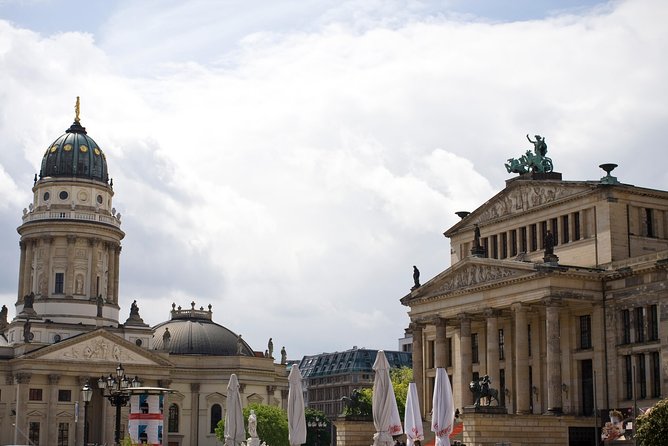
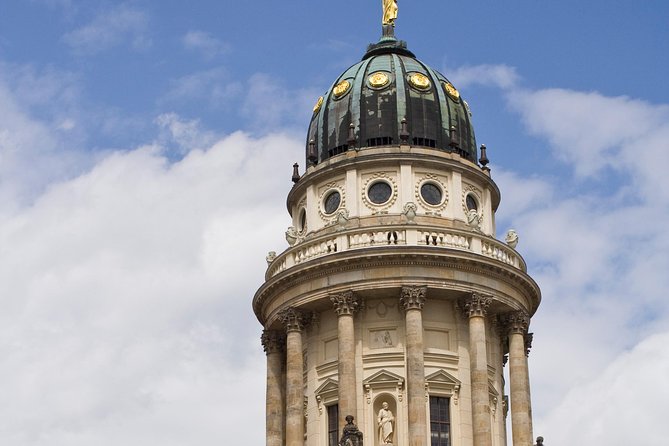
Then you shift to Gendarmenmarkt, often described as Berlin’s prettiest square for a reason. The star attraction is the architectural trio: Deutscher Dom, Französischer Dom, and Schinkel’s Konzerthaus. The square has an easy rhythm for photos—cathedrals framing the scene, with the Konzerthaus adding that classical concert-hall presence. It’s especially good near sunset, when the facades warm up.
A small drawback: this area is popular. If you’re traveling with a tight schedule, your guide’s ability to manage the flow matters, so you don’t get stuck waiting for the perfect shot.
Kulturforum, Berliner Philharmonie, and the Reichstag Glass Dome
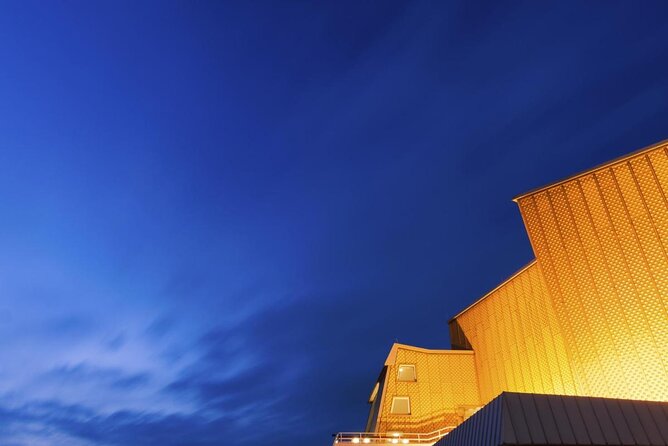
From Gendarmenmarkt you head toward Berlin’s major cultural zone at the edge of West Berlin’s post-war rebuilding. The Berliner Philharmonie is the anchor here, with its bold modern form and a design that’s famous for acoustic performance. Even if you’re not a concert-goer, it’s one of those buildings that makes you stop and look at angles you didn’t expect to matter.
The exterior is striking, but what makes it special on a guided tour is the explanation. Your guide can connect the architecture to the city’s cultural priorities in the 1950s and 60s, when Berlin worked hard to replace what the war and the Wall had cut off.
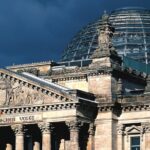
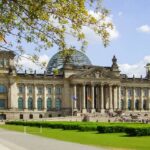
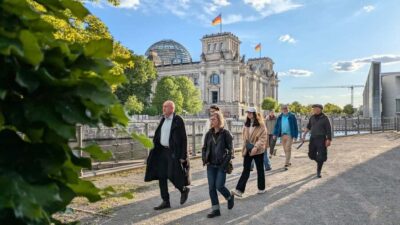
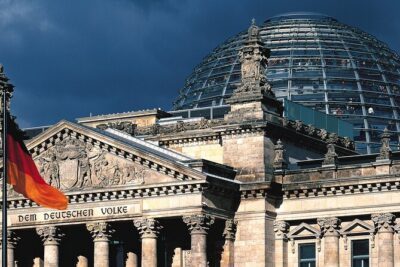
Next comes the Reichstag Building. The contrast is the point: a historic neoclassical structure paired with Norman Foster’s glass dome added after reunification. That dome isn’t just a futuristic add-on—it’s a visual symbol of transparency and democracy. You’ll also get a sense of how Berlin wants to show the country looking forward while still acknowledging what came before.
If you’re short on time and want one “old meets new” moment that’s easy to understand, this is it.
More private tours of Berlin



Potsdamer Platz and Friedrichstraße: Rebuilding, Shopping, and Political Geography
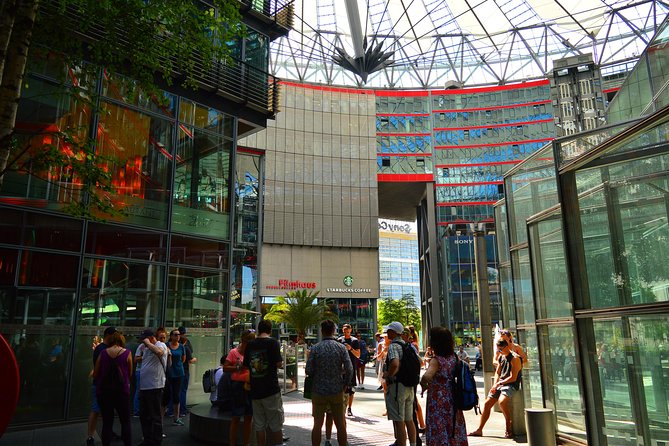
Potsdamer Platz is one of Berlin’s clearest examples of transformation. Before World War II it was a hub; during the Cold War it lay in ruins and division-era reality. Today, it reads like a city that chose modern planning: office towers, the Sony Center’s glass roof presence, and wide open public spaces designed for moving people and ideas.
I like that your guide can frame why this area looks the way it does now. It’s not just shiny buildings—it’s the story of what Berlin did after separation. That’s the theme running through the whole tour, and Potsdamer Platz is where it hits the hardest.
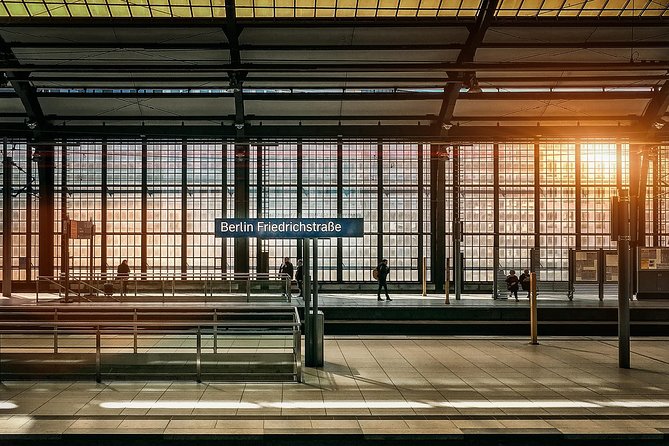
Between these major stops, the route includes Friedrichstraße, a central culture and shopping street that connects the tradition of the Golden Twenties with New Berlin architecture. You’ll see decorated facades, offices, coffee stops, and the mix of department stores and restaurants that make this one of the city’s go-to corridors.
If you want a practical takeaway, ask your guide where to detour for food nearby. The tour itself doesn’t include meals, so you’ll want a plan for lunch or a snack during or right after the tour.
Berliner Dom, Kreuzberg, and Friedrichshain: Two Neighborhoods, One Strong Architectural Contrast
The tour continues with the Berliner Dom, a grand building finished in 1905 with baroque and renaissance revival influence. The huge central dome dominates the skyline, and the cathedral’s symmetry and stone detailing give it a formal, ceremonial feel. Inside, the story turns more dramatic, with opulent materials and mosaics that follow the baroque idea of architecture as spectacle.
From there you’ll head into Kreuzberg. This neighborhood is known for an architectural mix that feels lived-in: 19th-century Altbau apartment buildings with ornate facades, plus industrial-style loft conversions and more contemporary developments. Kreuzberg is a good place to understand that Berlin’s architecture isn’t frozen in one era. It layers.
You’ll also stop for Oberbaum Bridge, with its late-19th-century red-brick towers and Gothic-inspired arches. It’s a favorite photo target because the structure feels dramatic and graphic from many angles.
Then it’s Friedrichshain, another former East Berlin area with pre-war Altbau buildings, restored and repurposed for modern life. If you’re paying attention to political geography through architecture, this is a must. You’ll also have the chance to see the East Side Gallery concept—colorful murals on a remaining Wall section—which adds an artistic layer to the architectural story.
The possible drawback here is pacing. These neighborhood stops are often where you want to linger, but four hours is four hours. The upside is that your guide can point you to the most photogenic streets so you’re not guessing.
Pariser Platz and Hackescher Höfe: Embassies, Brandenburg Gate, and Art Nouveau Courtyards
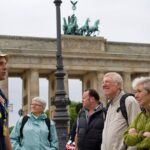
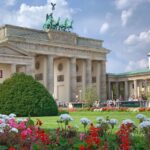
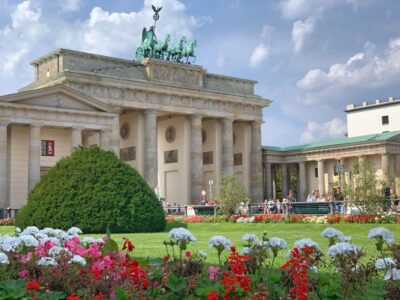
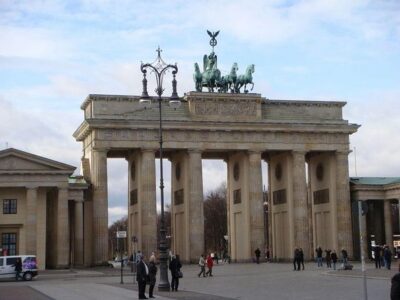
Pariser Platz is a clean architectural stage set. The Brandenburg Gate dominates the square, and the surrounding embassies and landmark buildings create an immediate contrast between neoclassical and modern design language. You’ll also get a sense of how Berlin uses public space to frame politics, with buildings that look designed for visibility and representation.
A standout in this area is the DZ Bank building designed by Frank Gehry. Even if modern architecture isn’t your main interest, Gehry’s sculptural glass-and-steel look makes the contrast easy to read against the older facades around it. Your guide’s job here is to help you see it as an intentional visual conversation, not just random style changes.
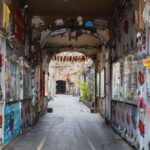
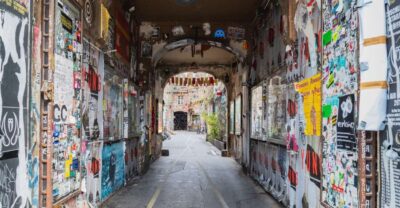
Then you shift to Hackescher Höfe, a complex of early 20th-century courtyards known for art nouveau design. Built in 1906 by August Endell, it’s all about detail: ceramic tiles, ironwork, and facades that turn a simple courtyard walk into a mini architecture festival. The courtyards each have their own character, which is great because you can spend a moment in one place and still feel like you learned something different.
If you’re the kind of traveler who enjoys architectural details you’d otherwise miss, this last stretch can be the most rewarding.
Price and Value: Does $191.87 Make Sense for This Route?
At $191.87 per person for about four hours, this isn’t a bargain-basement deal. But it’s also not priced like a full-day private concierge service. The value hinges on what you want out of Berlin.
You’re paying for a professional guide who can connect architectural style to Berlin’s political history and urban renewal. You also get hotel pickup and drop-off, plus a route that covers major landmarks and neighborhood fabric in one outing. Many stops are listed as admission-free, which matters for budgeting.
So who gets the best value? People who like architecture explanations, want an efficient orientation, and don’t mind a packed schedule. If you mostly care about quick sightseeing without context, you may feel the price more than the payoff.
For me, the deciding factor is customization plus guide quality. In past experiences, guides were praised for being flexible and adjusting time to interests, including strong communication and the ability to explain architectural intent clearly. That kind of guidance is where the money turns into something memorable.
Should You Book This Berlin Architecture Tour?
Book it if you want a sharp, guided read of Berlin’s architecture—especially the East vs West contrast and how the city rebuilt itself after division. It’s also a great option for your first day or first couple of days when you need to understand where neighborhoods sit in relation to major landmarks like Museum Island, the Philharmonie, and Reichstag.
Skip (or adjust) it if you want a slow stroll with minimal transit, long meals, and lots of free-choice wandering. This tour is structured. You’ll move, you’ll stop, you’ll shoot photos, and you’ll learn the story behind what you’re seeing.
If you do book, send your guide your must-see priorities ahead of time. And if you have a preference between walking and biking, decide early. Your comfort level will shape how much you enjoy the route.
FAQ
Is this tour private?
Yes. It is a private tour, so only your group participates.
How long is the Berlin Architecture Tour?
It runs for about 4 hours.
Do you get hotel pickup and drop-off?
Yes. Hotel pickup and drop-off are included.
Can I choose to go on foot or by bike?
Yes, the tour offers a choice of doing it on foot or by bike.
What’s included in the price?
Included are a professional guide and hotel pickup and drop-off. Food and drinks are not included.
What language is the tour offered in?
The tour is offered in English.
Is cancellation free?
Yes, free cancellation is offered. You can cancel up to 24 hours in advance for a full refund.
Are service animals allowed?
Yes, service animals are allowed.
More of Berlin on Foot

More Tours in Berlin




More Tour Reviews in Berlin
Round out your days in Berlin
Walking Tours, compared.
 ★ 4.7Berlin City walk Government District and Places of DemocracyFrom $2948,467 reviews
 ★ 4.9Third Reich & Cold War Guided Walking TourFrom $238,378 reviews
 ★ 4.9Discover Berlin Walking TourFrom $235,998 reviews
 ★ 5.0Berlin’s Best: 2 Hour Walking Tour Third Reich and the Cold WarFrom $245,486 reviews
 ★ 4.8Hidden Backyards Guided Walking TourFrom $235,360 reviews
 ★ 5.0Third Reich Berlin: Hitler and WWII Walking TourFrom $243,301 reviews
 ★ 4.9Third Reich, Hitler, and WWII Walking TourFrom $191,757 reviews
 ★ 4.6Alternative Berlin Walking TourFrom $291,204 reviews
Browse the lists this tour appears in