
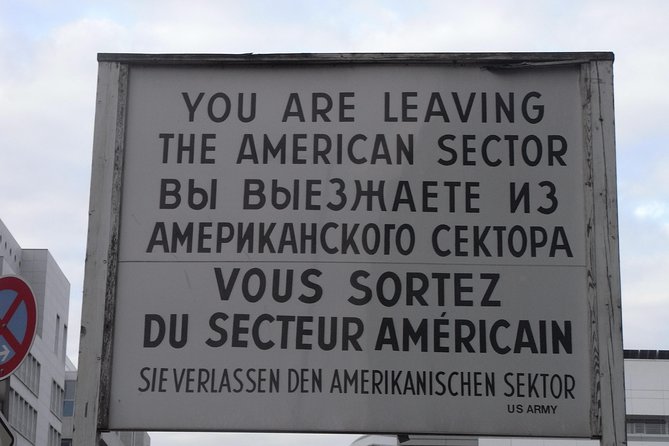
REVIEW · BERLIN WALL & COLD WAR
The Cold War and The Wall – Private Tour with Jacob
Berlin’s border stories hit different when you walk them. This private Cold War tour threads together the places where East and West Berlin collided, using landmarks like Checkpoint Charlie and the Brandenburg Gate as your timeline. It’s fast, focused, and built for a small group, so your guide can adapt the pace to your questions.
I especially like how the route ties big events to street-level details, so the 40-year Cold War story doesn’t feel like a lecture. You’ll also get practical add-ons like an A3 picture folder and a big subway map to help you keep exploring after the walk.
One thing to consider: it’s about 2 hours 45 minutes of walking, with multiple stops along the way, so wear comfortable shoes and bring an umbrella if the weather looks iffy.
In This Review
- Key points to know before you go
- Walking the Cold War: what makes this tour work
- Siegessaule start: the 1953 revolution story on Straße des 17. Juni
- Brandenburg Gate and the Wall: the “erection and fall” lesson
- Potsdamer Platz: a divided city and the taste of post-Cold War freedom
- Aviation Ministry of Berlin: Max Linger and Heinz Holzapfel escape attempts
- Trabi Museum: when everyday life becomes ideology
- Checkpoint Charlie: the main crossroad between East and West
- Friedrichstraße: the checkpoint street feeling
- Unter den Linden and the border logic
- Palace of Tears: citizens, control, and crossing pressure
- Alexanderplatz finish: TV tower, space race, and the Cold War outro
- Price and value for up to 6 people
- What’s included vs. what to plan around
- Who should book this Cold War Berlin walk?
- Should you book Jacob’s Cold War and The Wall private tour?
- FAQ
- How long is the Cold War and The Wall private tour?
- How many people is the tour for?
- Is pickup included?
- Does it include entry tickets?
- Do I need to pay for public transport?
- What is the meeting point and ending point?
- Does the tour run in bad weather?
- Is cancellation allowed?
Key points to know before you go
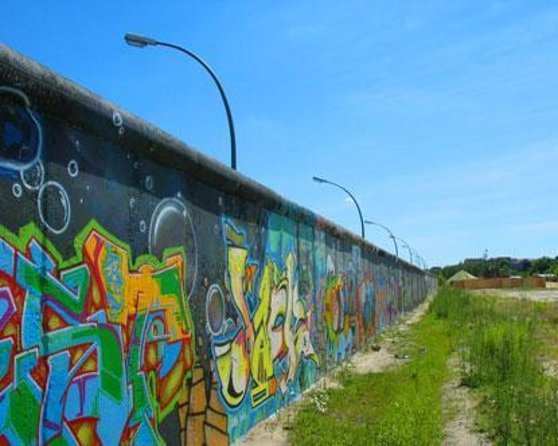
- Private guide pace: small-group attention focused on the Cold War story in Berlin.
- Wall-era “timeline” route: you move from key landmarks that connect to borders, checkpoints, and propaganda.
- Free stop entry listed: each main stop on the route is marked as admission free.
- Useful planning tools included: an A3 guidance picture folder plus a big subway map.
- Pickup is included: hotel, Air B&B, train station, or airport pickup in Berlin is offered.
- End near Alexanderplatz: convenient finish point for your next meal or metro hop.
More of the Wall and the divided city
- Berlin’s Best: 2 Hour Walking Tour Third Reich and the Cold War★ 5.0 · 5,486 reviews
- Skip-the-Line: Berlin Wall Museum at Checkpoint Charlie★ 4.1 · 2,041 reviews
- Berlin: East Side Gallery Spree Cruise in a Solar Catamaran★ 4.1 · 1,086 reviews
- Cold War, Berlin Wall, Spies and the East Side Gallery★ 5.0 · 1,024 reviews
Walking the Cold War: what makes this tour work
Berlin’s Cold War history is everywhere, but most people only catch fragments: a photo here, a monument there. On this private walk, you’re guided through a connected story, with each stop acting like a chapter title. That’s the difference between seeing sites and actually understanding how they fit together.
I like that your guide is not just name-dropping. The tour is designed to explain what these places meant to ordinary people, not only to politicians. You also get guidance for your broader visit, since the guide is available for questions and help during your time in Berlin.
Because it’s private, the experience is shaped for your group. If you want more context, you can ask; if you want quicker photo stops and move on, that can work too. It’s a small thing, but it makes a big difference on a subject as dense as the Berlin Wall era.
Siegessaule start: the 1953 revolution story on Straße des 17. Juni
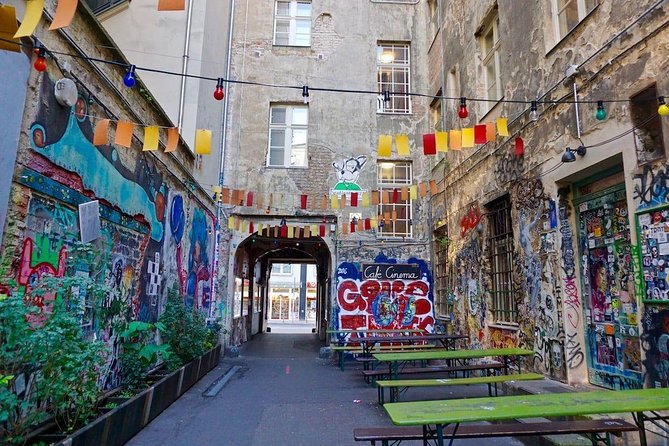
You begin at Siegessaule (Victory Column), a solid “orientation” start point because it sits on Straße des 17. Juni. This is a smart way to open: you’re not starting deep inside the Wall story first. You’re starting with a key thread that points to how East Germany was handling unrest and control.
From here, your guide connects the street and the area to the story of the East Germany 1953 revolution. That context matters because it helps you understand why later actions by the communist government weren’t random or only about borders. They were tied to managing pressure, fear, and political stability.
What to watch for: don’t rush your opening photos. This first stop is short, but it sets the tone. If you ask a quick question right away, you’ll get a better framework for the rest of the walk.
Brandenburg Gate and the Wall: the “erection and fall” lesson
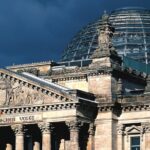
Next up is Brandenburg Gate, one of Berlin’s most recognizable landmarks—and also one of the most powerful places to learn about division. This stop is short, but the guide’s focus is on the erection and fall of the Berlin Wall.
The trick here is to look past the postcard view. The point is to understand that the Wall wasn’t only a wall. It changed how people moved, where they could work, what they could hope for, and what they risked.
If you’re coming in with a mostly one-note view of the Wall (just freedom on one side, oppression on the other), this is where the story gets more real. You’re learning how the same location could symbolize opposing realities depending on who held power.
Potsdamer Platz: a divided city and the taste of post-Cold War freedom
At Potsdamer Platz, you get the city’s division story in a place that’s easy to recognize. This area is tied to how Berlin split in the Cold War, and your guide also connects it to the post–Cold War freedom concert.
That pairing is useful because it shows how quickly symbolism matters after a change in power. You’re not only learning the “hard” part of the story. You’re also seeing how Berlin rebranded itself emotionally—how public space and public events became proof that the future had shifted.
Possible drawback: if you expect a full museum-style experience, Potsdamer Platz won’t replace that. It’s a walking-stop lesson, so you’ll want to take your photos quickly and listen closely to what your guide points out.
More private tours of Berlin




Aviation Ministry of Berlin: Max Linger and Heinz Holzapfel escape attempts
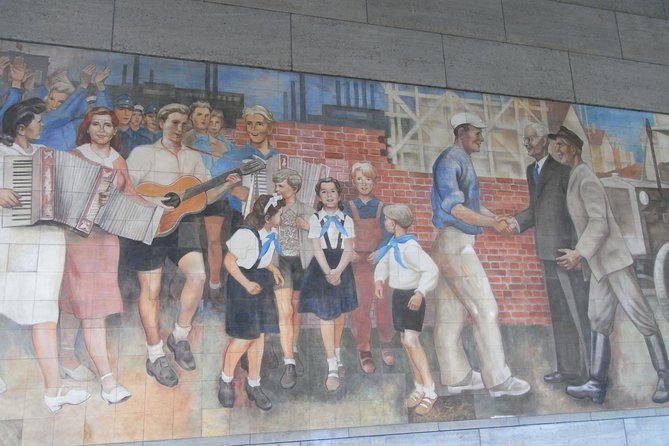
This is one of the stops where the tour leans into the human side of the Cold War. At the Aviation Ministry of Berlin, you hear stories connected to Max Linger and Heinz Holzapfel escape attempt details.
Even without getting lost in dates, these names help you remember that the Cold War wasn’t only about walls and borders. It was also about plans, attempts, and consequences—people trying to move from one world to another.
How to get the most out of this stop: listen for the “why” behind the escape stories. The value here is understanding how the system worked well enough to control movement, and why people still tried anyway. That makes the later checkpoint stops feel even more urgent.
Trabi Museum: when everyday life becomes ideology
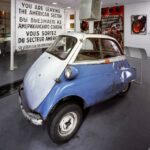
You then head to the Trabi Museum, with about 30 minutes set aside for this stop. The focus is on the East German car, and that’s a smart angle: not every history lesson is about speeches or uniforms. Sometimes everyday objects explain political reality better than big buildings do.
The Trabant (often called Trabi) became a symbol of East German life—practical, stubborn, and shaped by scarcity and industry limits. On this tour, the museum visit helps you understand how people lived inside the system, not only how the system controlled them.
Why this stop is worth the extra time: it’s a chance to slow down. After several fast landmarks, the museum gives you a bit of breathing room and lets the Cold War feel personal.
Tip for your comfort: museums can vary in temperature. If it’s cold out, you’ll probably appreciate warm layers. If it’s hot, bring something light you can remove without turning your day into a laundry problem.
Checkpoint Charlie: the main crossroad between East and West
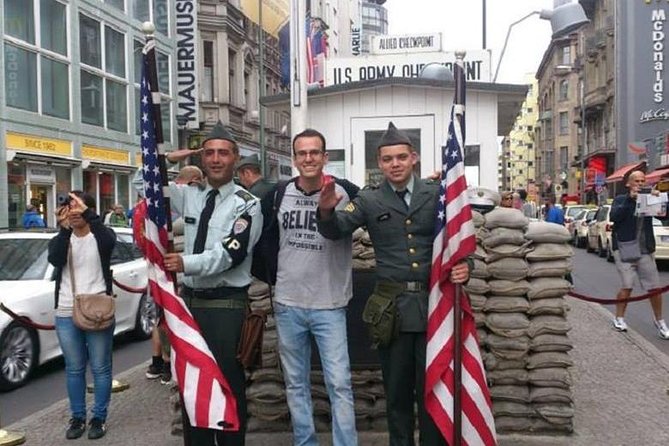
Checkpoint Charlie is the stop most people recognize, but on this tour it’s treated as more than a photo spot. Your guide frames it as the main crossroad between East and West and connects it to the Cold War history behind that crossing point.
This is where your route starts to feel like a map of control. Checkpoints were not just physical barriers; they were also screens for ideology. Who could pass, who couldn’t, what documentation meant—those details shaped daily life.
What I like here: because it’s private, you’re not fighting a crowd for comprehension. You can ask your guide to clarify how crossings worked and why places like this carried such emotional weight.
Friedrichstraße: the checkpoint street feeling
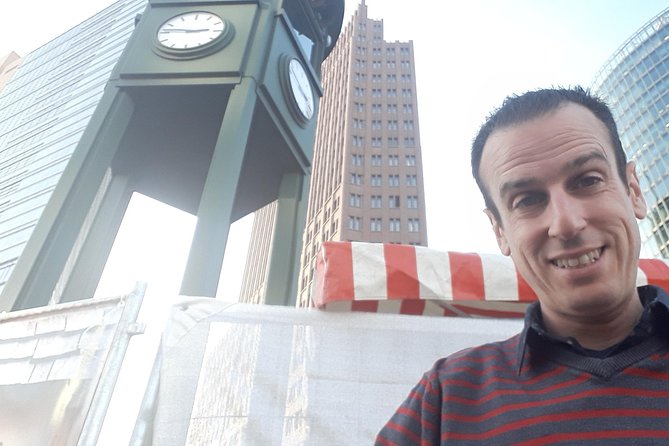
From Checkpoint Charlie, you move to Friedrichstraße, described on the route as the Check points Street. This stop is about giving you “the feel” of the border inside the city: streets where the Cold War wasn’t far away, it was part of the address.
Your guide connects Friedrichstraße to the checkpoint experience, so you’re not only learning about where people crossed, but how the city itself adapted around the crossings. That makes the Cold War look less like a distant conflict and more like something that shaped everyday errands.
Practical note: this is still a walking tour with short time windows between stops. If there’s a specific question you’ve been holding back, now is a good moment—your guide can tie your interest to what you’re seeing.
Unter den Linden and the border logic
Unter den Linden is Berlin’s famous main avenue, and on this tour it’s highlighted as East Germany’s main avenue leading to the border. This stop is about tension: a grand street leading toward something restrictive.
It’s a clever move to include this, because it shows how official beauty and political control could exist in the same city. When you understand that relationship, Berlin’s monuments and streets start making more sense. They aren’t random; they’re shaped by power.
What to do with this stop: use it as a reset moment. If you’re tired from earlier walking, look slowly, ask one question, then keep going. The tour moves you from power to checkpoints to bureaucracy pretty efficiently.
Palace of Tears: citizens, control, and crossing pressure
The Palace of Tears is one of the most emotionally loaded stops on the route, framed as the main checkpoint for citizens and communist control. The title alone sets expectations, but your guide’s focus is on what citizens faced when trying to move through the system.
This stop is longer than some of the others, with about 20 minutes, which helps. You’ll have time to absorb the seriousness without it turning into a quick photo-and-go stop.
Balanced caution: this portion can feel heavy if you’re sensitive to stories about oppression and forced separation. But if you want the Cold War story to be more than sightseeing, this is a must-do stop. It turns abstract history into lived experience.
Alexanderplatz finish: TV tower, space race, and the Cold War outro
Your walk ends near Alexanderplatz, with the route highlighting the TV tower and the space race. It’s a strong ending choice because it shifts from direct border mechanics to the larger Cold War competition for prestige and science.
The space race connection helps you see that the Cold War wasn’t only about walls and checkpoints. It was also about messages: what each side wanted the world to believe about its future.
Why the finish location helps you: ending near Alexanderplatz gives you easy options after the tour—food, transit, and the chance to keep your Berlin day flowing without a complicated return plan.
Price and value for up to 6 people
The price is $310 per group, up to 6 people, for about 2 hours 45 minutes. That pricing model is the key to the value math: you’re essentially paying for a private guide and pickup support, not per individual. If you’re traveling as a pair or small family, this can feel like a bargain compared with larger group tours.
You also get more than a walk. The included A3 Guidance Picture Folder, a big subway station map, and guide availability for questions add real practical value. On a first trip, having a guide help you plan what to do next can be just as useful as the sites you see during the tour.
Pickup is offered from hotel, Air B&B, train station, or the airport in Berlin. That saves time and stress, especially if you’re starting your day in a different part of the city.
What you should budget separately: public transport ticket fees are not included and are listed as around 3–11 euro (depending on whether you use a 2-hour or day ticket). If you’re planning to rely on transit the rest of the day, it’s smart to calculate that into your total.
What’s included vs. what to plan around
Included on the tour:
- A private guide for only your group
- Pickup from hotel, Air B&B, train station, or airport in Berlin
- Mobile ticket
- A3 guidance picture folder and a big subway map
- Guide availability for help and questions during your Berlin visit
Not included:
- Public transport ticket fees (about 3–11 euro listed)
- Private van and driver (available upon request)
- Bookings bigger than 10 people (contact is required)
Also worth knowing:
- Stops are marked as admission ticket free
- It runs in all weather conditions, so bring an umbrella
- Service animals are allowed
- It’s near public transportation, which helps if you need to meet up in a pinch
Who should book this Cold War Berlin walk?
This tour fits best if you want a guided story, not a “checklist” of famous names. If you care about the Wall era and want the narrative tied to specific places, this private format makes it easier to ask questions and keep your understanding straight.
It also works well for first-time Berlin visitors. The added map and picture folder help you build a simple plan for what comes next—especially if you’re trying to see multiple districts without overscheduling.
If you’re the kind of traveler who likes hearing a mix of big events and human-scale details, you’ll probably enjoy the way the route moves from monuments to checkpoint sites to everyday-life context like the Trabi Museum.
Should you book Jacob’s Cold War and The Wall private tour?
Book it if:
- You want a private guide and a tight route that connects Wall-era sites into one clear story.
- You’re traveling with up to 6 people and want to make the cost work as a group.
- You’ll appreciate practical add-ons like the subway map and picture folder.
- You’re interested in more than just the obvious landmarks, and you like learning how checkpoints and control shaped daily life.
Skip it or think twice if:
- You dislike walking for almost three hours total and prefer a slower pace with fewer stops.
- You want a museum-heavy day with lots of paid admissions. This one is mostly street-level and checkpoint-focused.
If you want Berlin’s Cold War era to click into place quickly, this is a strong way to do it without wasting time.
FAQ
How long is the Cold War and The Wall private tour?
It runs about 2 hours 45 minutes (approx.).
How many people is the tour for?
It’s priced per group up to 6 people, and it’s a private tour for only your group.
Is pickup included?
Yes. Hotel, Air B&B, train station, or airport pickup in Berlin is offered.
Does it include entry tickets?
The stops listed are marked as admission ticket free, and there are no admission fees mentioned for the listed sights.
Do I need to pay for public transport?
Public transport ticket fees are not included and are listed as around 3–11 euro (for about 2 hours or a day ticket).
What is the meeting point and ending point?
It starts in Berlin, Germany and ends at Alexanderplatz 10178 Berlin, Germany.
Does the tour run in bad weather?
It operates in all weather conditions, so it’s a good idea to bring an umbrella.
Is cancellation allowed?
Yes, cancellation is free. You can cancel up to 24 hours in advance for a full refund.
More Tours in Berlin






More Tour Reviews in Berlin
The Wall and the Cold-War City


Round out your days in Berlin
Berlin Wall & Cold War, compared.
 ★ 4.9Third Reich & Cold War Guided Walking TourFrom $238,378 reviews
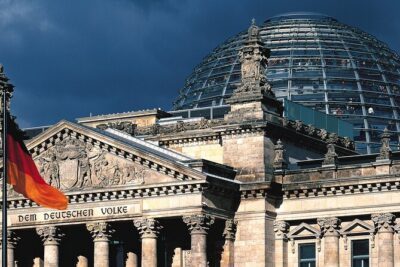 ★ 5.0Berlin’s Best: 2 Hour Walking Tour Third Reich and the Cold WarFrom $245,486 reviews
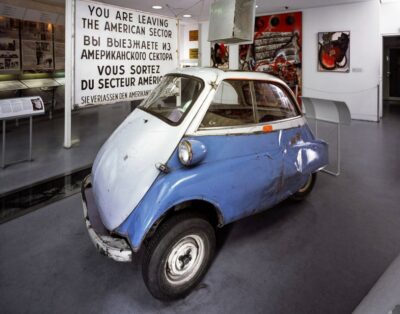 ★ 4.1Skip-the-Line: Berlin Wall Museum at Checkpoint CharlieFrom $212,041 reviews
 ★ 4.1East Side Gallery Spree Cruise in a Solar CatamaranFrom $281,086 reviews
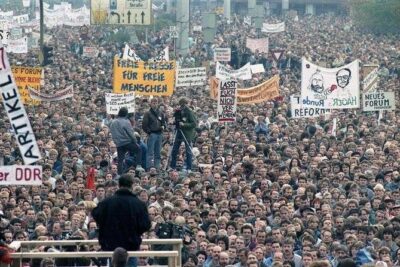 ★ 5.0Cold War, Berlin Wall, Spies and the East Side GalleryFrom $181,024 reviews
 ★ 4.8Wall Tour – Fates, Love Stories, and HeroesFrom $282585 reviews
 ★ 4.5THE WALL: asisi Panorama Berlin TicketFrom $16580 reviews
 ★ 4.8The Wall and Third Reich Guided Bike TourFrom $41578 reviews
Browse the lists this tour appears in