
REVIEW · BERLIN WALL & COLD WAR
Your ticket to The Wall Museum Berlin
A wall museum that actually moves fast. In Berlin, The Wall Museum turns the story of the Berlin Wall into a multimedia walk that runs about 45 minutes to an hour, with the key timeline from 1945 to 1990. I like how it’s offered in English, and it feels built for understanding, not just looking.
One note before you go: this is a self-guided style experience, so if a monitor or display is acting up, you may have to switch your attention to the rest of the rooms and go with the flow.
In This Review
- Key things to know before you go
- The Wall Museum Berlin: a focused visit with real context
- Inside the only Wall museum that covers the full story
- How the multimedia storytelling works in practice
- What the 1945–1990 timeline helps you understand
- Duration and pacing: why 45 minutes can be enough
- Price and value: about $12 for a short, high-context stop
- Location and getting there with less stress
- Who this visit suits best
- A quick checklist for your visit
- Should you book The Wall Museum Berlin?
- FAQ
- How long does The Wall Museum visit take?
- What language is the experience offered in?
- How much does the ticket cost?
- Do I need to print my ticket?
- Is the admission ticket included?
- Is it near public transportation?
- Is there free cancellation?
Key things to know before you go
- A complete timeline, 1945 to 1990: it’s designed to cover the Wall’s full arc, not just one era.
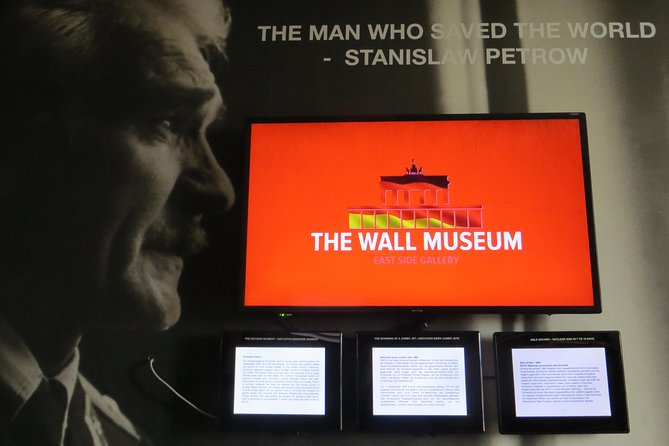
- Multimedia format: screens, audio/visual elements, and guided-style storytelling are central to the visit.
- English-friendly: the experience is offered in English, making it easier to follow.
- 45 minutes to 1 hour: you can fit it between other Berlin plans without a full afternoon commitment.
- Mobile ticket: you don’t need to hunt for a printout at home.
- Good value for the time: at around $12.02, it’s a low-cost way to add meaningful context.
More of the Wall and the divided city
- Berlin’s Best: 2 Hour Walking Tour Third Reich and the Cold War★ 5.0 · 5,486 reviews
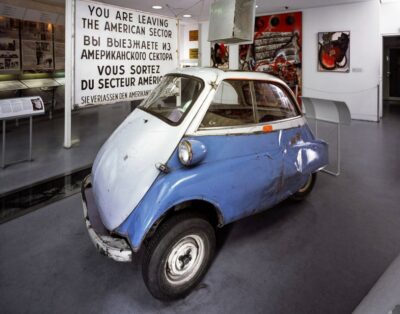
- Skip-the-Line: Berlin Wall Museum at Checkpoint Charlie★ 4.1 · 2,041 reviews
- Berlin: East Side Gallery Spree Cruise in a Solar Catamaran★ 4.1 · 1,086 reviews
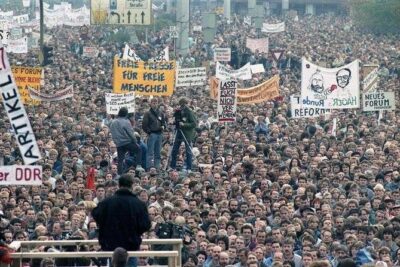
- Cold War, Berlin Wall, Spies and the East Side Gallery★ 5.0 · 1,024 reviews
The Wall Museum Berlin: a focused visit with real context
If you’re trying to understand Berlin beyond big-photo monuments, The Wall Museum is a practical stop. It’s not asking for half a day, and it’s not a random wall-section photo op. Instead, it’s built as a timeline experience, guiding you through how the Wall emerged, shaped daily life, and ultimately fell.
The big “why” here is the Museum’s promise to tell the complete history of the Wall, from the end of World War II through reunification-era events. That structure matters because Berlin’s Wall story can feel fragmented when you piece it together from streets, memorial plaques, and outdoor remnants. This museum is doing the organizing for you.
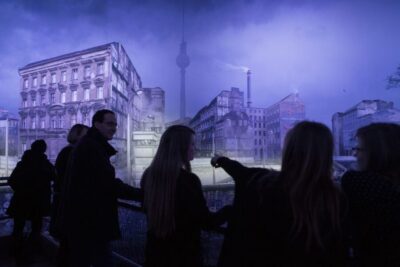
Also, the multimedia setup is key to how the visit works. You’re not only reading panels. You’re watching and listening your way through major moments, which tends to land better if you’re the type who learns through stories and visuals.
Inside the only Wall museum that covers the full story
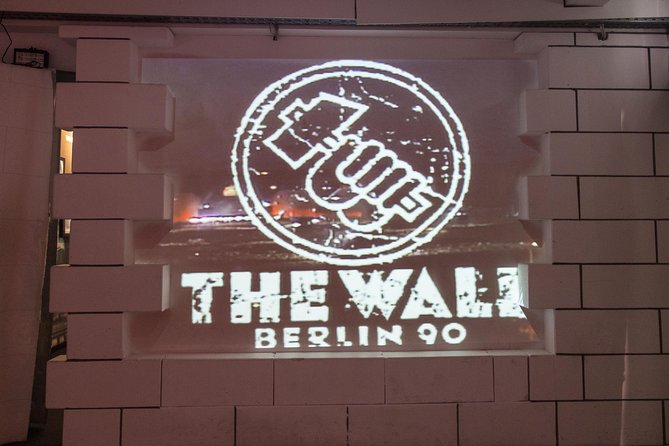
The heart of your ticket is one main stop: The Wall Museum. The museum opened in 2016, and it’s presented as the first and only wall museum that tells the complete history of the Berlin Wall. That positioning is more than marketing. It explains why the visit runs long enough to be meaningful (about 45 minutes to an hour) but not so long that you’ll feel trapped.
Here’s what you should expect in plain terms: you’re moving through an exhibition that covers the Wall’s timeline from 1945 to 1990. That range is broad, so the museum has to make choices about what to emphasize. Your best strategy is to treat it like a “story pass.” Don’t try to catch every detail on the first viewing. Instead, focus on how the exhibition connects events and daily-life impact over time.
What I like about this approach for you is that it supports quick context-building. If you’re planning to visit other Berlin Wall-related places afterward, you’ll be able to “place” what you’re seeing. The outdoor sites can feel random without a timeline. This museum gives you a spine you can carry with you.
How the multimedia storytelling works in practice
This experience leans heavily on multimedia elements. That’s part of its strength: visual explanations help you follow changes over decades without needing a full lecture.
The way this format usually plays out is simple:
- You’ll move through sections in a sequence that follows the Wall’s history.
- Screens and media elements explain what’s happening and why it mattered.
- The overall effect is emotional, not just factual, because it’s trying to show human impact alongside political change.
One realistic consideration: the exhibition depends on monitors/displays. If one unit isn’t working at the moment you arrive, don’t panic. Keep moving. Focus on what’s still working and continue through the rooms in order. With a self-guided setup, your time is largely yours, so you can recover quickly and still get the main thread.
What the 1945–1990 timeline helps you understand
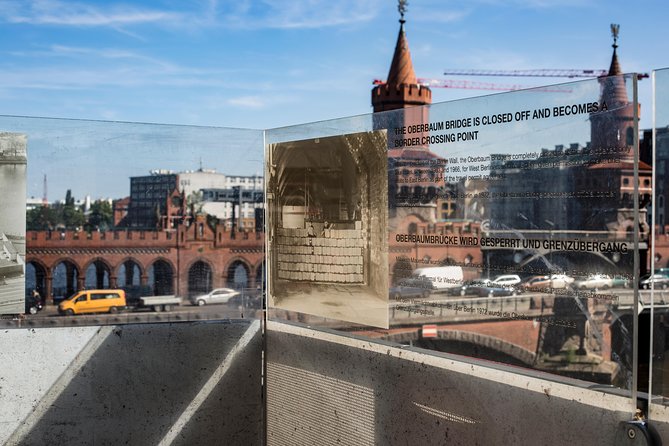
Berlin’s Wall story is often reduced to a few iconic dates. But the real learning comes from seeing how those dates connect.
By framing the exhibition from 1945 to 1990, you get a bigger picture of how the Wall wasn’t just a single construction project. It was part of a longer political and social split that shaped everyday life for decades. That’s what makes a “complete history” format valuable: it reduces the feeling that you only know the ending.
If you’re visiting Berlin as a first-timer, this kind of timeline structure helps you avoid the common confusion of mixing West/East events without a clear sequence. If you’re a returning visitor, it can still sharpen your understanding by filling in gaps you might have skipped before.
More Berlin tours to line up side by side



Duration and pacing: why 45 minutes can be enough
The visit typically runs about 45 minutes to 1 hour. That’s a sweet spot for most people. You get enough time to move through the main sections and absorb the message, without draining your energy before your next Berlin plan.
I recommend treating this as a “start-or-bolster” stop:
- If you go before outdoor Wall sights, you’ll understand what you’re seeing much faster.
- If you go after outdoor sights, you’ll read the buildings, streets, and memorials with better context.
Either way, don’t pack too many “deep” activities back-to-back. Even with a self-guided flow, multimedia elements ask for your attention.
Price and value: about $12 for a short, high-context stop
At about $12.02 per person, this ticket sits in the “pay once and get context” category. That’s what makes it good value for a lot of travelers: it’s not a huge spend, and the time commitment is modest enough that you can try it even on a tighter schedule.
Here’s the value logic that matters:
- You’re paying for guided storytelling that covers the Wall’s full arc (not just one photo corner).
- The duration fits into a normal travel day.
- The experience is offered in English, so you’re not forced to do a lot of translation work.
Can it feel too short? If you want hours of deep study, you might. But for most people trying to make sense of Berlin’s Wall legacy without turning the trip into a research project, this is a sensible spend.
Location and getting there with less stress
The museum is near public transportation, which is a big deal in a city where routes can be a headache. You don’t need a car to make this work, and you can link it to other central Berlin stops more easily.
Practical tip: give yourself a few minutes buffer when you arrive. Multimedia venues work best when you’re not rushing. If you’re hopping on and off transit, make sure you have time to settle in and start the exhibition in the right mood.
Who this visit suits best
This museum is a solid fit if:
- You want a short, meaningful stop with a clear timeline.
- You prefer an experience in English rather than relying on translation apps.
- You like multimedia storytelling and want context without a long guided lecture.
It’s also a good option if you’re traveling with mixed ages or interests. The museum format makes it easier to stay engaged, and the visit is short enough that you can usually keep everyone on pace.
A quick checklist for your visit
Here’s how to make the visit smoother without overthinking it:
- Bring headphones if you’re sensitive to audio spillover, since multimedia elements can be sound-forward. (Not required by the info you provided, but it can help depending on how the space is working that day.)
- Plan for about an hour so you don’t feel rushed.
- If you notice a monitor behaving oddly, keep moving and finish the next section. The overall storyline still comes through.
- Use the mobile ticket so you can get in faster and stay flexible.
And yes, service animals are allowed, so you don’t need to worry on that front.
Should you book The Wall Museum Berlin?
I’d book this if you want a cost-effective, time-friendly way to understand the Berlin Wall in one organized sequence. The museum’s focus on the full 1945–1990 arc is the big draw, and the English offering makes it practical for many visitors. With a typical 45 minutes to 1 hour duration, it’s easy to slot into a day without turning your itinerary into a marathon.
I’d hesitate only if you know you dislike multimedia-dependent exhibits or you need everything to be perfectly tech-functional. In that case, it may still work, but you’ll want to keep expectations grounded and be ready to move through sections even if a screen isn’t cooperating.
FAQ
How long does The Wall Museum visit take?
The duration is approximately 45 minutes to 1 hour.
What language is the experience offered in?
The experience is offered in English.
How much does the ticket cost?
The price is listed as $12.02 per person.
Do I need to print my ticket?
No. The ticket is a mobile ticket.
Is the admission ticket included?
Yes, admission ticket is included.
Is it near public transportation?
Yes, it is near public transportation.
Is there free cancellation?
Yes. Free cancellation is available up to 24 hours in advance for a full refund.
More Tickets in Berlin

More Tour Reviews in Berlin





The Wall and the Cold-War City





Round out your days in Berlin



Berlin Wall & Cold War, compared.
 ★ 4.9Third Reich & Cold War Guided Walking TourFrom $238,378 reviews
 ★ 5.0Berlin’s Best: 2 Hour Walking Tour Third Reich and the Cold WarFrom $245,486 reviews
 ★ 4.1Skip-the-Line: Berlin Wall Museum at Checkpoint CharlieFrom $212,041 reviews
 ★ 4.1East Side Gallery Spree Cruise in a Solar CatamaranFrom $281,086 reviews
 ★ 5.0Cold War, Berlin Wall, Spies and the East Side GalleryFrom $181,024 reviews
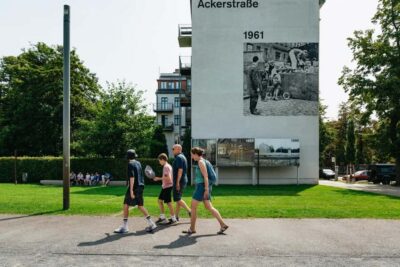 ★ 4.8Wall Tour – Fates, Love Stories, and HeroesFrom $282585 reviews
 ★ 4.5THE WALL: asisi Panorama Berlin TicketFrom $16580 reviews
 ★ 4.8The Wall and Third Reich Guided Bike TourFrom $41578 reviews
Browse the lists this tour appears in