
REVIEW · HISTORICAL TOURS
Berlin: Charité Hospital Walking Tour of Medical History
Berlin’s medical story is written in stone. This walking tour traces Charité from a 1710 plague-house beginning to the scientific breakthroughs tied to names like Robert Koch and Rudolf Virchow, plus the darker chapters that shaped modern medical ethics. I like the mix of neo-gothic architecture and real people stories, and I also appreciate the stop at the Veterinary Anatomy Theatre. The main drawback to plan around is simple: most of this walk happens outside, so chilly, damp Berlin weather can make the pace feel harder.
You meet at Robert-Koch-Platz by the Robert Koch statue, then walk with an expert local guide through the campus perimeter, ending near Central Station so you can keep moving through Berlin. The tour runs about 2 hours, with a free admission theatre visit, and it’s in English or German with wheelchair access. If you’re sensitive to WWII-era content about medical harm and Nazi racial hygiene ideas, consider that this tour does not skip the hard parts.
In This Review
- Key Highlights You Should Aim For
- Robert-Koch-Platz to the Veterinary Anatomy Theatre: getting your bearings
- The Veterinary Anatomy Theatre: why 18th-century animal medicine matters
- Charité’s neo-gothic campus walk: Koch, Virchow, and the science story
- Rachel Hirsch and the push for women in medicine in 1913
- Nazi and East German chapters: medicine under ideology
- What you actually see: included access, restricted areas, and the campus limits
- Price and value: is $29 for two hours worth it
- Tips for a smoother Charité walk in cold, damp Berlin
- Who should book this tour, and who might skip it
- Should you book the Berlin Charité Medical History Walking Tour?
- FAQ
- Where does the tour start?
- How long is the Charité Hospital walking tour?
- What’s the main stop besides the campus walk?
- What should I wear or bring?
- What languages is the tour offered in?
- Is this tour wheelchair accessible?
- Is the tour suitable for children?
- Can the theatre stop ever be closed?
Key Highlights You Should Aim For
- Robert-Koch-Platz start point that makes it easy to orient fast
- Veterinary Anatomy Theatre visit linked to 18th-century animal and cavalry medicine
- Charité neo-gothic campus perimeter walk with medical pioneers like Koch and Virchow
- Rachel Hirsch in 1913: a concrete story about women entering medical leadership in Prussia
- Nazi and East German eras explained as part of Charité’s ethical record, not just dates
- Ends near Central Station so you can smoothly continue sightseeing afterward
More of Berlin on foot
- Discover Berlin Half-Day Walking Tour★ 5.0 · 9,624 reviews
- Berlin City walk Government District and Places of Democracy★ 4.7 · 8,467 reviews
- Berlin: Third Reich & Cold War Guided Walking Tour★ 4.9 · 8,378 reviews
- Berlin: Discover Berlin Walking Tour★ 4.9 · 5,998 reviews
Robert-Koch-Platz to the Veterinary Anatomy Theatre: getting your bearings

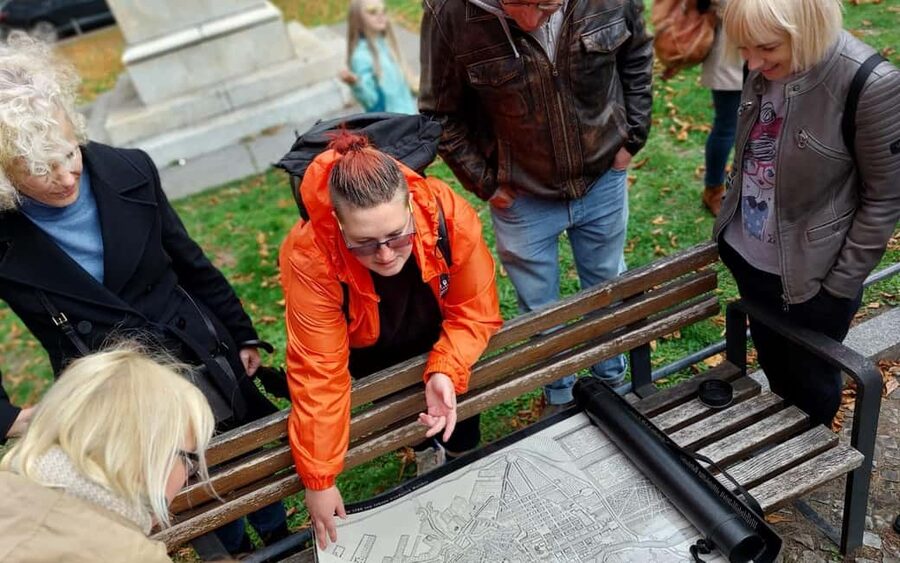
This tour starts by the Robert Koch statue at Robert-Koch-Platz. Look for your guide holding an orange umbrella, and you’ll know you’re in the right place fast. From there, the first stop is the Veterinary Anatomy Theatre, and the guide sets the tone with the big idea: Charité isn’t only a hospital, it’s a whole medical institution shaped by epidemics, science, and politics.
Before you get to the brick-and-stone architecture, you’ll hear how the site began in 1710 as a plague house meant to protect the city while an epidemic moved in. That opening matters, because it frames why Charité’s mission has always been tied to public health needs—even when the methods were rough by today’s standards.
Plan to wear comfortable shoes. Even though it’s only around 2 hours, you’re standing and walking continuously, and Berlin sidewalks can be slick in cold or wet weather.
The Veterinary Anatomy Theatre: why 18th-century animal medicine matters
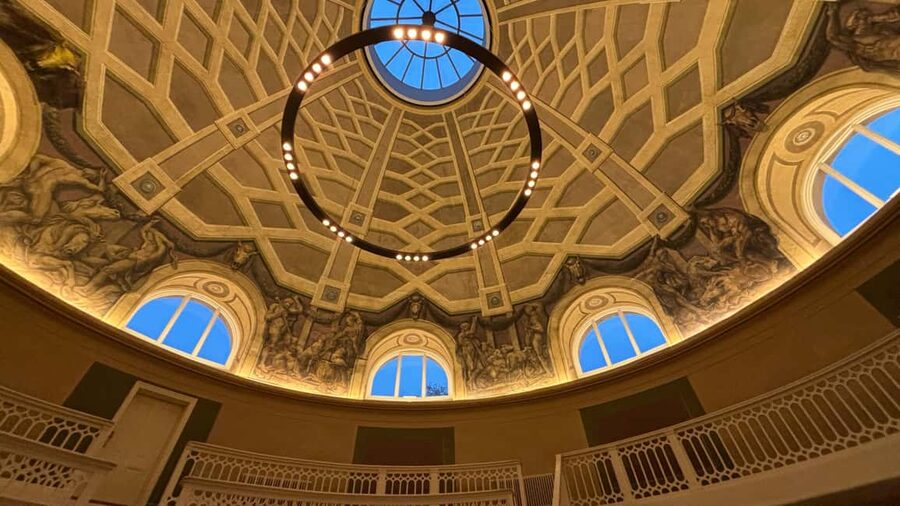
The Veterinary Anatomy Theatre stop is short—about 15 minutes—but it’s one of the most memorable parts if you like seeing how medicine grows beyond hospitals for humans. You’ll visit this theatre and learn why it exists in the first place: in the 18th century, researchers studied ailments affecting livestock and the cavalry horses that powered transportation and military life.
What I like about this segment is that it expands your mental picture of medicine. Instead of only focusing on famous doctors and human diseases, you see a practical question of the era: when animals get sick, cities lose food, labor, and mobility.
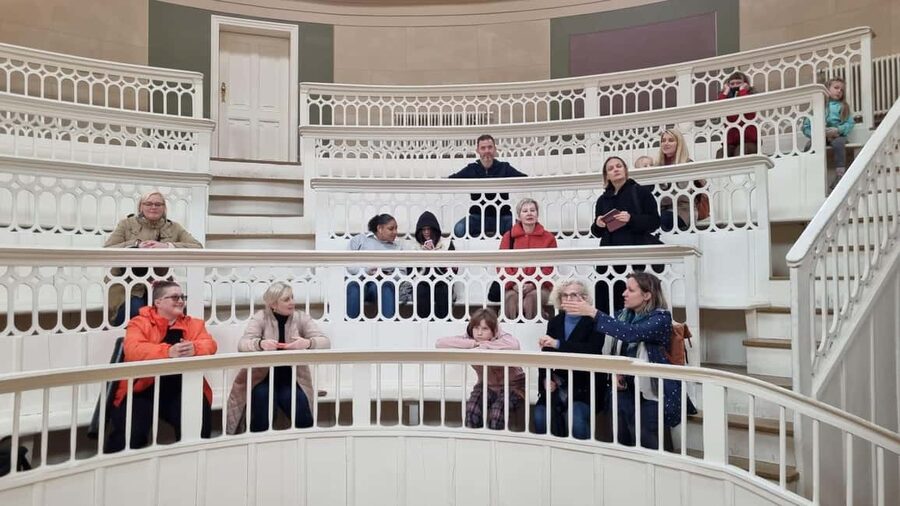
The theatre is included with free admission on the tour. One practical heads-up: on occasion, the theatre can be closed due to internal events or public holidays, so the best mindset is flexible. The walk overall still follows its historical arc even if specific access changes.
Charité’s neo-gothic campus walk: Koch, Virchow, and the science story

After the theatre, you’ll move into the guided portion of the walk around the historical campus. Charité’s neo-gothic look isn’t just pretty—your guide uses the buildings as a way to explain how medical ideas travel over time. The tour also gives context for why Charité produced major thinkers, including Robert Koch and Rudolf Virchow.
You’ll hear about the way groundbreaking medical work happened in this place, and how the institution built a reputation for scientific discovery. Koch and Virchow are names you’ve probably heard elsewhere in medical education, but here you can connect them to the actual setting where research culture formed.
Even if you’re not a medical-history superfan, the campus perimeter walk is the easiest way to see the scale of the institution. You’re outdoors a lot, so pace yourself. Short stops for explanations help, but Berlin winter can steal energy quickly.
Rachel Hirsch and the push for women in medicine in 1913

One of the tour’s strongest human stories is about Rachel Hirsch. You’ll learn that she became the first woman to hold a medical professorship in Prussia, with her appointment in 1913 marking a meaningful step forward.
What makes this section valuable is that it doesn’t treat progress as automatic. You’ll also hear about the resistance she faced inside the institution, which keeps the story grounded in real workplace barriers rather than turning it into a simple “firsts” celebration.
If you’re watching the Charité TV series and wondering what’s based on real history, this is the kind of moment that explains why the show resonates: it shows how medical careers intersect with social rules, politics, and institutional power.
More of Berlin's long history, guided





Nazi and East German chapters: medicine under ideology
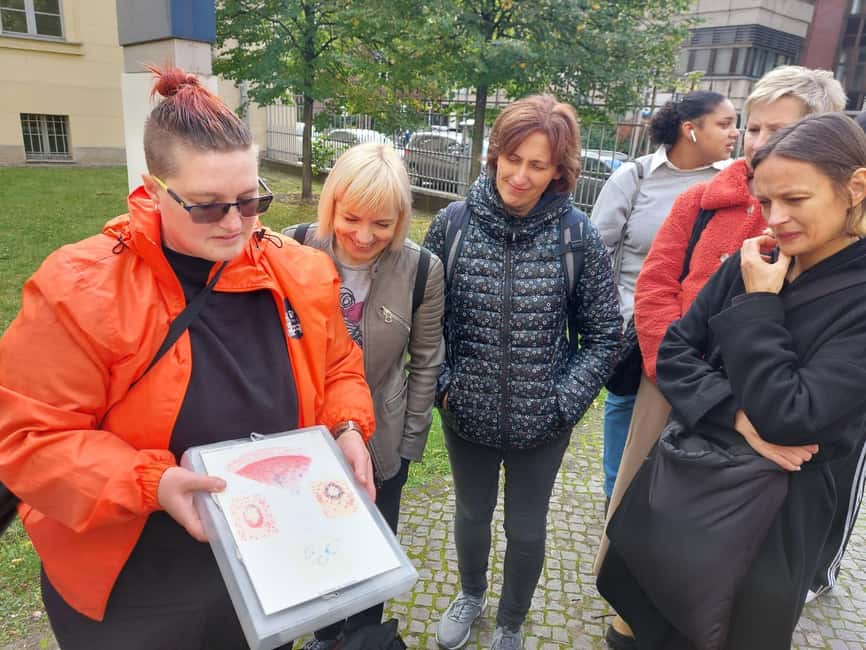
This is where the tour gets heavy. You’ll explore a dark chapter under the Nazi regime, where medical ethics were ignored and the ideology of racial hygiene was forced into healthcare decisions. The guide also covers how some doctors kept quiet while others actively organized the extermination of psychiatric patients.
That’s not abstract history. It’s a reminder that “medicine” can be used to harm when ideology replaces ethics. If you care about ethics in science, public health, or human rights, this part lands with real weight.
Then the story shifts into the later decades tied to East Germany, where Charité’s achievements were praised. At the same time, you’ll hear about how windows facing the capitalist West were bricked up, which adds a striking physical detail to the story of political division.
This section is one of the reasons the tour feels more like a guided interpretation than a sightseeing loop. You don’t just learn what happened; you learn how systems shaped what doctors were allowed—or encouraged—to do.
What you actually see: included access, restricted areas, and the campus limits
The tour includes an expert local guide and the Veterinary Anatomy Theatre visit. What it doesn’t include is entry into every hospital or university area. Some buildings and restricted campus areas used for hospital or university operations aren’t open for guided touring.
That said, the tour is designed so you still get a coherent story from the exterior and from accessible spaces. And once the guided portion ends, you can explore some areas independently where access is allowed.
If you’re the kind of visitor who hates missing indoor views, set expectations ahead of time. This is a walking and storytelling tour, not an all-access campus pass.
Price and value: is $29 for two hours worth it
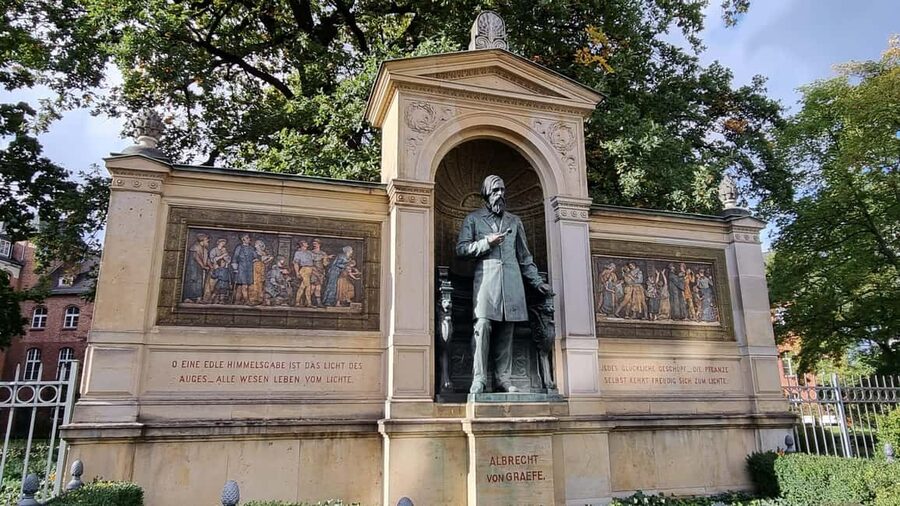
At $29 per person for about 2 hours, the value comes from three things.
First, you’re paying for an expert local guide who can connect architecture, medical pioneers, and political regimes into one timeline you can actually follow. The campus itself is massive, and without guidance it’s easy to miss the meaning behind what you’re looking at.
Second, the Veterinary Anatomy Theatre stop has free admission on the tour. That makes the time feel purposeful instead of just “walk and listen.”
Third, the ending location near Alexanderufer (close to Central Station) makes it practical for a Berlin day plan. You’re not paying just for history; you’re also buying a clean way to move through the city afterward.
Tips for a smoother Charité walk in cold, damp Berlin
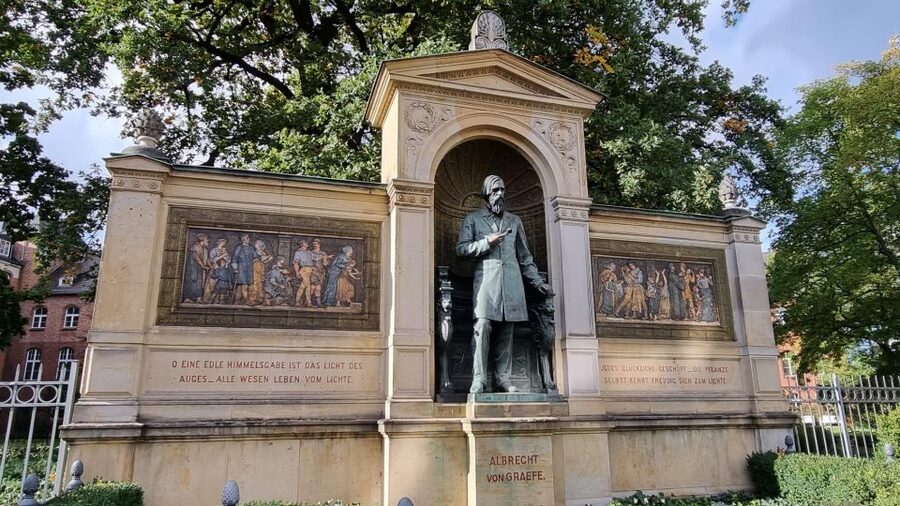
Bring comfortable shoes and water. You’ll be outside for much of the route, and the tour recommends dressing warmly for cold weather. If it’s wet, plan for slow, careful steps on slick pavement.
Also, because the meeting is by a statue, aim to arrive a few minutes early. In winter, you’ll want those extra minutes to get oriented before the group moves out.
One more tip: if you’re doing this in the same day as other major indoor sights, keep some buffer time afterward. The history is intense, especially around Nazi-era medical abuse, and you’ll likely want a quiet moment before rushing into the next stop.
Who should book this tour, and who might skip it

This tour is well suited for:
- People who like medical history that connects science to society
- Charité TV series fans who want the real-life context behind the drama
- Visitors who enjoy architecture and want the campus explained, not just photographed
It’s recommended for ages 14 and up due to the depth and subject matter. It’s not suitable for children under 14.
If you know you prefer light history, or if heavy content about medical harm and political ideology would be too much, consider saving this one for a time when you can give it your full attention.
Should you book the Berlin Charité Medical History Walking Tour?
Book it if you want a walking tour that actually teaches. You get the campus in context, key medical names like Koch and Virchow, a powerful story about Rachel Hirsch, and the institution’s ethical record through Nazi and later East German eras.
Skip it if you mainly want casual sightseeing with minimal historical weight, or if you’re hoping for lots of indoor building access. Since parts of the campus aren’t open for guided entries, the experience is best when you’re happy focusing on outdoor viewing and expert interpretation.
FAQ
Where does the tour start?
The meeting point is at Robert-Koch-Platz, by the Robert Koch statue. Your guide will be holding an orange umbrella.
How long is the Charité Hospital walking tour?
The tour lasts about 2 hours.
What’s the main stop besides the campus walk?
You’ll visit the Veterinary Anatomy Theatre for about 15 minutes. Admission to the theatre is included.
What should I wear or bring?
Wear comfortable shoes and bring water. The tour is mostly outdoors, so dress warmly in cold weather.
What languages is the tour offered in?
The live guide speaks German and English.
Is this tour wheelchair accessible?
Yes, the tour is wheelchair accessible.
Is the tour suitable for children?
It is not suitable for children under 14. Minors must be accompanied by an adult.
Can the theatre stop ever be closed?
On occasion, the Veterinary Anatomy Theatre can be closed due to internal events or public holidays.
If you’d like, tell me your travel month and whether you’re a Charité TV series fan, and I’ll suggest the best time of day to do this walk in Berlin weather.
More of Berlin on Foot






More Tours in Berlin





More Tour Reviews in Berlin

Round out your days in Berlin



Historical Tours, compared.
 ★ 4.6Natural History Museum Entrance TicketFrom $123,382 reviews
 ★ 4.53-Hour World Heritage Cruise to PotsdamFrom $251,569 reviews
 ★ 4.7History of the Third Reich Guided Walking TourFrom $30791 reviews
 ★ 4.4Berlin Charité Guided History TourFrom $28660 reviews
 ★ 4.9Berlin Historical Highlights Walking TourFrom $389657 reviews
 ★ 5.0Berlin Private Complete History All Day Walking TourFrom $253474 reviews
 ★ 4.8Cold War & Berlin Wall History Guided Bike TourFrom $41422 reviews
 ★ 4.5Historic Boat Sightseeing City Center TourFrom $33415 reviews
Browse the lists this tour appears in