
REVIEW · KREUZBERG & ALTERNATIVE DISTRICTS
Berlin: Guided Architectural Walking Tour of Hansaviertel
Berlin doesn’t whisper here; it talks.
A walk through Hansaviertel near Tiergarten turns everyday street noise into a way to understand the district’s past and the famous minds behind its buildings. You’ll hear how the area was nearly wiped out in WWII bombings, then you’ll look at what survived—or was rebuilt—through the lens of standout German architects.
I like how the tour blends city-life atmosphere with practical architectural seeing. I also love the extra on-the-ground access people rave about, including windows at the Hansa Bücherei and entry to the Kaiser Friedrich Gedächtniskirche, plus extra detail about the residents of today’s Hansaviertel.
One drawback to plan for: this is a lot of walking, and it isn’t suitable for wheelchair users. Wear real walking shoes and expect to keep moving for the full 2.5 hours.
In This Review
- Key things to love about the Hansaviertel walking tour
- Grips-Theater start: a clear starting point with the right energy
- Tiergarten edge and the sounds of Berlin while you learn
- WWII bombings and the meaning of what you see
- Seeing Le Corbusier, Niemeyer, Aalto, and Gropius in real Berlin space
- Hansa Bücherei windows and Kaiser Friedrich Gedächtniskirche access
- How 2.5 hours of walking really feels
- Price and value: why $24 can be a good deal in Berlin
- Who should book this Hansaviertel architecture walk
- Should you book this Berlin Hansaviertel architectural walking tour?
- FAQ
- Where is the meeting point for the tour?
- How long is the Hansaviertel guided architectural walking tour?
- What is the price per person?
- What language is the live tour guide in?
- What should I bring?
- Is the tour wheelchair accessible?
Key things to love about the Hansaviertel walking tour
- Tiergarten boundary city sounds that make the area feel real, not staged
- WWII bombings context that helps the architecture make emotional sense
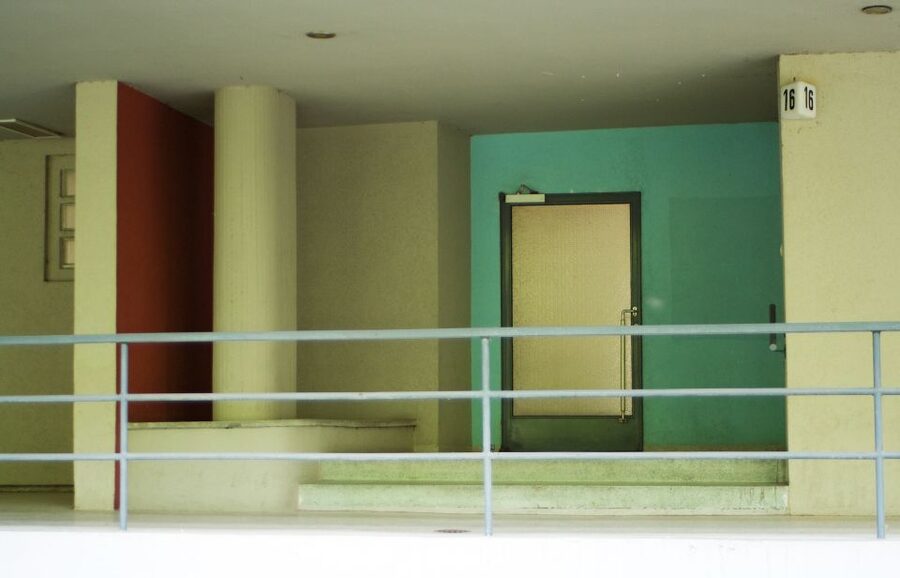
- Famous architect stops tied to names like Le Corbusier, Oskar Niemeyer, Alvar Aalto, and Walter Gropius
- Extra access moments such as windows at the Hansa Bücherei and entry at the Kaiser Friedrich Gedächtniskirche
- Local, German-language guiding that keeps the story anchored in the neighborhood today
- A pace that rewards attention—good if you like observing details while you walk
Deeper into Kreuzberg and the eastern districts
- Berlin: Kreuzberg Guided Walking Evening Tour★ 4.7 · 555 reviews
- Berlin: Alternative Bike Tour of Kreuzberg & Friedrichshain★ 4.7 · 548 reviews
- Berlin: 2.5-Hour Walking Tour through Kreuzberg 61★ 4.9 · 525 reviews
- Berlin Off-the-Beaten-Path Walking Tour: Kreuzberg, Mitte and Friedrichshain★ 5.0 · 412 reviews
Grips-Theater start: a clear starting point with the right energy
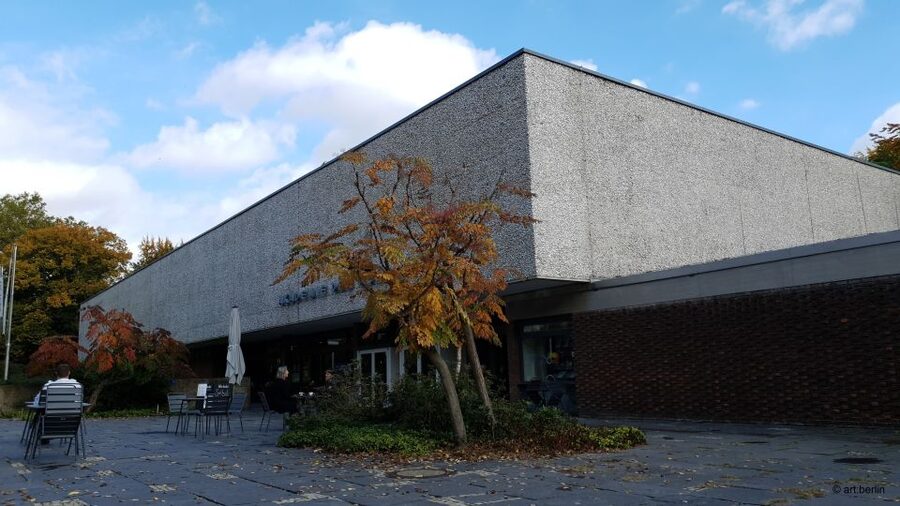
You meet your guide outside the main entrance of the Grips-Theater. That’s helpful because it gives you an easy landmark to find before you start stitching the story together block by block.
Since the tour is only 2.5 hours, the first few minutes matter. I’d arrive a bit early, get your water bottle ready, and do a quick mental check: comfortable shoes on, camera charged, and weather gear packed.
Also note the guide is German. If your German is basic or nonexistent, you’ll still likely follow the rhythm and key building points, but you should plan to lean on what’s visibly explained during stops.
Tiergarten edge and the sounds of Berlin while you learn
One of the nicest parts is that the tour doesn’t keep you in a classroom mood. You listen to busy Berlin city life along the border of Tiergarten, and that background noise becomes part of how the tour feels.
Here’s the value: architecture can look static in photos, but on a street it’s tied to wind, footsteps, traffic, and daily movement. When the guide connects those sounds to the story of the district, you’re less likely to treat Hansaviertel like just another set of famous buildings.
If you want to get the most out of this section, do something simple: pause at stop points and listen. Then look at the buildings the guide points out as the soundscape shifts around you.
WWII bombings and the meaning of what you see
Hansaviertel was nearly completely destroyed during WWII bombings. That fact changes how you read the area—suddenly the streets feel like a chapter rewrite, not just a design showcase.
What I like about this setup is that the tour doesn’t just list facts. It helps you connect the destruction to what comes after, so you can understand why rebuilding matters and why architecture carries memory.
A practical tip for this part: when the guide explains the impact of the bombings, take a slow look at the shapes and layouts around you afterward. Even without any architectural jargon, your eyes start organizing the scene differently once you know what the place went through.
Seeing Le Corbusier, Niemeyer, Aalto, and Gropius in real Berlin space
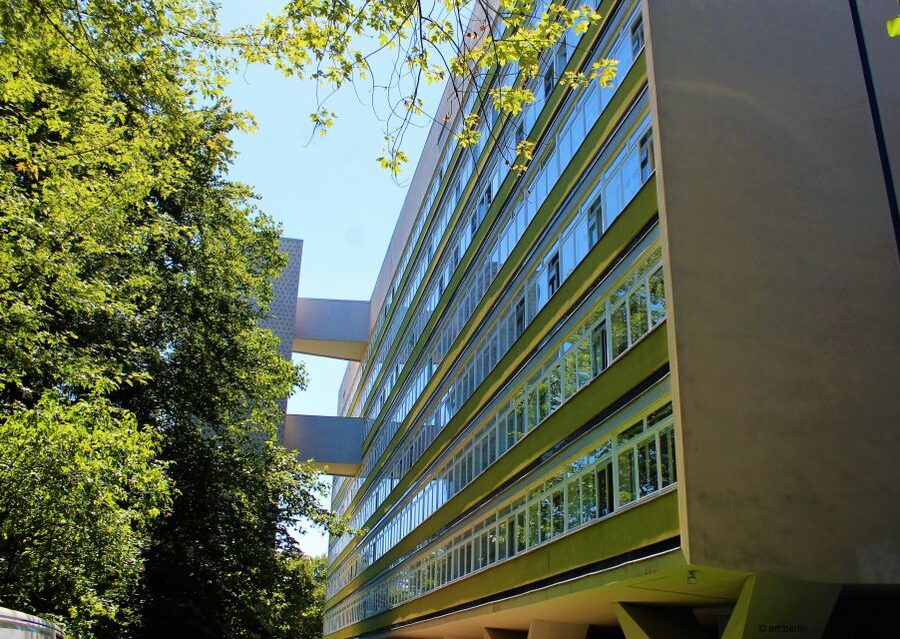
The tour is built around construction and design work attributed to major names such as Le Corbusier, Oskar Niemeyer, Alvar Aalto, and Walter Gropius. Hearing those names as you walk is one thing; noticing what makes each building’s presence different is what makes the experience click.
You’ll get the most out of this when you treat each architect stop like a mini observation game. I like the “three-second rule”: when you arrive at a point of interest, look first at the overall form from where you stand, then at edges and connections, then at how the building sits with the street.
Even if you aren’t an architecture expert, the names give you a helpful framework. Your job is simpler than you think: match what the guide says to what you can actually see from the sidewalk.
Also, because the tour is guided, you won’t have to guess what you’re looking at. A good guide makes famous names feel grounded in place, instead of turning them into trivia you forget the next day.
More of Berlin on foot


Hansa Bücherei windows and Kaiser Friedrich Gedächtniskirche access
Some of the best moments are the extras tied to specific stops. People mention windows at the Hansa Bücherei, and they also call out access to the Kaiser Friedrich Gedächtniskirche, along with a lot of extra information about the residents of today’s Hansaviertel.
Why this matters for you: architecture tours can get stuck in “look from the outside” mode. When you’re allowed closer access—like seeing through or around special features—you learn more from details that don’t show up in casual sightseeing.
For the Kaiser Friedrich Gedächtniskirche element, think of it as a perspective shift. Even if you’re focused on modern design elsewhere, this kind of access adds a Berlin layer that feels less abstract and more lived-in.
If you like your tours to include at least one moment that breaks the usual routine, these extra access points are a strong reason to pick this one.
How 2.5 hours of walking really feels
This experience is designed around walking, and the tour description is clear that it involves a lot of moving. At 2.5 hours, the pace is long enough that your comfort choices matter.
Bring comfortable shoes—non-negotiable. Add water, and dress for the weather because you’re outside the whole time. If it’s hot, you’ll appreciate the water earlier than you think; if it’s chilly, you’ll want weather-appropriate layers before you start.
One more smart move: bring a camera, yes—but also use your eyes more than your lens. You’ll remember the tour better if you take a few photos at key moments and then spend the rest of the time actually observing.
And if you have mobility limits, don’t plan on stretching this into an easy stroll. It’s not suitable for wheelchair users, and the “lot of walking” note is there for a reason.
Price and value: why $24 can be a good deal in Berlin
The price is listed at $24 per person for a 2.5-hour guided tour. That’s not free, but it’s also not the kind of premium you’d expect for a long, multi-stop day with lots of transit costs.
What makes the value feel real is the combination:
- a guided walkthrough that interprets what you’re seeing
- WWII context that gives meaning to the buildings
- stops that include famous architect names
- extra access moments like Hansa Bücherei windows and Kaiser Friedrich Gedächtniskirche entry (mentioned as part of the experience)
So you’re paying for guidance and access, not just for walking from A to B. In Berlin, where architecture can be gorgeous but confusing without context, that guidance often turns an “I saw buildings” day into a “now I get it” day.
Who should book this Hansaviertel architecture walk
This tour is a great fit if you like architecture but also want the story behind it. If you’re curious about how WWII destruction shaped what you see in Berlin today, you’ll likely appreciate the way the guide connects past events to the built environment.
You’ll also enjoy it if you like neighborhood atmosphere. The Tiergarten border element makes the tour feel like you’re in the city, not touring a museum exhibit.
On the other hand, don’t book this if you need an all-seated experience. It involves a lot of walking and isn’t suitable for wheelchair users, so plan accordingly.
Should you book this Berlin Hansaviertel architectural walking tour?
I’d book it if you want a focused, 2.5-hour Berlin experience that mixes big-name architecture with WWII context and a couple of access perks. The $24 price makes sense because you’re getting a guided narrative plus real “see it up close” moments, not just street-level staring.
Skip it if your schedule can’t handle sustained walking or if your priorities are purely quick sightseeing with minimal time on your feet. In that case, you’d probably be happier with a shorter, less story-heavy option.
If you’re the type of traveler who likes to look at buildings with a question in mind, this walk is built for you. You’ll leave with names you recognize and, more importantly, with a clearer sense of what the district went through and why the architecture still matters.
FAQ
Where is the meeting point for the tour?
You meet your guide outside the main entrance of the Grips-Theater.
How long is the Hansaviertel guided architectural walking tour?
The tour lasts 2.5 hours.
What is the price per person?
The price is $24 per person.
What language is the live tour guide in?
The live tour guide speaks German.
What should I bring?
Bring comfortable shoes, a camera, water, and weather-appropriate clothing.
Is the tour wheelchair accessible?
No. The tour is not suitable for wheelchair users.
More Tours in Berlin





More Tour Reviews in Berlin

Kreuzberg and the Eastern Districts



Round out your days in Berlin


Kreuzberg & Alternative Districts, compared.
 ★ 4.5Kreuzberg: Culinary Food TourFrom $589770 reviews
 ★ 4.7Kreuzberg Guided Walking Evening TourFrom $27555 reviews
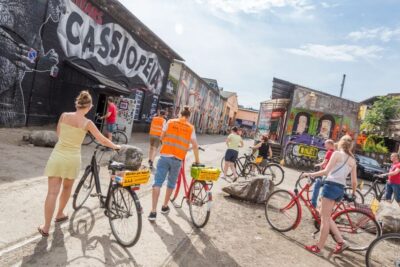 ★ 4.7Alternative Bike Tour of Kreuzberg & FriedrichshainFrom $41548 reviews
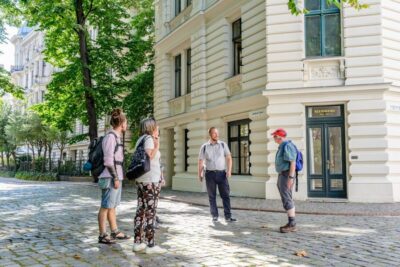 ★ 4.92.5-Hour Walking Tour through Kreuzberg 61From $23525 reviews
 ★ 5.0Berlin Off-the-Beaten-Path Walking Tour: Kreuzberg, Mitte and FriedrichshainFrom $30412 reviews
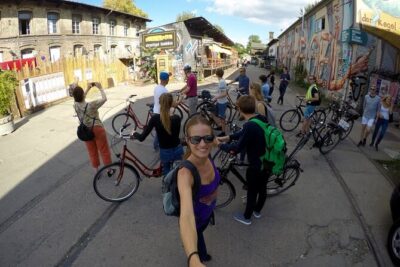 ★ 4.8Experience the Alternative Kreuzberg on a Bike TourFrom $41395 reviews
 ★ 4.9Prenzlauer Berg District Guided Walking TourFrom $23316 reviews
 ★ 4.8Gay Berlin Out in Schöneberg Walking TourFrom $23281 reviews
Browse the lists this tour appears in