
REVIEW · THIRD REICH & WWII HISTORY
Berlin Half-Day World War II Walking Tour
One afternoon in Berlin can still hit hard. This half-day WWII walking tour strings together Cold War and Nazi-era landmarks with a guide’s stories, so you spend less time hunting for what matters. You’ll get a local guide to make sense of what you’re seeing, and you’ll cover major sights like Checkpoint Charlie and the Berlin Wall Memorial without needing a map.
I like the value here: for $35, you’re paying for guided context across several iconic locations, ending at the Brandenburg Gate area. It’s also a solid fit if you want a plan for one chunk of time instead of piecing together neighborhoods on your own. One thing to keep in mind is that a walking route plus a theme this intense means you’ll want comfortable shoes and a willingness to face difficult history.
In This Review
- Key takeaways before you go
- Why this WWII walking route makes sense in half a day
- Meeting at Generator Berlin Alexanderplatz and starting clean
- Checkpoint Charlie to the Berlin Wall Memorial: the story behind the streets
- East Side Gallery and Brandenburg Gate: when Berlin shows off and reflects
- WWII-era landmarks you’ll connect through the guide’s narrative
- The Reichstag and the symbolism of power
- Prenzlauer Berg: history beyond the obvious center
- Hitler’s bunker site: a difficult stop handled with context
- The Flak Tower: war seen through the city’s scars
- Russian-German war themes and why WWII tours should be guided
- Price and value: what $35 gets you and what to watch for
- Who should book this, and who should skip it
- Should you book this Berlin Half-Day WWII Walking Tour?
- FAQ
- How long is the Berlin Half-Day World War II Walking Tour?
- What does the tour cost?
- Where do I meet the guide and where does the tour end?
- Is public transportation included?
- What major sights are included?
- What is the cancellation policy?
Key takeaways before you go
- 4 hours of WWII-and–Cold War sites, designed for a limited schedule
- $35 price point that’s really about buying time and guidance
- Major Berlin landmarks like Checkpoint Charlie, the Berlin Wall Memorial, East Side Gallery, and Brandenburg Gate
- Mobile ticket for easy entry on the day
- Small-to-mid group scale (max 100 travelers) with a guide leading the route
- Start in the Alexanderplatz area and finish near Brandenburg Gate for an easy next step
More walks through Berlin's wartime history
- Berlin: Third Reich & Cold War Guided Walking Tour★ 4.9 · 8,378 reviews
- Berlin’s Best: 2 Hour Walking Tour Third Reich and the Cold War★ 5.0 · 5,486 reviews
- Third Reich Berlin: Hitler and WWII Walking Tour★ 5.0 · 3,301 reviews
- Berlin: Third Reich, Hitler, and WWII Walking Tour★ 4.9 · 1,757 reviews
Why this WWII walking route makes sense in half a day
Berlin can eat your whole trip if you let it. The city is full of layers, and WWII sites don’t always feel obvious unless someone connects the dots for you. This tour is built for the reality that most people only have one afternoon (or a single half-day) to get their bearings.
What you’re really buying is direction. Instead of spending hours researching where to start, you meet at Generator Berlin Alexanderplatz and follow a guide through the city’s most loaded places. Your guide also works as a translator of meaning: not just dates, but why these spots matter and how the city rebuilt itself after the war.
The pace is also practical. Four hours isn’t enough to do deep museum time, but it is enough to walk past the big landmarks and understand the narrative thread. Expect a lot of standing and walking, plus stops long enough for stories to land.
Meeting at Generator Berlin Alexanderplatz and starting clean
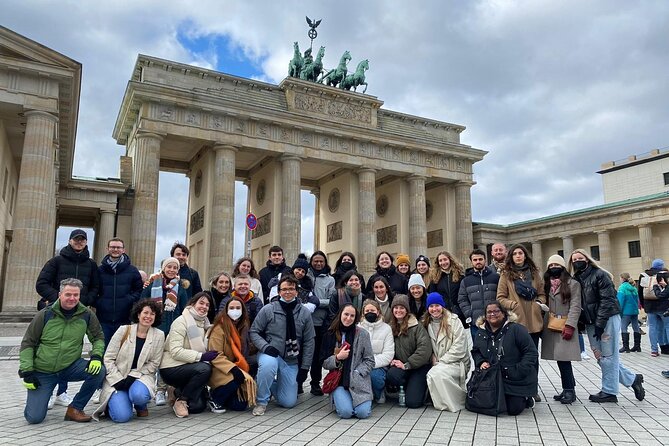
You start at Generator Berlin Alexanderplatz (Otto-Braun-Straße 65). That’s a smart meeting point because it’s in a major transit zone, so you’re not relying on a far-off address or a remote neighborhood entrance. The tour also ends at Brandenburger Tor (Brandenburg Gate), which is one of the easiest places in central Berlin to reconnect with your next plan.
If you like getting moving fast, this format helps. You’re not tasked with figuring out routes or where to turn. The guide leads you, so your energy goes toward noticing details rather than checking maps.
One practical note: public transportation is listed as something you may need where applicable. That doesn’t mean you won’t walk a lot, but it does mean the route could include short transit hops to keep the half-day workable. Wear shoes you’d wear for a full afternoon on your feet.
Checkpoint Charlie to the Berlin Wall Memorial: the story behind the streets
Two of the tour’s biggest anchors are Checkpoint Charlie and the Berlin Wall Memorial. Even if you’ve seen photos, these places hit differently in person because Berlin puts history right on the street. A guide helps you read the geography: what was crossed, what was blocked, and what it meant day to day.
Checkpoint Charlie is one of those landmarks people recognize instantly, but guided context is what turns it from a photo stop into a point in the timeline. You can think of it as a hinge between eras—where the Cold War was staged through borders and rules, not just speeches.
Then you move toward the Berlin Wall Memorial, where the theme becomes more sobering. This kind of site benefits from explanation: why the wall mattered, how it shaped movement, and how Berlin remembers it now. The memorial focus is valuable because it shifts your attention from buildings to human consequences.
Potential drawback: this is not a gentle “sightseeing only” tour. If you want light chatter and quick stops, this theme may feel heavy.
East Side Gallery and Brandenburg Gate: when Berlin shows off and reflects
The East Side Gallery is included for a reason. It’s an open-air stretch of the Berlin Wall transformed into art, which gives you a different emotional register than a memorial alone. A guide’s framing matters here because the artwork works on multiple levels: protest, survival, politics, and the idea of rebuilding meaning from broken concrete.
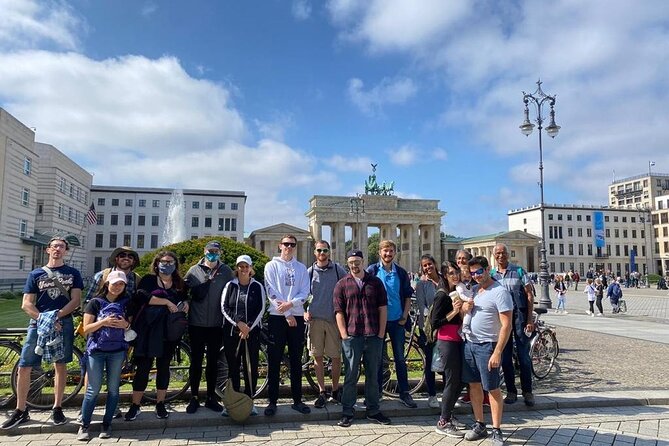
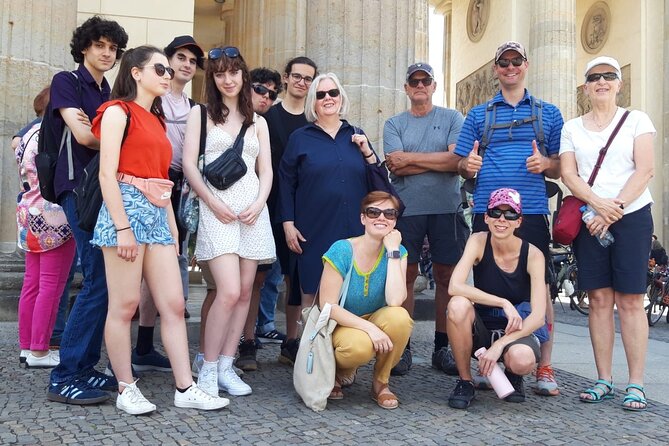
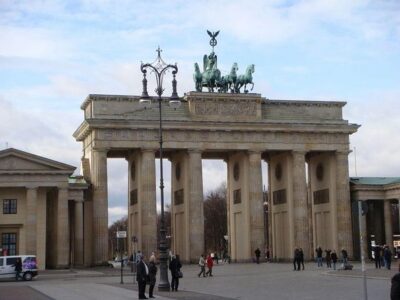
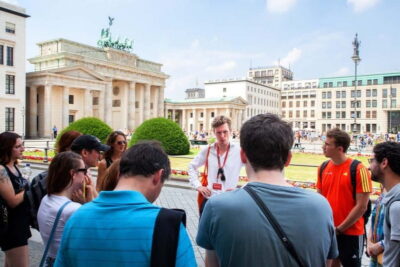
Then you end at Brandenburg Gate. Ending here is practical and iconic. The gate sits in the center of Berlin’s self-image, and it’s the kind of landmark you can use as a navigation point for the rest of your day—dinner nearby, another walk, or a quick connection to transit.
A guide also helps you avoid the common tourist trap at places like these: seeing Brandenburg Gate as just a postcard. With the WWII and capital-theme context on this tour, you’re more likely to understand it as a symbol with a complicated past.
More of Berlin on foot




WWII-era landmarks you’ll connect through the guide’s narrative
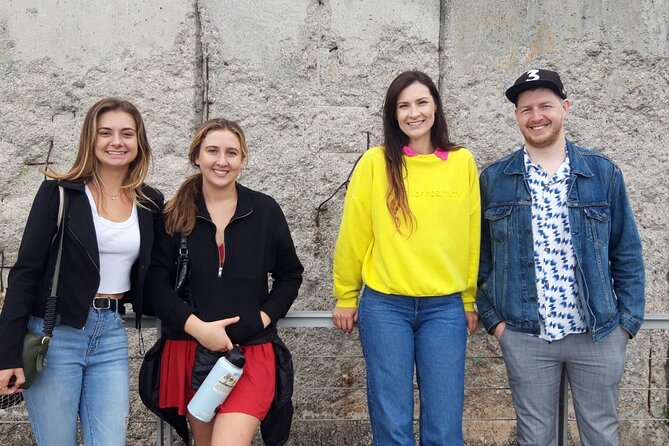
This tour doesn’t only stop at Cold War sites. It also includes WWII-focused stops and areas, including themes and locations tied to the Nazi era and Berlin’s wartime experience.
The Reichstag and the symbolism of power
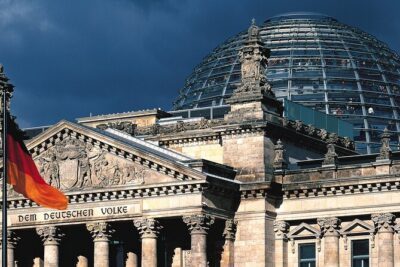
The Reichstag is part of the tour’s WWII arc. Even if you only see it from outside, it’s hard to miss what it represents. A guide helps you connect the building to the political story of the Third Reich era and why Berlin still points to it when people talk about governance and collapse.
The key value is explanation. Without it, you might only notice the architecture. With it, you start to see why the place is still referenced in how Berlin tells its own story.
Prenzlauer Berg: history beyond the obvious center
You’ll also cover Prenzlauer Berg as part of the route. That choice matters because it reminds you Berlin isn’t only a handful of famous monuments. Neighborhoods carry memory too—how the city changed, how communities shifted, and how daily life continued after disaster.
In a half-day tour, this kind of stop can feel like a bonus. It adds texture to the itinerary so the whole afternoon doesn’t feel like one long line of monuments.
Hitler’s bunker site: a difficult stop handled with context
The site of Hitler’s bunker is included. This is the kind of place where a guide can help you keep the focus on the real meaning rather than sensational details. Because this theme is so emotionally charged, you’ll get more out of the stop if the guide gives clear, grounded context and helps you understand why the location is remembered.
If you’re sensitive to heavy historical content, I’d still do it—but do it with awareness that this tour is centered on WWII and its aftermath.
The Flak Tower: war seen through the city’s scars
The Flak Tower is another WWII landmark included. Towers like this were part of the air-defense story, and seeing one in Berlin makes the war feel physical. A guide’s job here is to connect the dots between military purpose and what you see today.
In a walking format, the Flak Tower works as a visual anchor. It helps you understand how Berlin adapted to attacks and why some structures endured long enough to become part of the modern cityscape.
Russian-German war themes and why WWII tours should be guided
The tour includes the Russian-German War Museum as part of the broader WWII theme. Even if you’re not spending museum time in every stop, having a guide point you toward the right context helps you interpret why Berlin includes both German and Russian narratives around WWII.
That matters because WWII history in Berlin isn’t one-sided in practice. The city’s experience involved multiple forces, and Berlin’s remembrance reflects that. A guide gives you the thread that keeps you from reducing it to one storyline.
For you, this is the difference between collecting facts and understanding a framework. You walk away knowing what each site represents and how they connect, instead of leaving with a checklist.
Price and value: what $35 gets you and what to watch for
At $35 for about 4 hours, this tour is priced for people who want guidance but not a full-day commitment. The value is not just the route—it’s the saved time. Berlin is a city where DIY planning can turn into hours of comparing maps, opening hours, and routes. Paying for a guide is often cheaper than your time loss, especially if this is your only scheduled WWII history block.
You’ll also notice that the tour is designed to cover multiple high-impact landmarks in one afternoon. That’s why the price feels fair: you’re not paying for one museum ticket. You’re paying for an organized path plus a storyteller who explains what you’re looking at.
What’s not included: public transportation where applicable. So keep a little extra cash or a transit pass plan if the route includes short rides. Also bring water, because four hours in central Berlin adds up quickly.
One final note: the tour’s overall rating and recommendation rate are strong (4.6 out of 5, with 48 reviews, and 92% recommended). Still, do your part: arrive on time, use the stated meeting point, and double-check your confirmation details before you set out.
Who should book this, and who should skip it
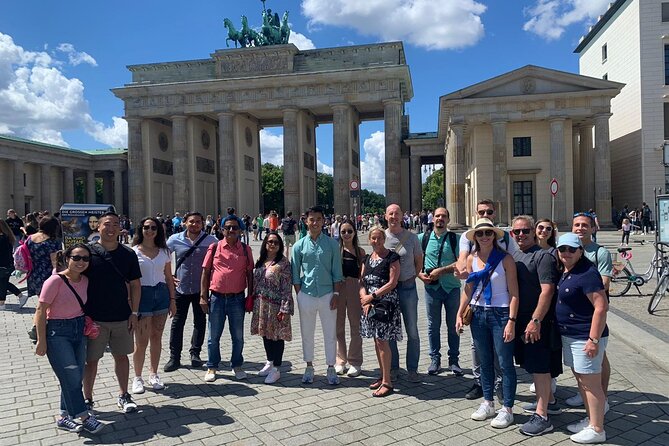
This tour is a great match if you:
- have limited time and want a high-density Berlin route
- want WWII and Cold War history explained in plain language
- like guided storytelling that ties landmarks together
- want an easy beginning and ending point in central Berlin
It’s less ideal if you:
- dislike walking for several hours or need lots of breaks
- only want light sightseeing with no heavy themes
- want a museum-focused day with extended indoor time
If you’re a first-time Berlin visitor, you’ll likely find this tour helps you orient the city fast. If you’ve been before, it can still be worth it because it connects famous sites with WWII locations you might otherwise miss or misunderstand.
Should you book this Berlin Half-Day WWII Walking Tour?
If you’re choosing between a DIY afternoon and a guided plan, I’d lean guided. The route covers the big names—Checkpoint Charlie, the Berlin Wall Memorial, East Side Gallery, and Brandenburg Gate—and it adds WWII-specific stops that give the day a clear theme. For $35, it’s a practical way to make one half-day count.
I would book it if you’re comfortable with heavy history and you want someone else to handle navigation. I’d think twice if you want museum-only time or a totally low-impact experience.
If you do book, show up at Generator Berlin Alexanderplatz on time, wear sturdy shoes, and come ready to listen. This tour rewards attention.
FAQ
How long is the Berlin Half-Day World War II Walking Tour?
It’s approximately 4 hours.
What does the tour cost?
The price is $35.
Where do I meet the guide and where does the tour end?
The tour starts at Generator Berlin Alexanderplatz, Otto-Braun-Straße 65, and ends at Brandenburger Tor (Brandenburg Gate).
Is public transportation included?
Public transportation where applicable is not included.
What major sights are included?
You’ll see highlights such as Checkpoint Charlie, the Berlin Wall Memorial, the East Side Gallery, Brandenburg Gate, and additional WWII-related sites/areas tied to the Third Reich era.
What is the cancellation policy?
Free cancellation is available up to 24 hours before the experience start time for a full refund.
More Tours in Berlin





More Tour Reviews in Berlin
Berlin's Wartime History
Round out your days in Berlin

Third Reich & WWII History, compared.
 ★ 4.9Third Reich & Cold War Guided Walking TourFrom $238,378 reviews
 ★ 5.0Berlin’s Best: 2 Hour Walking Tour Third Reich and the Cold WarFrom $245,486 reviews
 ★ 5.0Third Reich Berlin: Hitler and WWII Walking TourFrom $243,301 reviews
 ★ 4.9Third Reich, Hitler, and WWII Walking TourFrom $191,757 reviews
 ★ 5.0Berlin Third Reich Sites: Half-Day Walking TourFrom $21835 reviews
 ★ 4.7History of the Third Reich Guided Walking TourFrom $30791 reviews
 ★ 4.8The Wall and Third Reich Guided Bike TourFrom $41578 reviews
 ★ 4.8Hitler’s Germany: Berlin During the Third Reich & WWIIFrom $23476 reviews
Browse the lists this tour appears in