
REVIEW · HISTORICAL TOURS
Berlin: Historic Center Walking Tour with a Real Berliner
Berlin’s story is best walked.
What makes this tour click is the local, real-person pace and the way the guide ties landmarks to the bigger political shifts—so you’re not just looking at pretty buildings. I especially like how the walk is built around Mitte’s core highlights without feeling rushed, and I love that the guide can answer follow-up questions on everything from Prussia to the Cold War. One thing to consider: it’s a weather-on outing, so plan for all conditions and wear shoes you can handle for about two hours.
You’ll get a tight, high-impact route through places you’ll likely want to revisit on your own afterward. I also like the small-group feel (max 10 people), which makes it easier to ask things and stay engaged when the conversation turns from dates to real-life consequences. The possible drawback is simple: if you want a long, slow museum-style experience, this is a walking-and-story tour, not an in-depth inside-the-buildings day.
In This Review
- Key things I’d mark on your mental map
- Walking Mitte With a Real Berliner: The Value of a “Story Route”
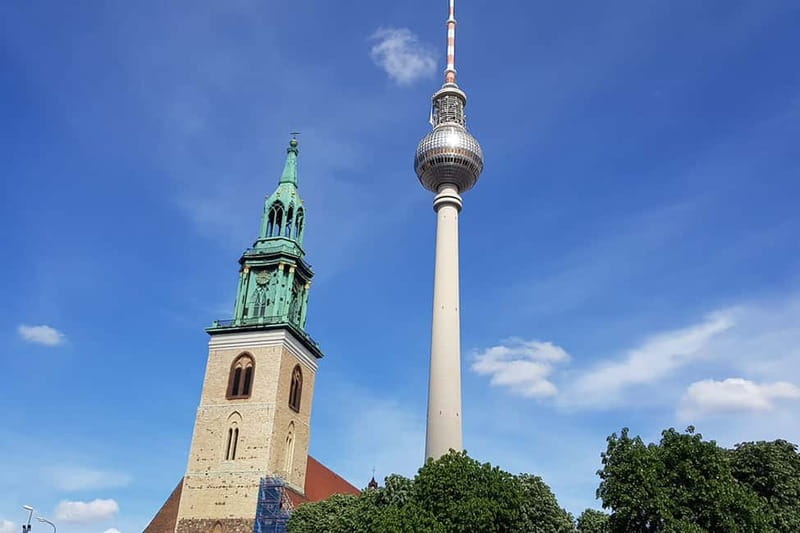
- Where It Starts: Nikolaikirche Museum and the Old-City Anchor
- Television Tower and the City’s Scale: When Berlin Gets Big
- Along the Spree to Museum Island: Beauty With an Explanation
- Humboldt Forum and the Rebuilt Palace Moment
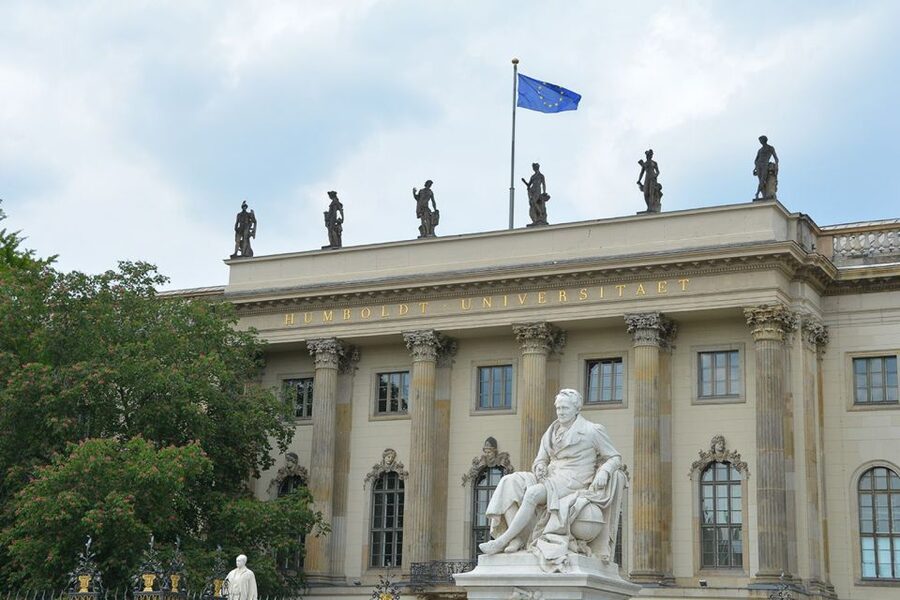
- Berlin Cathedral, Humboldt University, and the “Learning + Faith” Mix
- Unter den Linden: The Oldest Boulevard as a Political Stage
- Finishing at Brandenburg Gate: Reunification’s Most Famous Reminder
- Price and Timing: Is $43 Worth It for Two Hours?
- Who This Tour Fits Best (and Who Might Prefer Something Else)
- Practical Tips So You Enjoy Every Minute
- Should You Book This Berlin-Mitte Walking Tour?
- FAQ
- Where does the tour start?
- How long is the tour?
- What language is the tour available in?
- How big is the group?
- What sights will I see?
- Does the price include a guide?
- What’s not included in the tour?
- Is this walking tour wheelchair accessible?
- What should I wear or bring?
- Does the tour run in all weather?
Key things I’d mark on your mental map
- Nikolaikirche Museum start: You begin right where the old city core makes sense.
- Museum Island + Spree views: Classic Berlin postcard scenery with context attached.
- Humboldt Forum and Berlin Cathedral area: Cultural landmarks linked to modern choices about the past.
- Unter den Linden power corridor: You’ll walk a boulevard that functioned like a political stage.
- Brandenburg Gate as a 1990 turning point: Not just a photo stop—more like the story’s punctuation.
More of Berlin on foot
- Discover Berlin Half-Day Walking Tour★ 5.0 · 9,624 reviews
- Berlin City walk Government District and Places of Democracy★ 4.7 · 8,467 reviews
- Berlin: Third Reich & Cold War Guided Walking Tour★ 4.9 · 8,378 reviews
- Berlin: Discover Berlin Walking Tour★ 4.9 · 5,998 reviews
Walking Mitte With a Real Berliner: The Value of a “Story Route”
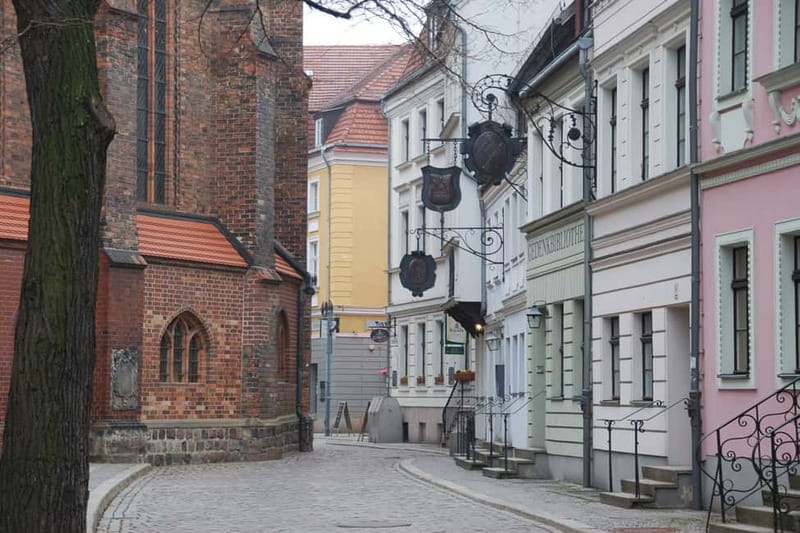
Berlin can feel like a pile of eras stacked on top of each other. This tour helps you make order out of that. In about two hours, you trace how the city went from a small settlement into a kingdom center, then a capital of a divided Germany, and finally the reunified country’s big-symbol showpiece.
The guide approach matters here. You’re not just collecting facts; you’re getting explanations that connect political decisions to the places you’re standing in. That’s why this tour works well even if you’ve only got one afternoon or if your Berlin plan is still in pencil.
Also: small group. With a limit of 10 participants, the walk doesn’t feel like a conveyor belt. You can ask questions, and you’re more likely to keep up with the thread of the story.
Where It Starts: Nikolaikirche Museum and the Old-City Anchor
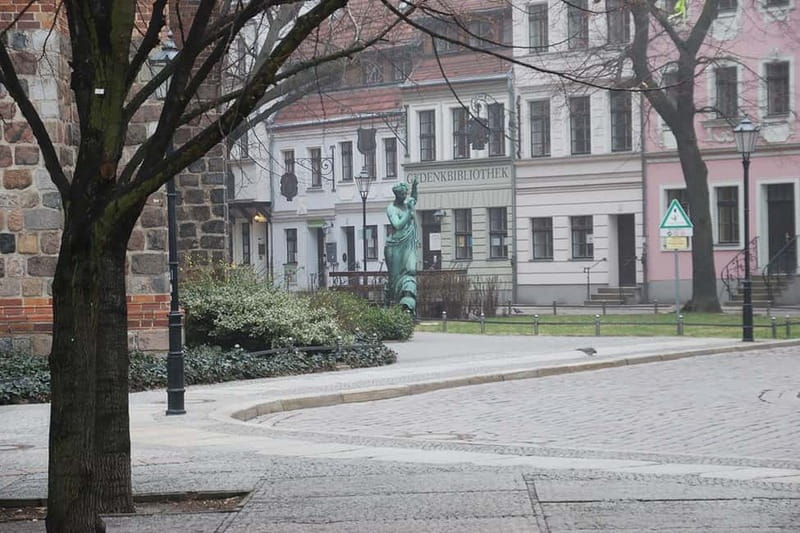
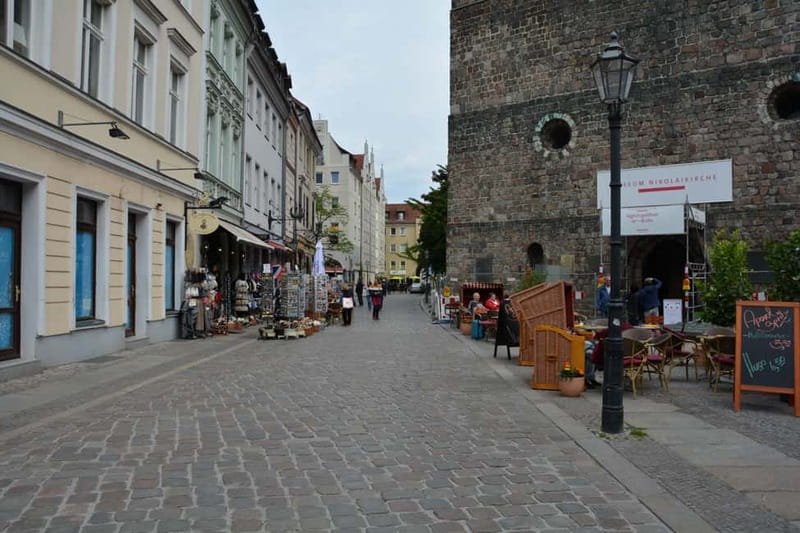
Your walk begins outside the Nikolaikirche Museum (St. Nicholas’ Church Museum). This matters because Nikolaikirche sits near the historic heart of the city, so the first minutes don’t feel like you’re crossing dead space. You’re basically stepping into the old Berlin core and getting oriented before the route ramps up.
From there, you move into the Nikolaiviertel area. This is the kind of neighborhood where the city’s beginnings start to feel real. Instead of treating history as a school timeline, the guide makes it about how the city grew—who lived here, why the location mattered, and how the early layout still shapes how you experience the center today.
Practical tip: this opening stretch is also when you can ask the guide what to prioritize later in your own itinerary. If you’re arriving with a “what should I see?” brain, this is a great moment to get direction.
Television Tower and the City’s Scale: When Berlin Gets Big
One of the tour highlights is seeing Berlin’s Television Tower. Even if you don’t go inside, it’s a useful reference point because it reminds you that Berlin isn’t only about old stone. The city also has a bold, later identity—part planning, part power statement, part modern skyline confidence.
This stop helps you understand something important about Berlin: it constantly rebuilds itself. As the story turns, you’ll start noticing how different periods tried to project meaning—through architecture, through monuments, through where people gathered.
If you’re the type who likes to recognize a place instantly later, this makes your photos and street-walking more rewarding. The tower becomes your mental compass for how far the city’s ambitions have stretched.
Along the Spree to Museum Island: Beauty With an Explanation
Next you walk along the Spree River toward Museum Island. River walks are nice on their own, but here the guide connects the river to Berlin’s development—because in cities like this, water is never just scenery. It’s access, movement, trade, and the reason certain areas mattered long before governments put grand plans on paper.
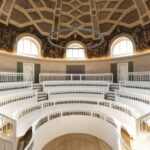
At Museum Island, you’ll see major landmarks in a compact area, including the Berlin Cathedral, the Old Museum, and the Humboldt Forum. The guide helps you connect what you’re seeing to why it’s clustered here and what cultural life looked like across different periods.
What I like about this part of the route is that it balances awe and understanding. You’ll get the “wow, Berlin really looks like this” moment, but it’s paired with “here’s what the choices meant.”
More of Berlin's long history, guided



Humboldt Forum and the Rebuilt Palace Moment
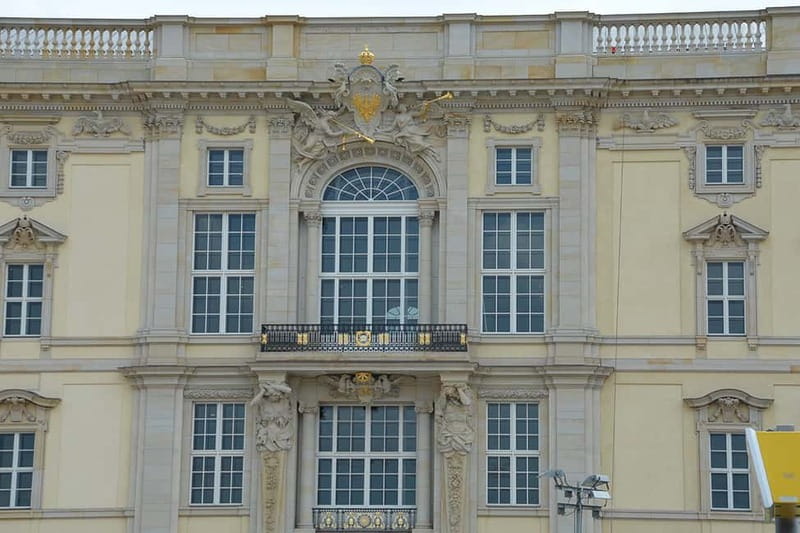
At the Humboldt Forum, you’ll admire the reconstructed Berlin City Palace. This is one of those stops where Berlin’s complicated relationship with its own past becomes tangible. The idea isn’t just nostalgia; it’s about how a city decides what to rebuild, how to frame history, and how to move forward without pretending nothing happened.
You’ll also cross the Palace Bridge (Schlossbrücke) as you head toward the historical center. This bridge walk gives you a nice switch in perspective. Suddenly you’re seeing the core not just as individual buildings, but as a sequence—one era talking to the next.
If you’re the kind of person who likes to think through symbolism, this is a strong segment. Even if politics isn’t your favorite topic, Berlin’s choices around reconstruction and representation can make the whole city feel more understandable.
Berlin Cathedral, Humboldt University, and the “Learning + Faith” Mix
As you continue, you’ll pass key parts of the cultural center, including Humboldt University of Berlin and Berlin Cathedral. These stops reinforce a theme you’ll keep seeing throughout Berlin: power doesn’t only show up in palaces and gates. It also shows up in institutions—universities, churches, and public cultural spaces.
The tour gives you context for why these buildings aren’t interchangeable. They each reflect a different kind of authority: spiritual, academic, governmental, and public-facing.
One of the smartest things about this tour design is timing. You’re not hit with everything at once. You experience one “type” of landmark, then you move to another, and your brain starts sorting it into categories—then the guide stitches them back into a timeline.
Unter den Linden: The Oldest Boulevard as a Political Stage
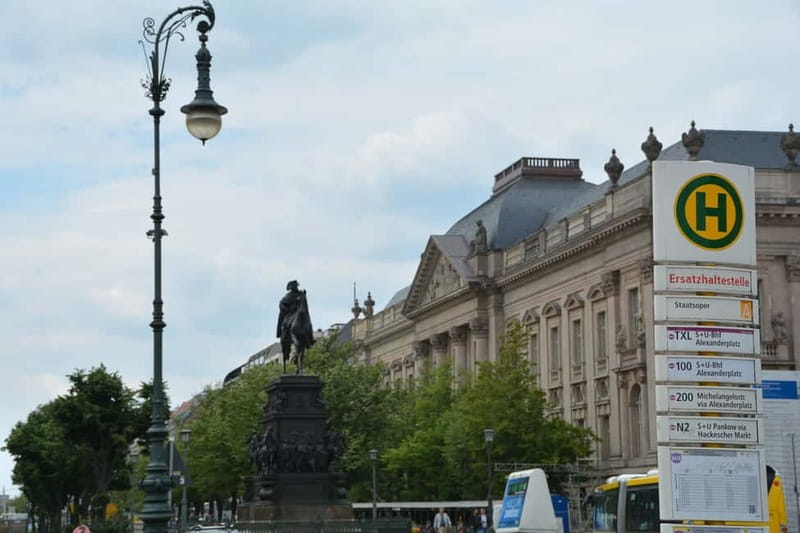
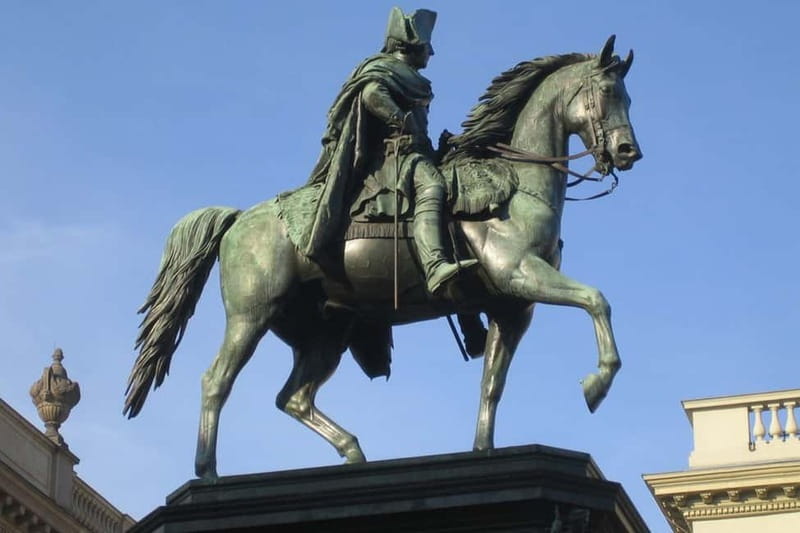
Now you hit Unter den Linden, Berlin’s oldest boulevard. This is a big deal because this street isn’t only about architecture. It’s a public corridor that has carried ceremony, state display, and national messaging for generations.
Along the way, you’ll see the Equestrian Statue of Frederick the Great, plus major landmarks such as the State Opera and Humboldt University (again, reinforcing its importance in the center). You’ll also walk near St. Hedwig’s Cathedral, which adds a different texture to the corridor—faith and identity beside state grandeur.
This segment is great for photos, but even better for people who like to understand how cities “perform.” When you walk Unter den Linden with context, it stops being just a pretty straight line and becomes a living timeline.
Finishing at Brandenburg Gate: Reunification’s Most Famous Reminder
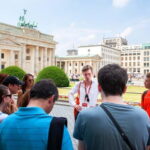
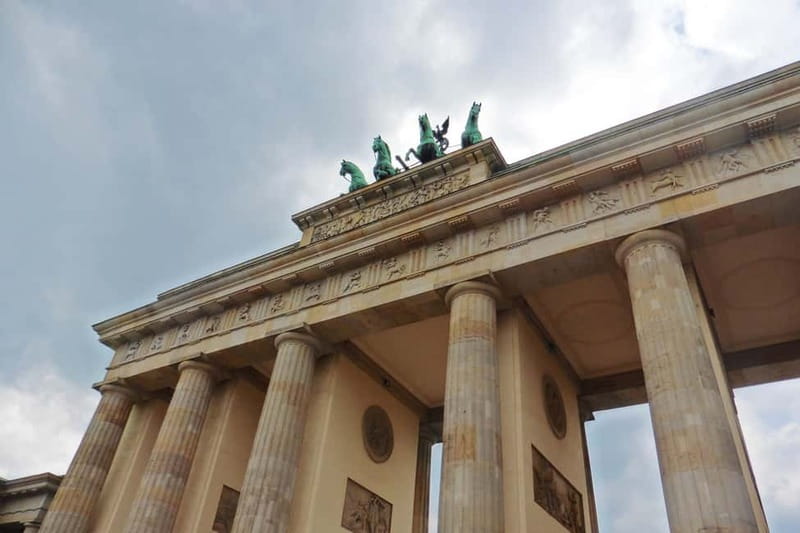
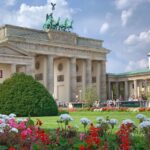
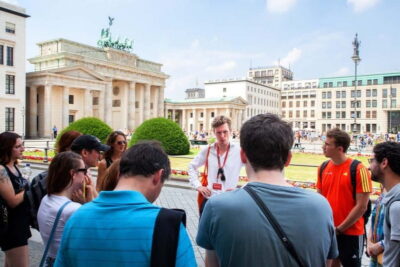
The walk ends at the Brandenburg Gate, Berlin’s most recognized symbol and a focal point for reunification in 1990. This stop gets treated as more than a checkpoint. You’ll hear the moving story of the landmark’s historical importance before, during, and after Berlin’s division.
What makes this ending land is the way it loops back to earlier themes you’ve been hearing. Early Berlin growth. Then shifting power. Then division and the dramatic meaning attached to central landmarks. The guide helps you understand why this gate became such a loaded symbol.
If you’re doing Berlin as a first-timer, this ending also gives you a powerful anchor for your later self-guided exploring. After this, you’ll recognize the gate not just as an icon, but as a summary of how Berlin changed.
Price and Timing: Is $43 Worth It for Two Hours?
At $43 per person for about two hours, the value is pretty straightforward: you’re paying for a professional guide and a tight route through a cluster of top center-city sights without the mental work of planning it. Since there’s no hotel pickup and no food included, you’re basically getting the guide’s time and expertise—and in a city like Berlin, a good guide can be the difference between random sightseeing and real understanding.
The small group size (max 10) also matters for value. A crowded group usually turns walking tours into background noise. Here, you’re more likely to get the answers you actually care about.
If you’re on a schedule where every block matters—like a short trip or a first evening—this tour is a smart use of time. One afternoon, and you come away with a framework that makes your next day’s wandering easier.
Who This Tour Fits Best (and Who Might Prefer Something Else)
This walk is a great fit if you:
- want a fast, story-driven orientation to Berlin’s center
- like political and social context, not only wartime dates
- appreciate a guide who can explain and answer questions in German, English, or Italian
- prefer small groups over big-bus vibes
It may be less ideal if you’re hoping for:
- long museum time with lots of indoor stops
- a super relaxed “linger by the buildings” pace without story structure
Practical Tips So You Enjoy Every Minute
A few basics will help you get the most out of the walk:
- Wear comfortable shoes. This is a walking route and you’ll want grip and cushioning.
- Dress for all weather conditions. The tour runs in all weather and on public holidays.
- Bring comfortable clothes you can move in—Berlin can change its mind fast about temperature.
- Plan on standing and walking outdoors around famous sites, especially as you move from Spree views to the central boulevard area.
Also, if you like to keep your plans fluid, this is a good “foundation tour” on your first or second day. You’ll learn what to revisit—and what you can safely skip.
Should You Book This Berlin-Mitte Walking Tour?
Yes—if you want a high-value, short tour that helps you understand what you’re seeing. The guide-led storytelling is the heart of this experience, and the route hits the main landmarks that shape how Berlin is remembered and understood today.
I’d book it particularly if you care about more than monuments and want the “why” behind Prussia-era development, the Cold War context, and reunification symbolism at the Brandenburg Gate. For $43 and two hours, it’s one of the easiest ways to turn Berlin from a map of famous names into a coherent story you can walk around.
If you’re comfortable in the outdoors and like to ask questions, this tour is a strong way to start.
FAQ
Where does the tour start?
The tour meets outside the main entrance of the Nikolaikirche Museum (St. Nicholas’ Church Museum). Look out for the tour guide with the Get Your Guide – You in Berlin flag.
How long is the tour?
The walking tour lasts about 2 hours.
What language is the tour available in?
The live guide offers tours in German, English, and Italian.
How big is the group?
It’s a small group limited to 10 participants.
What sights will I see?
You’ll walk through Mitte and see places including the Television Tower, the Spree River and Museum Island, the Berlin Cathedral, the Humboldt Forum, Humboldt University, Unter den Linden, St. Hedwig’s Cathedral, the State Opera, and the Brandenburg Gate.
Does the price include a guide?
Yes. The price includes a professional city tour guide and the walking tour.
What’s not included in the tour?
Hotel pickup and drop-off, and food and drinks are not included.
Is this walking tour wheelchair accessible?
Yes, the tour is listed as wheelchair accessible.
What should I wear or bring?
Bring comfortable shoes and comfortable clothes, since you’ll be walking outdoors.
Does the tour run in all weather?
Yes. The tour takes place in all weather conditions and on all public holidays.
More of Berlin on Foot

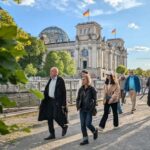

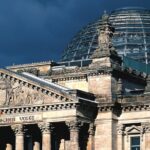

More Tours in Berlin





More Tour Reviews in Berlin

Round out your days in Berlin

Historical Tours, compared.
 ★ 4.6Natural History Museum Entrance TicketFrom $123,382 reviews
 ★ 4.53-Hour World Heritage Cruise to PotsdamFrom $251,569 reviews
 ★ 4.7History of the Third Reich Guided Walking TourFrom $30791 reviews
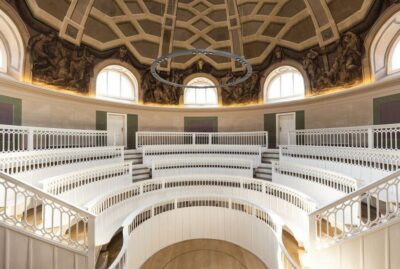 ★ 4.4Berlin Charité Guided History TourFrom $28660 reviews
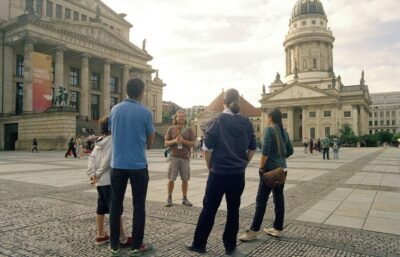 ★ 4.9Berlin Historical Highlights Walking TourFrom $389657 reviews
 ★ 5.0Berlin Private Complete History All Day Walking TourFrom $253474 reviews
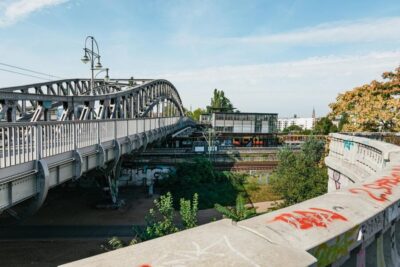 ★ 4.8Cold War & Berlin Wall History Guided Bike TourFrom $41422 reviews
 ★ 4.5Historic Boat Sightseeing City Center TourFrom $33415 reviews
Browse the lists this tour appears in