
REVIEW · THIRD REICH & WWII HISTORY
Berlin: Hitler and the Third Reich – a private walking tour
Berlin can feel like a timeline you can walk on. This private, 2-hour route takes you through the places where Nazi power was built, performed, and finally collapsed, including the ground where Hitler’s bunker once stood. I especially love two stops: the Memorial to the Murdered Jews of Europe with its 2,710 concrete stelae, and the way the tour brings you to the edges of the former Nazi government district, where propaganda and state power met. One real consideration: this is heavy material, so the walking is short, but the feelings may not be.
The format is what makes it practical: a live guide in German or English leads a private group, so the pace stays humane and you can ask questions as you move. I also like that the tour is anchored by big, unmistakable Berlin landmarks and then connects them to the quieter, less famous footprint of the regime—so you get both orientation and meaning.
You start at the Brandenburg Gate, then work through Tiergarten’s Soviet War Memorial area, the Holocaust Memorial, key Third Reich sites, and finish at the open-air documentation space of Topography of Terror. Along the way, you’ll hear the story stitched together from earlier periods (down to the Teutonic Knights) through the Cold War and into today’s unified Germany, not just a Nazi-era highlights reel.
In This Review
- Key Things You’ll Notice on This Walk
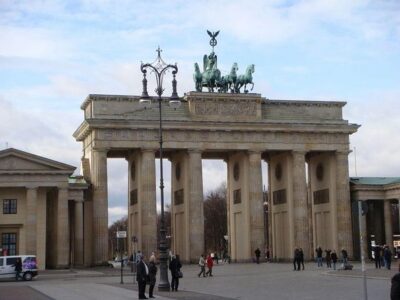
- Entering the Story at Brandenburg Gate
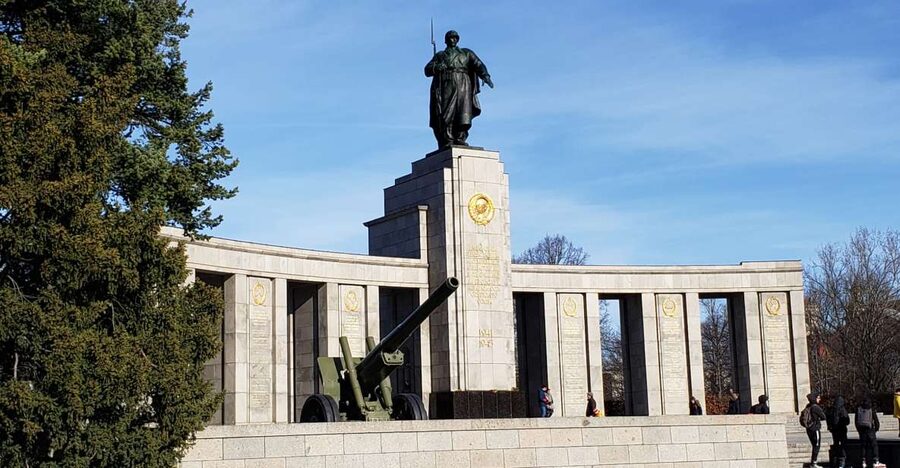
- Soviet War Memorial in Tiergarten: A Shift You Can See
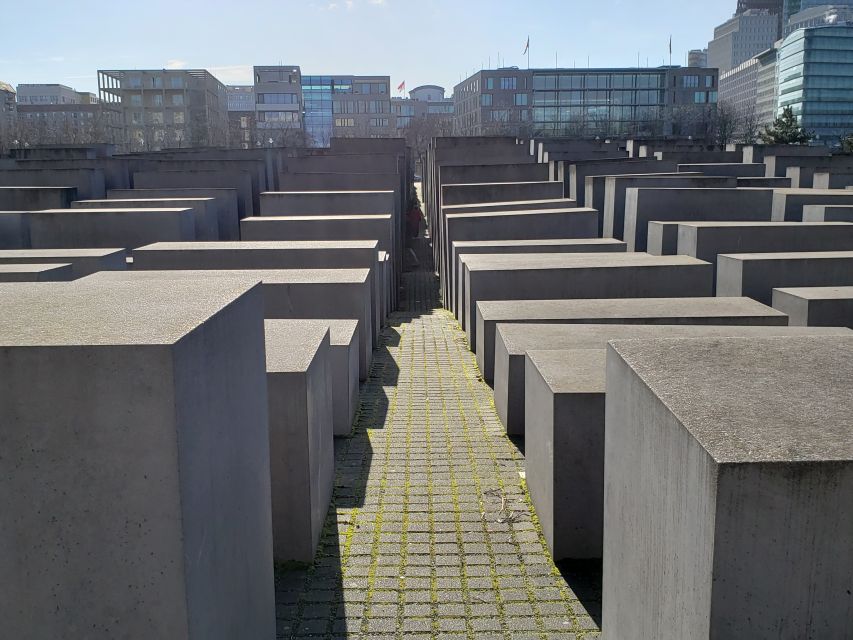
- The Holocaust Memorial: Walking Through 2,710 Stelae
- Holocaust Memorial Neighbors: Other Victim Memorials You Shouldn’t Miss
- Third Reich Government District: Where Power Was Built
- Topography of Terror: The SS and Gestapo Footprint in Open Air
- Hitler’s Bunker Site: Where the Reich Ended
- What the Guide Brings: Clear Explanations and Old Photos
- Price and Value for a Private 2-Hour Walk
- Who This Tour Suits Best (And Who Might Want Another Option)
- Should You Book This Berlin Third Reich Walking Tour?
- FAQ
- Where does the tour start?
- How long is the Berlin Hitler and the Third Reich private walking tour?
- Is this a private tour?
- What languages are available?
- Which places are included in the route?
- Is the tour wheelchair accessible?
- Are entrance fees included?
- What should I bring for the walk?
- Can I cancel for a full refund?
Key Things You’ll Notice on This Walk
- Starting at Brandenburg Gate to frame how regimes used symbols and public space
- Holocaust Memorial’s 2,710 stelae and the way the layout changes how you experience the ground
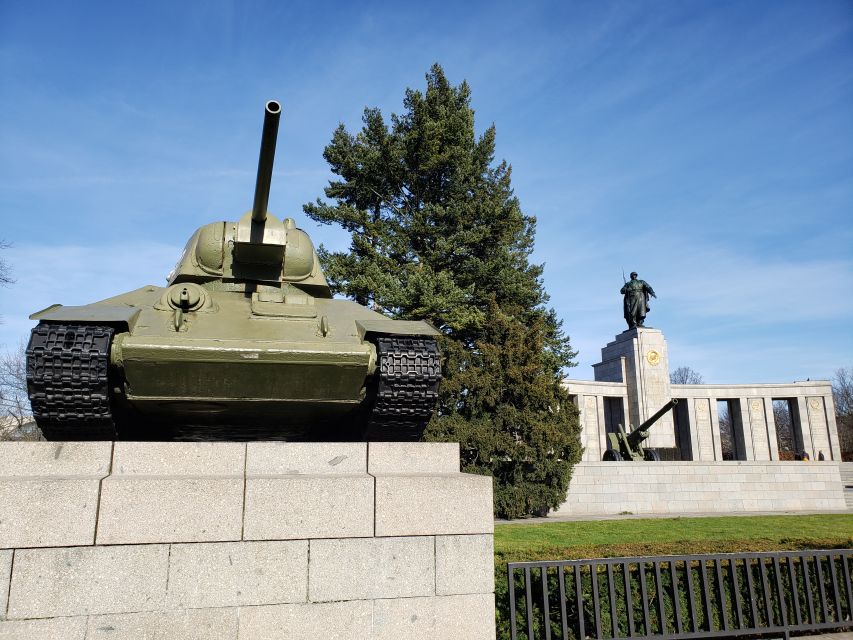
- Tiergarten’s Soviet War Memorial next to leafy city calm that contrasts with wartime meaning
- Original Third Reich-era site locations, including the former Propaganda Ministry area
- Topography of Terror, an open-air documentation center tied to the SS and Secret State Police sites
- The bunker site location, where the Third Reich’s last chapter ends
More walks through Berlin's wartime history
- Berlin: Third Reich & Cold War Guided Walking Tour★ 4.9 · 8,378 reviews
- Berlin’s Best: 2 Hour Walking Tour Third Reich and the Cold War★ 5.0 · 5,486 reviews
- Third Reich Berlin: Hitler and WWII Walking Tour★ 5.0 · 3,301 reviews
- Berlin: Third Reich, Hitler, and WWII Walking Tour★ 4.9 · 1,757 reviews
Entering the Story at Brandenburg Gate
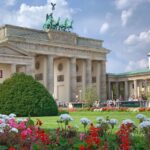
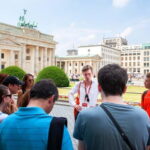
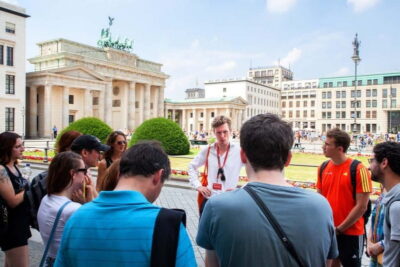
The tour begins at the Brandenburg Gate, in front of the tourist information center. It’s a smart choice because Berlin’s most famous postcard landmark isn’t just pretty—it’s a symbol Berlin keeps reinventing for new political realities. Starting here helps you get your bearings fast before the tour shifts into places that are less visually dramatic but historically crucial.
From the start, you’re not only looking at buildings and monuments. You’re learning how power moved through the city: where officials gathered, where ideology was broadcast, and how state violence was organized. That framing matters because Berlin’s physical layout can otherwise make the Nazi era feel like a few isolated sites rather than a system.
Because this is a private walking tour, the guide can match explanations to your pace. If you want more context, you’ll get it. If you need a slower rhythm, you can ask for it. Either way, the 2-hour length keeps you from burning a full day on one theme.
Soviet War Memorial in Tiergarten: A Shift You Can See
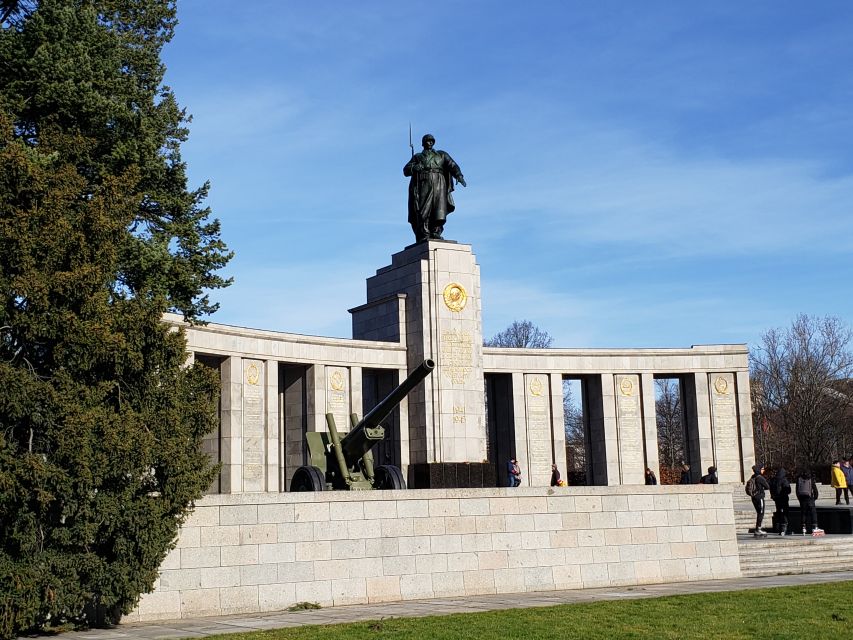
One of the first major waypoints after the start is the Soviet War Memorial in Tiergarten. This stop feels almost surreal if you’re expecting the tour to stay locked in the 1930s and 1940s. Instead, you see a towering memorial in a park setting—leafy, walkable, and very “normal” on the surface.
That contrast is the point. Berlin didn’t just change leaders; it changed narratives. The Soviet presence is part of how the city’s meaning was rewritten after the war. Seeing the memorial before you reach the Holocaust Memorial and the Nazi sites helps you understand the timeline as something layered: occupation, liberation, rebuilding, and then, decades later, memory culture.
Practical tip: Tiergarten is easy to walk through, but you’ll still want comfortable shoes. Even in a short tour, Berlin ground can be uneven, and you’ll be moving steadily between stops.
The Holocaust Memorial: Walking Through 2,710 Stelae
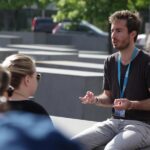
Next comes the heart of the moral weight of this route: the Memorial to the Murdered Jews of Europe. The memorial is made up of 2,710 concrete stelae, and the guide’s job is to help you experience what that design is doing, not just recite facts.
I like that the tour treats the memorial as more than a photo stop. When you walk through the fields of stelae, the experience changes your sense of direction and visibility—so it becomes less about looking and more about being inside the space. That’s exactly why this place matters. It forces you to feel the disorientation and fragility of human life in a way that plain timelines can’t always achieve.
This is also the moment where most people slow down mentally. You may want to take an extra breath before continuing. The guide’s tone and pacing here are crucial, and the private format helps keep the moment from feeling rushed.
Because this is a walking tour, you’ll also get to move along the memorial area as you learn what’s around it: other memorials and the broader landscape of remembrance near it.
Holocaust Memorial Neighbors: Other Victim Memorials You Shouldn’t Miss
On the way toward the Third Reich sites, the route passes additional memorials, including ones dedicated to the murdered Roma and Sinti. This matters because Nazi persecution wasn’t limited to one group, and Berlin’s memorial landscape reflects that. Seeing these sites close together helps you understand that the city is holding multiple memories at once.
The practical benefit is simple: you don’t have to hunt for these locations on your own. The guide keeps the connections clear—who was targeted, how the regime justified it, and how remembrance shows up in public space today.
If you’re sensitive to heavy topics, consider bringing a bottle of water and a moment to pause when needed. There’s no shame in taking 30 seconds to reset.
More of Berlin on foot

Third Reich Government District: Where Power Was Built
The next phase shifts from memorial space back into the machinery of the Nazi state. The tour moves through the former government district of the National Socialists and highlights key locations tied to the regime’s rise.
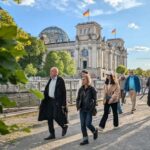
You’ll pass the former site of the Propaganda Ministry, see the former Reich Aviation Ministry built for Göring, and walk near where the SS and Secret State Police buildings once stood. These aren’t “museum exhibits” in the usual sense. They’re sites in a living city, which makes the experience more unsettling—and more real.
Here’s why I think this part is so valuable: the Nazi state wasn’t only violence. It was also branding, bureaucracy, technology, and performance. When you connect propaganda infrastructure to administrative ministries and security services, you see the regime as a system rather than a collection of famous names.
The former government district also gives you scale. Berlin’s streets and building forms help you picture how quickly an ideology can turn into policy when the organization is built into everyday governance.
One consideration: if you’re expecting “Hitler sightseeing” in the simple, dramatic sense, this section may feel more administrative than cinematic. But that’s often the point. Understanding the machinery is what makes the later stops—like the bunker site—hit harder.
Topography of Terror: The SS and Gestapo Footprint in Open Air
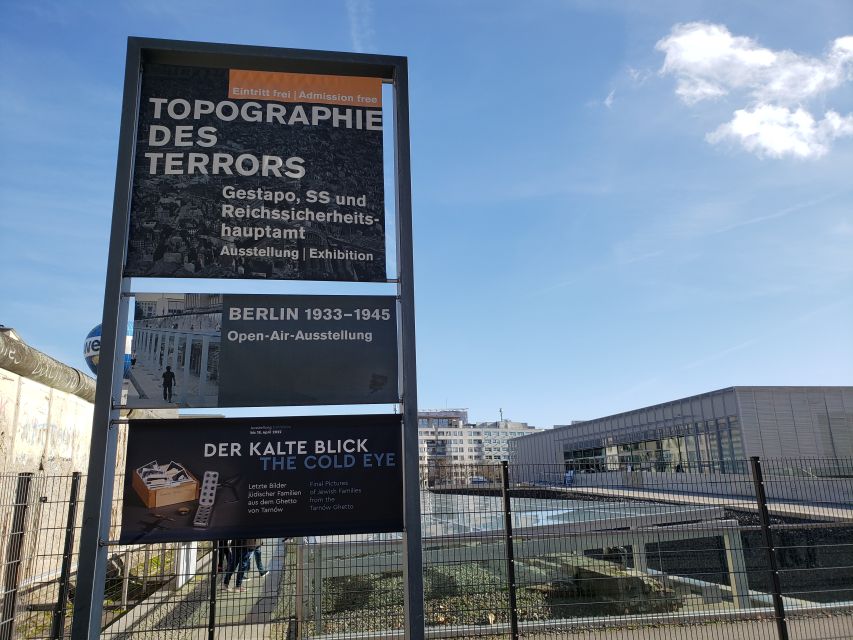
A major anchor of the tour is Topography of Terror, specifically the site connected to the SS and Secret State Police. You’ll discover the former locations of these institutions through an open-air documentation setup.
This is one of those places where the city layout helps you understand what happened, because you’re not just reading panels in a building. You’re walking alongside the footprint where the institutions operated. That physical proximity changes the way you absorb the information.
I also like that the tour uses this stop to connect what you just learned about the Nazi state’s structure with what came before and after. You don’t just get the “Nazi bad” message. You get a sense of how terror was organized and how it became part of the state’s routine function.
Another plus: the tour finishes at Topography of Terror, which means you can take your time at the end rather than feeling like you have to sprint to catch the last minute of a museum visit.
Hitler’s Bunker Site: Where the Reich Ended
No part of the tour is more intense than the stop that places you above the former site of Hitler’s bunker. This is where you learn about the last days of his life and the moment when the Third Reich ended.
Being on the ground where something so final happened can be emotionally heavy, even if you know the story already. What makes it useful on a walking tour is that you’re not separated from the city by glass. You’re seeing how the world kept going, and the regime’s end sits inside modern Berlin’s daily routes.
I like how the guide’s approach connects the end of Hitler’s story to the broader collapse of Nazi structures. You’re not only learning what happened to one person. You’re understanding what it meant for the system—and why it mattered to everyone who survived and rebuilds memory afterward.
Practical consideration: this area can be windy or weather-exposed depending on your timing, so dress for Berlin weather even if the day looks mild.
What the Guide Brings: Clear Explanations and Old Photos
The quality of this tour is tightly linked to the guide. A highlight from past participants is the way Stefan leads the walk with clear, easy-to-follow explanations and strong pacing. One standout detail: he’s been praised for bringing pictures showing locations as they were years ago.
That photo element matters because Berlin’s “now” can be misleading. You look at streets and think, Not much has changed. But with historical visuals, you can place what’s missing and what used to dominate the skyline. It helps you build mental models of the Third Reich’s real footprint.
In a private setting, this also means the story can click at your speed. If something doesn’t land, you can ask, and the guide can adjust the explanation without the pressure of a large tour group.
Price and Value for a Private 2-Hour Walk
At about $22 per person for a 2-hour private walking tour, the value is strong—especially for Berlin, where many “theme” experiences cost more and still keep you in a large group.
The price makes sense because you’re paying for more than route guidance. You’re paying for interpretation at key sites tied to mass murder, state bureaucracy, and regime collapse—plus the convenience of not having to connect those locations yourself across the city.
You should expect the core stops to be outside and walking-based, with entrance fees not included. So think of the $22 as the human guide and the route logic, not as “museum tickets included.” For people who want a focused, city-level understanding in a short time window, it’s a good deal.
Who This Tour Suits Best (And Who Might Want Another Option)
This tour is ideal if you want:
- A guided, private way to understand how the Third Reich operated inside Berlin
- A structured walk that includes the Holocaust Memorial, Hitler’s bunker site, and Topography of Terror
- Clear context that reaches beyond Nazi years into Berlin’s later memory and Cold War layers
It may be less ideal if you’re looking for lighter sightseeing or mostly photo opportunities. The material is tied to atrocity and political terror, and the stops are chosen for meaning, not entertainment.
If you’re visiting Berlin for the first time and only have a short window, this is a good “systems view.” If you’re already deep into history, you’ll still benefit from the city connections—but you might want to pair it with a longer museum day afterward.
Should You Book This Berlin Third Reich Walking Tour?
Yes, if you want a structured, guided walk that connects major memorials, Third Reich government footprint locations, and the documentation center at Topography of Terror—all without turning it into a full-day logistics puzzle. The private format and the reported guide quality (including clear explanations and historical photos) are the big reasons I’d book it.
Book it with realistic expectations: it’s short, and it’s serious. Bring comfortable shoes and water, and dress for Berlin weather. If you can handle heavy topics with care, this tour gives you a clear, grounded way to understand how Berlin remembers—and how the city physically holds that past.
FAQ
Where does the tour start?
Meet your guide at the Brandenburg Gate, in front of the tourist information center. The guide will have a sign with your name written on it.
How long is the Berlin Hitler and the Third Reich private walking tour?
The tour duration is 2 hours.
Is this a private tour?
Yes, it’s a private group walking tour.
What languages are available?
The live tour guide is available in German and English.
Which places are included in the route?
You’ll visit or see the Brandenburg Gate area, the Soviet War Memorial in Tiergarten, the Holocaust Memorial, Hitler’s bunker site, and the documentation center area of Topography of Terror. The route also includes original Third Reich sites such as the former Propaganda Ministry and the former site of the SS at Topography of Terror.
Is the tour wheelchair accessible?
Yes, it is wheelchair accessible.
Are entrance fees included?
No. Entrance to attractions is not included.
What should I bring for the walk?
Bring comfortable shoes, water, and weather-appropriate clothing.
Can I cancel for a full refund?
Yes. Free cancellation is available up to 24 hours in advance for a full refund.
More Tours in Berlin




More Tour Reviews in Berlin

Berlin's Wartime History
Round out your days in Berlin
Third Reich & WWII History, compared.
 ★ 4.9Third Reich & Cold War Guided Walking TourFrom $238,378 reviews
 ★ 5.0Berlin’s Best: 2 Hour Walking Tour Third Reich and the Cold WarFrom $245,486 reviews
 ★ 5.0Third Reich Berlin: Hitler and WWII Walking TourFrom $243,301 reviews
 ★ 4.9Third Reich, Hitler, and WWII Walking TourFrom $191,757 reviews
 ★ 5.0Berlin Third Reich Sites: Half-Day Walking TourFrom $21835 reviews
 ★ 4.7History of the Third Reich Guided Walking TourFrom $30791 reviews
 ★ 4.8The Wall and Third Reich Guided Bike TourFrom $41578 reviews
 ★ 4.8Hitler’s Germany: Berlin During the Third Reich & WWIIFrom $23476 reviews
Browse the lists this tour appears in