
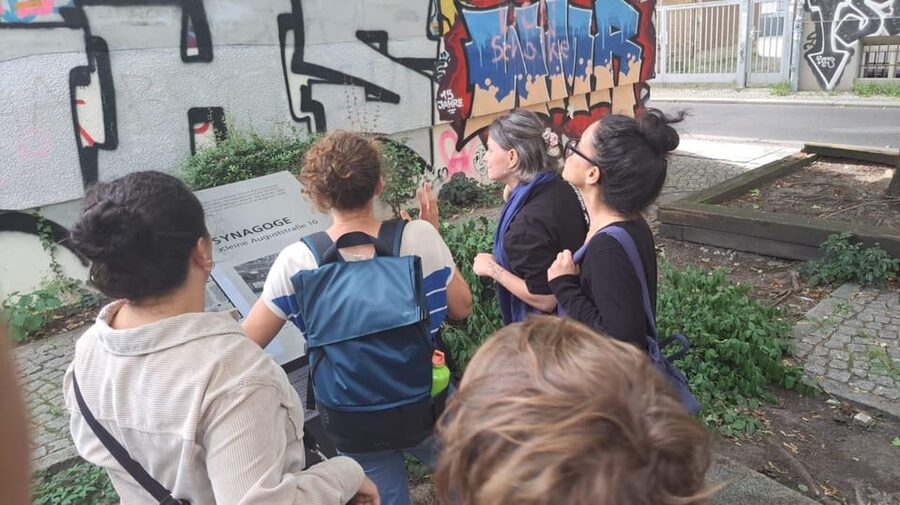
REVIEW · THIRD REICH & WWII HISTORY
Berlin: Jewish Walking Tour including World War II
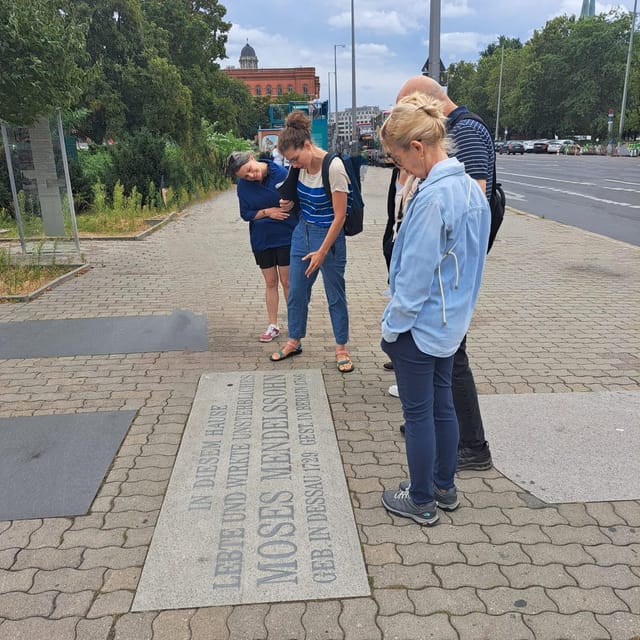
Berlin’s Jewish story has two speeds: light and loss. This walk threads the rise of a community, its devastation in WWII, and what Berlin does today with memory. I like how it connects Moses Mendelssohn to the physical sites that still matter, and I also value the stop at the Otto Weidt Workshop museum, where rescue efforts become real and specific. The only real drawback is emotional heaviness plus steady walking for about 3.5 to 4 hours.
Tal, the guide, is a certified Berlin guide (Berlin Guides Association) and leads in English and Hebrew. I appreciate the mix of story-telling and professional depth, including Tal’s work on how German medical institutions faced their past in the 1930s and 1940s. If you want facts plus human context, this format is a good match.
You meet near Hackescher Markt in Mitte (in front of Starbucks) and you end at the Memorial Jewish Cemetery. You’ll get a short break, and you can extend the tour with extra memorial stops if you want more weight on deportations, Kindertransport, or cemeteries.
In This Review
- Key takeaways from this Berlin Jewish history walk
- Why Mitte is the right place to start
- Hackescher Markt and the 17th-century re-establishment
- The 1943 Block of Women stop and what the guide makes personal
- Otto Weidt Museum: learning how people tried to save lives
- Old Jewish Cemetery and the first synagogue sites
- The New Synagogue Berlin: the golden era and the break
- Community institutions in Mitte: schools and everyday life
- Moving west and the arrival of the Ostjuden
- Optional extensions for deeper focus
- Price and what you’re really paying for at $318
- Practical tips so the tour feels good in real life
- Should you book this Berlin Jewish Walking Tour?
- FAQ
- Where is the meeting point and where does the tour end?
- How long is the tour?
- What’s included in the price?
- Are there any fees or tickets not included?
- Can I add extra stops?
- Is the tour wheelchair accessible?
Key takeaways from this Berlin Jewish history walk
- Start at Hackescher Markt in Mitte where many Jewish community institutions clustered
- Follow the arc from the 1600s rebuild to the WWII catastrophe
- See the Otto Weidt Museum stop with an included entry ticket on open days
- Stand at memorials tied to specific moments in 1943 and the Holocaust
- Visit both older roots (old synagogue/old cemetery) and the better-known New Synagogue site
- Add optional extensions like Schönhauser Allee Cemetery, Kindertransport, or Grunewald deportation memorials
More walks through Berlin's wartime history
- Berlin: Third Reich & Cold War Guided Walking Tour★ 4.9 · 8,378 reviews
- Berlin’s Best: 2 Hour Walking Tour Third Reich and the Cold War★ 5.0 · 5,486 reviews
- Third Reich Berlin: Hitler and WWII Walking Tour★ 5.0 · 3,301 reviews
- Berlin: Third Reich, Hitler, and WWII Walking Tour★ 4.9 · 1,757 reviews
Why Mitte is the right place to start
Mitte is where Berlin’s Jewish story becomes visible fast. You’re walking through an area tied to community institutions, schools, and public life, not just museums and isolated plaques. The tour’s meeting point near Hackescher Markt puts you where many of those stories gathered.
The route also helps you see how geography changes meaning. A Berlin neighborhood can feel like ordinary streets, then the guide points to names, buildings, and memorials that turn the same sidewalk into a timeline. That’s the big value here: you’re not only learning what happened; you’re learning how the city remembers it.
Hackescher Markt and the 17th-century re-establishment
You begin at Starbucks in Mitte and then head into Hackescher Markt, described as a focal point for Ostjuden—Eastern European Jews—who sought refuge in Berlin from pogroms. Even early in the walk, the guide sets up a key idea: Jewish life in Berlin wasn’t one single chapter. It grew, shifted, and sometimes conflicted internally as the city changed.
You also hear about the community’s re-establishment in the second half of the 17th century, with Moses Mendelssohn as a thread in that story. The tour doesn’t treat him like a distant name in a textbook. Instead, you connect the intellectual and cultural “golden era” to places you’ll visit later, including cemeteries tied to early community life.
The 1943 Block of Women stop and what the guide makes personal
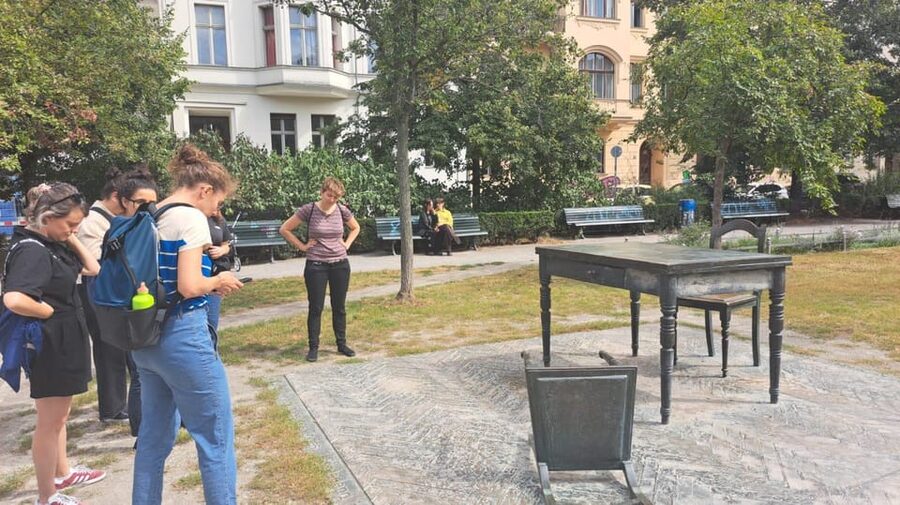
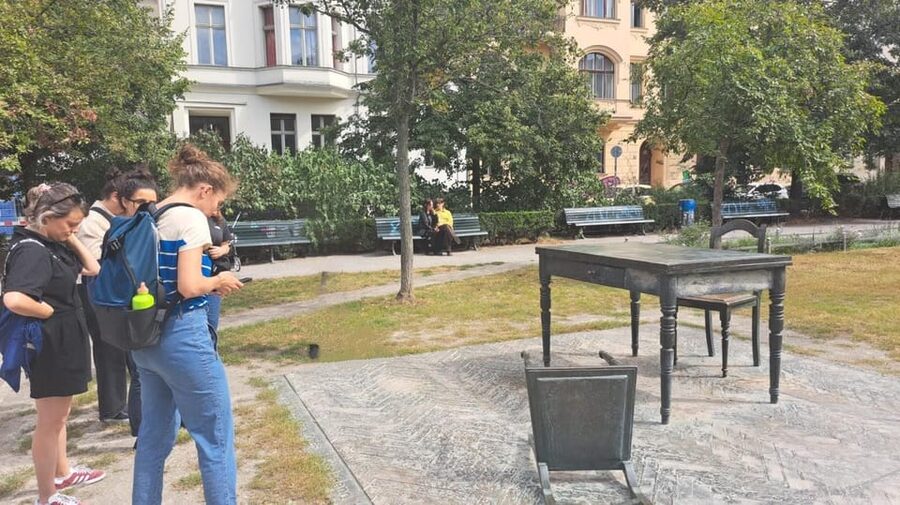
One of the most affecting parts of the walk is the section tied to women’s protest in 1943, often associated with the Block of Women. You’ll spend dedicated time here because this wasn’t just tragedy; it was resistance and agency inside an impossible situation.
Next, you’ll also visit the Rosentalstrasse Monument, which centers that protest and its meaning. The guide’s approach matters at stops like this. Instead of rushing, Tal slows the story down so you understand why a single protest can represent a whole pattern of courage and brutality.
Practical note: these are heavy moments. If you’re sensitive to Holocaust-era history, plan to take it at your pace and use the short break when you need it.
Otto Weidt Museum: learning how people tried to save lives
The walk includes the Otto Weidt Workshop for the Blind, and the entry ticket is included on days the museum is open. This is one of the stops that turns historical facts into something you can stand beside and think about directly.
What makes it valuable is the balance: you get rescue efforts during the Holocaust, not only the machinery of persecution. The guide connects Otto Weidt’s work to the wider community story so it doesn’t feel like a random side anecdote. It fits the tour’s overall arc—from rebuilding, to flourishing, to collapse, and finally to what people did in the darkest years.
This is also a good “reset” stop emotionally. It’s still painful, but it adds a thread of moral action rather than only loss.
More of Berlin on foot


Old Jewish Cemetery and the first synagogue sites
After the wartime focus, the tour returns to the earlier foundations. You’ll visit the Old Jewish Cemetery, described as the community’s first cemetery, where Moses Mendelssohn is buried. The included entry ticket (except on Jewish holidays and Saturday) matters here because you’re not just seeing an exterior marker—you’re walking into a living layer of memory.
You’ll also see the site of the community’s first synagogue. That matters because it anchors the story in religious life and community organization, not only political events. Berlin’s Jewish experience wasn’t only about catastrophe; it also involved worship, education, and the daily work of staying connected.
If you’re the type who likes to know where names belong, this portion delivers. It’s the part of the tour that makes the timeline feel physical.
The New Synagogue Berlin: the golden era and the break
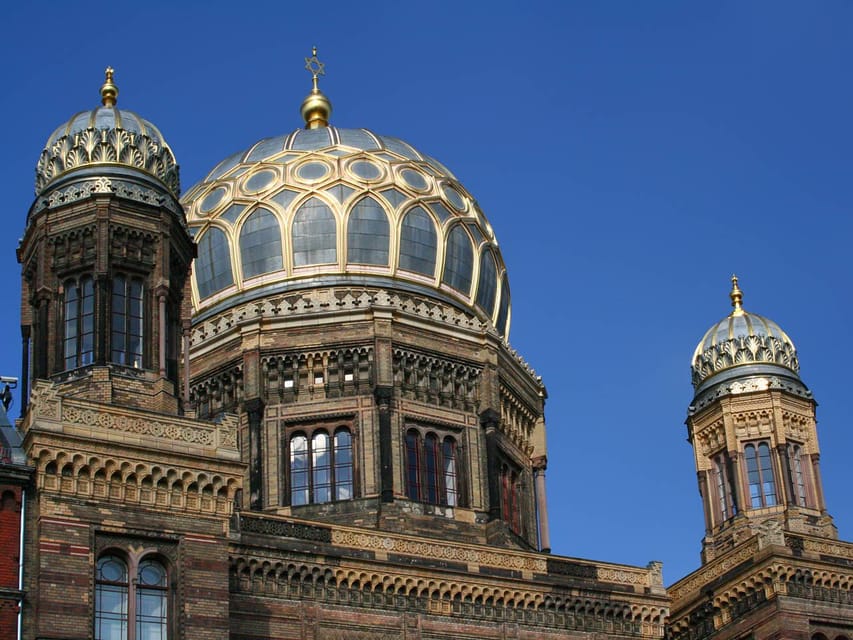
You’ll spend time at the New Synagogue Berlin – Jewish Centre. From the outside, the guide explains why this building signals the community’s golden era—and also the fall that followed. You’re learning how architecture can carry both pride and warning.
One practical catch: the tour notes that Centrum Judaicum in the new synagogue is separate and requires its own ticket. So if you’re hoping for full interior museum time, you’ll want to plan for that outside this walking package.
Even without buying extra museum entry, the stop works well because it ties together earlier themes: community visibility, cultural confidence, and then how quickly everything can be stripped away.
Community institutions in Mitte: schools and everyday life
A big reason this tour feels more real than a one-note memorial walk is the way it points out community institutions. You’ll hear about places like the Mendelssohn School and girls’ school, along with other relevant buildings in Mitte. These details help you picture Jewish life as more than religious rituals and wartime history.
This is also where Tal’s professional background shows in the storytelling. The tour keeps pointing back to institutions and how they behave under pressure—how systems can be protected, neglected, or actively harmed. You don’t have to visit a hospital or courthouse to understand that angle. The guide’s expertise helps you connect the dots between “what happened” and “how it was allowed to happen.”
Moving west and the arrival of the Ostjuden
Another theme you’ll hear clearly is the community’s shift toward the west of the city, plus the arrival of the Ostjuden. This part is important because it gives you context for why Berlin’s Jewish population changed over time, and how newcomers were received within the existing community.
The guide also addresses internal complexity: splits within the community in the 19th century tied to ideas and practices (including the organ issue), and an embarrassment among some German Jews about the arrival of Eastern European Jews. You might not expect a walking tour to cover these social tensions, but it’s precisely the kind of detail that makes the story more honest and less simplified.
If you only want a straight line from success to destruction, you can still follow it. But if you want the human messiness that history actually includes, this section is a big plus.
Optional extensions for deeper focus
You can extend the walk with extra time and cost, adding memorial and cemetery sites that match your interests. The tour lists several strong options:
- Schönhauser Allee Cemetery (final resting place of famous figures from the community’s golden era)
- Kindertransport Memorial at Friedrichstraße Station
- Grunewald Deportation Memorial, connected to the deportation of Berlin’s Jews
These extensions let you shape your own emphasis. Want more on the pre-war era and who the community produced? Add the cemetery option. Want the refugee story and rescue pathways in the years leading up to WWII? Choose the Kindertransport stop. Want the deportation story made visible? Go for the Grunewald memorial.
Price and what you’re really paying for at $318
At $318 per person, this isn’t a budget “chat on the sidewalk” tour. You’re paying for a guided walk that includes paid entry to the Otto Weidt Museum (except closures) and entry to the Old Jewish Cemetery (except Jewish holidays and Saturday). That matters in Berlin, because museum and cemetery access can be the difference between a quick exterior stop and a meaningful interior moment.
You’re also paying for a guide with certification from the Berlin Guides Association and a strong command of both English and Hebrew. Tal’s professional background adds weight to how institutions and historical systems are explained, not only what happened in general.
If you’d rather spend less and do only free exterior viewing, you could build a DIY route. But if you want paid-site access plus a guide who can connect it into one coherent story, the price starts to make sense.
Practical tips so the tour feels good in real life
This is a walk, so comfort counts.
- Wear comfortable shoes and plan for up to about 3.5 to 4 hours on your feet.
- Bring water, and check the weather forecast.
- The tour suggests a hat and a head covering or kippah, which is a nice sign of respect at religious sites.
Rules are straightforward: no smoking and no flash photography.
One more useful thing: it’s listed as a private group and includes a short break. That helps you control the pace, ask questions, and keep from feeling like you’re being rushed through grief.
Should you book this Berlin Jewish Walking Tour?
Book it if you want a guided, site-based story that connects Mitte institutions, the old roots of Berlin’s community, the WWII collapse, and how memory is marked today. It’s especially worth it if you care about details like Mendelssohn’s place in the story and the rescue narrative connected to Otto Weidt.
Skip it (or at least think hard first) if you’re not ready for Holocaust-era material while walking. The route covers tragedy directly, and it’s not designed as an upbeat history stroll.
FAQ
Where is the meeting point and where does the tour end?
You meet in front of Starbucks in Mitte. The activity ends back at the meeting point.
How long is the tour?
The tour lasts about 3.5 to 4 hours (3.5 hours listed, with timing shown when you check availability).
What’s included in the price?
The price includes a walking tour with a guide, entry tickets to the Otto Weidt Museum (when open), and entry to the old cemetery (except Jewish holidays and Saturday).
Are there any fees or tickets not included?
Meals and drinks are not included. Centrum Judaicum (in the new synagogue area) is listed as separate and requires its own ticket.
Can I add extra stops?
Yes. There’s an optional extension where you can add sites such as Schönhauser Allee Cemetery, the Kindertransport Memorial at Friedrichstraße Station, and the Grunewald Deportation Memorial, depending on your interests.
Is the tour wheelchair accessible?
The information includes wheelchair accessible, but it also notes it is not suitable for wheelchair users. I’d check directly with the provider before booking if wheelchair use is a concern.
More Tours in Berlin





More Tour Reviews in Berlin

Berlin's Wartime History
Round out your days in Berlin
Third Reich & WWII History, compared.
 ★ 4.9Third Reich & Cold War Guided Walking TourFrom $238,378 reviews
 ★ 5.0Berlin’s Best: 2 Hour Walking Tour Third Reich and the Cold WarFrom $245,486 reviews
 ★ 5.0Third Reich Berlin: Hitler and WWII Walking TourFrom $243,301 reviews
 ★ 4.9Third Reich, Hitler, and WWII Walking TourFrom $191,757 reviews
 ★ 5.0Berlin Third Reich Sites: Half-Day Walking TourFrom $21835 reviews
 ★ 4.7History of the Third Reich Guided Walking TourFrom $30791 reviews
 ★ 4.8The Wall and Third Reich Guided Bike TourFrom $41578 reviews
 ★ 4.8Hitler’s Germany: Berlin During the Third Reich & WWIIFrom $23476 reviews
Browse the lists this tour appears in