
REVIEW · KREUZBERG & ALTERNATIVE DISTRICTS
Berlin: Old Neukölln Private Walking Tour
Old Neukölln has a way of surprising you. This private walking tour zeroes in on the Richardplatz village feel and the Czech-Bohemian threads that shaped Rixdorf and Neukölln. You’ll hear how a district gets labeled, then how the real story complicates it.
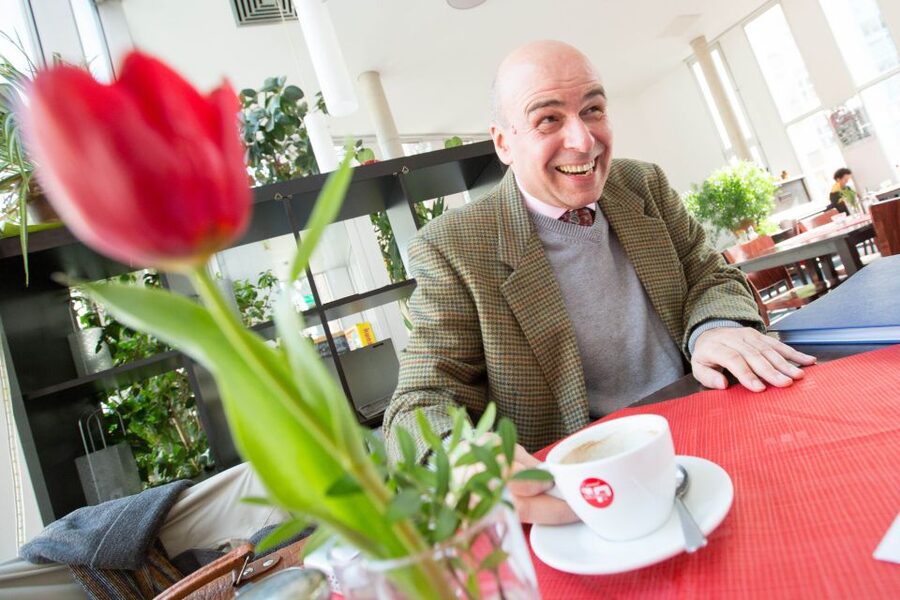
What I like most is the guide: Reinhold Steinle (a Berliner at heart, guiding since 2008) brings sharp humor and clear storytelling. Second, I love the mix of everyday modern life with specific local history at stops like Bethlehemskirche and Böhmische Gottescaker, not just generic “Berlin stuff.”
One drawback to consider: it’s not suitable for people with mobility impairments, so plan on a standard walking pace and uneven sidewalk terrain.
In This Review
- Key things to watch for on this Old Neukölln tour
- Neukölln, but told like a local neighborhood
- Meet Reinhold Steinle at Richardplatz 22
- Richardplatz: the village atmosphere you don’t expect
- Bethlehemskirche and the Czech-Bohemian center of gravity
- Böhmischer Platz, Böhmische Gottescaker, and the Bohemian village story
- Rixdorf fires: when disaster reshapes a neighborhood
- Renaming, Czech partnerships, and the politics of belonging
- KGB44 and Friedrich Wilhelm I Memorial: power history in the seams
- Richardstraße, Old Bohemian schoolhouse, and Comenius Garten
- Who this walk is best for (and what you’ll get out of it)
- Price and value: $70 for up to 6 people
- Should you book this Berlin Old Neukölln Private Walking Tour?
Key things to watch for on this Old Neukölln tour
- Richardplatz: a “small-town” square inside the middle of Berlin
- Bethlehemskirche: a focal point for the Czech-Bohemian past
- Rixdorf fires and renaming: how the district changed through real events
- Bohemian village landmarks: Böhmischer Platz, Böhmische Gottescaker, and more
- KGB44 and Berlin memorial layers: history outside the obvious tourist path
Deeper into Kreuzberg and the eastern districts
- Berlin: Kreuzberg Guided Walking Evening Tour★ 4.7 · 555 reviews
- Berlin: Alternative Bike Tour of Kreuzberg & Friedrichshain★ 4.7 · 548 reviews
- Berlin: 2.5-Hour Walking Tour through Kreuzberg 61★ 4.9 · 525 reviews
- Berlin Off-the-Beaten-Path Walking Tour: Kreuzberg, Mitte and Friedrichshain★ 5.0 · 412 reviews
Neukölln, but told like a local neighborhood
Neukölln can take a lot of heat in casual conversation, and that’s exactly why this kind of walk matters. The goal here isn’t to sanitize the past or ignore the present. It’s to show how many different stories are packed into the same streets, and how quickly an area’s reputation can flatten the truth.
You’re also getting a tour with an agenda, in a good way. Reinhold Steinle’s message is basically: forget the easy image and look closer. He uses a motto along the lines of someone has to do it, and he guides with the belief that everyone can connect to Neukölln. That comes through in how he talks, and in how the stops connect like a story you can walk through.
Meet Reinhold Steinle at Richardplatz 22
The meeting point is Richardplatz 22, right next to the small church. That matters because this tour starts where the neighborhood “feels” most like itself: an everyday square where you can orient quickly before the history starts stacking up.
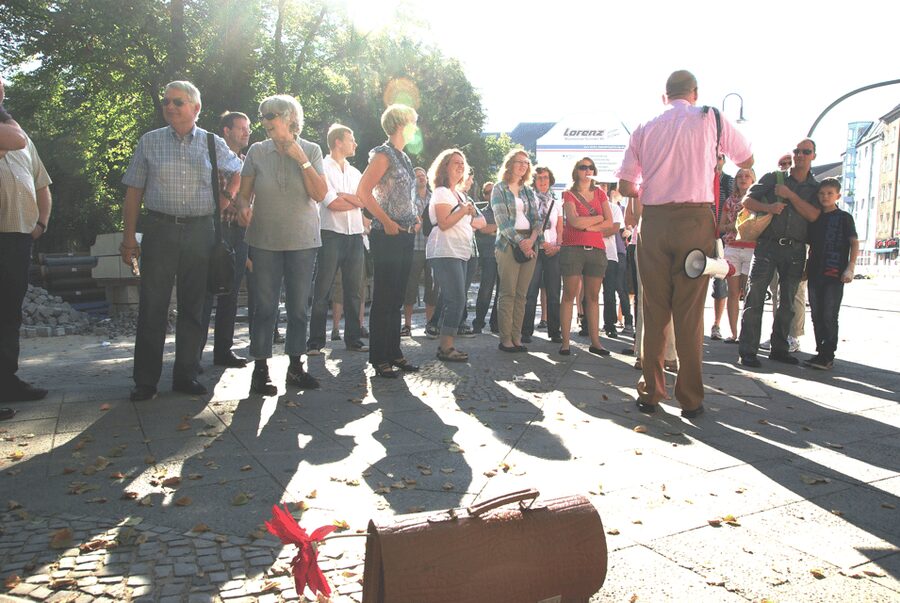
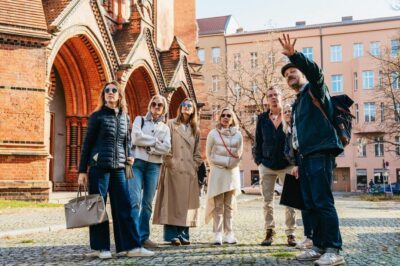
This is a private group format with a group size up to 6. That changes the whole feel. You can ask questions in real time, and the guide can adjust the pace if you want more detail on, say, the Czech side of Rixdorf or the darker chapter around historic fires.
The tour runs 90 minutes and is guided live in German. If you’re comfortable with basic German, you’ll get more out of it. If not, the structure is still clear because the sights are concrete and the stories are tied to specific places.
Richardplatz: the village atmosphere you don’t expect
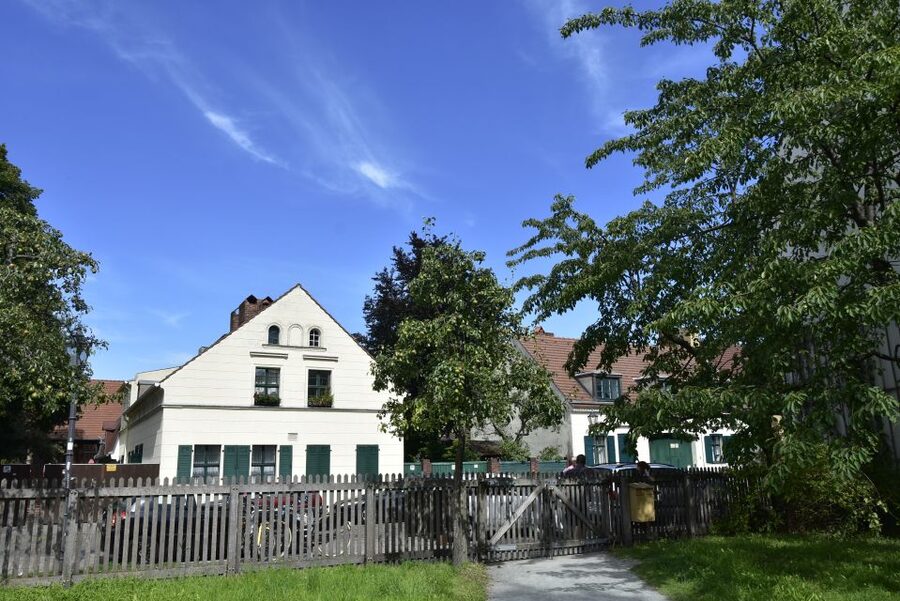
Richardplatz is where I’d start if you want to understand why this tour feels different from a typical sightseeing walk. You’re not rushing from famous landmark to famous landmark. Instead, you’re standing in a square that has the feel of a neighborhood gathering place—almost like the center of a small town.
From here, the tour’s “time machine” approach clicks. You start with what’s in front of you now—streets, buildings, the small church nearby—and then the guide walks you backward through the district’s layers. It’s a simple method, and it works because you’re constantly anchoring history to a physical location.
If you like tours where you can look up and figure out the geography as you go, this one plays to that strength. Richardplatz becomes your reference point, so later stops feel connected instead of random.
Bethlehemskirche and the Czech-Bohemian center of gravity
A major focus is Bethlehemskirche (Bethlehem Church). This isn’t presented as an isolated monument. It’s part of a broader storyline tying religious life, community identity, and the Czech-Bohemian presence in the Rixdorf area.
As you move through the tour, you’ll also hear about named historical figures and local references that help you connect the dots. The tour includes points such as Jan Hus and other Czech-linked references that explain why the neighborhood’s identity wasn’t just “Berlin.” It was also shaped by people who brought their own traditions and institutions.
One of the best parts of this stop is how it gives you a way to read the street scene. Even if you don’t memorize every name, you’ll leave knowing what to look for: symbols, community spaces, and why certain squares and church-related areas mattered.
More of Berlin on foot

Böhmischer Platz, Böhmische Gottescaker, and the Bohemian village story
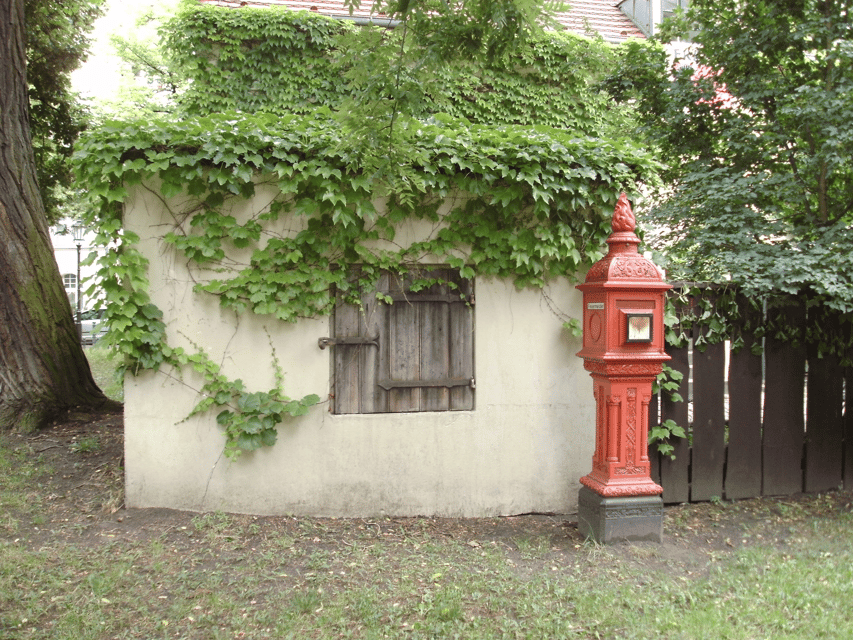
The tour leans heavily into the idea of Bohemian village life within Berlin’s city fabric. You’ll visit Böhmischer Platz and Böhmische Gottescaker, along with several other Bohemian-linked stops described along the route.
What you’re really learning here is how place names and community infrastructure work. When a community is strong enough, it leaves language, schools, gardens, and gathering spaces behind. And when it’s displaced or transformed, the traces don’t vanish overnight. They shift—sometimes through renaming, sometimes through rebuilding, sometimes through institutional memory.
That’s why the tour highlights things like Renaming in Neukölln and the Evacuation of the Bohemians. These aren’t just dramatic headlines. They explain why the neighborhood’s map and identity feel layered today. You see the logic behind how the area evolved, rather than treating history as a list of dates.
If you’ve ever walked in Berlin and wondered how you’re supposed to connect the dots, this is the part that teaches you the method.
Rixdorf fires: when disaster reshapes a neighborhood
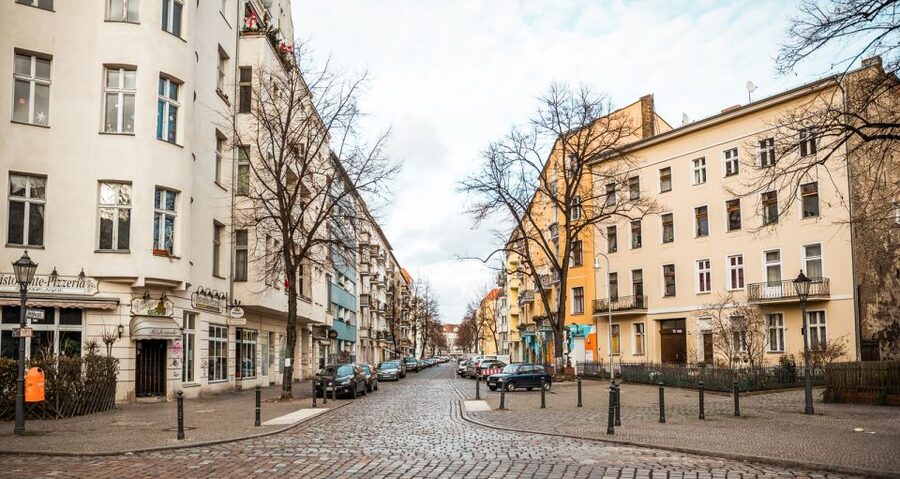
The tour includes the fires in Rixdorf, and this is one of those history moments that changes your perspective quickly. Fire is one of those events that can erase buildings, reset neighborhoods, and force new decisions about what gets rebuilt and what gets preserved.
In practical terms, you’ll walk away thinking differently about the streets. Instead of assuming the district’s layout formed naturally over centuries, you’ll understand how shocks can redirect development and community life.
That’s also why this tour refuses to treat Old Neukölln as a costume. The story connects to the present by showing how events and policies can leave a long shadow.
Renaming, Czech partnerships, and the politics of belonging
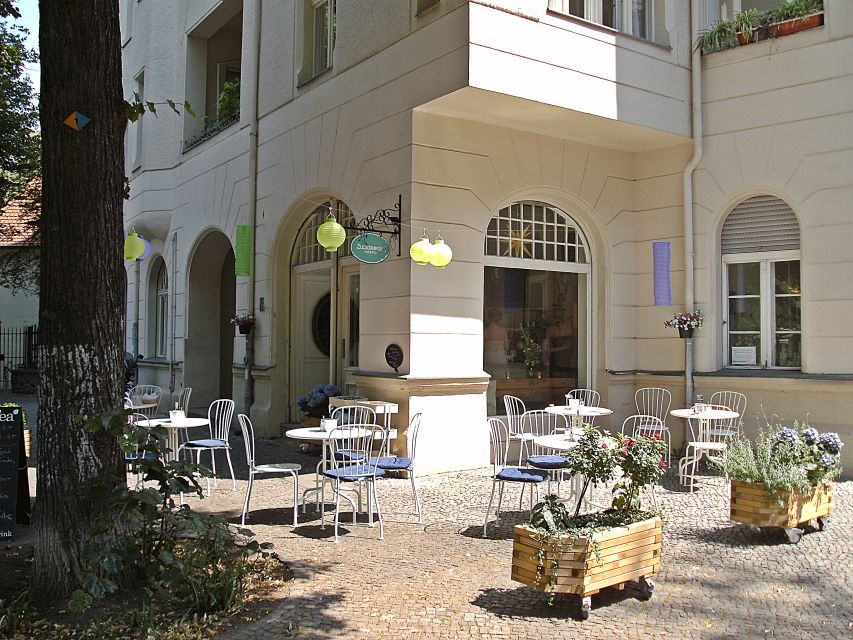
Another thread you’ll hear about is Czech partnership, plus the theme of how communities fit into Berlin’s broader identity. There’s also coverage of the renaming in Neukölln, which is basically about how language and official decisions shape what people think the place is.
These parts matter if you care about how cities actually work. Neighborhood labels aren’t neutral. They’re political, cultural, and practical. They affect how resources get distributed, how outsiders interpret what they see, and how locals feel about the name attached to their home.
The guide’s approach makes this feel understandable instead of academic. You’re not studying a textbook. You’re walking past the kind of places where these changes become visible.
KGB44 and Friedrich Wilhelm I Memorial: power history in the seams
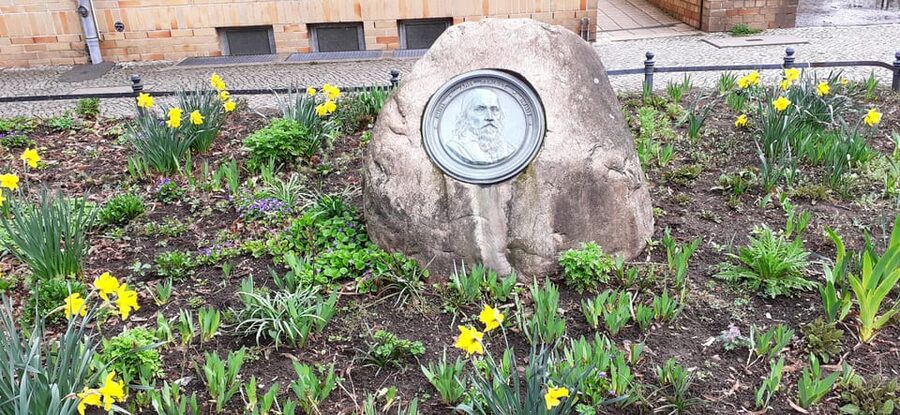
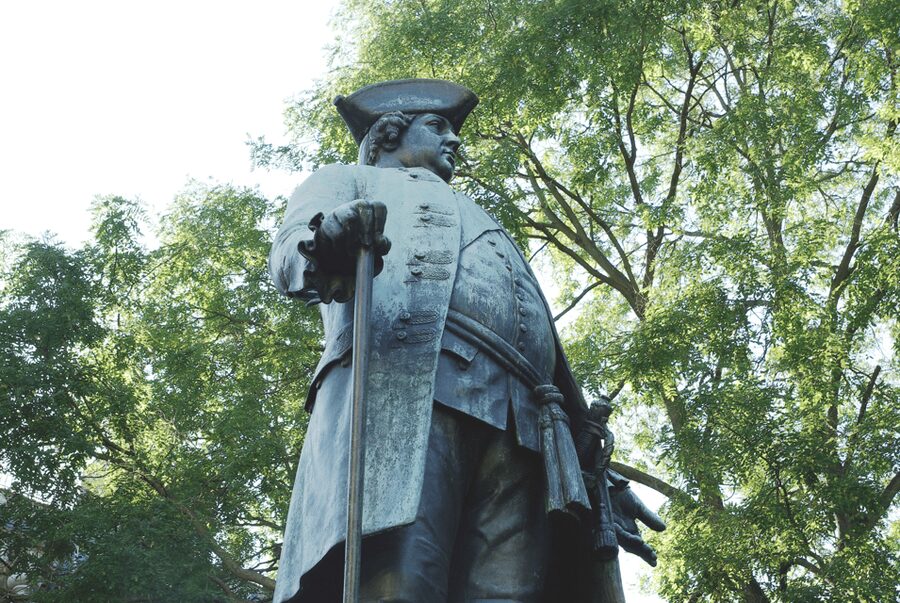
The itinerary also includes KGB44 and a Friedrich Wilhelm I Memorial. These stops widen the frame beyond the Bohemian thread, reminding you that Neukölln’s story is also Berlin’s modern and political story.
This is where the tour becomes especially useful if you’re the type who wants more than one historical “lane.” You get community identity in the Czech-Bohemian parts, and you get state and power layers in the memorial and KGB-related stops. Together, they explain why the district can feel culturally complex without feeling chaotic.
Even if you only remember one takeaway, let it be this: Berlin neighborhoods rarely have one single story. They have overlapping stories, and you need more than one angle to see them clearly.
Richardstraße, Old Bohemian schoolhouse, and Comenius Garten
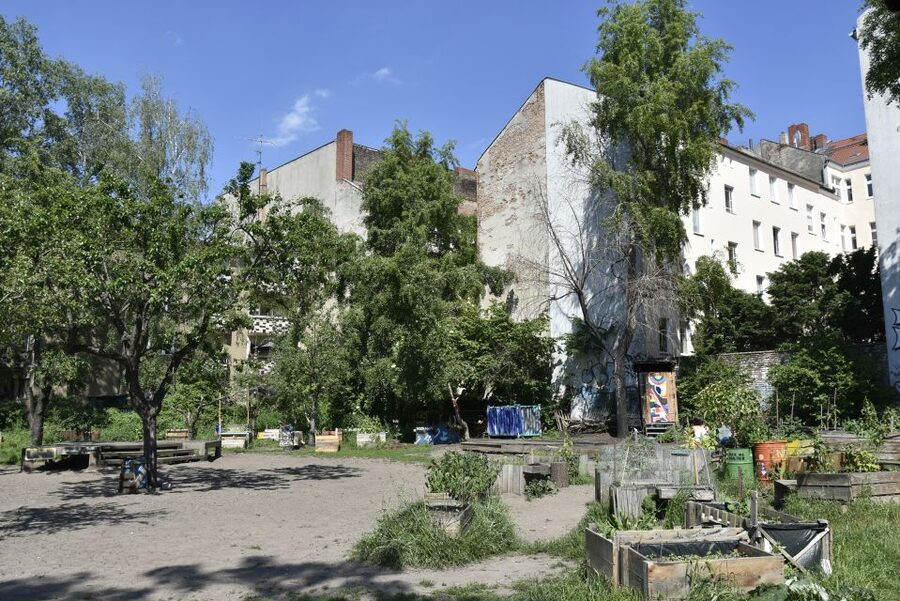
As you continue along Richardstraße, you’ll encounter an Old Bohemian school house and Comenius Garten (Comenius Garden). These are the places where you can feel the community’s “daily life” imprint.
A school house is one of the strongest clues you can find in a city. It signals that people planned for continuity. It also helps explain how cultural identity gets passed down, not only through churches and public squares, but through education and community institutions.
Comenius Garden adds another layer: the idea that community life includes shared outdoor space, not just buildings. Even if you don’t sit down, the presence of a garden tells you the neighborhood held onto practices that go beyond survival.
And as you walk, you’ll likely start noticing how the stops connect: square to church to named community space to education to garden. That pattern is the tour’s main structure.
Who this walk is best for (and what you’ll get out of it)
This Old Neukölln walking tour works especially well if you want:
- A short, focused 90-minute neighborhood story without rushing
- A guided narrative that connects history to specific streets
- A private format that lets you ask questions and keep the pace comfortable
- A guide who uses humor and makes names and events easier to hold onto
It’s also a good choice for people who like getting off the main drag but still want a coherent path. You’ll cover the essentials without turning it into a long endurance hike.
If you’re traveling with someone who only tolerates “a little history,” don’t worry. The tour is built around entertaining storytelling. The guide’s humor and “unexpected” details are part of the package, and it helps prevent the walk from becoming a lecture.
One practical note: it’s not suitable for people with mobility impairments, so if anyone in your group needs step-free routes, you’ll want to plan an alternative.
Price and value: $70 for up to 6 people
At $70 per group up to 6, this is priced like a straightforward private city walk. The value comes from two things: your money buys real one-on-one narrative time, and you get a guide who focuses on a specific neighborhood with an identifiable point of view.
Compared with per-person tours, private group pricing can be a win if you’re traveling with friends or family. With up to 6 people, you can share the cost and still get a tour that doesn’t feel crowded.
You’re also paying for a concentrated story that covers multiple named sights tied to a single theme: Old Neukölln’s village feel, the Bethlehem Church and related Czech-Bohemian legacy, and the darker moments like the Rixdorf fires. If you want one guided walk that makes the neighborhood make sense, the cost is easier to justify.
Should you book this Berlin Old Neukölln Private Walking Tour?
Book it if you want a Berlin tour with local personality and real street-level context. The combo of Richardplatz’s village atmosphere, Bethlehemskirche and the Bohemian village landmarks, plus the fires and renaming story gives you a more human and less touristy understanding of Neukölln.
Skip it if you need a step-free route or if you only want the most famous landmarks, because this walk is built for the people who like the less-obvious corners of the city.
If you’re curious about how communities form, change, and leave traces, this is the kind of tour that turns a district you thought you knew into a place you can actually read.
More Tours in Berlin





More Tour Reviews in Berlin

Kreuzberg and the Eastern Districts


Round out your days in Berlin

Kreuzberg & Alternative Districts, compared.
 ★ 4.5Kreuzberg: Culinary Food TourFrom $589770 reviews
 ★ 4.7Kreuzberg Guided Walking Evening TourFrom $27555 reviews
 ★ 4.7Alternative Bike Tour of Kreuzberg & FriedrichshainFrom $41548 reviews
 ★ 4.92.5-Hour Walking Tour through Kreuzberg 61From $23525 reviews
 ★ 5.0Berlin Off-the-Beaten-Path Walking Tour: Kreuzberg, Mitte and FriedrichshainFrom $30412 reviews
 ★ 4.8Experience the Alternative Kreuzberg on a Bike TourFrom $41395 reviews
 ★ 4.9Prenzlauer Berg District Guided Walking TourFrom $23316 reviews
 ★ 4.8Gay Berlin Out in Schöneberg Walking TourFrom $23281 reviews
Browse the lists this tour appears in