
REVIEW · THIRD REICH & WWII HISTORY
Berlin: The Time of National Socialism Walking Tour
Berlin’s Nazi-era story is visible if you know where to look. This 2-hour walking tour links iconic landmarks to the places where power, terror, and resistance played out. You follow a guide who brings the city’s streets to life with clear context and on-the-ground details, starting at the Brandenburg Gate.
I especially like how the route mixes Germany’s propaganda heart (Brandenburg Gate and the Reichstag area) with the heavy memorial sites (Holocaust Memorial and the Topography of Terror area). I also like that you get a small group feel, capped at 10 people, so questions don’t get lost. The one drawback: it’s a true walking tour in all weather, so if you hate cold, wet, or wind, plan your clothes accordingly.
In This Review
- Key things I think you’ll care about
- National Socialism on Foot: Why This Berlin Route Works
- Brandenburg Gate to Reichstag: Propaganda Meets Power
- Tiergarten Soviet War Memorial: The Other Side of WWII Reminders
- Holocaust Memorial: A Pause That Keeps the Focus Where It Belongs
- Hitler’s Bunker Area and the Government District: How Control Reshaped Space
- Johann Georg Elser Memorial and Detlev-Rohwedder-Haus: Resistance in the Middle of Power
- Topography of Terror Documentation Center: Where Nazi Security Systems Operated
- Price and Group Size: Is $43 for Two Hours Good Value?
- Weather, Shoes, and Timing: Make It Easy to Stay Outside
- Who This Walk Suits Best (and Who Might Want Something Else)
- Should You Book This Tour?
- FAQ
- How long is the Berlin: The Time of National Socialism Walking Tour?
- How much does it cost?
- Where do I meet the guide?
- What language is the tour guide?
- How big is the group?
- Is the tour wheelchair accessible?
- Does the tour run in bad weather?
- What major sites will I see?
- What’s included in the price?
- What’s the cancellation policy?
Key things I think you’ll care about
- Brandenburg Gate to Reichstag area: learn how propaganda and political power connected during the Third Reich
- Tiergarten Soviet War Memorial: see WWII relics like T-34 tanks and artillery in a central park setting
- Holocaust Memorial stop: a solemn pause that keeps the focus on murdered Jews of Europe
- German Resistance threads: you’ll hear stories about opposition to the dictatorship while you walk
- Topography of Terror: learn where major Nazi security and SS institutions were based
- Small group up to 10: easier pacing for questions and a guide who can keep the group together
More walks through Berlin's wartime history
- Berlin: Third Reich & Cold War Guided Walking Tour★ 4.9 · 8,378 reviews
- Berlin’s Best: 2 Hour Walking Tour Third Reich and the Cold War★ 5.0 · 5,486 reviews
- Third Reich Berlin: Hitler and WWII Walking Tour★ 5.0 · 3,301 reviews
- Berlin: Third Reich, Hitler, and WWII Walking Tour★ 4.9 · 1,757 reviews
National Socialism on Foot: Why This Berlin Route Works
Berlin can feel confusing when you’re looking at big sights only. This tour solves that by treating the city like a map of decisions, not postcards. You start at the Brandenburg Gate and then move through the government and memorial areas where Nazi power projected itself—and where the consequences are still marked in the landscape.
What makes it especially worthwhile is the mix of categories. You get propaganda-era architecture and political symbolism, but you also get brutal reminders of WWII and the Holocaust, plus the institutional machinery of terror tied to SS and Nazi security offices. That blend helps you understand the era as a system: how public spectacle, bureaucratic power, and violent enforcement fit together.
And because it runs as a 2-hour walk, it’s not trying to cram everything into one afternoon. You can actually look at what’s in front of you, not just sprint between stops.
Brandenburg Gate to Reichstag: Propaganda Meets Power
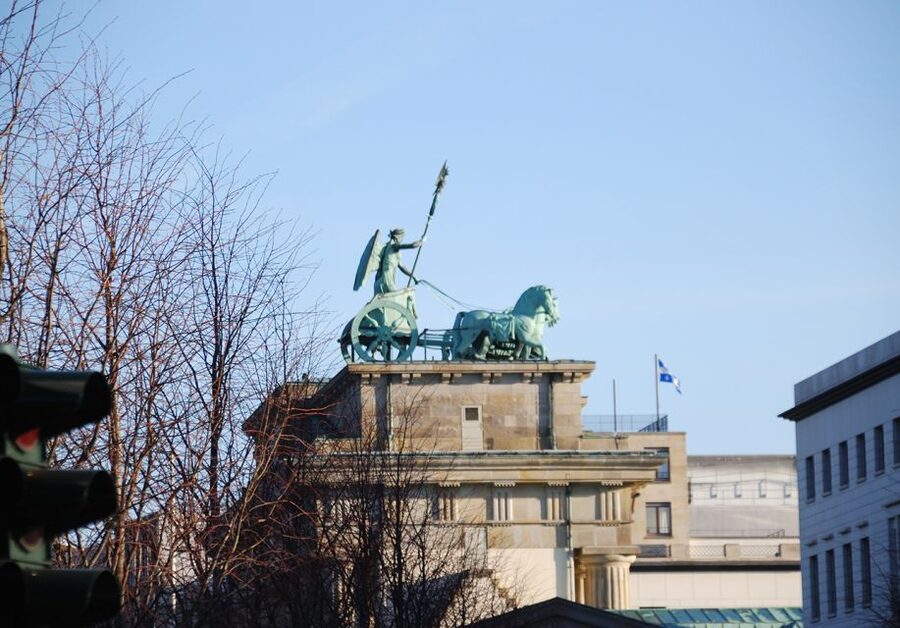
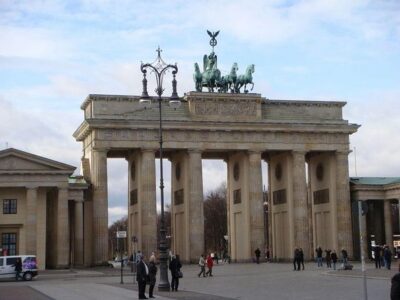
You begin at Pariser Platz and the Brandenburg Gate. This isn’t just a photo stop. The guide explains how the gate was used for propaganda marches in the National Socialist period. That context matters, because without it, you miss how the Nazis turned space and architecture into a stage.
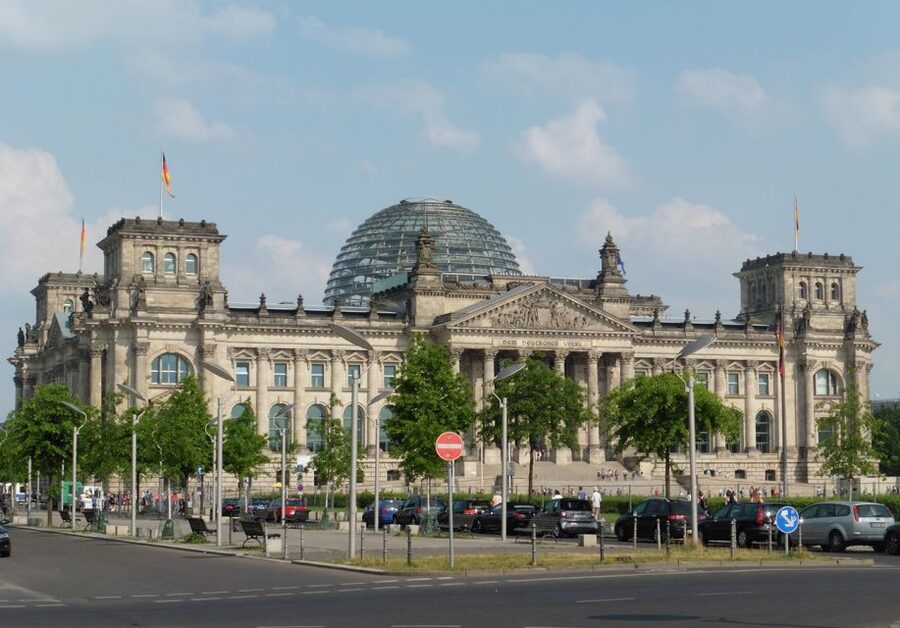
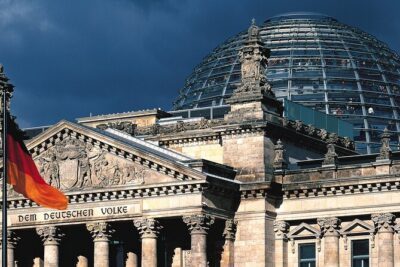
From there you head to the Reichstag area. The framing here is political: you learn about how the NSDAP and Adolf Hitler came to power in 1933, with the Reichstag complex part of the story of where the Nazi movement’s influence solidified. Even if you’ve visited the building before, it tends to hit differently when you walk into the topic with a guide who connects the streets to the year-by-year rise of power.
Two practical points for you here:
- Wear shoes that handle uneven sidewalks and cold patches. This portion sets the pace.
- If you’re the type who likes asking questions, this early stretch is a good time to do it, because the tour is still fresh and the group is together.
Tiergarten Soviet War Memorial: The Other Side of WWII Reminders
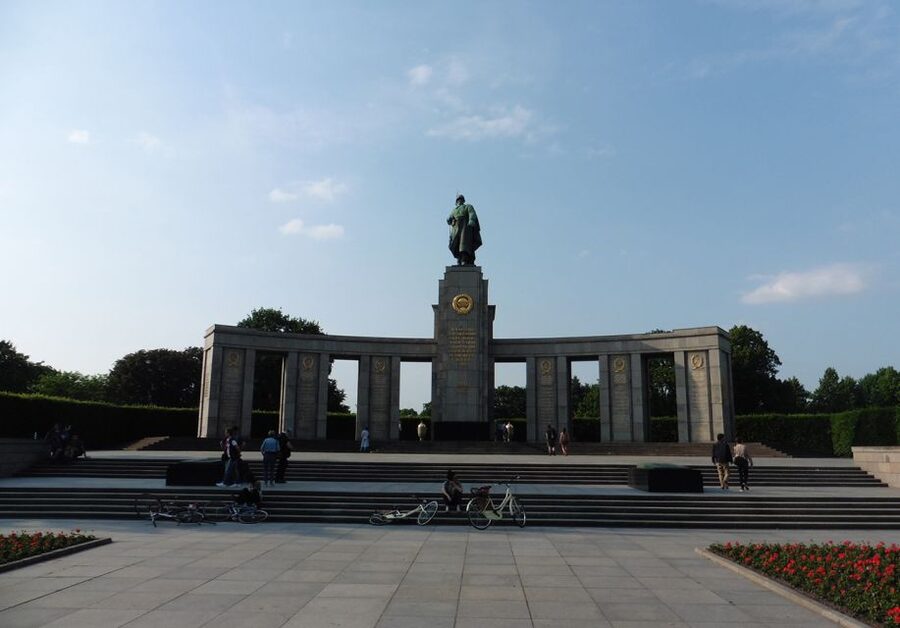
Next comes a very different tone: Tiergarten and the Soviet War Memorial. Inside the park setting, you see WWII remnants including Soviet T-34 tanks and artillery. It’s one of those moments where you’re standing in the center of modern Berlin, yet the objects point you back to the brutal reality of the end of the war.
This stop is valuable because it prevents a one-sided view. The Nazi-era story is heavy on ideology and perpetrators, but Berlin’s WWII history also includes the conflict and aftermath that followed. Seeing Soviet hardware in the park helps you understand that the war’s consequences were not confined to distant battlefields.
If you’re traveling with teens or young adults, this is a smart pacing move too. It breaks up memorial intensity with something visually concrete, so the group can reset before the tour turns even more solemn again.
Holocaust Memorial: A Pause That Keeps the Focus Where It Belongs
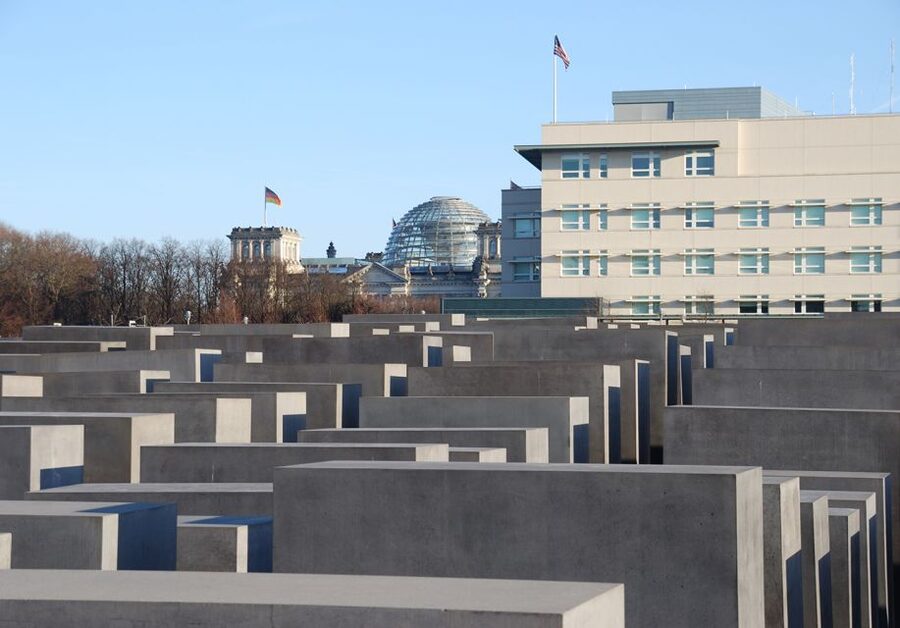
Then you reach the Holocaust Memorial, the memorial to the murdered Jews of Europe. This stop doesn’t work like a quick landmark check. It’s presented as a place for recognition and memory, and the guide’s job is to keep your attention on what the site represents, not on trivia.
I like tours that treat this kind of stop as a turning point rather than a waypoint. Once you’ve walked through propaganda-adjacent spaces and WWII remnants, this memorial brings you back to the human cost. It also sets expectations for the rest of the route: the tour shifts from “how it worked” to “what it did,” and it stays there.
Practical note: bring a moment of quiet for yourself. You won’t get that “run-and-gun” feeling here, so give your feet and brain a breather.
More of Berlin on foot


Hitler’s Bunker Area and the Government District: How Control Reshaped Space
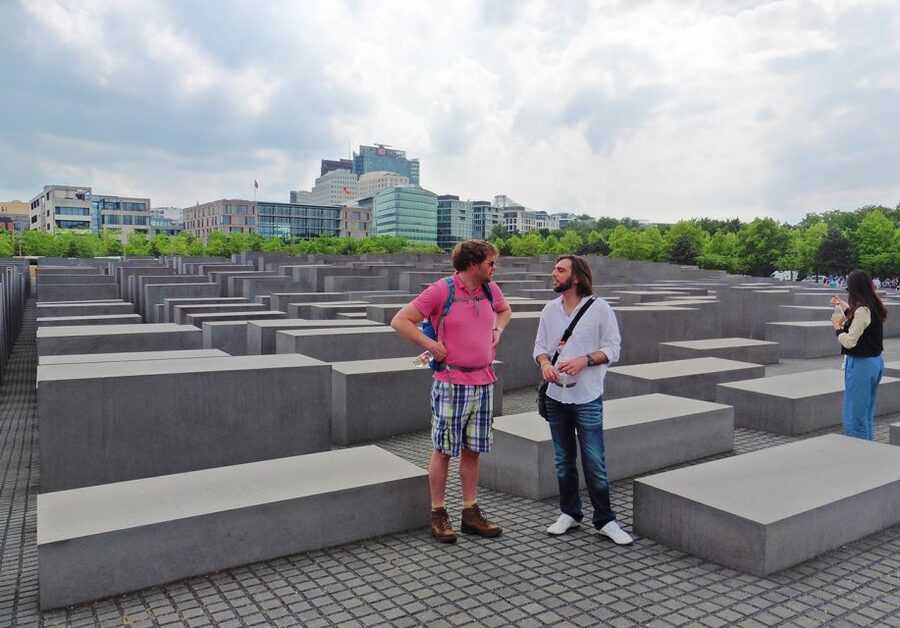
After the Holocaust Memorial, the tour moves to the area tied to where Hitler’s bunker and the New Reich Chancellery were located. You’ll also hear about the government district of Berlin during that period. This is one of those parts where the city looks normal, but the meaning is extraordinary.
That contrast can be unsettling, which is exactly why it works. Nazi rule wasn’t just something that happened in paperwork or speeches—it reshaped where power concentrated in the city. Even without dramatic visuals at every corner, the guide helps you connect the dots between what the Nazis controlled and where they built their command presence.
If you’re the kind of visitor who wants to understand how dictatorship becomes physical—through offices, influence zones, and infrastructure—this is where you start seeing that pattern.
Johann Georg Elser Memorial and Detlev-Rohwedder-Haus: Resistance in the Middle of Power
The tour then stops at the Johann Georg Elser Memorial. The name is important, and the guide uses it as part of the broader thread of German Resistance against the dictatorship. Even if you know little about Elser beforehand, you’ll get enough context through the guide’s storytelling to understand why resistance mattered and how it fit into the larger Nazi system.
From there you move toward Detlev-Rohwedder-Haus. This kind of stop is easy to overlook on your own because you’re seeing a building, not a museum label. But with a guide, the location becomes a piece of the puzzle—how government spaces and decision-making hubs sat close to the machinery of repression.
The vibe here is: you’re walking through the same geographic fabric that people lived around, while learning how that fabric was used by the regime.
Topography of Terror Documentation Center: Where Nazi Security Systems Operated
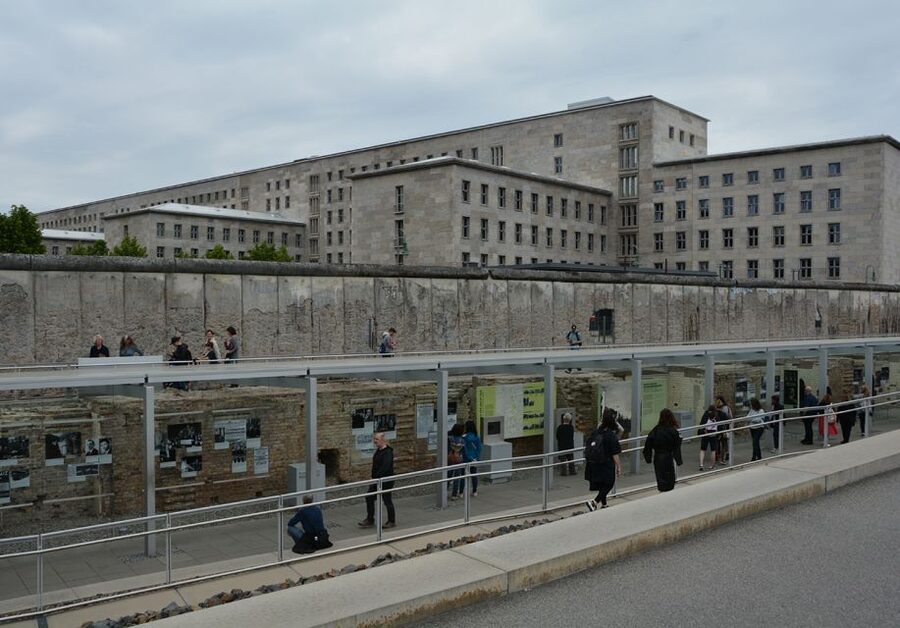
The ending stretch is Topography of Terror, and it’s arguably the tour’s “why this matters” payoff. You learn about where the headquarters of the SS, the Secret State Police, the Reich Security Main Office, and the Reich Aviation Ministry were located during WWII.
This stop is heavy, but it’s also clarifying. The guide ties the institutions to what people experienced on the ground. When you connect names and offices to the system behind them, the era becomes easier to understand without turning it into vague horror.
A big reason I’d recommend this tour to you is the way it keeps the human and moral thread alive while still being factual and location-based. The tour also returns to the idea of resistance—stories about people pushing back against the dictatorship—so you don’t just leave with a picture of power and fear.
Price and Group Size: Is $43 for Two Hours Good Value?
At $43 per person for a 2-hour guided walk, this is priced like a solid “experience per hour” option for central Berlin. You’re paying for a working guide, a tight route, and time spent explaining complex material where you can see it in context.
The value goes up because the group is limited to 10 participants. That’s not a huge difference for comfort only—it also affects how well the guide can answer questions and keep everyone together, especially on uneven sidewalks and in cold weather.
One more value point: the tour includes an actual local-guiding approach. You get explanations tied to where things were, not just what they represented in a textbook.
You should still keep your expectations realistic:
- You’ll cover major ground, but it’s not a museum deep dive.
- The goal is orientation and understanding, not exhaustive detail on every building.
If you want a short, focused way to make Berlin’s Nazi-era geography make sense, this price fits that job.
Weather, Shoes, and Timing: Make It Easy to Stay Outside
This tour runs in all weather conditions and on public holidays. So plan like it’s a real walk, not a casual stroll. Wear suitable clothes for a walking tour, and bring the kind of gear you actually rely on in cold or rain.
If you’re visiting in winter, you’ll feel the cold more than you’d expect because you’re outside for the full route. Bring layers and consider warm gloves. The tour moves at walking pace, and your best experience comes when you’re comfortable enough to pay attention to details.
The meeting point is straightforward: meet your guide at the exit of the metro station S+U Bhf. Brandenburger Tor, exit B toward Pariser Platz / Straße des 17. Juni. Look for the tour guide with the GetYourGuide flag and the You in Berlin branding.
Who This Walk Suits Best (and Who Might Want Something Else)
This is a great fit if you’re:
- new to Berlin’s WWII-era geography and want an organized path
- the type who likes explanations tied to real streets
- traveling with teens or young adults and want an age-appropriate, story-driven approach
- interested in both perpetrators’ systems and the threads of resistance
It may be less ideal if you:
- want a long museum-style visit with lots of indoor time
- hate walking for two hours regardless of weather
- prefer only the most famous landmarks and nothing uncomfortable or memorial-heavy
Should You Book This Tour?
Yes, if you want a structured, two-hour walk that turns Berlin’s Nazi-era landmarks into something you can actually place in your head. The route covers the big symbols (Brandenburg Gate and Reichstag area), the WWII aftermath (Tiergarten Soviet memorial with T-34 tanks and artillery), and the essential moral anchors (Holocaust Memorial and Topography of Terror). That mix helps you understand the era without reducing it to slogans.
The biggest “yes” factor for me is the guide experience. When you’re dealing with difficult history, a lively, question-friendly guide is everything. If you end up with a guide like Carlo, the style described by past participants is exactly what you’d hope for: clear explanations tied to the locations and careful pacing even when the weather is miserable.
Book this when you want to make the city legible fast. Skip it only if you know you can’t handle being outside in winter rain or cold.
FAQ
How long is the Berlin: The Time of National Socialism Walking Tour?
The tour lasts 2 hours.
How much does it cost?
The price is $43 per person.
Where do I meet the guide?
Meet at the metro station S+U Bhf. Brandenburger Tor, exit B, in the direction of Pariser Platz / Straße des 17. Juni. Look for the guide with the GetYourGuide flag and You in Berlin branding.
What language is the tour guide?
The live tour guide is German.
How big is the group?
The group is limited to 10 participants.
Is the tour wheelchair accessible?
Yes, the tour is listed as wheelchair accessible.
Does the tour run in bad weather?
Yes. The tour takes place in all weather conditions and on public holidays.
What major sites will I see?
You’ll visit places including the Brandenburg Gate, the Reichstag area, the Soviet War Memorial in Tiergarten (with T-34 tanks and artillery), the Holocaust Memorial, the Johann Georg Elser Memorial, Detlev-Rohwedder-Haus, and end at Topography of Terror.
What’s included in the price?
A professional city tour guide is included.
What’s the cancellation policy?
You can cancel up to 24 hours in advance for a full refund.
More Tours in Berlin




More Tour Reviews in Berlin
Berlin's Wartime History
Round out your days in Berlin

Third Reich & WWII History, compared.
 ★ 4.9Third Reich & Cold War Guided Walking TourFrom $238,378 reviews
 ★ 5.0Berlin’s Best: 2 Hour Walking Tour Third Reich and the Cold WarFrom $245,486 reviews
 ★ 5.0Third Reich Berlin: Hitler and WWII Walking TourFrom $243,301 reviews
 ★ 4.9Third Reich, Hitler, and WWII Walking TourFrom $191,757 reviews
 ★ 5.0Berlin Third Reich Sites: Half-Day Walking TourFrom $21835 reviews
 ★ 4.7History of the Third Reich Guided Walking TourFrom $30791 reviews
 ★ 4.8The Wall and Third Reich Guided Bike TourFrom $41578 reviews
 ★ 4.8Hitler’s Germany: Berlin During the Third Reich & WWIIFrom $23476 reviews
Browse the lists this tour appears in