
REVIEW · THIRD REICH & WWII HISTORY
Berlin: Third Reich and World War II Private Guided Tour
Berlin hits different when you study it up close. This private guided walk connects the key places of the Third Reich and World War II with real-world context, not just facts. I especially like the professional multilingual guide (including Spanish—one booking praised how clear and dynamic the explanations were) and the way the route lines up major sites for great photo moments and quick historical perspective.
The main thing to watch is that it’s a walk-heavy 3-hour experience, and you’ll cover several important stops in one stretch—so plan for solid shoes and stamina.
In This Review
- Key takeaways
- Why Nazi Berlin history should be walked, not skimmed
- Meeting at Brandenburg Gate: getting oriented fast
- The Reichstag visit: where democracy and dictatorship collide
- Soviet War Memorial Tiergarten: seeing Berlin after the war, not during it
- Holocaust Memorial: a stop for context and respectful pacing
- Hitler’s Bunker area: understanding the regime’s endgame
- Topography of Terror: where ideology turns into systems
- Ending at Wall Museum – Checkpoint Charlie: the quick shift from WWII to Cold War
- What you’ll feel in 3 hours: a tight private storyline
- Price and value: is $224 per person worth it?
- Photo rules and comfort tips for major memorial stops
- When the guide makes or breaks the experience
- Should you book this Berlin Third Reich and WWII private tour?
- FAQ
- Where does the tour meet?
- How long is the tour?
- Which languages are available?
- What’s included in the price?
- Are entrance fees included?
- Is flash photography allowed?
- What’s the cancellation and payment flexibility?
Key takeaways
- Private, guided, and flexible: a real guide explains what you’re looking at, and the exact landmarks can shift with preferences and conditions.
- The route is concentrated: you go from Brandenburg Gate to the Reichstag and end at Wall Museum – Checkpoint Charlie in just 3 hours.
- Holocaust Memorial + Topography of Terror: two stops that help you connect Nazi ideology to the machinery of terror.
- Hitler’s Bunker area gets explained in context: you’ll see the sites tied to the regime’s final phase.
- Photo-friendly, with one big rule: photos are allowed, but flash isn’t permitted inside certain landmarks.
- Language options matter: the guide can be in English, German, Russian, French, Spanish, and Italian, so you can match your comfort level.
More walks through Berlin's wartime history
- Berlin: Third Reich & Cold War Guided Walking Tour★ 4.9 · 8,378 reviews
- Berlin’s Best: 2 Hour Walking Tour Third Reich and the Cold War★ 5.0 · 5,486 reviews
- Third Reich Berlin: Hitler and WWII Walking Tour★ 5.0 · 3,301 reviews
- Berlin: Third Reich, Hitler, and WWII Walking Tour★ 4.9 · 1,757 reviews
Why Nazi Berlin history should be walked, not skimmed
Some cities feel like a museum. Berlin feels like a question you keep asking. This tour works because it turns distant WWII history into something you can look at from street level: institutions, memorials, and the spaces where power, propaganda, and violence played out.
I like how the tour doesn’t treat these places as separate postcards. You get a chain of locations that helps you understand how the Third Reich rose, how it ruled, and how it collapsed—especially in Berlin, where the war’s end wasn’t an abstract idea.
One more practical win: you’re not left to translate your own meaning on the fly. With a professional guide, you’re getting the “what matters here” context that most people miss when they go it alone.
Meeting at Brandenburg Gate: getting oriented fast
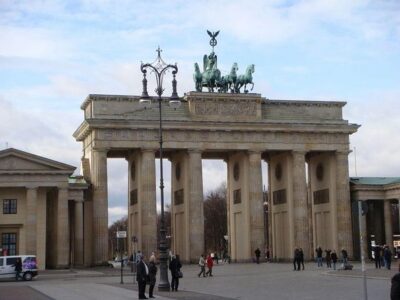
You start near the Brandenburg Gate by the Hotel Adlon Kempinski Berlin. That’s a smart choice because it gives you an immediate anchor point in the city—then the guide can steer you from there into the WWII storyline without you feeling lost.
This kind of short private tour runs on pacing. Plan to arrive a few minutes early so you start on time and don’t have to sprint between stops. I also recommend having your camera ready, but remember: flash photography isn’t allowed inside certain landmarks, so switch to natural light modes as needed.
Bring comfortable shoes and a bottle of water. The tour is designed for walking, and you’ll spend enough time on your feet that proper footwear is the difference between enjoying the day and rushing through it.
The Reichstag visit: where democracy and dictatorship collide
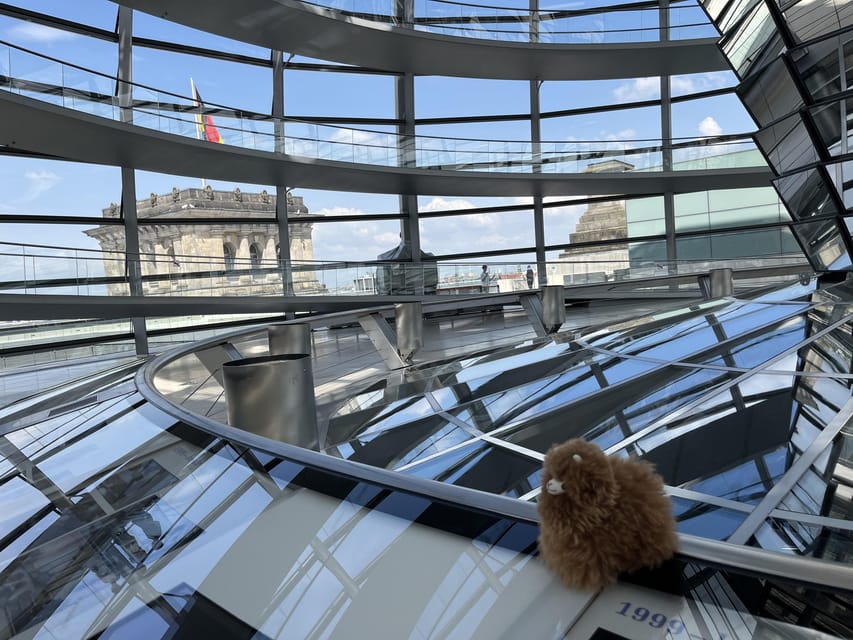
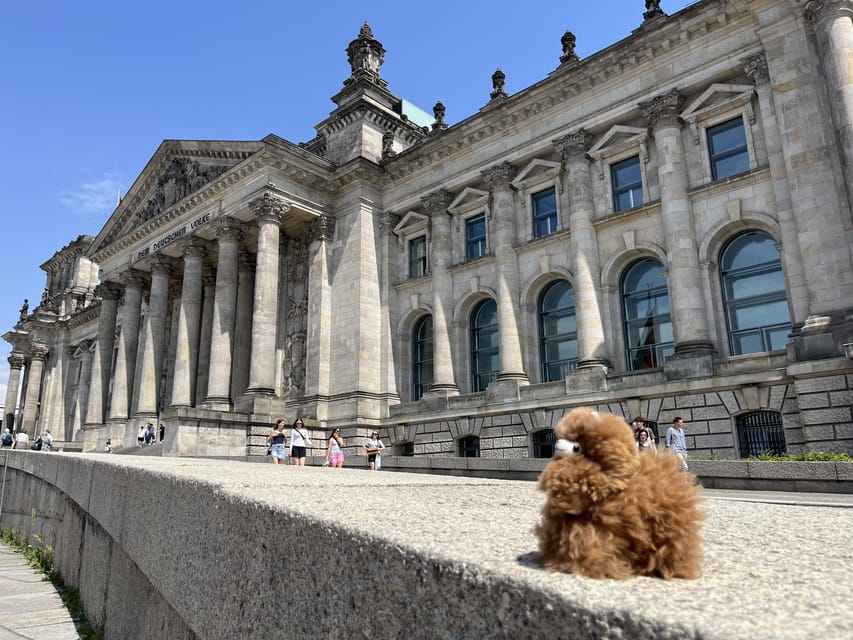
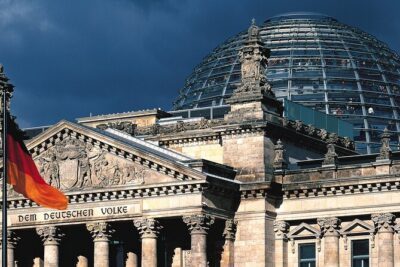
The Reichstag stop is the kind of place you can’t really understand without a guide. Even if you’ve seen photos, being there in person helps you grasp why the building became a symbol—first in the political theater of the era, and later in the story of what the Nazis did to the state.
On this tour, the guide’s job is to connect architecture and politics to real outcomes. You’ll get historical insight and stories that explain how Berlin’s political center was pulled into the Nazi program, and what that meant for ordinary life.
Two practical notes for your expectations: entrance fees are not included, and details on what’s possible can depend on conditions and time of year. That said, the value here is the guided explanation of what you’re looking at, not just ticking off a landmark.
Soviet War Memorial Tiergarten: seeing Berlin after the war, not during it
After the Reichstag, you’ll head to the Soviet War Memorial in the Tiergarten area. This stop matters because it reminds you that WWII in Berlin wasn’t just about one side’s actions—it was also about what came next, and who controlled the narrative after the fighting.
A good guide here helps you keep the timeline straight. You’ll connect the war’s final months to the way Berlin was reshaped afterward—emotionally, politically, and physically.
If you’re the type who likes cause and effect, this is one of the stops that keeps the story from turning into pure spectacle. It helps you see how memory and power overlap in a city rebuilding under new rule.
More guided walks through Berlin




Holocaust Memorial: a stop for context and respectful pacing
The Holocaust Memorial is heavy. It’s also one of the most important places on the route, and the guide’s explanation can help you make sense of what you’re experiencing without turning it into a lecture.
This tour includes a guided visit here, which is useful because you need more than a quick glance to understand why the memorial’s design and placement matter. You’ll also learn how the Nazi regime’s ideology translated into systematic persecution and murder—and why Berlin became a central stage for that story.
Practical tip: go at the pace your body allows. Don’t rush photos over reflection. Flash isn’t permitted inside certain landmarks, and even if the memorial area is open-air, the tour’s general photo guidelines are a good reminder to keep things respectful and calm.
Hitler’s Bunker area: understanding the regime’s endgame
The Hitler’s Bunker stop is the kind of site that can feel surreal from a distance. When you’re there, it’s easier to comprehend how close the final days of the Third Reich were—and how intense the regime’s internal world became as the situation collapsed.
Your guide should help you connect this location to the broader Berlin WWII timeline. That’s the real value: you’re not just looking at a named place, you’re understanding why it’s remembered and what it says about how the Nazi leadership behaved in its final phase.
Because this part of the tour covers emotionally difficult history, I’d treat it as a moment to slow down rather than a photo checkpoint. If you’re sensitive to dark topics, this is exactly the kind of tour where having a professional guide who can manage pacing and explanation makes the experience more bearable and more meaningful.
Topography of Terror: where ideology turns into systems
Topography of Terror is one of those names that sounds like a theme park until you’re standing near it. This stop helps connect the Third Reich’s propaganda and violence to the institutions that enforced it.
The guide’s storytelling is what makes this land in your brain properly. It’s one thing to know Nazis committed crimes. It’s another to understand the structure behind the terror—how the regime organized surveillance, control, and repression as a system.
This is also where the tour’s “short but packed” format can be both a strength and a limitation. You’ll gain a clear overview, but you’re not spending hours inside every document space. If you want maximum time for reading and exhibits, you might later add a longer independent visit on another day.
Ending at Wall Museum – Checkpoint Charlie: the quick shift from WWII to Cold War
The tour finishes at Wall Museum – Checkpoint Charlie. Ending here is smart because it shifts your understanding forward. You leave with a sharper sense of how Berlin moved from Nazi rule and WWII destruction to the next era of political conflict and division.
Checkpoint Charlie is the kind of place where people often go for photos and trivia. On this tour, you get the benefit of historical framing so the Wall Museum stop feels connected to what came before—not random sightseeing tacked onto the end.
If you’re the type who likes a clear before-and-after, this wrap-up works well. It’s a natural place to reset your head after heavy memorial and WWII sites.
What you’ll feel in 3 hours: a tight private storyline
This is a private group tour designed for personalization, with a professional multilingual guide. That private format is where you get value: you can ask questions, and the guide can adjust the pacing to how you’re taking in the material.
The time window—about 3 hours—keeps the tour focused. You won’t get lost in museum rabbit holes, and you’ll come away with a clear sequence of stops. The tradeoff is you may not see every detail you’d want if you prefer slow, long-form museum time.
It’s also not built for tiny legs. The experience isn’t suitable for children under 10. And while the information provided lists the tour as wheelchair accessible, it also says it’s not suitable for people with mobility impairments and wheelchair users. If that applies to you, you’ll want to confirm fit with the provider before booking so you aren’t surprised by walking requirements.
Price and value: is $224 per person worth it?
At $224 per person for a 3-hour private tour, you’re paying for more than access to landmarks. You’re paying for guided interpretation that links the sites into a coherent story.
What’s included:
- a professional multilingual guide
- historical insights and stories
- a private group for a more personalized experience
What’s not included:
- entrance fees to any attractions
- meals and drinks
- transportation to/from the activity
So the value equation comes down to this: do you want context and explanation from a guide, rather than doing the sites solo? If yes, the price starts to make sense because you’re covering multiple major locations efficiently with someone steering the narrative. If you’re happy to read on your own and only want a couple of stops, you might find cheaper options. But if you want a tight, guided route through some of Berlin’s hardest WWII and memorial sites, this format is one of the more practical ways to do it.
Photo rules and comfort tips for major memorial stops
You should plan on taking photos, and the tour is set up for plenty of camera moments. Just know the rule: flash photography is not permitted inside certain landmarks.
Before you start, do these small things:
- wear shoes you can walk in for a while
- pack water so you’re not scrambling mid-route
- dress for the weather and bring a layer if it’s cool or breezy
Also keep in mind that large bags or luggage may not be suitable. If you’re traveling light, it’s easier to move quickly and quietly through memorial-focused spaces.
When the guide makes or breaks the experience
One of the strongest signals from real-world feedback is guide quality. One booking noted that Sven was punctual and professional. Another highlighted how informative and dynamic the tour felt, with particularly good explanations in Spanish.
That matches what matters most on a tour like this: when history is intense, you want an informed guide who can pace the stops and explain the why behind each location. The difference between a good guide and a mediocre one isn’t just storytelling style—it’s whether the city becomes understandable or stays like a set of names.
There is also a caution worth respecting. One report indicated the guide didn’t show up and the guest expected a refund. I can’t control the operation, but I do recommend doing two simple things: arrive a few minutes early, and have a way to contact the provider on the day so you can sort out any issues fast.
Should you book this Berlin Third Reich and WWII private tour?
Book it if you want a focused, guided route through Berlin’s most important WWII and memorial sites, with a guide who can connect the dots in a short 3-hour window. It’s especially good if you prefer learning from someone who can explain what you’re seeing right where you’re standing.
Skip it or modify your expectations if you:
- need lots of sitting time for museums and reading
- want minimal walking
- are unsure about suitability due to mobility needs (because the provided accessibility info is mixed)
If you do book, go in with the right mindset: this isn’t about dramatic sightseeing. It’s about understanding a part of history that still shapes how Berlin tells its story today.
FAQ
Where does the tour meet?
The tour meets next to the Hotel Adlon Kempinski Berlin.
How long is the tour?
The duration is 3 hours.
Which languages are available?
The guide is available in English, German, Russian, French, Spanish, and Italian.
What’s included in the price?
You get a professional multilingual guide, historical insights and stories, and a private group experience.
Are entrance fees included?
No. Entrance fees to attractions are not included.
Is flash photography allowed?
Photography is allowed, but flash photography is not permitted inside certain landmarks.
What’s the cancellation and payment flexibility?
You can cancel up to 24 hours in advance for a full refund, and you can reserve now and pay later.
More Tours in Berlin




More Tour Reviews in Berlin
Berlin's Wartime History
Round out your days in Berlin
Third Reich & WWII History, compared.
 ★ 4.9Third Reich & Cold War Guided Walking TourFrom $238,378 reviews
 ★ 5.0Berlin’s Best: 2 Hour Walking Tour Third Reich and the Cold WarFrom $245,486 reviews
 ★ 5.0Third Reich Berlin: Hitler and WWII Walking TourFrom $243,301 reviews
 ★ 4.9Third Reich, Hitler, and WWII Walking TourFrom $191,757 reviews
 ★ 5.0Berlin Third Reich Sites: Half-Day Walking TourFrom $21835 reviews
 ★ 4.7History of the Third Reich Guided Walking TourFrom $30791 reviews
 ★ 4.8The Wall and Third Reich Guided Bike TourFrom $41578 reviews
 ★ 4.8Hitler’s Germany: Berlin During the Third Reich & WWIIFrom $23476 reviews
Browse the lists this tour appears in