
REVIEW · KREUZBERG & ALTERNATIVE DISTRICTS
Kreuzberg Private Walking Tour: Immigrants, Artists & Hipsters
Kreuzberg changes fast, and you can watch. This private 3-hour walk in Berlin’s Kreuzberg puts the neighborhood’s latest “who’s shaping the city now” energy into a clear story you can follow on foot. I especially love the way you get street art and Turkish everyday life in the same route, and I like how the focus stays on real place-based context, not random photo stops. One consideration: you’ll use public transport a few times, since some distances are too long to do comfortably on pure walking.
The private historian guide matters here. In the hands of guides like Klaus, the pace can flex to your group, and you’ll get the kind of site connections that make a neighborhood feel understandable quickly, from Cold War scars to today’s street-level culture (and yes, there’s even a food lead—spaetzle came up in one tour). You’ll also end with talk about where Kreuzberg may go next, including major riverside development pressures and the gentrification question.
In This Review
- Key points
- Kreuzberg, SO36, and the Berlin you only get at street level
- What a private historian guide changes (and why Klaus stands out)
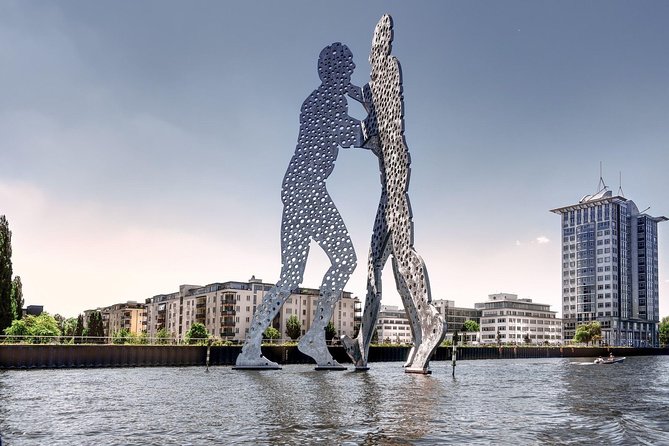
- Starting at Oberbaumbrücke: the Spree River as your first clue
- Berlin Wall remnants on the way through: scars that are still there
- SO36 and Oranienstraße: where Turkish culture meets counterculture
- Viktoriapark: a needed green reset in the middle of the story
- Ending with Kreuzberg’s future: riverside development and the gentrification question
- Price and value: what $450 for up to 10 really buys
- Logistics that actually matter on this route
- Who this tour fits best (and who might not love it)
- Should you book this Kreuzberg Private Walking Tour?
- FAQ
- How long is the Kreuzberg private walking tour?
- What does the tour cost?
- Where do we meet the guide?
- Is the tour private and how big are the groups?
- Will I need to use public transport?
- What is included in the price?
- Is there anything extra I should plan to pay for?
- What do I get for the ticket?
- Can I cancel and get a full refund?
Key points
- Private historian-led walk tailored to your interests, not a one-size slideshow
- Oberbaumbrücke kickoff with the Spree River and the SO36 area perspective
- Berlin Wall remnants shown as part of how Kreuzberg changed over time
- SO36 / Oranienstraße: street art, Turkish businesses, and the old anarchist-versus-police clashes
- Viktoriapark pause to balance the urban intensity with real green space
- Future pressure explained via riverside development plans and what that could mean for rents and culture
Deeper into Kreuzberg and the eastern districts
- Berlin: Kreuzberg Guided Walking Evening Tour★ 4.7 · 555 reviews
- Berlin: Alternative Bike Tour of Kreuzberg & Friedrichshain★ 4.7 · 548 reviews
- Berlin: 2.5-Hour Walking Tour through Kreuzberg 61★ 4.9 · 525 reviews
- Berlin Off-the-Beaten-Path Walking Tour: Kreuzberg, Mitte and Friedrichshain★ 5.0 · 412 reviews
Kreuzberg, SO36, and the Berlin you only get at street level
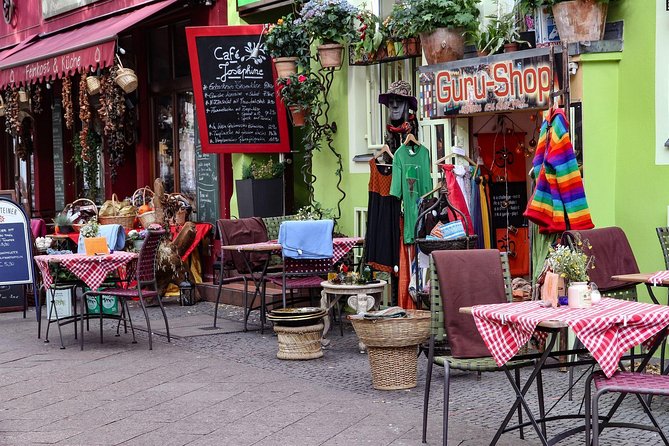
Kreuzberg has always been a bit of a magnet for people who don’t fit one neat box. In the past it was a worker district and part of West Berlin, then it got battered by WWII, squeezed by Cold War control, and shaped by the long argument between order and dissent. Today, that same mix shows up in the streets: cafes, bars, small shops, and a constant flow of immigrants and their businesses—especially Turkish—so the area feels more like a living community than a themed district.
What makes this tour worth your time is that it treats Kreuzberg like a cause-and-effect story. You’re not just looking at what’s there. You’re connecting why it’s there—how abandoned buildings, political pressure, and community creativity created the conditions for street art and art spaces to grow in the first place. If Berlin can sometimes feel like museum walls and postcards, Kreuzberg gives you the other half: the city negotiating its identity in real time.
And it’s not just for adults. If you’re coming with kids, a good guide helps this kind of history click fast because it stays anchored to places they can see and walk past.
What a private historian guide changes (and why Klaus stands out)
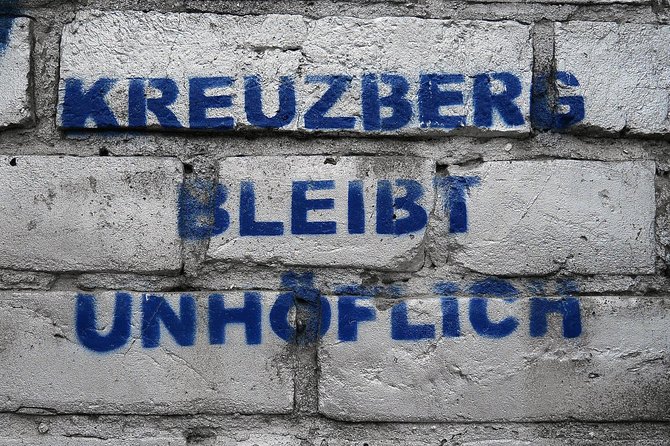
A private tour costs more than a group bus ride, but this one earns it with how it’s led. You’re paying for a historian guide, which usually means two things: you get accurate context, and you get explanations that connect one stop to the next.
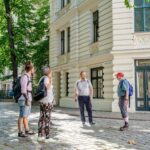
In particular, Klaus is a name that comes up for a reason. The tours describe him as friendly, fun to talk with, and able to adjust the pace to the group. That matters in Kreuzberg, because your interest might lean toward art and street scenes, Turkish culture and markets, or the political timeline from the Wall era to now. A good guide can point out the parts that matter to you rather than reading off a script.
There’s also a practical side. When a guide knows the neighborhood well, you get better food leads than you’d guess from a map app. One example from a family-friendly tour: Klaus knew where to get spaetzle. Even if you don’t need the exact dish, you can steal the method—ask your guide what to eat nearby after the walk.
Starting at Oberbaumbrücke: the Spree River as your first clue
You start your morning or afternoon in Kreuzberg and quickly reach the Oberbaumbrücke, one of Berlin’s most recognizable bridges. It’s a double-decker bridge over the Spree River, and it works as a visual shortcut. On one side of the water you get one set of cues; on the other, you get different ones. The guide uses that shift to introduce SO36, the nickname tied to the eastern part of Kreuzberg’s old postal code.
This is a smart way to begin because it frames what you’ll see later: street art walls, older building bones, and the neighborhood’s layered identity. You’re not walking blind. You’re arriving with a map in your head.
One potential drawback to keep in mind: bridges and riverfronts can be breezy and exposed, depending on the season. Wear layers and keep an eye on the weather so you’re not fighting cold hands while trying to listen.
Berlin Wall remnants on the way through: scars that are still there
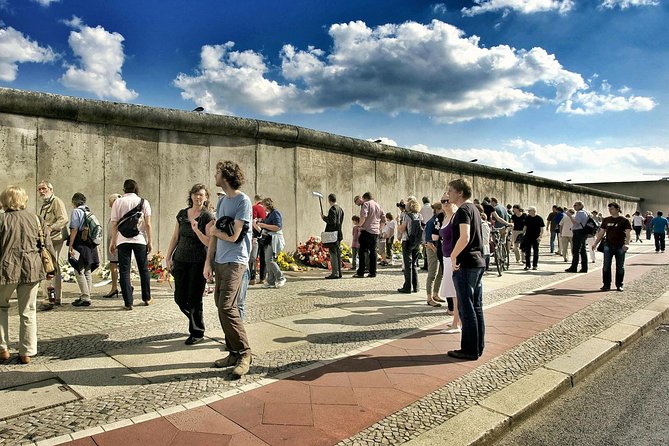
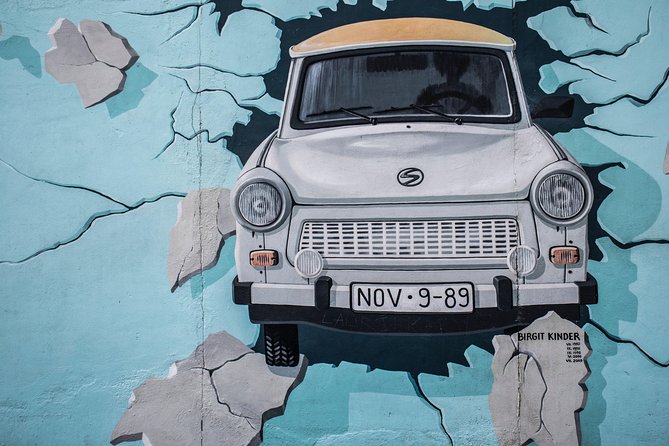
As you continue, you stop to ponder what remains of the Berlin Wall. Berlin does a lot with the Wall in big memorial sites, but here the focus feels closer to daily life. The Wall is treated as part of why Kreuzberg developed the way it did: suppression, division, and the political pressure that shaped movement, communities, and—eventually—creative counterculture.
This stop is short, but it changes the whole flavor of the walk. After you’ve stood near remaining fragments, street art and repurposed spaces start to make more sense. You begin to read the neighborhood like a set of surviving layers: some parts were erased, some were reshaped, and some turned into the raw material for new culture.
More of Berlin on foot

SO36 and Oranienstraße: where Turkish culture meets counterculture
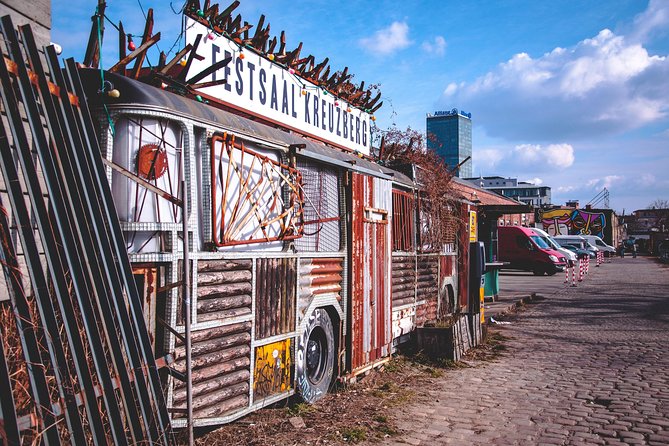
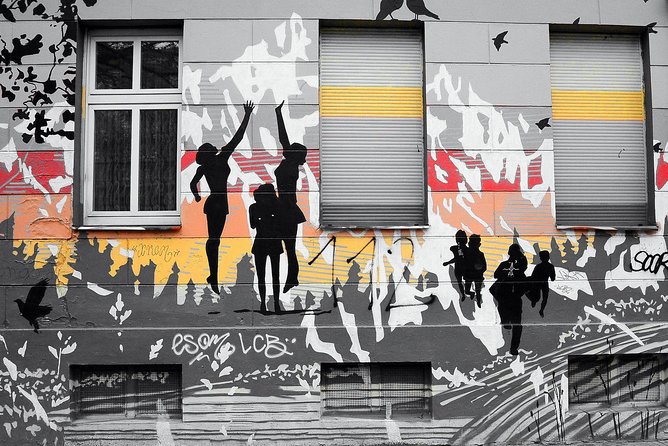
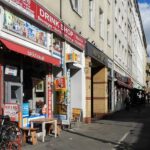
SO36 is the heart of the story on this walk. Oranienstraße is one of Kreuzberg’s famous streets, packed with eclectic boutiques and cafes, and it’s where you’ll likely see plenty of street-level creativity—walls, pop-up art energy, and everyday business rhythms side by side.
This is also where the tour brings in a key historical thread: the street battles at the turn of the century between Berlin anarchists and police. That detail matters because it explains why “counterculture” here isn’t just a trendy label. People fought for their version of freedom long before it became a brand.
Then comes the present-day layer that makes Kreuzberg feel different from other parts of Berlin: the neighborhood’s large Turkish presence. The tour points you toward local Turkish businesses and the market goods that come with them. Even if you don’t shop much, you’ll feel it—the sounds, the signage, and the sense that the area functions as a community hub, not just a tourist corridor.
Time-wise, you get enough room to look around without getting exhausted. Still, if you hate crowds or people-watching, this part may feel like a lot, because SO36 is lively and close-up by design.
Viktoriapark: a needed green reset in the middle of the story
After the high-energy streets, you get a breather at Viktoriapark. Kreuzberg has a reputation for grit and creativity, but green space is part of how people actually live there. This stop helps you reset your brain so the rest of the walk doesn’t blur into one long urban sprint.
Viktoriapark is one of Berlin’s best-known parks, and the tour uses it as a moment to widen the view. You’re no longer only reading walls and shopfronts. You start thinking about how public space, relaxation, and community overlap with political and economic change.
This is a good time to ask your guide questions too—like how the neighborhood’s identity affects who moves in, rents go up, and what kind of businesses survive.
Ending with Kreuzberg’s future: riverside development and the gentrification question

The walk doesn’t end at history. It ends by talking about what could change next. You’ll hear about future plans for Kreuzberg and the looming riverside development project, which can accelerate gentrification.
This is the part I find most useful because it helps you interpret what you see right now. When a neighborhood gets investment, it can bring improvements like safety and infrastructure—but it can also push out the people and businesses that created the character in the first place. Kreuzberg has resisted that pressure in some ways, and the tour frames that pushback as an ongoing struggle rather than a finished chapter.
You’ll likely leave thinking about how a city protects creativity. Not in theory—by asking practical questions like: What happens to artists when rents rise? What happens to small community stores when big brands move in? Where does street art go when walls get “cleaned up”?
Price and value: what $450 for up to 10 really buys
Let’s talk money plainly. The tour costs $450 per group, up to 10 people, for about 3 hours. That’s private, and it’s led by a historian, which means you’re paying for a guide’s time plus on-the-ground neighborhood expertise.
Value usually depends on group size. If you’re a couple, you’re paying a premium per person. But if you’re traveling with a small group—friends, a family with teens, or a mixed group—your cost per person drops fast because the price is per group.
A few other value signals:
- The route includes stops where admission is free at the key points listed (like Wall remnants, SO36 areas, Viktoriapark).
- The walk keeps context focused on a specific part of Kreuzberg, so you get less “travel time filler.”
- The guide’s ability to match your interests matters. If you care about street art, politics, or Turkish neighborhood life, private matters because you can steer the conversation.
Costs not included to budget for:
- Food and drinks (so plan on choosing a place after the tour).
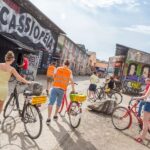
- Optional bike rental (10 EUR per person) if you want to cover more territory.
Also note: it’s an experience that people tend to book ahead, with average bookings around 10 days. If you’re traveling in peak season or want a specific morning vs afternoon slot, I’d reserve early.
Logistics that actually matter on this route
This tour is a walking experience, but it’s not a pure walk-the-whole-way plan. You’ll use public transport a few times since some segments would be too far to walk comfortably.
That’s a good thing if you want more content in less time. It also means you should:
- Wear comfortable shoes with decent grip.
- Keep your phone charged for the mobile ticket and for quick transit navigation.
- Expect a bit of waiting during transport legs, especially at busy intersections around SO36.
Departure is offered in the morning or afternoon, so pick based on your energy level. If you’re tired of museums and want a streets-first day, afternoon can work well. If you like cooler temperatures and a more relaxed rhythm, morning is often better.
Who this tour fits best (and who might not love it)
This private Kreuzberg tour is a strong match if you want:
- A neighborhood-focused Berlin experience with political and cultural context tied to real places
- Street art plus the day-to-day texture of immigrant communities
- A guide who can slow down or speed up based on your interests
It’s also a good option for families, since the history is presented through visible locations and a guide can keep things engaging for younger minds.
If you dislike political topics, street art, or neighborhoods with strong local identity, you might find parts of the Wall and anarchist/police history heavy. In that case, you can still enjoy the cultural shopping and the park, but you may not get as much out of the framing.
Should you book this Kreuzberg Private Walking Tour?
If you want Berlin that feels current—where history still presses into the sidewalk—this is a good booking. The mix of Oberbaumbrücke, Wall remnants, SO36, and Viktoriapark gives you a complete arc: past pressure, present culture, and future risk. And with a private historian guide like Klaus, the experience doesn’t feel scripted. It feels like you’re being taught how to read Kreuzberg.
I’d say book it if:
- You’re excited by street art and local markets, not just monuments
- You want a guide who can adapt the pace to your group
- You care about the gentrification conversation enough to ask real questions
Skip or consider alternatives if:
- You only want major landmark sightseeing and minimal context
- You’re looking for a strictly walking-only route with no transit legs
FAQ
How long is the Kreuzberg private walking tour?
It lasts about 3 hours.
What does the tour cost?
The price is $450 per group, up to 10 people.
Where do we meet the guide?
The meeting point is Schlesische Str. 18, 10997 Berlin, Germany.
Is the tour private and how big are the groups?
Yes, it is private, with a maximum of 10 travelers.
Will I need to use public transport?
Yes. You will use public transport a few times, since some distances between key sites would be too far to walk.
What is included in the price?
You get a 3-hour walking tour of Berlin with a historian guide, and the tour is private. Admission is listed as free for the stops included.
Is there anything extra I should plan to pay for?
Food and drinks are not included unless specified. There is also an optional bike rental at 10 EUR per person.
What do I get for the ticket?
You receive a mobile ticket.
Can I cancel and get a full refund?
Yes. You can cancel up to 24 hours in advance for a full refund.
More Tours in Berlin



More Tour Reviews in Berlin

Kreuzberg and the Eastern Districts

Round out your days in Berlin
Kreuzberg & Alternative Districts, compared.
 ★ 4.5Kreuzberg: Culinary Food TourFrom $589770 reviews
 ★ 4.7Kreuzberg Guided Walking Evening TourFrom $27555 reviews
 ★ 4.7Alternative Bike Tour of Kreuzberg & FriedrichshainFrom $41548 reviews
 ★ 4.92.5-Hour Walking Tour through Kreuzberg 61From $23525 reviews
 ★ 5.0Berlin Off-the-Beaten-Path Walking Tour: Kreuzberg, Mitte and FriedrichshainFrom $30412 reviews
 ★ 4.8Experience the Alternative Kreuzberg on a Bike TourFrom $41395 reviews
 ★ 4.9Prenzlauer Berg District Guided Walking TourFrom $23316 reviews
 ★ 4.8Gay Berlin Out in Schöneberg Walking TourFrom $23281 reviews
Browse the lists this tour appears in