
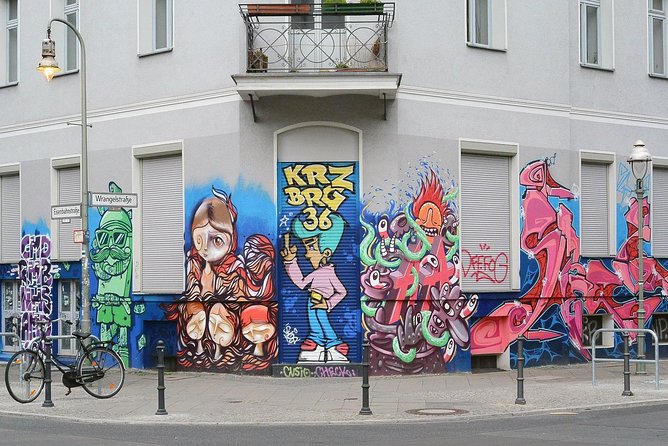
REVIEW · KREUZBERG & ALTERNATIVE DISTRICTS
Kreuzberg Walking Tour: Immigrants, Artists & Hipsters
Berlin can feel big and faceless fast. This Kreuzberg tour turns it into a human-scale story of people, art, and change. I particularly like how it starts on Oberbaumbrücke and uses the street-level route to explain why this neighborhood matters.
I also love the small-group format. With guides like Peter and Ronan leading the walk, the vibe stays conversational, and the stops connect to what you can see on the ground: street art, markets, and the traces of the Berlin Wall.
One possible drawback: you should be ready to walk (and use public transport a few times) and to buy your own snacks. If you want a fully “included food” experience, this isn’t that kind of tour.
In This Review
- Key tour takeaways
- Kreuzberg Through Immigrants, Artists, and Hipsters
- Where You Meet on Schlesische Str. 18 and How You Start
- Oberbaumbrücke: The Bridge That Sets the Tone
- Foot vs Bike: Picking the Right Pace for 3 Hours
- SO36, Cold War Boundaries, and the After-’89 Shift
- Traces of the Berlin Wall and the Creative Reuse Story
- Görlitzer Park: A Green Pause with a Purpose
- Markthalle 9 (About 120 Years Old): Old Market, New Culture
- Turkish Shops, Colorful Markets, and Gözleme as a Choice
- The Ending Discussion: Controversial Riverside Development Plans
- Guides Matter: Why Peter and Ronan Elevate the Walk
- Price and Value: Is $153.85 Worth It?
- Practical Tips for Your Kreuzberg Walk
- Who This Tour Is Best For
- Should You Book This Kreuzberg Walking Tour?
- FAQ
- How long is the Kreuzberg Walking Tour?
- What is the meeting point for the tour?
- Is the tour offered in English?
- Is this a small-group tour?
- Can I choose between walking and biking?
- Are food and drinks included?
- Do we use public transportation during the tour?
- What if my plans change?
Key tour takeaways
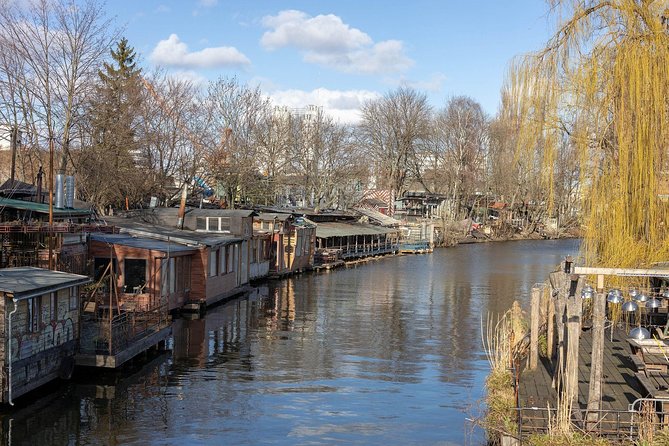
- Small-group feel: up to a handful of people, with time for questions
- Art historian perspective: street art and buildings get real context, not just trivia
- Flexible pace: choose foot or an optional bike rental for more ground in 3 hours
- Cold War to hipster-now: you’ll connect the Wall-era story to today’s scene in order
- Food stops that stay optional: markets and street eats like Gözleme are there, but not forced
- Future-focused ending: you finish with the controversy around riverside development plans
Deeper into Kreuzberg and the eastern districts
- Berlin: Kreuzberg Guided Walking Evening Tour★ 4.7 · 555 reviews
- Berlin: Alternative Bike Tour of Kreuzberg & Friedrichshain★ 4.7 · 548 reviews
- Berlin: 2.5-Hour Walking Tour through Kreuzberg 61★ 4.9 · 525 reviews
- Berlin Off-the-Beaten-Path Walking Tour: Kreuzberg, Mitte and Friedrichshain★ 5.0 · 412 reviews
Kreuzberg Through Immigrants, Artists, and Hipsters
Kreuzberg is one of Berlin’s best places to understand the city’s pull: lots of newcomers, lots of creativity, and lots of opinions about what comes next. This tour is built around that idea. You move through a neighborhood shaped by immigration, punk-rock energy, street art, and shifting politics.
What makes it work is the structure. Instead of hopping randomly, the route moves through the neighborhood’s layers in a way you can feel: a border-and-wall past, then post-’89 reinvention, then today’s everyday culture. It’s the kind of walk that helps you read Kreuzberg while you’re still standing in it.
If you like Berlin beyond the big-ticket monuments, this is your speed. It’s also a strong choice if you’ve already visited central Berlin and want a different lens for the same city.
Where You Meet on Schlesische Str. 18 and How You Start
You meet at Schlesische Str. 18 (10997 Berlin), near public transportation. That matters because this tour isn’t a single long hike with zero breaks. Distances between key points are big enough that you’ll use public transport a few times along the way.
The start is also smart. Getting going right near the neighborhood’s bustle helps you shed the tourist mindset and start noticing everyday details—shop signs, walls, murals, and the way people actually move through Kreuzberg.
You’ll get a mobile ticket, and confirmation comes at booking. That combination is useful if your Berlin days are already packed and you want low-stress logistics.
Oberbaumbrücke: The Bridge That Sets the Tone
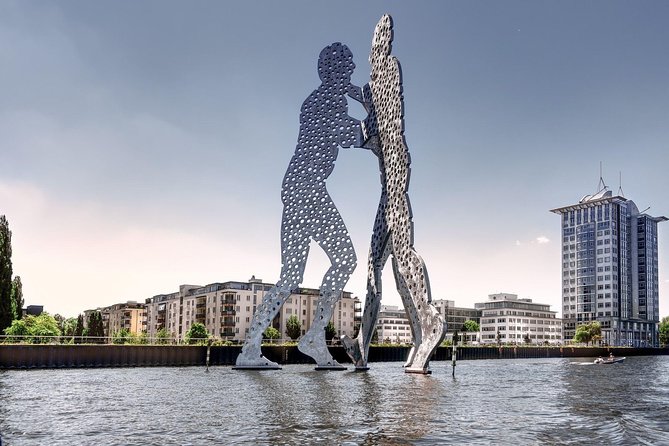
The tour’s first big moment is a stroll over Oberbaumbrücke, one of Berlin’s best-looking bridges. Even if you’ve seen photos before, it hits differently when you’re walking under/along the structure and watching how it sits across the urban fabric.
This isn’t just a pretty start. The bridge is a natural visual metaphor for the tour theme: a city divided and then reconnected. As the guide frames Kreuzberg’s story, you’ll start catching how physical landmarks and political lines overlap here.
From a practical view, it’s an easy way to get your bearings in the first minutes. If the day is cold or rainy, this early outdoor segment can still work—better than saving the longest open-air walk for later.
Foot vs Bike: Picking the Right Pace for 3 Hours

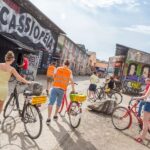
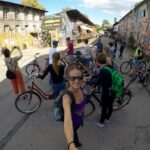
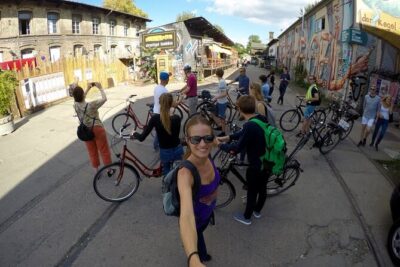
The tour can be done on foot or offered as a bicycle tour. The bike option covers more ground while staying within the district, which helps if you want more sites in the time window.
Bike rental is optional (listed at 10 EUR per person). If you’re comfortable riding in city traffic-adjacent areas, the bike version can be a fun way to keep momentum. If you prefer a calmer pace, the walking format lets you linger at street corners and look closely at things a bike might pass faster.
Here’s the trade-off: the more ground you cover, the more your success depends on shoes, weather, and attention span. If you’re the type who likes to stop for photos and short conversations, walking may feel more natural.
More of Berlin on foot

SO36, Cold War Boundaries, and the After-’89 Shift
After the bridge, you’ll move past the main landwards of SO36, with the guide explaining Kreuzberg’s rougher past and the fast-moving events that shaped its future. Even if you’ve heard bits and pieces of Berlin’s division, this part connects it to the neighborhood’s identity.
One thing I like about this segment is that it doesn’t treat history as a museum display. You’re looking at a neighborhood that still shows the impacts—through building use, street culture, and how people claim spaces.
You’ll also pick up the idea that Kreuzberg’s reputation isn’t only about rebellion or style. It’s also about survival, community, and adaptation. The guide’s job is to make those links feel obvious, not forced.
Traces of the Berlin Wall and the Creative Reuse Story
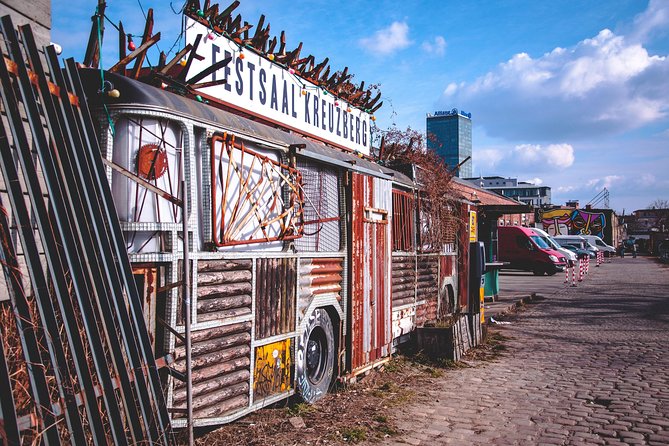
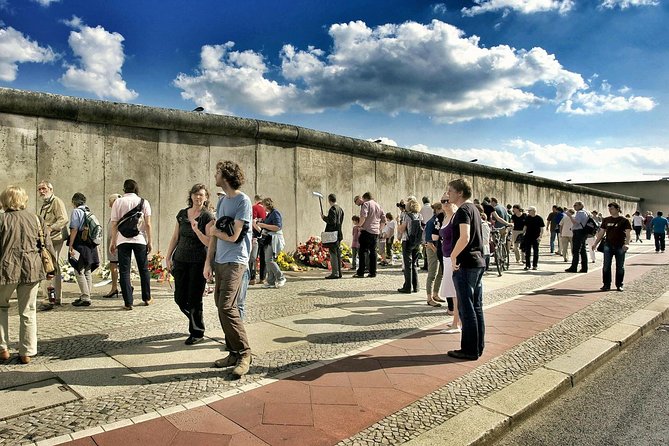
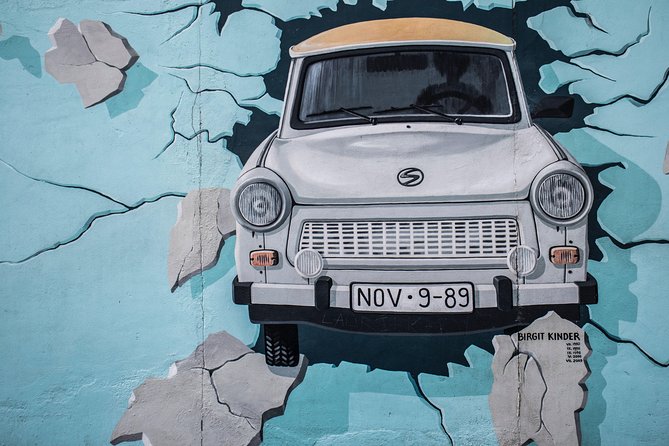
You’ll observe remains of the Berlin Wall during the walk. That’s a powerful moment, but the tour also avoids stopping there. Instead, the guide helps you see what comes after the wall-era reality: creative uses of abandoned buildings and unused plots of land.
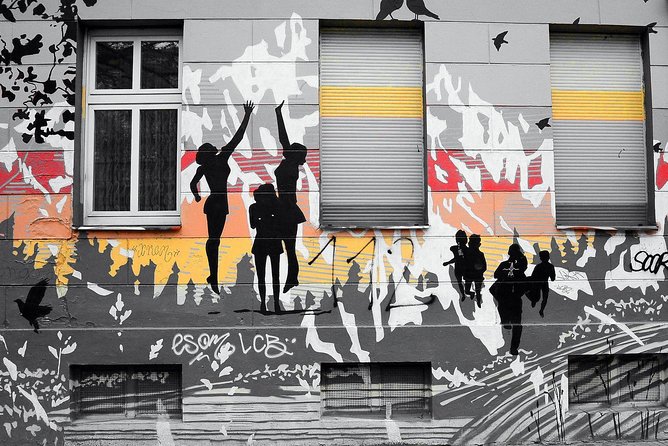
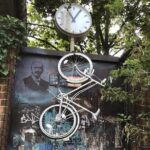
This is where an art historian guide really pays off. You’ll learn how graffiti, street art, and visual messaging aren’t random vandalism in this context. They’re part of how communities communicate—identity, critique, memory, and belonging—on surfaces where official stories once dominated.
The practical benefit: you’ll leave knowing what to look for. When you later see murals in other parts of Berlin, you’ll have a clearer sense of why they’re placed where they are and what they’re responding to.
Görlitzer Park: A Green Pause with a Purpose
Next you reach Görlitzer Park, described on the route as a graceful stop. Parks can be a time-waster on some tours. Here, it works as a break that resets your eyes after wall traces, street art, and dense streets.
Think of it as a breath between chapters. You get a moment to sit or at least slow down, then your energy is ready again for the market-hall stop that follows.
If your trip includes other Berlin areas, this pause also helps you avoid the “constant walking blur” that makes photos feel empty. You’ll notice more once your brain catches up.
Markthalle 9 (About 120 Years Old): Old Market, New Culture
At Markthalle 9, you’ll visit a market hall that’s about 120 years old. This is a great stop because it contrasts with the neighborhood’s street-level creative identity. You get a sense of structure—vendors, stalls, a place designed for commerce—while still seeing how Kreuzberg culture feeds into what sells and what people crave.
Market halls are also where immigrant neighborhoods become easy to understand. You’re not reading theory. You’re seeing goods, aromas, and the everyday work of feeding a community.
A downside to keep in mind: if you’re short on time or you’re not into food-shopping atmosphere, you might wish for a faster window. Still, even if you don’t plan to buy much, it’s a strong visual and cultural anchor.
Turkish Shops, Colorful Markets, and Gözleme as a Choice
One of the most enjoyable sections is the movement through Turkish culture in shops and colorful markets. The route is packed with sensory details—flowers, spices, and take-away foods—and the guide points out what’s worth trying.
You might see foods like deep-fried spinach and cheese Gözleme mentioned as a local option. Since food and drinks aren’t included unless specified, you should budget for snacks yourself if you want to sample.
This approach is good for most people. You’re free to follow your tastes, and you’re not stuck with a single paid-for tasting that may not match your appetite. If you prefer lighter snacking, you can do that too.
The Ending Discussion: Controversial Riverside Development Plans
The tour closes by discussing controversial riverside development plans. This part matters because it connects Kreuzberg’s identity to real-world policy and money—who gets space, who gets displaced, and how neighborhoods change under redevelopment pressure.
It’s also a useful way to think about what you’ll see after the tour. When you later notice new construction, renovated buildings, or changing storefronts, you’ll have a clearer framework for the debate.
This isn’t doom-and-gloom. It’s about understanding the tension between growth and community. That’s one of the best ways to experience Kreuzberg without flattening it into a trend.
Guides Matter: Why Peter and Ronan Elevate the Walk
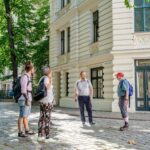
A big reason this tour earns strong ratings is the guide quality. Names come up: Peter is praised for insider knowledge and personal attention, while Ronan is noted for being patient, thoughtful, and easy to talk with.
That kind of guide makes a difference in a neighborhood tour. You don’t just get a list of places. You get reasons. You also get answers—plus side discussions that can turn a street corner into a mini seminar.
There’s also a practical angle: if the weather turns bad, the guide’s ability to keep the pace and energy up counts. In one experience, heavy cold or rain didn’t slow the group much, because the guide had plenty to talk about without rushing people along.
Price and Value: Is $153.85 Worth It?
At $153.85 per person for about 3 hours, the price isn’t low. But it also isn’t trying to be a bargain bus tour. You’re paying for a professional art historian guide and a small-group format.
Small group matters here. With a max of 6 stated for the tour and caps also shown as up to 8 per booking and 10 travelers for the activity, you’re unlikely to feel lost in a crowd. That usually means more interaction, better pacing, and more chance to ask questions about the art, the graffiti, or the historical context you’re seeing.
You’re also paying for planning. The route uses public transport a few times, which suggests the guide is linking distant points intelligently. That saves you from DIY route stress and from wasting time getting between stops.
Food, drinks, and bike rental (if you choose it) are extra. So the true cost depends on how hungry you get and whether you rent a bike. If you treat snacks as part of the fun, budget a little extra and you’ll feel the value more clearly.
Practical Tips for Your Kreuzberg Walk
Wear shoes you don’t mind walking in for a few hours. Even with transit used along the way, this tour is still an active neighborhood experience.
Bring a light layer if Berlin weather swings. The tour includes outdoor segments like Oberbaumbrücke, and rain can change how long you want to pause for photos.
If you choose the bike version, confirm how the ride is managed with the group. The tour is designed to stay within Kreuzberg, but you’ll still want comfortable, secure riding gear.
Since food isn’t included, decide in advance whether you want to treat the markets as a snack run. If you do, having a small cash/card plan helps. The guide can point you to foods like Gözleme, but you’ll buy them yourself.
Also plan to use public transport. The tour explicitly requires it a few times because some key sites are too far to walk. If you like smooth days, don’t schedule this right next to something that requires sprinting across the city.
Who This Tour Is Best For
This is a strong fit if you:
- want to see Kreuzberg as a lived-in neighborhood, not a quick-photo stop
- care about street art and graffiti with context, not just images
- like immigrant culture and market atmosphere
- enjoy history, but only when it explains what you’re looking at today
It’s also a good pick for Berlin newcomers who want a break from the tourist center. The route gives you a faster understanding of why Kreuzberg has the reputation it does.
If you hate walking or you want zero public transport during a tour, you might want a different option. The route is built for movement, plus short transit hops.
Should You Book This Kreuzberg Walking Tour?
I’d book this if you want a guide-driven way to understand Kreuzberg’s “three-part identity”: immigrants, artists, and hipsters. The best value comes from being open to street-level learning—graffiti context, Wall traces, market culture, and a real discussion of redevelopment pressures.
I’d skip or reconsider if you’re mainly after iconic Berlin sights like museums or Brandenburg Gate-style landmarks. This tour stays in Kreuzberg on purpose. You’re here to learn a neighborhood, not to tick off the postcard list.
If you’re undecided, choose based on pace: foot for slower wandering and closer looking, bike for covering more ground in the same time. Either way, you’ll finish with a much clearer sense of why Kreuzberg feels like Berlin’s alternative brain.
FAQ
How long is the Kreuzberg Walking Tour?
It runs for about 3 hours.
What is the meeting point for the tour?
The start is Schlesische Str. 18, 10997 Berlin, Germany. The end point is listed as Berlin (not a specific address).
Is the tour offered in English?
Yes, it’s offered in English.
Is this a small-group tour?
Yes. The tour is described as a small group with a stated maximum of 6 people, and the activity also lists caps of up to 8 per booking and up to 10 travelers.
Can I choose between walking and biking?
Yes. The tour can be done on foot, and there’s also an optional bicycle tour. Bike rental is offered for 10 EUR per person.
Are food and drinks included?
Food and drinks are not included unless specified. The tour includes market stops where you can sample items like Gözleme, but you’d plan to pay for what you want.
Do we use public transportation during the tour?
Yes. You’ll use public transport a few times, since some sites are too far apart to walk.
What if my plans change?
Free cancellation is available. You can cancel up to 24 hours in advance for a full refund.
More Tours in Berlin


More Tour Reviews in Berlin
Kreuzberg and the Eastern Districts

Round out your days in Berlin
Kreuzberg & Alternative Districts, compared.
 ★ 4.5Kreuzberg: Culinary Food TourFrom $589770 reviews
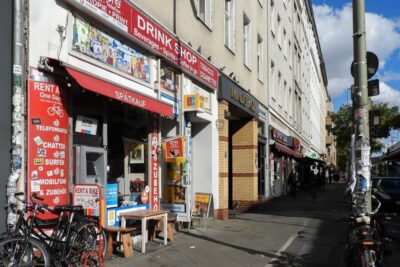 ★ 4.7Kreuzberg Guided Walking Evening TourFrom $27555 reviews
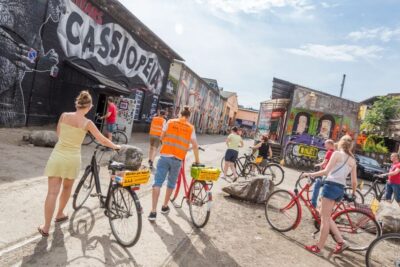 ★ 4.7Alternative Bike Tour of Kreuzberg & FriedrichshainFrom $41548 reviews
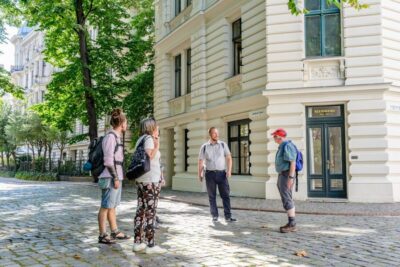 ★ 4.92.5-Hour Walking Tour through Kreuzberg 61From $23525 reviews
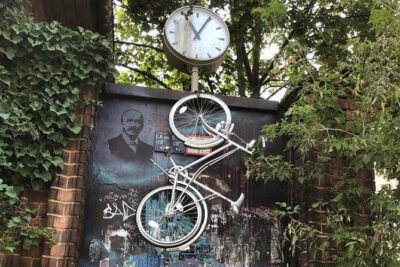 ★ 5.0Berlin Off-the-Beaten-Path Walking Tour: Kreuzberg, Mitte and FriedrichshainFrom $30412 reviews
 ★ 4.8Experience the Alternative Kreuzberg on a Bike TourFrom $41395 reviews
 ★ 4.9Prenzlauer Berg District Guided Walking TourFrom $23316 reviews
 ★ 4.8Gay Berlin Out in Schöneberg Walking TourFrom $23281 reviews
Browse the lists this tour appears in