
REVIEW · KREUZBERG & ALTERNATIVE DISTRICTS
Privat: Berlin: Walking Tour of Prenzlauer Berg
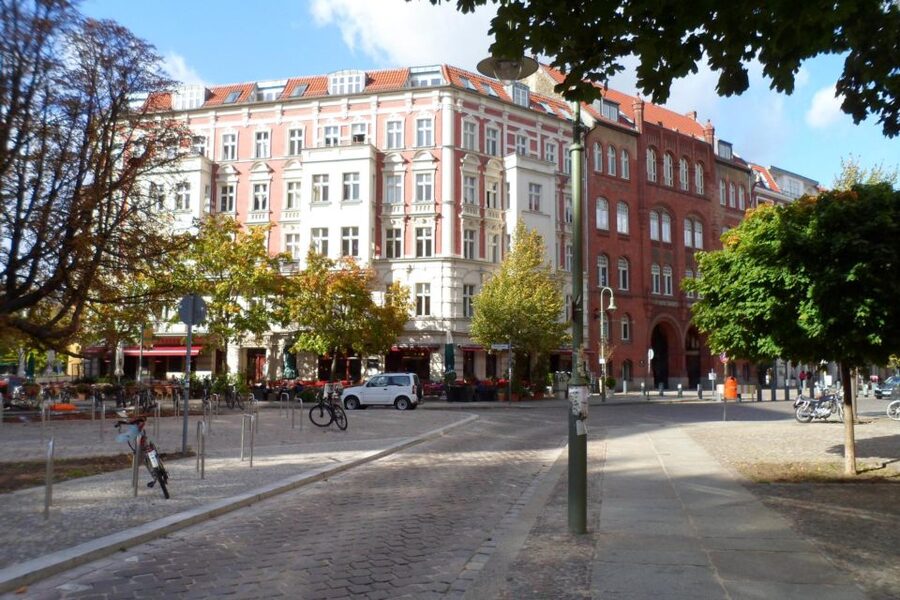
Prenzlauer Berg shows Berlin in miniature. In about 150 minutes, you’ll connect street-level details—architecture, community, and everyday food—with the big political shifts that reshaped this East Berlin neighborhood.
I especially like two things: the way the route balances landmarks with normal-life corners (bars, cafes, little shops), and the built-in food moment at Konnopke’s Imbiss for Berlin’s famous currywurst.
One consideration: it’s a fast half-day. If you want long sits, lots of photos with zero pacing, or museum-style time, this tour may feel a bit tight.
In This Review
- Key things that make this tour worth it
- Why Prenzlauer Berg Feels Like a Living Neighborhood
- Price, Private Group Size, and Time on the Ground
- Meeting Point and the Route End at Schönhauser Allee
- Jewish Cemetery to Wasserturm: Learning the Neighborhood’s Memory
- Kollwitzplatz and Rykestrasse Synagogue: Community in Plain Sight
- Kulturbrauerei: Industrial Architecture That Still Has a Pulse
- Prater Beer Garden: The Oldest Beer Garden Stop
- Konnopke’s Imbiss and Currywurst: Street Food with Berlin Cred
- Cycling Time, Walking Pace, and What Weather Means Here
- What Guides Like Katrin and Uli Do Differently
- Who This Tour Suits Best (and Who Might Want Something Else)
- Should You Book This Prenzlauer Berg Tour?
- FAQ
- How long is the Prenzlauer Berg walking tour?
- What is the price for this private tour?
- Where does the tour meet?
- Where does the tour finish?
- Is this tour private or shared?
- What language is the guide?
- Will the tour run in bad weather?
- Are refreshments included?
- What food is included in the tour?
- Is there a cancellation option?
Key things that make this tour worth it
- Prenzlauer Berg before-and-after 1989: how the mix of people changed when the Wall fell
- Real neighborhood stops: Kollwitzplatz and views like the Wasserturm keep it grounded
- Kulturbrauerei industrial architecture: old factory bones, repurposed for today
- Prater Beer Garden: a classic stop that’s specifically noted as the oldest beer garden in Berlin
- Currywurst at Konnopke’s: not a snack drawer moment—an intentional Berlin flavor break
- Guides who pace safely: I’ve seen examples like Uli checking the route when there was snow and ice
Deeper into Kreuzberg and the eastern districts
- Berlin: Kreuzberg Guided Walking Evening Tour★ 4.7 · 555 reviews
- Berlin: Alternative Bike Tour of Kreuzberg & Friedrichshain★ 4.7 · 548 reviews
- Berlin: 2.5-Hour Walking Tour through Kreuzberg 61★ 4.9 · 525 reviews
- Berlin Off-the-Beaten-Path Walking Tour: Kreuzberg, Mitte and Friedrichshain★ 5.0 · 412 reviews
Why Prenzlauer Berg Feels Like a Living Neighborhood
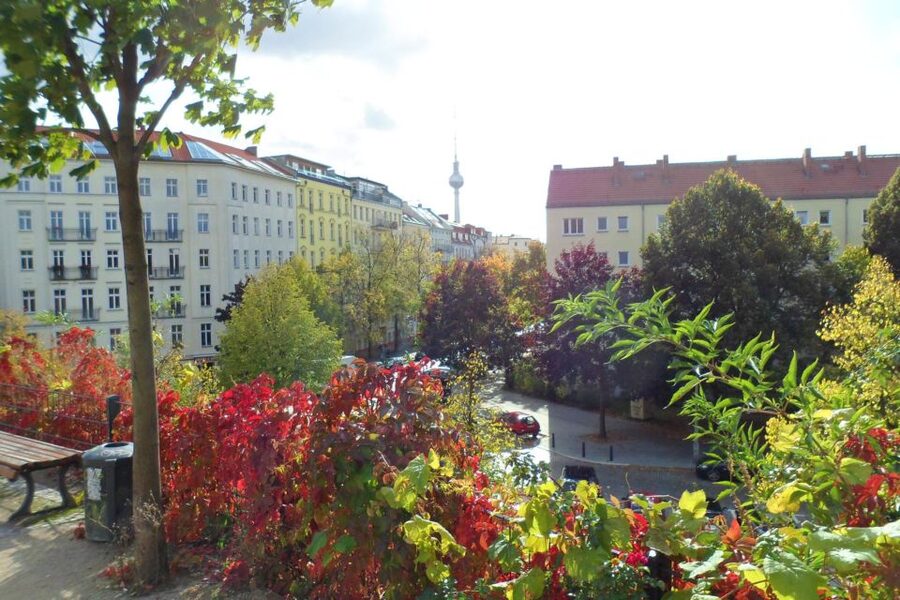
Prenzlauer Berg is one of those places where you can read the city like a stack of eras. You start with people and buildings that survived dramatic times, then you watch the neighborhood reinvent itself as tastes and residents changed. The tour’s big value is that it doesn’t treat history like a lecture. It ties the story to what you can actually see outside your window—street patterns, recognizable landmarks, and everyday gathering spots.
What I love is how the neighborhood’s character is explained through its communities. In the GDR period, this area was known for an unusually mixed population: laborers and artists, and also people who challenged the government, including punks and squatters. After 1989, the change was rapid. The destruction from World War 2 was relatively limited, so redevelopment and building patterns could shift quickly afterward. By today’s standards, the “original” residents have largely moved on, and the neighborhood has become a magnet for people who can afford higher rents—especially young families. The result? You end up with a Berlin district that feels like it has kids in the mix all day, not just nightlife after dark.
And the tour makes sure you get that feeling. It’s not only about big sights; it’s about why so many people treat this area as a place to live. When you finish, you’ll understand how a district becomes a habit: cafes and bars, galleries and small shops, and that constant sense that life happens on the sidewalk.
Price, Private Group Size, and Time on the Ground
This is a private group tour priced at $221 per group (up to 8 people) for a total of 150 minutes. That pricing structure matters. Instead of paying per person and losing value if your group has different interests, you’re paying for the guide’s attention and the specific route. For small groups, it often becomes one of the most cost-effective ways to get a tailored neighborhood walk.
Is it “cheap”? No. But you’re not just buying a generic route. You’re getting a guided explanation of why Prenzlauer Berg changed—socially and politically—and a sequence of stops that are deliberately chosen: cemetery, church/synagogue-related views, industrial architecture, a beer garden, and street food.
Time-wise, plan on a half-day that moves. There are quick look-ins along the way (for example, the Wasserturm and views near major squares), and then longer attention on places like Kulturbrauerei and the beer garden area. If you’re traveling with adults who like context, you’ll feel satisfied. If you’re traveling with people who want slow roaming, you may want to add extra time on your own right after the tour ends.
Meeting Point and the Route End at Schönhauser Allee
You meet at the entrance to the Jewish Cemetery on Schönhauser Allee 23–25. That choice isn’t random. Starting at a place tied to community memory helps set the tone early: this neighborhood isn’t just trendy now; it has layers, and the guide can build context before you move into the lively public spaces.
You finish at Schönhauser Allee 44B (10435 Berlin). That matters because you don’t end in a dead zone. You’re dropped back in a main street area, which makes it easier to continue your own exploring—coffee, a longer meal, or just wandering without feeling like you’ve reached a cliff-edge of the city.
Jewish Cemetery to Wasserturm: Learning the Neighborhood’s Memory
The first sightseeing stop is the Jewish Cemetery. Even without turning it into a long formal visit, it gives you an anchor point for understanding how tightly history and identity are woven into Berlin neighborhoods. Cemeteries in Berlin often feel like archives written in stone—quiet, specific, and full of meaning. In a tour like this, it’s a strong beginning because it prepares you to see later stops with more than surface-level impressions.
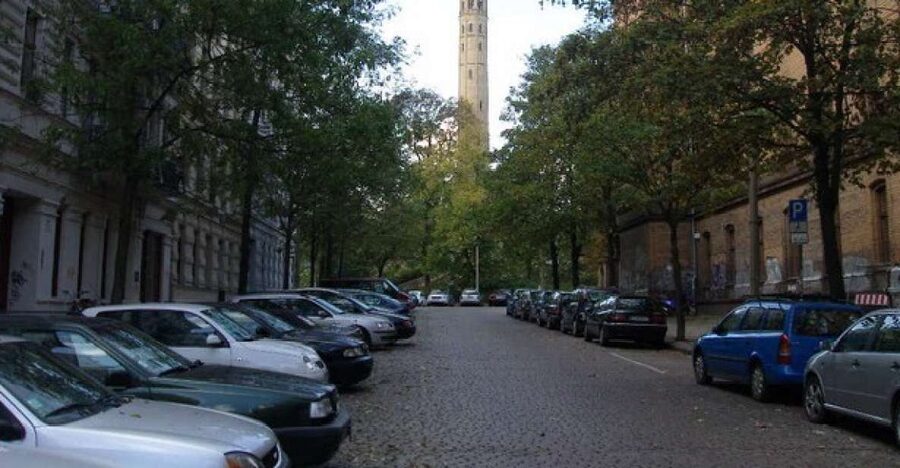
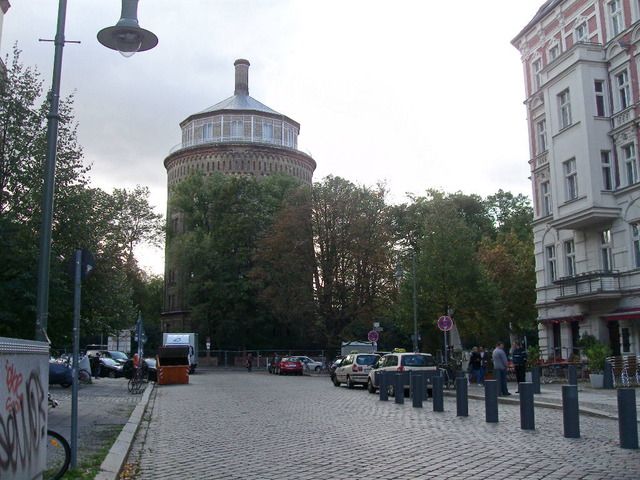
From there, the route heads toward the Wasserturm in Prenzlauer Berg. A water tower might sound like a minor detail, but Berlin’s towers and industrial leftovers are often visual shortcuts to earlier urban planning. It’s the kind of landmark you remember because it’s distinctive, and it helps you orient the district as something built with purpose.
One practical note: the tour keeps moving. If you like to read every sign or stop for extra photos, you may want to compensate by giving yourself a bit more time before your next plan later in the day.
More of Berlin on foot
Kollwitzplatz and Rykestrasse Synagogue: Community in Plain Sight
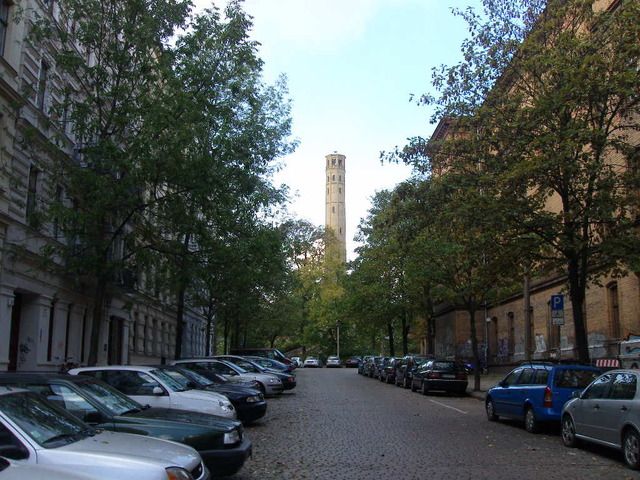
Kollwitzplatz is the kind of square that lets you feel daily life. In this tour, it’s not presented as a must-see postcard. It’s more useful than that. You’re seeing how public spaces function in a neighborhood that attracts people who want a place to belong—families, students, and nightlife crowds sharing the same streets.
Then you move toward the Rykestrasse Synagogue. Religious architecture in Berlin isn’t only about religion; it’s also about visibility and community presence. Seeing the synagogue area after Kollwitzplatz helps connect the dots between everyday public life and organized community institutions.
This is also where the guide style starts to matter. Some tours throw facts at you. This one leans toward explanation—how the neighborhood became what it is, and how different groups found a home here. That’s why the reviews you’ll come across tend to emphasize competent, engaged guiding and an ability to make the political story feel relevant.
Kulturbrauerei: Industrial Architecture That Still Has a Pulse
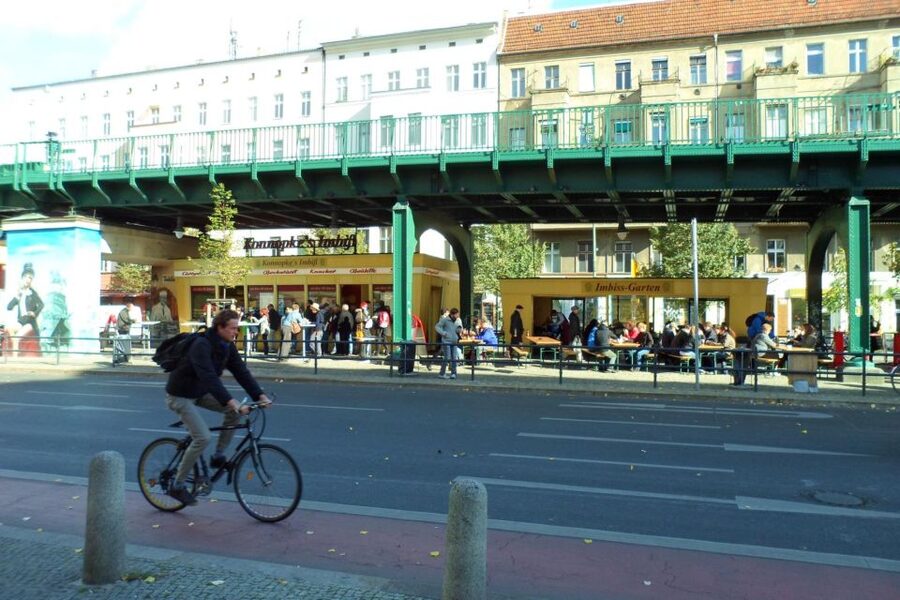
Kulturbrauerei is one of the strongest “architecture with meaning” stops on the route. The tour specifically highlights well-preserved examples of industrial architecture here, and that’s exactly what you’ll notice if you look at the structures as you approach: the buildings have the bones of another era. They weren’t built for today’s café culture, yet they’ve been adapted for modern uses.
What makes this stop valuable is the link between physical space and social evolution. Prenzlauer Berg has had different “jobs” over time—places where people lived, gathered, protested, and reshaped their daily routines. By showing you industrial architecture at Kulturbrauerei, the guide helps you understand that change doesn’t always mean demolition. Sometimes it means repurposing.
This is also a great moment to slow down. You can take in the edges of the complex, imagine what those buildings looked like when they were working, and then compare it with what you’re seeing now. If you enjoy places where Berlin’s past is visible instead of polished away, you’ll get a lot out of this.
Prater Beer Garden: The Oldest Beer Garden Stop
Next comes the Prater Beer Garden. It’s singled out for a reason: it’s described as the oldest beer garden in Berlin. Even if you don’t plan to order a full drink or meal, the value is in understanding how such spaces function.
A beer garden is a social machine. It’s where people meet because the setting makes meeting easy—open air, long-established reputation, and a layout that suits conversation. In a neighborhood known for an eclectic mix of residents, a long-running gathering place fits the story perfectly. It’s not only a beverage stop. It’s a living example of how community can be built and sustained on something simple.
The practical angle: this is still part of a 150-minute tour, so don’t assume you’ll have unlimited time to linger. Still, it’s one of those stops that can gently shift your pace for a bit, letting you absorb the district after the more structured sightseeing moments.
Konnopke’s Imbiss and Currywurst: Street Food with Berlin Cred
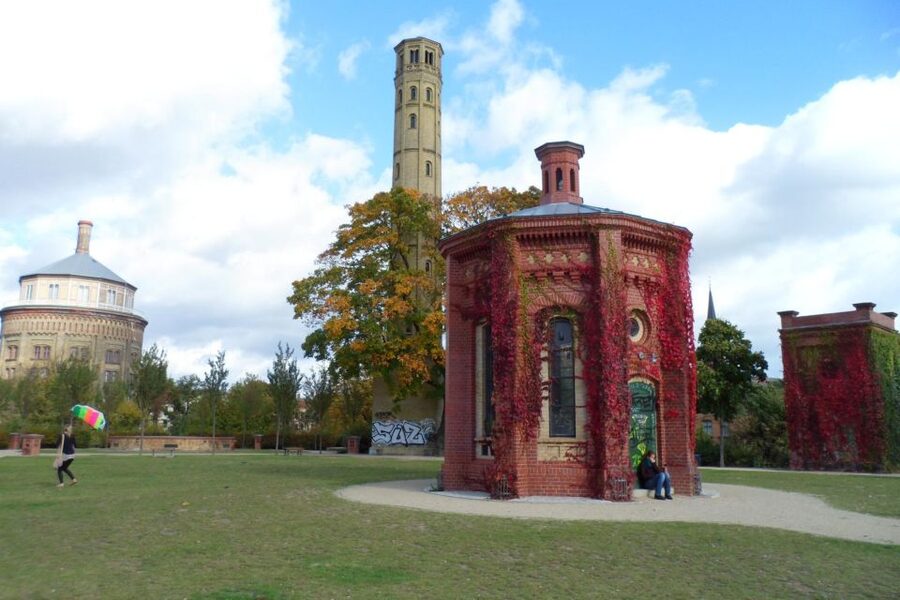
The tour’s food moment is Konnopke’s Imbiss. It’s included as a sightseeing highlight, and the tour specifically flags currywurst as the street food mainstay you’ll try. This is the right kind of “authentic” experience: not a gimmick, and not a fine-dining detour. Currywurst is Berlin comfort food, and tasting it here connects you to everyday local habits.
What I like about this stop is that it gives you a Berlin flavor that matches the neighborhood’s identity as a place where life happens outdoors and on the move. You’re not eating in a themed space. You’re eating in a spot tied to local routines.
One caution: since refreshments aren’t included, budget for your own drink and any extras you want to add. Currywurst usually won’t blow the day’s costs, but it’s still a real purchase during the tour window.
Cycling Time, Walking Pace, and What Weather Means Here
This tour is labeled as a walking tour, but the highlights also mention a half-day cycling element. The practical takeaway for you is simple: expect a mix of moving by foot and at least some cycling time. That combination can make a difference in how much you see without turning the outing into a full-day endurance event.
You’ll also want to think about weather. The tour runs in all weather conditions, including rain or cold. If it rains, you get free rain ponchos. That’s helpful, because it means you won’t end up canceling your day plans the minute clouds move in.
For what to bring, focus on basics: comfortable shoes, a weather-ready layer, and something small for warmth if it’s cold. If you get cold easily, don’t rely on the poncho alone—bring a warm top under it.
What Guides Like Katrin and Uli Do Differently
Guides matter a lot on a neighborhood tour. You can tell quickly when someone is recycling a script versus when they understand how the neighborhood works.
In the feedback I’ve seen from past participants, a common theme is engagement and clarity. One guide named Katrin comes up for being especially well-informed and energetic, with the tour feeling like it passed quickly because the information kept flowing. Another guide named Uli is praised for going beyond architecture notes and making the political story easier to understand. There’s also a practical detail: Uli checked the route in advance when conditions were slippery due to snow and ice. That kind of care turns a walking tour from a nice idea into an actually smooth experience.
If you care about both story and logistics—how to interpret places while still staying comfortable—this tour format is built for that. You’ll feel less like you’re walking through a catalog and more like you’re learning how the district got its current personality.
Who This Tour Suits Best (and Who Might Want Something Else)
This tour is a strong fit if:
- you want context behind Prenzlauer Berg’s current vibe, not just photos of it
- your group includes a mix of interests—architecture, food, and political/social history
- you like an active half-day that still leaves room for your own wandering afterward
It might not be the best fit if:
- you need lots of long breaks or time inside buildings not mentioned on the route
- you prefer only walking and would rather avoid any cycling element
- you want a slow, drop-in neighborhood stroll with no pacing
That said, the tour’s structure is designed to cover key ideas and stops without turning it into a marathon. It’s the kind of outing that works well as a first look at a district you’ll revisit later.
Should You Book This Prenzlauer Berg Tour?
Book it if you want a focused introduction to Prenzlauer Berg that connects people, politics, and place. The route hits meaningful landmarks (Jewish Cemetery, Rykestrasse Synagogue, Kulturbrauerei), then slows down at social anchors (Prater Beer Garden), and finishes with a classic taste of Berlin (currywurst at Konnopke’s). For a private group up to 8, the price can also be reasonable value because you’re paying for guided interpretation, not just movement from stop to stop.
Skip it or pair it with extra time if you’re hoping for a very relaxed outing. The tour is efficient on purpose, and the food and beer garden moments are part of the flow rather than long standalone breaks.
FAQ
How long is the Prenzlauer Berg walking tour?
The tour lasts 150 minutes.
What is the price for this private tour?
It costs $221 per group, up to 8 people.
Where does the tour meet?
The meeting point is at the entrance to the Jewish Cemetery on Schönhauser Allee 23–25.
Where does the tour finish?
The tour finishes at Schönhauser Allee 44B, 10435 Berlin.
Is this tour private or shared?
It’s a private group tour.
What language is the guide?
The guide is listed as German. Another part of the activity info also mentions an English-speaking guide, so if English is important to you, it’s smart to confirm at booking.
Will the tour run in bad weather?
Yes. The tour operates in all weather conditions, and rain ponchos are provided if it rains.
Are refreshments included?
No. Refreshments are not included.
What food is included in the tour?
The tour highlights trying currywurst at Konnopke’s Imbiss.
Is there a cancellation option?
Yes. Free cancellation is offered if you cancel up to 24 hours in advance for a full refund.
More Tours in Berlin



More Tour Reviews in Berlin
Kreuzberg and the Eastern Districts

Round out your days in Berlin
Kreuzberg & Alternative Districts, compared.
 ★ 4.5Kreuzberg: Culinary Food TourFrom $589770 reviews
 ★ 4.7Kreuzberg Guided Walking Evening TourFrom $27555 reviews
 ★ 4.7Alternative Bike Tour of Kreuzberg & FriedrichshainFrom $41548 reviews
 ★ 4.92.5-Hour Walking Tour through Kreuzberg 61From $23525 reviews
 ★ 5.0Berlin Off-the-Beaten-Path Walking Tour: Kreuzberg, Mitte and FriedrichshainFrom $30412 reviews
 ★ 4.8Experience the Alternative Kreuzberg on a Bike TourFrom $41395 reviews
 ★ 4.9Prenzlauer Berg District Guided Walking TourFrom $23316 reviews
 ★ 4.8Gay Berlin Out in Schöneberg Walking TourFrom $23281 reviews
Browse the lists this tour appears in