
REVIEW · SACHSENHAUSEN MEMORIAL
Private Sachsenhausen Concentration Camp tour with train
Few places in Europe feel this heavy. This is a private Sachsenhausen visit that pairs hotel pickup with a memorial-trained guide and lets you ask questions all day. I also love the built-in historical layering, starting in Oranienburg and ending on the camp grounds. The main drawback to flag up front: it’s a long day with lots of walking and some uneven surfaces.
You’ll spend about 6 hours on the outing, in English, with departures timed to work from Berlin. Because it’s private, the pacing is usually smoother than a big group tour, and you can linger where your brain needs a minute. It’s still serious work for your body, so wear shoes you trust.
Plan ahead for comfort. Bring water, expect limited amenities during the day, and mentally prepare for the subject matter—it’s meant to educate and confront, not to entertain.
In This Review
- Key points worth knowing before you go
- A private Sachsenhausen day by train: what makes it different
- Oranienburg first: where forced labor became local business
- The memorial museum block: why Sachsenhausen mattered to the Nazi plan
- Walking the grounds and Station Z: how the camp worked day to day
- Guides and pacing: what your 6-hour day feels like
- Price and value: what $338.15 really buys
- What to bring (and what not to overpack)
- Who this tour fits best (and who should think twice)
- Should you book it? My straight advice
- FAQ
- How long is the Sachsenhausen private tour from Berlin?
- Is the tour private or shared with other travelers?
- What language is the tour offered in?
- Does the price include pickup and drop-off?
- Is food included?
- How much walking should I expect?
- What if I need to cancel last minute?
Key points worth knowing before you go
- Hotel pickup and drop-off make this easier than DIY transit
- Train to Oranienburg keeps the day moving without a long charter bus ride
- Oranienburg town context connects the camp to local industry and forced labor
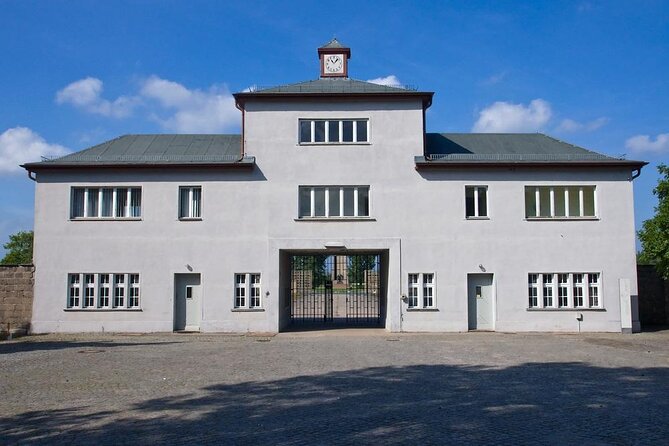
- Sachsenhausen camp structure details (like Tower A and Station Z) help you understand how it functioned
- Small-group feel within a private booking means more time for questions and slower stops
- Expect real walking (often 10,000+ steps) over uneven paths and long distances
More memorial and remembrance tours from Berlin
- Berlin: Sachsenhausen Concentration Camp Tour in English★ 5.0 · 5,711 reviews
- Berlin: Sachsenhausen Concentration Camp Memorial Tour★ 4.7 · 3,716 reviews
- Berlin: Sachsenhausen Concentration Camp Tour in English★ 4.8 · 1,889 reviews
- Sachsenhausen Concentration Camp Memorial Tour (Max. 15 Guests)★ 5.0 · 1,516 reviews
A private Sachsenhausen day by train: what makes it different
Sachsenhausen isn’t a museum you casually “check off.” It’s a memorial site, and the way you experience it matters. This tour’s format helps: you’re not left to figure out trains, meeting points, or which corners to prioritize. With hotel pickup and drop-off, you start and end Berlin with less friction, and you can focus on the learning part.
What I like most for your trip is the conversation-friendly setup. The tour is private, and guides are used to explaining hard history clearly—then answering the follow-up questions that come naturally when your emotions start catching up with the facts.
Still, this is not a low-effort outing. Reviews and the site reality point to long walking stretches, including some uneven pavement. If you’re hoping for a short stroll with minimal steps, this isn’t it.
Oranienburg first: where forced labor became local business
The day begins in Oranienburg, and that’s a big deal. You start by walking through a town that was tightly linked to the Nazi system—not just by geography, but through the participation of local industry.
Here’s what you’ll be looking at and absorbing: many businesses and factories depended on prisoners from Sachsenhausen for forced labor, including work tied to war production. The point isn’t to label every person in a neat box. It’s to show how the suffering nearby could be ignored—or even used—because an economy was feeding on the exploitation.
You’ll also hear a harder theme: residents were often aware of what was happening just outside town. Some turned a blind eye; others got directly involved. That local proximity makes the entire camp story feel less distant and more disturbingly human.
Practical note: this first walk segment is shorter—about 25 minutes—and the admission is listed as free for this part. It’s a good warm-up for what follows, and it sets expectations for the rest of the day.
The memorial museum block: why Sachsenhausen mattered to the Nazi plan
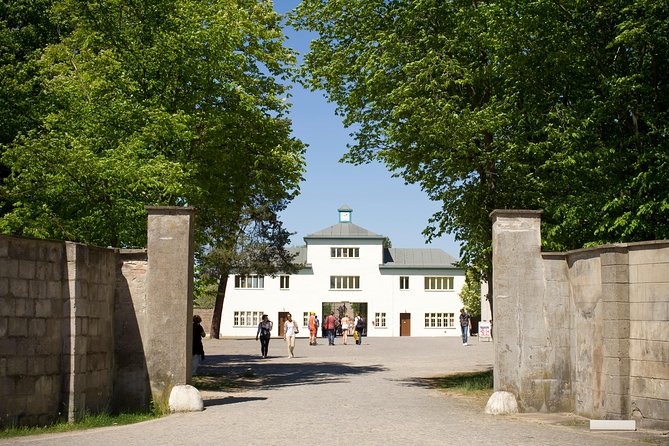
Next comes the core learning space: the Sachsenhausen memorial and museum area with about 1 hour 30 minutes on site, with ticket time included for this portion.
You’ll get the big timeline, and it’s not just a generic “World War II history” recap. The camp is tied to major political theater and ideology. One key thread you’ll hear is that during the 1936 Olympics, Nazi Germany used slave labor to build a new concentration camp north of Berlin. The camp’s original purpose included holding Nazi political enemies.
From there, you’ll track how the imprisonment scale grew over time. The information provided for this experience notes roughly 200,000 people were imprisoned during the camp’s operation before the camp was evacuated by Soviet forces in 1945. Then the story doesn’t stop with Nazi defeat. For the next five years, the site was used by the Soviets to imprison about 60,000 war criminals, including Nazis and Nazi collaborators.
Even if you think you know these facts, the museum-style presentation tends to make the connections snap into place: propaganda, system-building, labor exploitation, and the practical machinery of repression.
Walking the grounds and Station Z: how the camp worked day to day
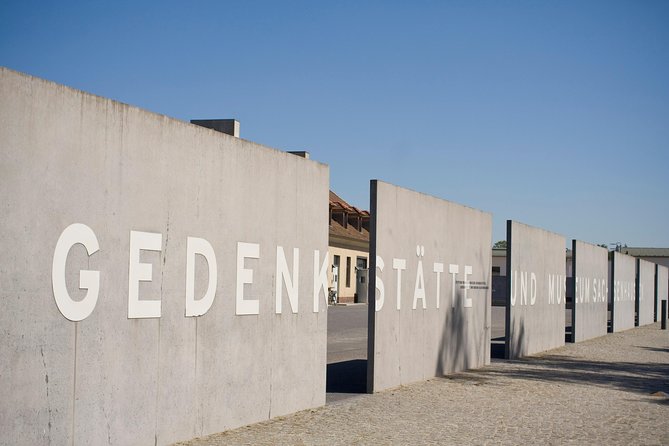
After the museum block, you move into the haunting grounds with another 1 hour 30 minutes of guided walking through the former camp area.
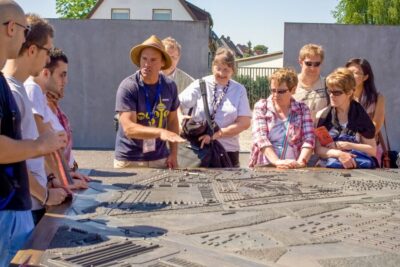
This is where guides often earn their keep. The best tours don’t just recite dates—they explain the camp’s design and routine so you can grasp how ordinary daily procedures were turned into domination.
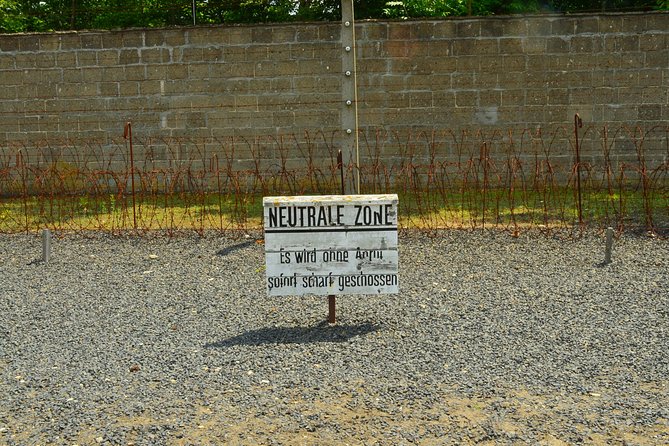
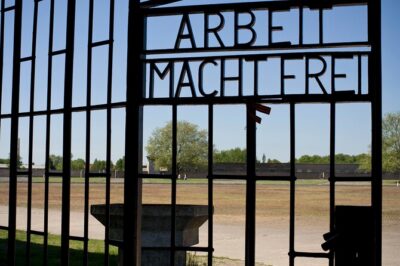
You may hear the camp’s layout described in clear physical terms. In particular, you’ll get explanation of the triangular layout, Tower A as the only entrance, and Station Z as the “exit” associated with industrialized killing. Those details sound like architecture until you realize they’re also a map of control and terror.
Expect focus on the SS’s brutality and the structure of daily life for prisoners. Guides commonly connect specific points such as:
- Roll call discipline, including how prisoners were forced to line up in extreme cold
- Overcrowding, including the way barracks were built for far fewer people than the prison population held
- Forced labor used as a tool to crush spirits and reduce humans to usefulness
- Systematic dehumanization, where identity was stripped down to what a person could do for the system
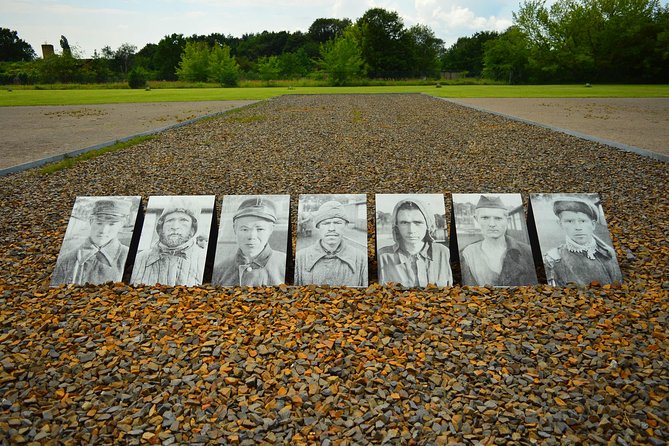
Several guides are also praised for bringing survivor perspective into the explanations. You might hear descriptions like an insect trapped in a jar—the kind of phrasing that lands because it isn’t trying to be poetic, it’s trying to communicate what it felt like to be processed like something disposable.
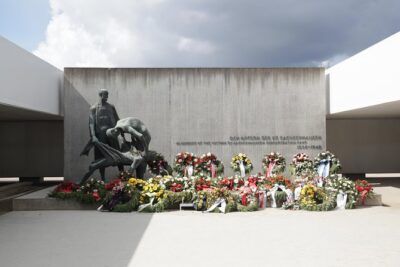
And yes, you’ll be given time to reflect on preservation of memory. That’s not decoration. At this site, remembrance is part of the lesson: why the evidence is kept, why stories are told, and why this work remains urgent.
Ticket note: this guided grounds segment is listed as free in terms of admission on the tour outline you were given. So your paid portion isn’t just “getting into the area”—it’s the guided interpretation you’re funding.
More private tours of Berlin



Guides and pacing: what your 6-hour day feels like
You’re looking at an outing that averages about 6 hours, and that includes travel time plus the on-site walking. The “by train” setup matters because it shapes how you experience the day.
You typically head from Berlin toward Oranienburg by train, then transition on foot (about 20 minutes is mentioned in one account). That walking is manageable for many people, but it adds up when you’re also touring a large site.
This is where private tour format shows its value. If your guide senses you’re ready for questions, you get them. Guides mentioned in feedback include names like Maria, Xavier, Natalie, Klaus, Paul, Daniel, Jamie, Nickolai, Ioana, Hannah, Martin, Brian Bell, Walid, Pip, Taylor, and Chloe. The consistent pattern: they explain history with clarity, keep the tone respectful, and often adjust pace so you can linger where something hits.
One more pacing reality: some people report big step counts—often around 11,000 steps and in at least one case 16,000+. The site has uneven ground. If you’re someone who gets tired quickly, this tour will still be worth it, but you’ll want to plan for energy management.
Price and value: what $338.15 really buys
At $338.15 per person for a private, memorial-guided day, the price can feel steep at first glance. But it’s not just a ticket.
Here’s what your money is paying for, based on what’s included:
- A licensed guide trained by the memorial authority
- Hotel pickup and drop-off
- A private group setup
- A full day structure with train travel out to Oranienburg
In other words, you’re not paying only for access—you’re paying for interpretation and time. At Sachsenhausen, interpretation is the difference between seeing buildings and understanding what they were built to do.
Also consider the constraints of DIY travel. You still have to plan transit, navigate meeting points, and decide what to prioritize once you get there. This tour bundles that decision-making into a single flow—then gives you a human who can answer your questions on the spot.
One reality check: food isn’t included. Several accounts emphasize bringing a packed lunch because amenities can be limited. If you budget for a meal and water, you won’t get stuck thinking about logistics while you’re trying to absorb the day.
What to bring (and what not to overpack)
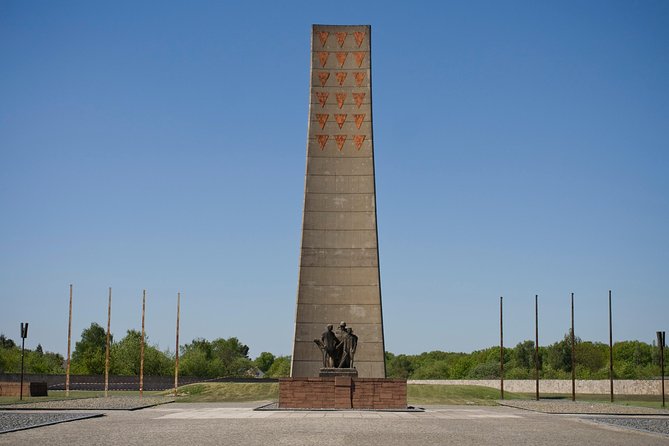
For practical comfort:
- Comfortable walking shoes you’ve already broken in
- Water (you’ll want it)
- A packed lunch or at least a plan for a substantial break since food and drinks aren’t included
- A layer for weather—Berlin region days can change fast
For mental readiness, bring a simple rule: don’t rush your emotional processing. This site is meant to make you uncomfortable in a thoughtful way. If you go in expecting a “tour,” you’ll feel strain. If you go in expecting a guided remembrance and lesson, you’re more likely to take in what the guide is showing you.
Who this tour fits best (and who should think twice)
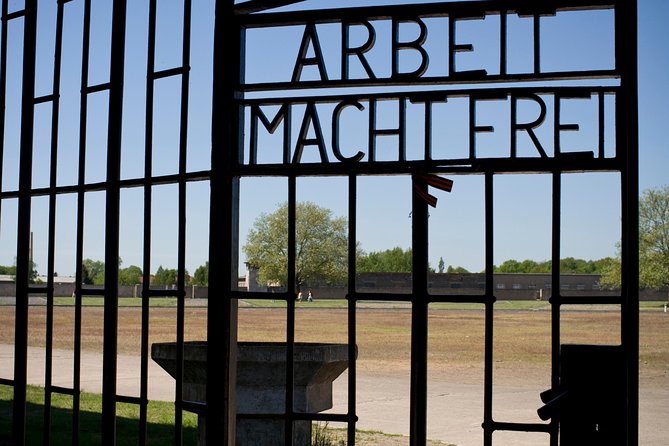
This experience is listed as requiring moderate physical fitness and not recommended for individuals with limited mobility or walking impairments.
Even beyond that warning, the ground rules are straightforward: you’ll be moving through a large memorial site, plus there’s walking from Oranienburg station to the camp area. Some tours also note uneven pavement and long total step counts.
This tour is a strong fit if you:
- Want a private, question-friendly format
- Prefer a guide who connects design, timeline, and how the camp operated
- Are okay with a sobering day focused on responsibility and remembrance
It’s a tougher fit if you need frequent sitting breaks, have limited endurance, or can’t handle uneven surfaces.
Should you book it? My straight advice
If you care about getting the details right—how the camp functioned, why it was built, how it was used, and what memorialization is trying to protect—then I think you should book this private Sachsenhausen tour.
The value comes from the combination of memorial-authority trained guidance and door-to-door convenience. You’re paying to spend your time learning instead of solving transportation and logistics.
Skip it only if you’re not up for the walking load and uneven terrain. Also consider your emotional stamina. This isn’t a light day trip. It’s a necessary one.
FAQ
How long is the Sachsenhausen private tour from Berlin?
It runs for about 6 hours.
Is the tour private or shared with other travelers?
This is a private tour/activity, so only your group participates.
What language is the tour offered in?
The tour is offered in English.
Does the price include pickup and drop-off?
Yes. Hotel pickup and drop-off are included.
Is food included?
No. Food and drinks are not included.
How much walking should I expect?
The experience is suitable for moderate physical fitness. Parts involve walking, and the tour can total a large number of steps.
What if I need to cancel last minute?
You can cancel for a full refund if you cancel up to 24 hours in advance of the experience start time.
More Tours in Berlin



More Tour Reviews in Berlin
Sachsenhausen and Remembrance
Round out your days in Berlin
Sachsenhausen Memorial, compared.
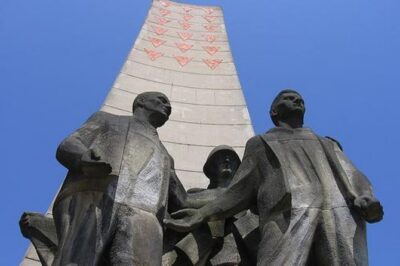 ★ 5.0Sachsenhausen Concentration Camp Tour in EnglishFrom $365,711 reviews
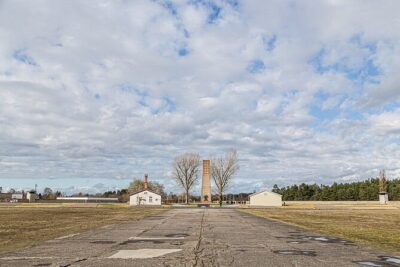 ★ 4.7Sachsenhausen Concentration Camp Memorial TourFrom $213,716 reviews
 ★ 5.0Sachsenhausen Concentration Camp Bus Tour in English from BerlinFrom $681,962 reviews
★ 4.8Sachsenhausen Concentration Camp Tour in EnglishFrom $221,889 reviews
★ 5.0Sachsenhausen Concentration Camp Bus Tour in English from BerlinFrom $681,962 reviews
★ 4.8Sachsenhausen Concentration Camp Tour in EnglishFrom $221,889 reviews
 ★ 5.0Sachsenhausen Concentration Camp Memorial Tour (Max. 15 Guests)From $351,516 reviews
 ★ 4.9English Bus Tour to Sachsenhausen Concentration CampFrom $551,380 reviews
 ★ 4.6Sachsenhausen Concentration Camp and Potsdam TourFrom $651,334 reviews
 ★ 5.0Sachsenhausen concentration camp.From $341,189 reviews
Browse the lists this tour appears in