
REVIEW · THIRD REICH & WWII HISTORY
Private Walking Tour in Berlin: Hitler’s Germany & WWII
Berlin makes the past hard to ignore. On this 4-hour private walk, a professional guide (with a historian’s approach) connects major Third Reich locations so you understand how the regime worked and who tried to resist it. I love how the route links Third Reich power sites with the reality of deportation and terror, not just the famous facades.
One consideration: you’ll see everything from the outside, and the pace is built around short stops. That means it’s more about your guide’s storytelling than entering museums or buildings, so come prepared for heavy topics and hot-weather pacing if you travel in summer.
In This Review
- Key highlights to look for
- How a 4-hour Berlin walk turns WWII sites into a story
- Starting at the Neue Promenade and setting the tone early
- Museum Blindenwerkstatt Otto Weidt: learning from people who were targeted
- Neue Synagoge Berlin – Centrum Judaicum: context that makes later sites hit harder
- Anhalter Bahnhof and the deportation reality of Nazi Germany
- Topography of Terror: seeing how terror was organized
- Aviation Ministry of Berlin: linking power to place
- Johann Georg Elser sculpture: resistance enters the frame
- Holocaust Memorial: a longer pause for a reason
- Monument to Homosexuals Persecuted Under the National Socialist Regime
- Soviet Memorial Tiergarten: Berlin also remembers Soviet suffering
- Reichstag building finish: your next steps after the walk
- Price and value for a private historian-led walk
- Choosing your guide: asking for Jasper, Stefan, Rohan, Lewis, or Xavier
- What to bring and how to pace yourself on emotionally heavy stops
- Who this tour fits best
- Should you book this Berlin WWII walking tour?
- FAQ
- How long is the walking tour?
- Is this a private tour?
- Does the tour include pickup?
- Are tickets for the sights included?
- Do we enter the sites during the tour?
- Where does the tour start and end?
- Do I need public transport tickets?
- How soon will I get confirmation after booking?
- What if I need to cancel?
Key highlights to look for
- Historian-style guidance focused on how Nazi Germany functioned, not only dates and names
- Anhalter Bahnhof as a key deportation site on the walking route
- Topography of Terror as a turning point for understanding state violence in Berlin
- Multiple memorials that broaden the story beyond one group’s suffering
- Small, private-group feel with the option to pause longer at a stop if interest is high
- Finish near the Reichstag so you can keep your afternoon moving
More walks through Berlin's wartime history
- Berlin: Third Reich & Cold War Guided Walking Tour★ 4.9 · 8,378 reviews
- Berlin’s Best: 2 Hour Walking Tour Third Reich and the Cold War★ 5.0 · 5,486 reviews
- Third Reich Berlin: Hitler and WWII Walking Tour★ 5.0 · 3,301 reviews
- Berlin: Third Reich, Hitler, and WWII Walking Tour★ 4.9 · 1,757 reviews
How a 4-hour Berlin walk turns WWII sites into a story

This tour is built like a half-day lesson you can actually walk through. In about four hours, you cover a sequence of places tied to Nazi rule—plus the memorial landscape that came later to confront what happened. It’s not rushed in the sense of nonstop sightseeing; it’s more that each stop is timed, and the guide does the heavy lifting by explaining what you’re looking at.
What makes it work for me is the structure: you move from locations tied to persecution and deportation, to places connected with the machinery of terror, and then into memorials that force you to face victims and survivors more directly. You’re ending at the Reichstag, which is a smart finish because it gives you a clean visual “bookend” to shift from dictatorship-era Berlin to Germany’s modern institutions.
Expect a mix of emotions. This is the kind of tour where the guide’s tone matters, because you’re talking about genocide and persecution in real urban spaces, not in a classroom bubble.
Starting at the Neue Promenade and setting the tone early
The walk starts at Neue Promenade 3 (10178 Berlin) and typically ends by the Reichstag building at Platz der Republik. Pickup is offered, and the meeting point is near public transportation, which helps if you’re planning your day around the rest of Berlin.
The first two stops are a strong choice because they don’t begin with the biggest Nazi landmarks. Instead, you start with places that connect to Jewish life and to people who were targeted by the regime. The guide explains each site’s history at a quick, focused stop length—about 10 minutes for the early segments—so you get context fast and can build meaning as the tour progresses.
If you’re the type of person who likes to understand the “why” before the “where,” you’ll appreciate this opening. It helps you see later locations (the ones tied to terror) not as abstract concepts, but as parts of a system that destroyed normal life.
Museum Blindenwerkstatt Otto Weidt: learning from people who were targeted
Stop one is Museum Blindenwerkstatt Otto Weidt. This is one of the most important ways the tour earns its weight without being purely grim. Your guide talks about the history of the site, and the purpose here feels clear: you start by recognizing how people were impacted and how some reacted under pressure.
Even with only about 10 minutes here, the stop matters because it puts human faces on the story early. You’re not just collecting Nazi-era buildings; you’re learning how persecution touched real individuals and communities, and what that meant in daily life.
If you care about moral courage as much as historical facts, you’ll likely enjoy this pacing. It’s also a good example of why a guided walk can beat a DIY route: you get the “why this place matters” in plain language instead of trying to interpret plaques while your brain is already overwhelmed.
Neue Synagoge Berlin – Centrum Judaicum: context that makes later sites hit harder
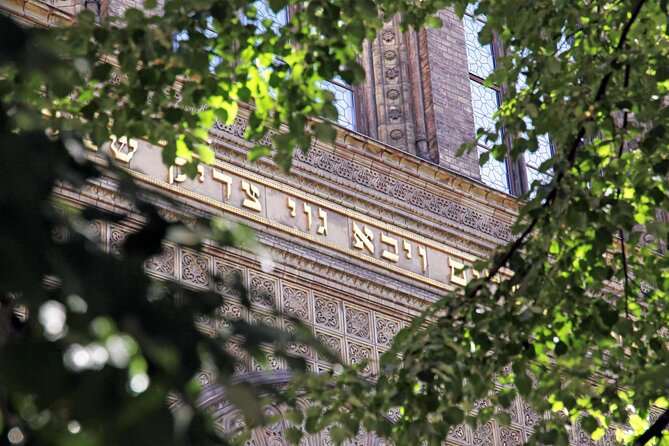
Stop two is Stiftung Neue Synagoge Berlin – Centrum Judaicum. Again, it’s about 10 minutes, and the guide explains the history of the site.
This stop acts like a bridge. It helps you understand what existed before destruction, so when you later visit sites tied to deportations and state terror, you feel the contrast more sharply. Berlin has a lot of layers, and this tour uses that layering thoughtfully.
A quick note: if you have strong mobility needs, you’ll want to keep expectations realistic. The schedule is walking-based, and you’re spending several short stretches outside. Service animals are allowed, and the tour notes most people can participate, but the format is still very much a street-walking experience.
More of Berlin on foot
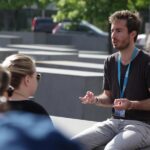
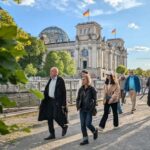

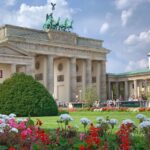
Anhalter Bahnhof and the deportation reality of Nazi Germany
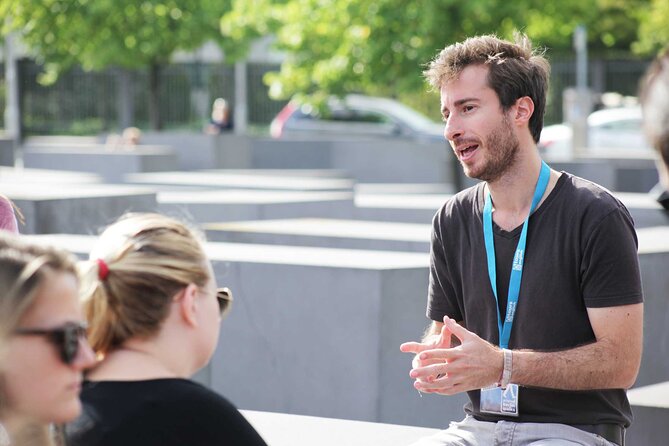
Stop three is Anhalter Bahnhof. This is one of the tour’s anchor points. The tour specifically highlights that this station was used to deport prisoners to concentration camps. The guide explains the history, and the stop is timed at about 10 minutes.
This is where the tour can feel especially sobering. You’re looking at an urban space that once functioned as part of a system designed for mass suffering. Even if you’ve read about deportations before, seeing how it fits into the city’s fabric makes the story feel less distant.
Practical tip: if you’re the kind of person who needs a moment to process, plan to take it here. The group moves on, but you can usually give yourself a quick pause while your guide is talking, then step aside briefly if needed.
Topography of Terror: seeing how terror was organized
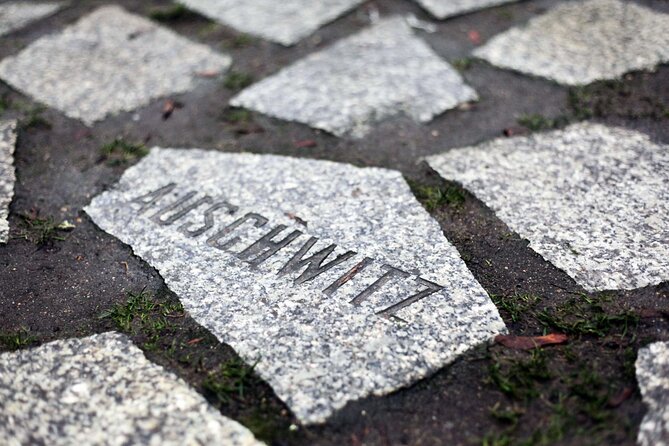
Stop four is Topography of Terror. The guide explains the history here, also at around 10 minutes.
This is one of those locations where “what you see” matters less than “what your guide explains.” The reason is simple: Nazi terror wasn’t only about one speech or one leader. It was administrative, bureaucratic, and enforced through institutions. A strong guide helps you connect those dots without turning it into a textbook.
This tour also frames the broader themes you’re looking for: the former Gestapo and SS headquarters and the site of Hitler’s bunker are part of the story the route is built around. Even when the itinerary is timed and you’re staying outside, your guide’s explanations are meant to bring those references into focus while you’re walking through the relevant area.
If you want a guide who can handle sensitive topics with clarity, choose this option seriously. One of the standout strengths in past performances of this tour is how guides answer questions and keep the tone respectful while still being direct.
Aviation Ministry of Berlin: linking power to place
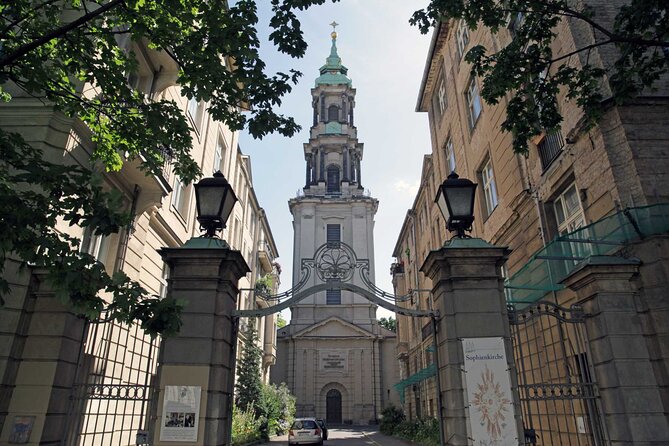
Stop five is the Aviation Ministry of Berlin. It’s another 10-minute stop with history explained by the guide.
In Nazi Germany, different government functions didn’t live in separate worlds. As you move from one site to the next, the tour’s logic starts to click: state power extended into areas that affected labor, mobility, enforcement, and propaganda. Even if you don’t have deep architectural detail to analyze, you’re learning why the location matters.
This is also where you’ll probably notice the tour stays outside rather than entering interiors. If you were hoping for lots of museum time, you might find this format less satisfying. If you want the story tied to street-level geography, it’s exactly the right pace.
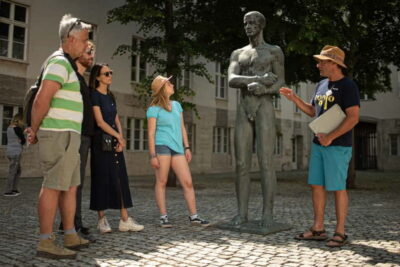
Johann Georg Elser sculpture: resistance enters the frame

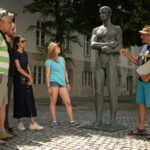
Stop six is the Johann Georg Elser sculpture. The stop is about 10 minutes and includes the guide’s explanation of the history.
This stop is a deliberate emotional shift. You move from instruments of terror to the question of resistance—what people did when they understood the system was criminal and deadly. Even in a short timeframe, it keeps the tour from becoming only a record of harm. It gives you a thread of agency, even when the odds were against it.
If your travel style includes looking for stories beyond the obvious, you’ll probably appreciate this placement. It’s also a reminder that Nazi power was never total in the way dictatorships promise.
Holocaust Memorial: a longer pause for a reason
Stop seven is the Memorial to the Murdered Jews of Europe. This stop gets 15 minutes, which is longer than most others.
The extra time is noticeable. You’re meant to slow down here. The tour treats this memorial as central, not a quick photo stop between darker sites. In my view, that makes a difference because this memorial isn’t just about information; it’s about space and scale—how your body experiences the area while the meaning lands.
If you’re traveling with kids or teens, this can still be manageable, but you’ll want to read the group’s mood. People process history at different speeds, and the tour’s structure allows for that more than some strict, clockwork itineraries.
Monument to Homosexuals Persecuted Under the National Socialist Regime
Stop eight is the Monument to Homosexuals Persecuted Under National Socialist Regime, with about 10 minutes and guide explanation.
This is a key part of the tour’s balance. The Holocaust is central, but Nazi persecution was broader than one category of victims. This stop expands the narrative so you understand that the regime targeted multiple groups, with multiple kinds of suffering and enforcement.
From a traveler perspective, this matters because it prevents the tour from becoming a one-note route. You end up with a fuller view of how ideology turned into laws and punishment.
Soviet Memorial Tiergarten: Berlin also remembers Soviet suffering
Stop nine is the Soviet Memorial Tiergarten. Again, it’s about 10 minutes, and the guide explains the history of the site.
This stop rounds out the tour’s geographic and human scope. Germany’s WWII story doesn’t only involve Nazi victims and resistance. The war’s end and the aftermath also reshaped Berlin and left memorial marks connected to Soviet suffering.
This helps if you’re trying to make sense of Berlin as a city of competing memories. You’re not just learning about Hitler’s Germany—you’re seeing how the city keeps records of what came before and after.
Reichstag building finish: your next steps after the walk
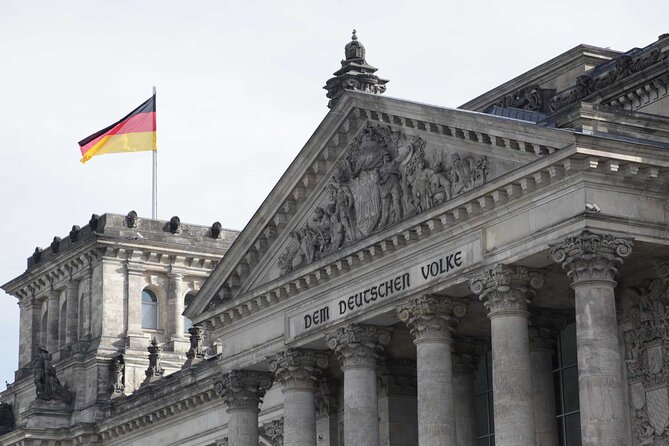
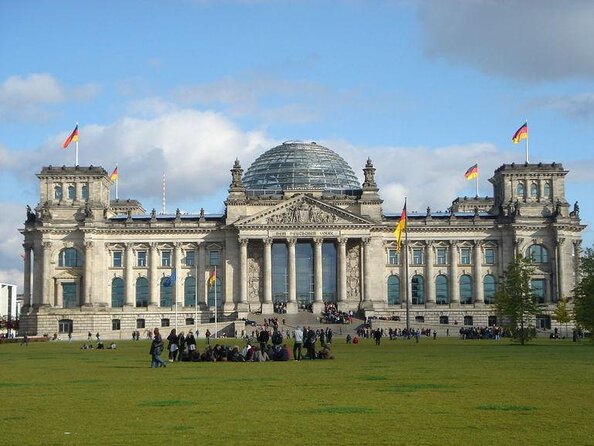
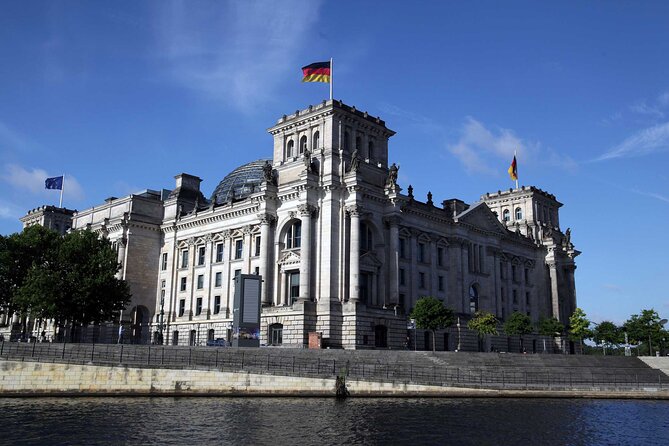
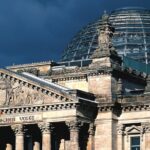
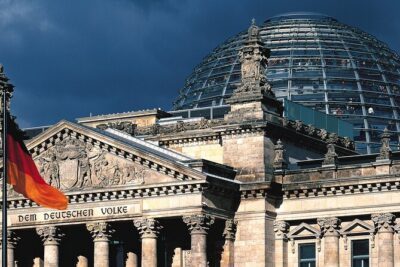
Stop ten is the Reichstag Building, viewed from the outside. It’s timed at about 10 minutes, and tickets for entry are not included.
Ending here is practical and scenic. You finish near a major landmark, which makes it easy to continue your day without hunting for transit connections. If you’re curious and want to keep learning, you can also build your afternoon around nearby sights and museums. The tour is designed as a half-day, and the guide can sometimes let you stay longer at a particular stop depending on your group’s interest.
One more thing to know: the tour’s stops are scheduled as outside views, so don’t expect interior access as part of the deal. It’s a walking-and-explaining experience first.
Price and value for a private historian-led walk
The price is $173.06 per person for a tour that runs about 4 hours. That number can feel steep if you’re used to cheap group walking tours, but there are reasons it often works as value.
You’re paying for:
- a professional guide (history explained at each stop),
- the fact that this is private for your group,
- and included fees and taxes.
On the cost “extras” side, you’ll likely spend a little on transit. The tour notes you need a public transport ticket: a single ticket AB is about 4€ per person. Tips for the guide are also not included. The Reichstag entrance ticket is not included either, though you’re not meant to enter it on this route anyway.
I also like that many of the stops list free admission in the schedule. That helps you avoid surprise museum ticket costs that can spike a day out in Berlin.
Choosing your guide: asking for Jasper, Stefan, Rohan, Lewis, or Xavier
This tour can rise or fall on the guide. The best signs are about communication style—clear explanations, friendliness, humor, and room for questions.
On past versions of this walk, guides named Jasper, Stefan, Rohan, Lewis, and Xavier have led groups. One piece of advice you can take seriously: if you can request a guide, trying for Jasper is a smart move. Other guides have been described as interactive and friendly, with the ability to keep a heavy topic approachable without turning it into a joke.
That guide quality matters even more here because the tour is outside-only. You won’t “figure it out” by staring at buildings. You need the guide to connect each place to the broader story.
What to bring and how to pace yourself on emotionally heavy stops
The tour format is straightforward: walking time plus short explanations. That means the small comfort items do real work.
- Wear comfortable shoes. You’ll be on sidewalks and paths for several hours.
- Bring water, especially if it’s warm. Some tours run in hot conditions, and you’ll be happier if you can cool down between stops.
- Mentally pace yourself. The memorial stops are not quick photo opportunities in spirit, so give them attention.
If you’re traveling with a teen who studies WWII history, this can fit well. One reason: you get a live framework for what they’ve learned, with real place-based context.
Who this tour fits best
I’d point you to this tour if:
- you want a guided walk that focuses on Nazi Germany’s systems and consequences,
- you like your history explained in a structured, street-level way,
- you want a route that includes memorials for different persecuted groups,
- and you prefer outside viewing over museum time.
It may not fit as well if you’re looking for lots of building entry, or if you strongly dislike walking with frequent brief pauses. The schedule is intentionally compact: most stops are around 10 minutes, with one longer memorial stop.
Should you book this Berlin WWII walking tour?
Yes, if you want an organized, serious, and guided route through Berlin’s WWII and Nazi-era sites that ends where you can keep exploring. The combination of an historian-style guide, a mix of terror-related locations and memorials, and a finish near the Reichstag makes it a strong half-day plan.
Book it especially if you care about understanding the whole system—persecution, deportation, institutional terror, and the later remembrance landscape. Just go in knowing it’s outside-only, so your main “access” is the guide’s explanations and your attention.
If you’re choosing a time when Berlin is crowded, arrive with buffer time so the first stop doesn’t set the tone at a sprint.
FAQ
How long is the walking tour?
It runs for about 4 hours (half-day style), with the exact time and pace depending on the group’s interest.
Is this a private tour?
Yes. It’s private for your group, not mixed with other groups.
Does the tour include pickup?
Pickup is offered.
Are tickets for the sights included?
All fees and taxes are included. The scheduled stops list free admission for those locations, but tickets for the Reichstag building are not included since you only view it from the outside.
Do we enter the sites during the tour?
No. The attractions are viewed from the outside, not entered.
Where does the tour start and end?
The tour starts at Neue Promenade 3, 10178 Berlin and typically ends at the Reichstag area, Platz der Republik 1, 11011 Berlin.
Do I need public transport tickets?
Yes. Public transport tickets are not included. You’ll need a single ticket AB, which is about 4€ per person.
How soon will I get confirmation after booking?
You should receive confirmation within 48 hours of booking, subject to availability.
What if I need to cancel?
Cancellation is free up to 24 hours before the experience start time for a full refund. If you cancel less than 24 hours before, the amount paid is not refunded.
More Tours in Berlin



More Tour Reviews in Berlin
Berlin's Wartime History
Round out your days in Berlin

Third Reich & WWII History, compared.
 ★ 4.9Third Reich & Cold War Guided Walking TourFrom $238,378 reviews
 ★ 5.0Berlin’s Best: 2 Hour Walking Tour Third Reich and the Cold WarFrom $245,486 reviews
 ★ 5.0Third Reich Berlin: Hitler and WWII Walking TourFrom $243,301 reviews
 ★ 4.9Third Reich, Hitler, and WWII Walking TourFrom $191,757 reviews
 ★ 5.0Berlin Third Reich Sites: Half-Day Walking TourFrom $21835 reviews
 ★ 4.7History of the Third Reich Guided Walking TourFrom $30791 reviews
 ★ 4.8The Wall and Third Reich Guided Bike TourFrom $41578 reviews
 ★ 4.8Hitler’s Germany: Berlin During the Third Reich & WWIIFrom $23476 reviews
Browse the lists this tour appears in