
REVIEW · KREUZBERG & ALTERNATIVE DISTRICTS
Small Group Walking Tour: “Wild Kreuzberg”
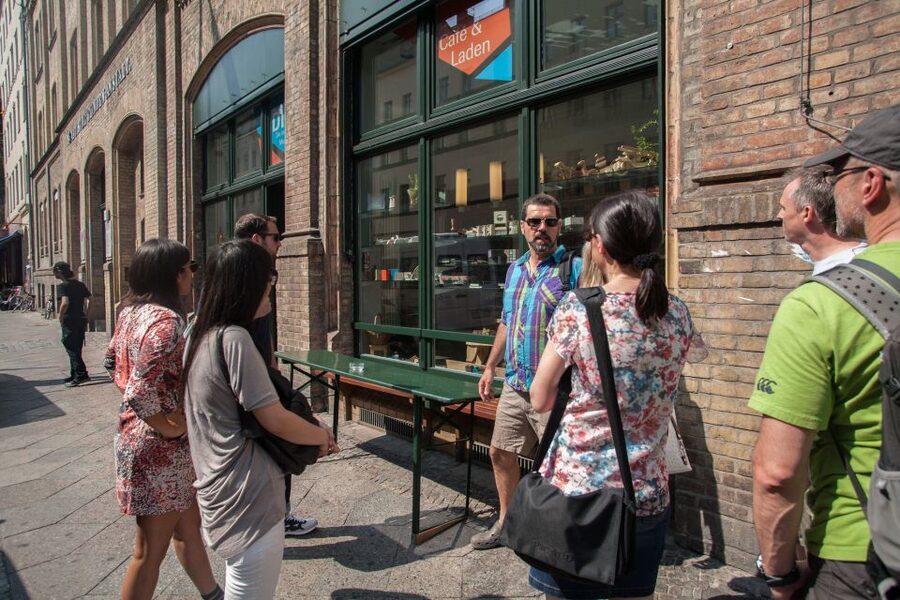
Kreuzberg runs on late-night energy and old walls. This small-group walking tour strings together everyday life, left-field Berlin culture, and visible East-meets-West history, all in about 2.5 hours. You start where rails split the vibe, then keep walking through streets that still carry the memory of SO36.
I especially love how the stops feel practical, not just scenic. You’ll get guided context at places like the Museum of Objects and the art-squat Bethanien, and you’ll also get time to slow down with coffee at Oranienhöfen and take in the Home for the Blind. And for $24, the value is solid because you’re paying for a live guide who helps you connect the dots while you cover a lot of ground.
One thing to consider: this tour is German-language and happens in all weathers. If you’re not comfortable walking for 2.5 hours outdoors, or you need food included, you may want a different format.
In This Review
- Key moments worth showing up early for
- Starting at Kottbusser Tor: the rail line that splits the square
- Oranienstraße and SO36: punk-era streets with room for coffee
- Museum of Objects: mass production seen through everyday design
- Mariannenplatz to Bethanien: art squat life in former hospital space
- Oberbaumbrücke and the East-side sweep toward Görlitzer Park
- East Side Gallery: a wall story you can actually walk with
- Price and logistics: why this 2.5-hour walk feels like good value
- Who should book Wild Kreuzberg (and who might want a different format)?
- Should you book this tour?
- FAQ
- Where does the tour start?
- What’s the nearest U-Bahn station?
- How long is the walking tour?
- What are the main highlights I’ll see?
- Is food included in the price?
- Will the tour run in bad weather?
- What language is the guide?
- What should I bring?
- What’s the cancellation rule?
Key moments worth showing up early for
- Kottbusser Tor: the U1 rails split the square and define the neighborhood’s contrast
- Oranienstraße and SO36: punk-era identity mixed with today’s markets, cafés, and bars
- Museum of Objects: a focused look at mass production and how it shaped daily life
- Bethanien + Rauchhaus: an art squat on former hospital grounds, plus traces nearby
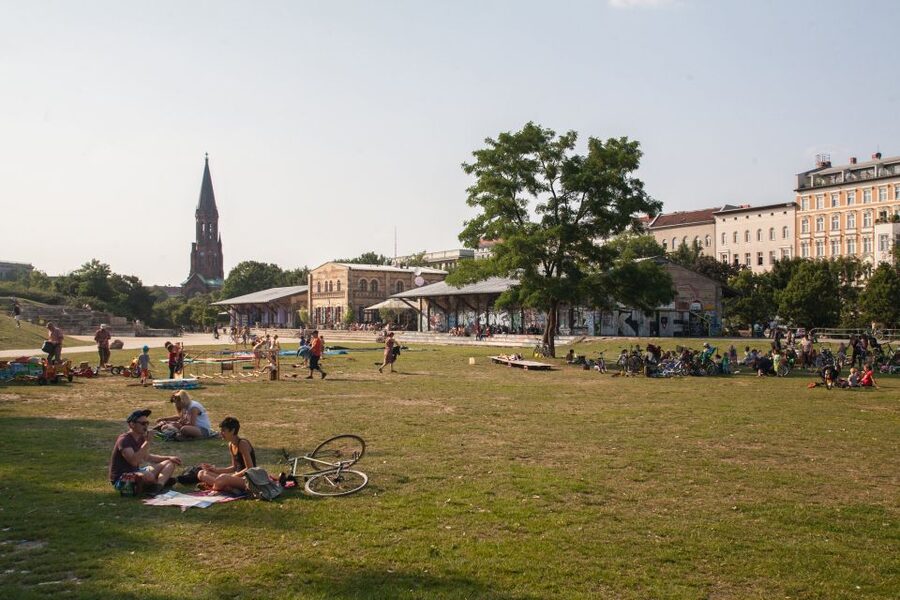
- Görlitzer Park to Oberbaumbrücke: a former station turned park, then a bridge that symbolizes East and West
- East Side Gallery: you end with one of Berlin’s most famous Berlin Wall reminders
Deeper into Kreuzberg and the eastern districts
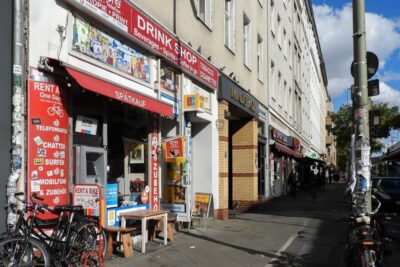
- Berlin: Kreuzberg Guided Walking Evening Tour★ 4.7 · 555 reviews
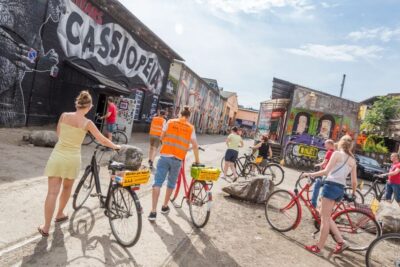
- Berlin: Alternative Bike Tour of Kreuzberg & Friedrichshain★ 4.7 · 548 reviews
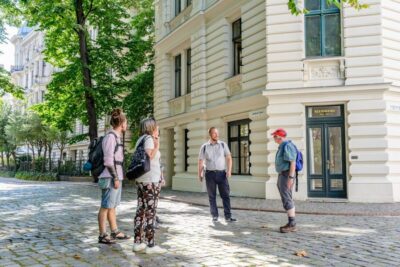
- Berlin: 2.5-Hour Walking Tour through Kreuzberg 61★ 4.9 · 525 reviews
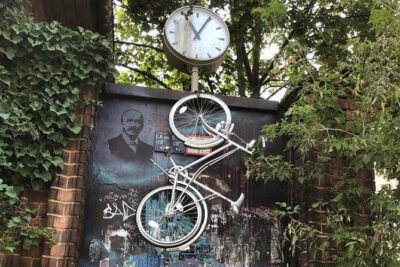
- Berlin Off-the-Beaten-Path Walking Tour: Kreuzberg, Mitte and Friedrichshain★ 5.0 · 412 reviews
Starting at Kottbusser Tor: the rail line that splits the square
Kottbusser Tor is a great launch point because it’s loud with contrasts. The overground rails of the U1 line run right through the atmosphere, dividing the square in a way you can almost feel in your legs as you cross. Around you, you’ll see the mix that makes Kreuzberg work: a Turkish market scene, Arabic restaurants, bistros, and cafés right next to alternative clubs and bars.
Your walk begins at Skalitzer Str. 137, in front of Gold Exchange and next to REWE, and it’s easy to reach via U-Bahn Kottbusser Tor (U1 and U8). From the first stop, your guide helps you read what you’re seeing: everyday street life on one side, night-culture energy on the other, and that constant sense of a neighborhood that refuses to be one thing.
You’ll also pass big, early-1900s buildings and the Sozialpalast, then continue toward spots tied to Kreuzberg’s identity such as the Adalbertstraße skyscrapers and the Kreuzberg Museum. I like this early pacing. You start with “what does this place feel like?” and then the guide turns around and tells you why.
Oranienstraße and SO36: punk-era streets with room for coffee
Once you reach Oranienstraße, the tour gets more personal. This is described as the heart of the former SO36 postal district, and you’ll notice how the street still carries that reputation. You’ll pass a mix of restaurants, bars, and shops with that Kreuzberg charm—plus the kind of businesses that feel built for people who like to spend time, not just pass through.
A highlight here is the stop at the Berlin Home for the Blind. It’s not just a “check-the-building” stop. It’s a place that adds a grounded, human layer to the tour, and you’ll get a chance to relax over coffee in Oranienhöfen. That pause matters on a walking tour, especially when the area can be visually intense. You get a breather while the guide keeps the story moving.
If you like your Berlin tours to explain how culture develops from real needs and real communities, this part delivers. Oranienstraße isn’t framed as a theme park. It’s shown as an evolving street where alternative scenes and everyday life sit close together.
Museum of Objects: mass production seen through everyday design
Next, you head to the Museum of Objects, focused on the history of mass production. This is a smart choice for Kreuzberg, because the neighborhood has long been a place where you can feel the economics of city life: who gets access to what, what gets sold, and what becomes ordinary.
What I like about this stop is the angle. Instead of treating objects as background, the museum helps you see how the shift to mass production changed the look of daily life—and how people interact with products over time. Even if you don’t think of yourself as a museum person, this topic tends to click because it’s about things you already use and see.
It also works well for the tour’s pacing. After the street energy of Oranienstraße, you get one clear “focus block.” You’re not expected to sprint through culture; you’re given a concrete subject you can remember later.
Mariannenplatz to Bethanien: art squat life in former hospital space
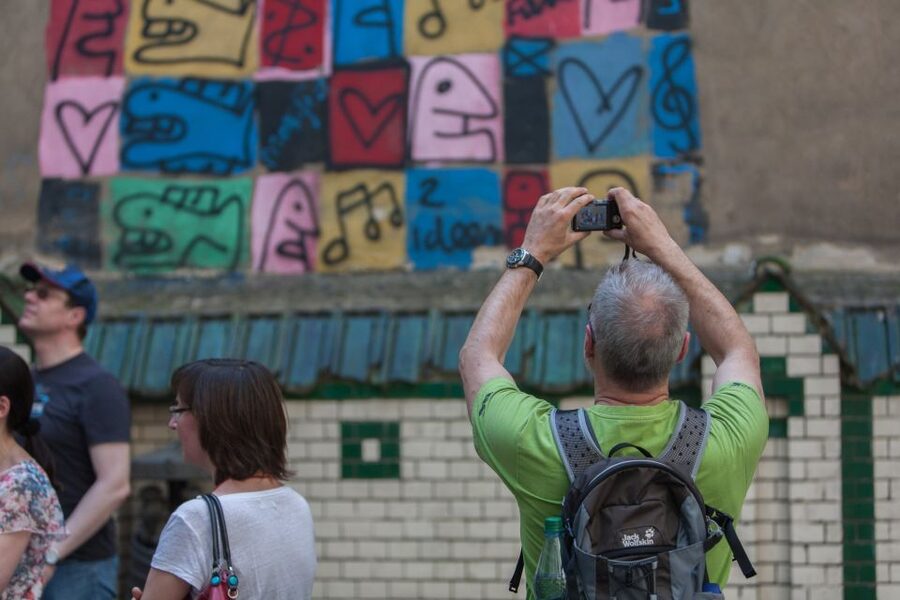
Around Mariannenplatz, the tour takes a turn into Berlin’s long-running story of reuse and reinvention. You’ll see Bethanien, described as an art squat that sits on what used to be a hospital. That kind of building shift changes how you think about space: the walls are the same, but the purpose has been rewritten by artists and community energy.
Next door in the Rauchhaus, you’ll also find traces of squatters’ life from earlier days. The guide’s job here is key. Without that explanation, you might treat it as just another alternative venue. With the context, you can understand why these sites matter: they show how Berlin communities have handled housing, culture, and protest through the simple act of taking space and making it work.
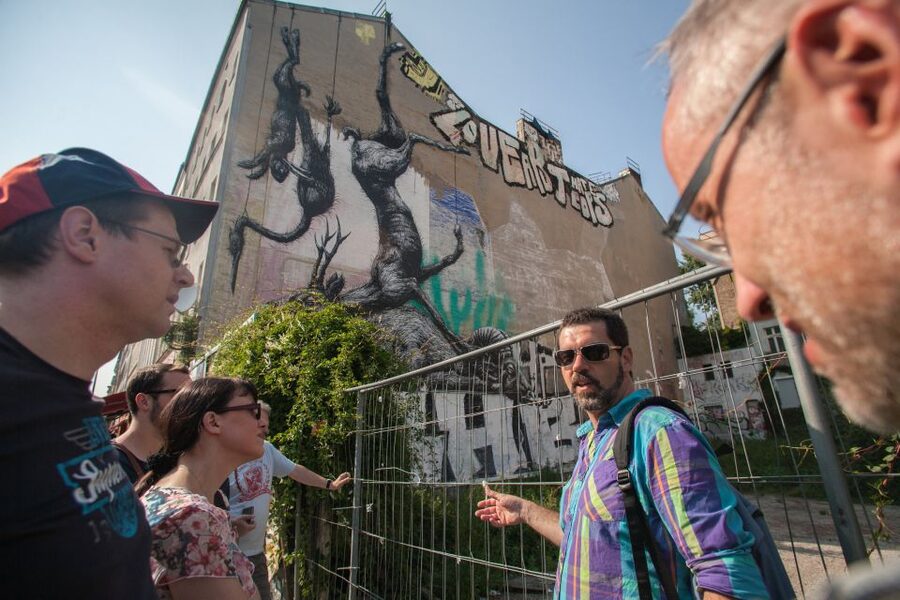
I like this stop because it adds meaning to the street art and the creative atmosphere you’ll keep running into. It turns your “cool, interesting wall” reaction into a “why this matters” moment. If you enjoy Berlin at street level—people, politics, and places that share walls—you’ll probably find Bethanien one of the strongest moments of the walk.
More of Berlin on foot

Oberbaumbrücke and the East-side sweep toward Görlitzer Park
The tour then moves toward Oberbaumbrücke, which is framed here as a symbolic link between East and West Berlin. That’s not just a dramatic line on a map. You can feel it in the way the area is set up: you’re walking through streets that carry layers of Berlin’s division and reunification story, and the bridge becomes the physical reminder that those histories still shape how the city reads today.
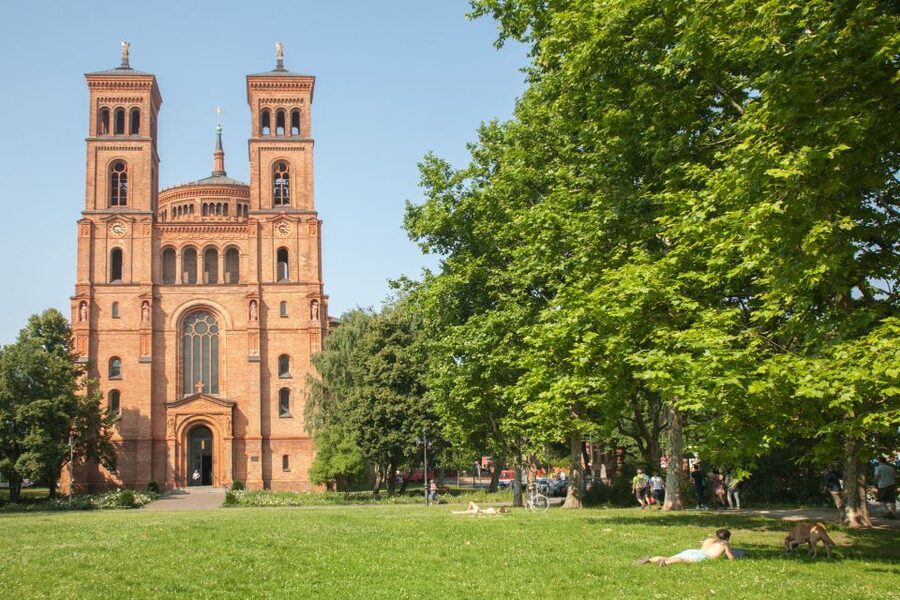
You may also pass St. Thomas Church along the way, then continue toward Görlitzer Park. What makes Görlitzer Park especially interesting on this route is that it was previously a train station. It’s the kind of transformation that makes Berlin feel different from other European cities: space evolves, and the city doesn’t discard the past—it repurposes it.
You’ll also see Feuerwehrbrunnen and spend time in the Wrangelkiez area before continuing onward. These stops matter because they break up the Wall-and-bridge drama with neighborhood texture. You get a more complete sense of daily Kreuzberg and not just the headline landmarks.
East Side Gallery: a wall story you can actually walk with
Later, the tour includes East Side Gallery, one of the most well-known stretches of Wall history in Berlin. It’s famous, yes. But on foot, it lands differently than a quick photo stop. You’re arriving after hours of context about the neighborhood and the city’s shifting uses of space, so the symbolism hits harder.
I find Wall history works best when it’s linked to real places you’ve already walked through. That’s why this tour’s structure is clever. You don’t just see a landmark. You see how Berlin’s geography and politics have shaped the neighborhoods around it, too.
And then you wrap up near Görlitzer Bahnhof, which gives you a practical end point for transit. Even if you’re not staying in the area, it helps to finish near a station because you don’t have to backtrack.
Price and logistics: why this 2.5-hour walk feels like good value
At $24 per person for a 2.5-hour small-group walking tour, the price feels fair for what you’re buying: a live German city guide plus a route that hits major Kreuzberg markers and a few landmarks that usually require extra planning. It’s not a long museum day, and that’s part of the value. You’re paying for orientation and interpretation while you’re moving.
What’s included:
- your city guide
- duties (as part of the ticketed experience)
- a rain poncho if needed
What’s not included:
- food and drink
That last point matters. The tour includes a chance to relax with coffee, but you should still plan to cover your own meals if you’re out for the whole day. Also, bring comfortable shoes. Kreuzberg streets are walkable, but a 2.5-hour route adds up when the ground is uneven or you hit rainy weather.
One more practical note: this tour happens in all weathers. If it’s raining, the poncho helps, but you’ll still want to dress for wet conditions and keep your pace steady.
Who should book Wild Kreuzberg (and who might want a different format)?
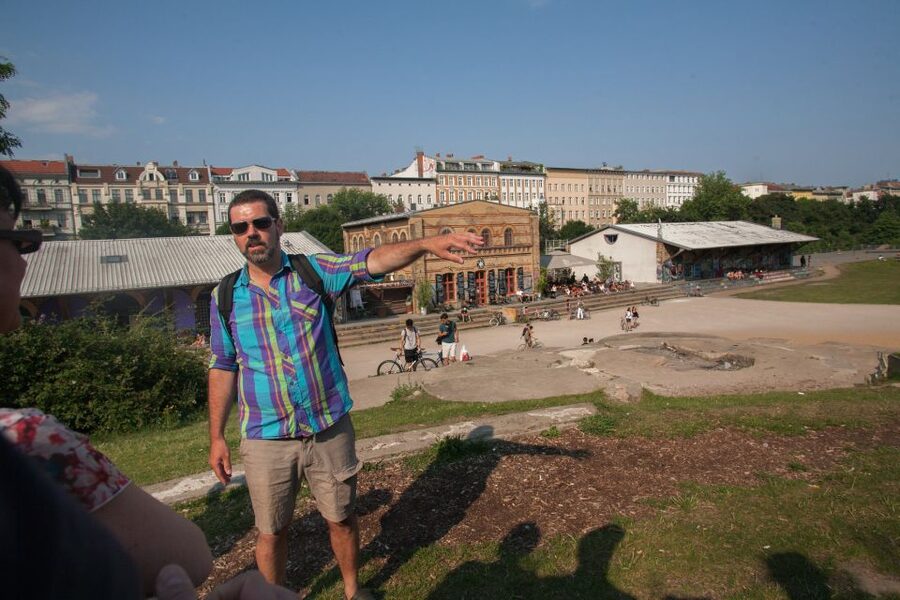
This is a great fit if you want Berlin that feels grounded in neighborhoods, not just monuments. You’ll enjoy it most if you like street life and want explanations tied to specific places like Oranienstraße/SO36, the Museum of Objects, and the art-squat world around Mariannenplatz.
It’s also a smart choice for people who like a tour guide who can connect the dots between old architecture, community spaces, and the city’s political story. The reviews highlight that the guiding is a big part of the experience, and the name Ferenz comes up as an example of someone who tells the background in a way that stays engaging.
You might want another option if you:
- need a fully English-language tour (the tour is listed as German)
- dislike walking outdoors for 2.5 hours
- want a tour where food is included as part of the ticket
Should you book this tour?
Yes, if you want a budget-friendly, high-context Kreuzberg introduction that doesn’t waste time. For $24, you get a structured walk that covers major neighborhood anchors (from Kottbusser Tor onward), plus meaningful stops like Bethanien and the Museum of Objects that make the area’s culture easier to understand.
Book it especially if you’re the type of traveler who enjoys asking, Why is this place here, and what did it become? This tour is built for that kind of curiosity, and the mix of city life, alternative culture, and East-West symbolism makes it feel like more than a normal “see the sights” stroll.
FAQ
Where does the tour start?
Meet at Skalitzer Str. 137, in front of Gold Exchange and next to REWE.
What’s the nearest U-Bahn station?
The nearest station is Kottbusser Tor (lines U1 and U8).
How long is the walking tour?
It lasts about 2.5 hours.
What are the main highlights I’ll see?
You’ll visit areas and stops including Kottbusser Tor, Oranienstraße and the SO36 area, Oranienhöfen and the Home for the Blind, Museum of Objects, Mariannenplatz and Bethanien, Oberbaumbrücke, Görlitzer Park, and East Side Gallery, with the finish at Görlitzer Bahnhof.
Is food included in the price?
No. Food and drink are not included.
Will the tour run in bad weather?
Yes. It takes place in all weathers, and a rain poncho is distributed if needed.
What language is the guide?
The live guide speaks German.
What should I bring?
Bring comfortable shoes for a walking tour.
What’s the cancellation rule?
You can cancel up to 24 hours in advance for a full refund. For groups of 3 or more, there is also a 3-day cutoff before the scheduled tour.
More Tours in Berlin
More Tour Reviews in Berlin

Kreuzberg and the Eastern Districts

Round out your days in Berlin
Kreuzberg & Alternative Districts, compared.
 ★ 4.5Kreuzberg: Culinary Food TourFrom $589770 reviews
 ★ 4.7Kreuzberg Guided Walking Evening TourFrom $27555 reviews
 ★ 4.7Alternative Bike Tour of Kreuzberg & FriedrichshainFrom $41548 reviews
 ★ 4.92.5-Hour Walking Tour through Kreuzberg 61From $23525 reviews
 ★ 5.0Berlin Off-the-Beaten-Path Walking Tour: Kreuzberg, Mitte and FriedrichshainFrom $30412 reviews
 ★ 4.8Experience the Alternative Kreuzberg on a Bike TourFrom $41395 reviews
 ★ 4.9Prenzlauer Berg District Guided Walking TourFrom $23316 reviews
 ★ 4.8Gay Berlin Out in Schöneberg Walking TourFrom $23281 reviews
Browse the lists this tour appears in