
REVIEW · THIRD REICH & WWII HISTORY
The History of Berlin: WWII PRIVATE Walking Tour With Locals
Berlin’s WWII stories hit hard, fast. This private 4-hour walk connects the city’s most important WWII and Cold War sites with local storytelling, from the New Synagogue to the Palace of Tears and the Holocaust Memorial. I especially like the private pacing—you’re not stuck with a big-group shuffle—and the local host attention, with room for your questions and for small route tweaks.
One consideration: most major stops are visited from the outside, and entrance tickets are not included (Museum Island and the Reichstag specifically show up without admission). If you want inside access, you’ll need to plan that separately and accept that the tour is mostly about seeing, walking, and learning the context.
In This Review
- Quick hits
- Why this WWII and Cold War walk works in Berlin
- Getting started: Oranienburger Strasse and a tour you can steer
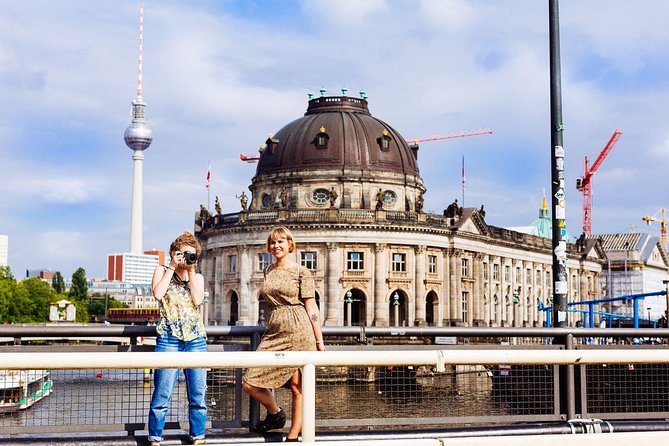
- Museum Island: where Germany’s cultural power and identity get staged
- Reichstag area: from imperial government to a symbol of rupture
- Checkpoint Charlie and the Wall story you can feel in your feet
- The Palace of Tears: when bureaucracy becomes a barrier
- The New Synagogue: architecture, survival, and identity
- Brandenburg Gate and the Holocaust Memorial: icons with real shadows
- Hitler’s bunker area: what you’re seeing and what you’re not
- Bebelplatz and Museum Island again: architecture that argues with the past
- Price and value: what you’re really paying for
- Walking logistics and comfort: shoes, breaks, and pacing
- Who should book this tour, and who should tweak expectations
- Should you book it?
- FAQ
- Where does the tour start?
- How long is the tour?
- Is it a private tour?
- What language is the tour offered in?
- Are attraction tickets included?
- What do I need for walking?
- Is hotel pickup included?
- Is there free cancellation?
Quick hits

- Private-only tour tailored to your pace, with a local guide focused on you
- Oranienburger Strasse meeting point makes it easy to start and end in the same place
- Palace of Tears and the escape attempts give the East-West story real human weight
- Big landmarks plus reminders: Brandenburg Gate photos, the Holocaust Memorial, and Nazi-era history on the route
- Outdoor viewing style keeps the tour moving, with admissions generally not included
More walks through Berlin's wartime history
- Berlin: Third Reich & Cold War Guided Walking Tour★ 4.9 · 8,378 reviews
- Berlin’s Best: 2 Hour Walking Tour Third Reich and the Cold War★ 5.0 · 5,486 reviews
- Third Reich Berlin: Hitler and WWII Walking Tour★ 5.0 · 3,301 reviews
- Berlin: Third Reich, Hitler, and WWII Walking Tour★ 4.9 · 1,757 reviews
Why this WWII and Cold War walk works in Berlin
Berlin is not a museum you read in one day. It’s a city where history sits next to apartment blocks, malls, and modern transit. A private walking format is ideal here because you can stop when something pulls you in and keep going when you’re ready.
This tour is built around the East-West divide and WWII aftermath, but it does it with a practical focus: what these places meant at the time, and how Berliners lived with the consequences. You get the hard story without feeling like you’re trapped in a lecture. A good guide—like Seth, Sara, Pablo, or Boyd—tends to weave the politics into everyday details, so the city starts making sense fast.
You’ll also appreciate that it’s designed for a moderate walking pace. Several guides are quick to add tiny breaks for coffee or restroom stops, and that matters on a long history session.
Getting started: Oranienburger Strasse and a tour you can steer
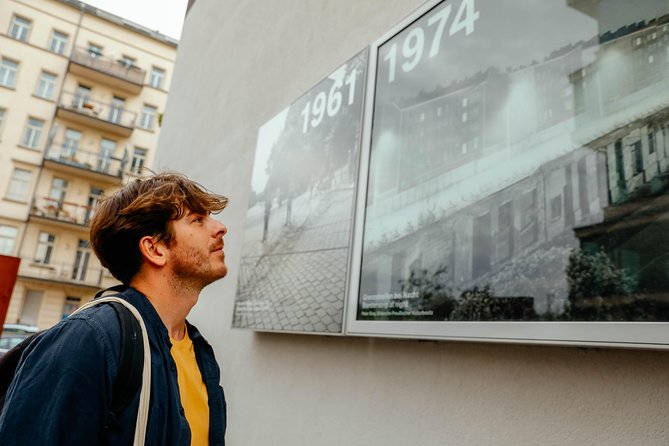
You meet at Oranienburger Str. 36, 10117 Berlin, near public transportation. That’s a big deal because Berlin can swallow time if you’re constantly crossing the city just to start. The tour ends back at the meeting point, so you’re not stuck with a complicated finish or a long trek back to your hotel.
Because it’s private, you can set tone and expectations early. If you care most about specific places—Brandenburg Gate, Checkpoint Charlie, or the Holocaust Memorial—tell your guide up front. One downside of any tailored route is that if expectations aren’t shared clearly, you could end up with a version that feels lighter on your must-sees.
A couple of guides in the past have tailored strongly to the party, including routes that picked up additional nearby points if time allowed. That flexibility is one of the best reasons to go private in Berlin, where two streets can have two totally different stories.
Museum Island: where Germany’s cultural power and identity get staged
The tour starts with Museum Island, on the northern part of the Spree Island in Berlin’s historic heart. Even without going inside, you’ll get a sense of why this area matters. It’s where the city has built a long-running image of itself—art, learning, and cultural authority.
Here’s the practical value: after Museum Island, the rest of your walk doesn’t feel like random sightseeing. It starts to feel like a timeline of how Berlin tried to reinvent itself—then how it was forced to reckon with WWII and its aftermath.
What to watch for: the overall scale and layout. Museum Island is impressive in broad strokes, and your guide can point out how the monumental feel changes depending on the era being discussed.
Potential drawback: if you were hoping for a lot of inside time, you should know admissions are not included. Museum Island is still a strong stop for orientation and context, but it’s not a full museum visit.
Reichstag area: from imperial government to a symbol of rupture
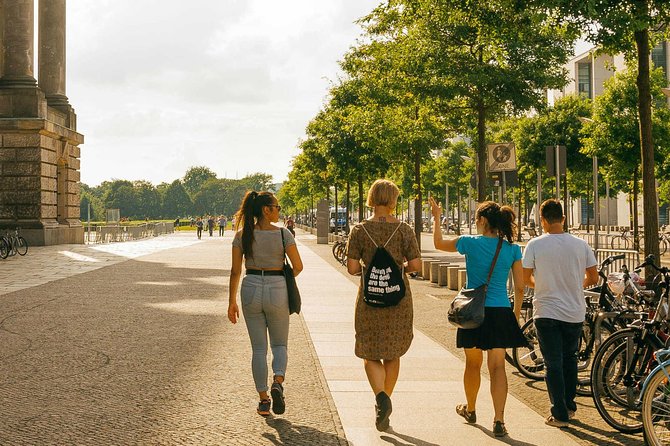
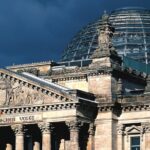
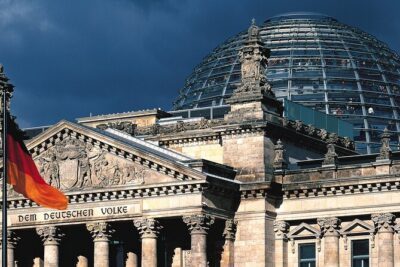
Next comes the Reichstag Building, constructed for the Imperial Government and famously damaged after a fire in 1933. Even if you don’t go inside, the Reichstag area is a shortcut to understanding why Berlin’s government buildings became lightning rods for ideology.
This stop works best when your guide connects events instead of listing dates. The Reichstag story is a chain: imperial politics, collapse, fire, and the road toward total dictatorship. When a guide lays it out cleanly, you stop seeing it as one building and start seeing it as an era’s turning point.
Photo tip: plan for exterior shots and skyline angles. You’re in central Berlin, so it’s easier to get a good viewpoint even without entering.
Potential drawback: the timing is short, and admission isn’t included. If you want interior access, factor that into your day outside the tour.
More of Berlin on foot


Checkpoint Charlie and the Wall story you can feel in your feet
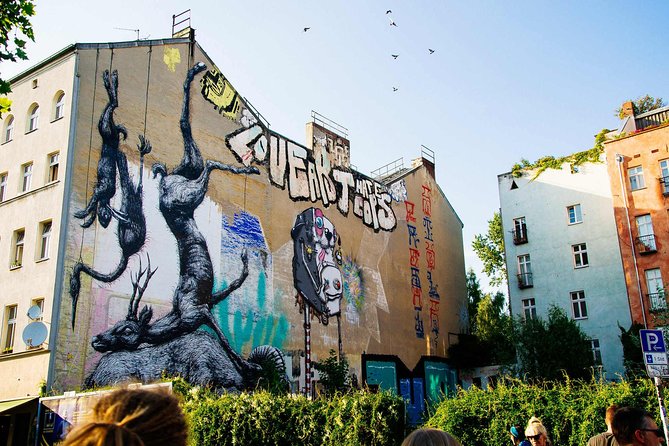
Checkpoint Charlie is the best-known Berlin Wall crossing point between East and West Berlin during the Cold War. It’s the kind of place that can feel like a movie set if you don’t understand the stakes. With a guide, it clicks into focus: this wasn’t just about borders, it was about control, fear, and desperate attempts to escape.
You’ll get the kind of context that makes the landmark meaningful. One of the strongest parts of this route is the way it ties the physical crossing points to the human stories behind them—especially later when you reach places tied to departures and failed attempts.
One caution: Checkpoint Charlie is famous and busy. If you dislike crowds, keep your expectations realistic and use your guide’s pacing to move quickly through the busier edges.
The Palace of Tears: when bureaucracy becomes a barrier
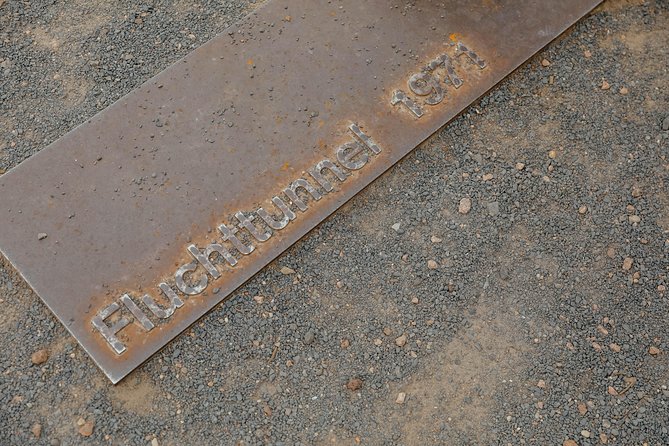
One of the most moving segments is the Palace of Tears, described as a former border point between East and West Berlin. That’s already emotional. But the real power comes from the exhibitions and the stories about residents trying to flee Russian-occupied East Berlin into Allied-occupied West Berlin.
This is where private touring earns its keep. Group tours tend to skim. Here, your guide can slow down for the emotional logic of the site and connect what you’re seeing to what Berliners actually faced—waiting, paperwork, uncertainty, and the risk of never making it.
What to expect: an exhibition-focused stop and a guide-led explanation. Admissions details aren’t spelled out for every part, but the tour framing is clearly about learning while you’re there.
Potential drawback: if you’re sensitive to heavy topics, pace yourself. This stop can sit in your body a while after you leave.
The New Synagogue: architecture, survival, and identity
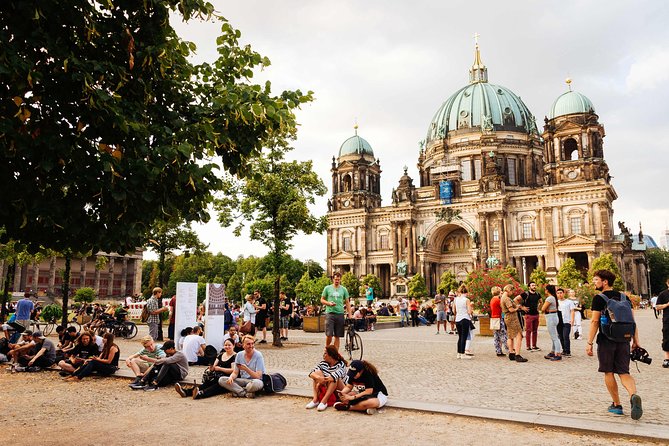
You’ll pass by the New Synagogue and pause to admire its striking Moorish architecture. This is more than a visual break in a heavy itinerary. It’s a reminder that cultural identity didn’t disappear after WWII—it fought to survive, rebuild, and reappear in brick and design.
When your guide ties it back to the broader story, the stop becomes a contrast moment. You see beauty, then understand what made the beauty fragile in the first place.
How to get more from it: look closely at the details as you stand there. Ask your guide what the architecture is trying to communicate, and how that ties to community history.
Brandenburg Gate and the Holocaust Memorial: icons with real shadows
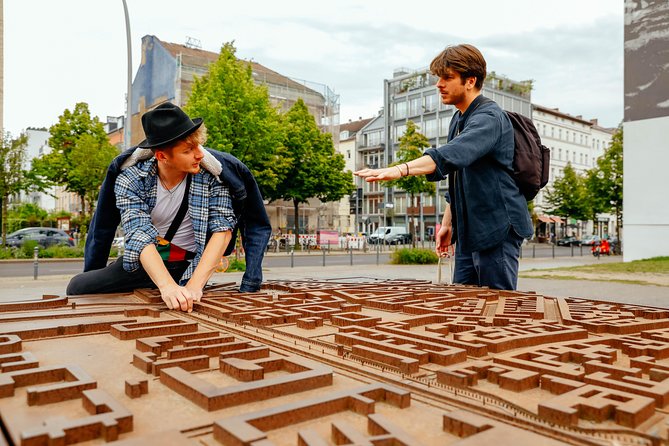
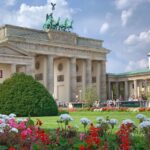
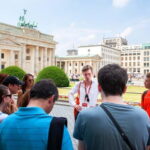
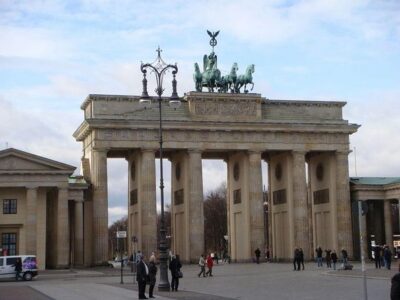
You’ll get time for photos at the Brandenburg Gate, one of Berlin’s most significant historic monuments. Even if you’ve seen it before on postcards, it lands differently with a guide beside you. It’s a symbol that changes meaning depending on the era and the regime telling the story.
Then you walk through the Holocaust Memorial, described as a moving reminder of Berlin’s dark past. This stop can feel like the emotional center of the itinerary. The physical space forces you to slow down, and with the right guide narration, it becomes a lesson on how ordinary people and institutions were shaped by ideology.
Best approach: bring your own pace here. If you want to linger, do it. If you’d rather move quietly through quickly, you can. Private tours are good at matching the tour speed to your emotional comfort.
Hitler’s bunker area: what you’re seeing and what you’re not
The itinerary includes a visit to Hitler’s bunker area for more WWII context and the rise of the Nazi party. This is one of those places where the guide’s job is crucial: you need historical framing so you don’t treat it like a shock attraction.
What you’ll get: a guided explanation of why this location matters in the WWII story and how the Nazi rise connected to the later catastrophe.
Practical note: details like interior access are not indicated. Treat this as a context stop—an understanding point, not a museum ticket moment.
Bebelplatz and Museum Island again: architecture that argues with the past
You’ll stroll around Bebelplatz, home to impressive architecture, then cross over toward the UNESCO-listed Museum Island area. This part of the walk can be surprisingly useful because it shows how Berlin’s streets hold layers. Buildings don’t just sit there; they participate in the story.
Bebelplatz is a strong example of how architecture and public space reflect power and culture. When a guide connects those dots, the city stops looking like a set of separate sights.
Price and value: what you’re really paying for
The price is $143.97 per person, for about 4 hours. That can sound steep until you compare it to what you actually get in Berlin: a private guide, careful route building, and a storyline that connects places you could otherwise see as disconnected monuments.
The value is not in a checklist. It’s in having one person who can:
- answer your questions without rushing,
- adjust the order or emphasis if you care more about WWII than the Cold War (or vice versa),
- point out what matters when you’re standing in front of a landmark.
That said, it’s still a walking tour with admissions not included in general. So the best “math” is this: if you’re happy learning from exterior views and guided context, the price feels fair. If you want lots of interior access and paid exhibits included, you’ll likely want to add tickets on your own.
One small plus: the tour is listed as CO2 neutral, with emissions offset. It won’t change the past, but it fits the trend toward more climate-conscious travel.
Walking logistics and comfort: shoes, breaks, and pacing
Expect moderate physical fitness needs. Berlin walking adds up fast. One guide-led experience mentioned roughly 15,000 steps when counting, so wear real walking shoes and don’t plan this right after a late night.
The good news: there’s typically room for stops—coffee breaks and restroom breaks have been part of the flow with some guides. The private setup also means you can pause longer if you need to.
If you’re traveling with small kids, plan carefully. The route is built for adults or teens who can handle steady walking and heavy themes.
Who should book this tour, and who should tweak expectations
This tour is a strong match if you want a guided, timeline-based Berlin experience focused on WWII and the Cold War. It’s also ideal if you’re the kind of traveler who asks follow-up questions and wants nuance, not just names and dates.
It’s less ideal if you want a short, inside-heavy itinerary with admissions included, or if you need very light emotional content. The subject matter is serious, and stops like the Palace of Tears and the Holocaust Memorial require a calmer pace.
One more practical thought: because guides can tailor routes, you should communicate your must-see list at the start. If you’re specifically aiming for Berlin Wall-related content and the major iconic sites, say so. That’s the easiest way to avoid mismatch.
Should you book it?
I’d book this tour if you want Berlin history tied to real places and real stakes, with a guide who can connect the dots while you walk. The private format is the key benefit, and the route hits the kind of emotional and political landmarks that make Berlin’s WWII and Cold War story feel personal.
I’d think twice if your plan depends on included museum or building entry tickets. This tour is set up for outside viewing and guide-led context, so budget time and money for any inside add-ons you care about.
If you’re going: go prepared with comfortable shoes, be ready for heavy moments, and tell your guide what you want emphasized. That’s how you turn a good history tour into the kind you remember.
FAQ
Where does the tour start?
The tour starts at Oranienburger Str. 36, 10117 Berlin, Germany.
How long is the tour?
It lasts about 4 hours.
Is it a private tour?
Yes. It is private, and it’s just your group.
What language is the tour offered in?
The tour is offered in English.
Are attraction tickets included?
Entrance tickets are not included for attractions, and you will generally visit them from outside. Checkpoint Charlie is noted as free.
What do I need for walking?
You should have a moderate physical fitness level. The itinerary is walking-based and includes several major stops.
Is hotel pickup included?
No. Hotel pickup and drop-off are not included.
Is there free cancellation?
Yes. You can cancel up to 24 hours in advance for a full refund.
More Tours in Berlin





More Tour Reviews in Berlin
Berlin's Wartime History
Round out your days in Berlin

Third Reich & WWII History, compared.
 ★ 4.9Third Reich & Cold War Guided Walking TourFrom $238,378 reviews
 ★ 5.0Berlin’s Best: 2 Hour Walking Tour Third Reich and the Cold WarFrom $245,486 reviews
 ★ 5.0Third Reich Berlin: Hitler and WWII Walking TourFrom $243,301 reviews
 ★ 4.9Third Reich, Hitler, and WWII Walking TourFrom $191,757 reviews
 ★ 5.0Berlin Third Reich Sites: Half-Day Walking TourFrom $21835 reviews
 ★ 4.7History of the Third Reich Guided Walking TourFrom $30791 reviews
 ★ 4.8The Wall and Third Reich Guided Bike TourFrom $41578 reviews
 ★ 4.8Hitler’s Germany: Berlin During the Third Reich & WWIIFrom $23476 reviews
Browse the lists this tour appears in