
REVIEW · THIRD REICH & WWII HISTORY
Third Reich and the Holocaust in Berlin Private Guided Tour
Berlin’s past is impossible to ignore. This private tour strings together Topography of Terror with key Old Town sites so you can connect the Nazi story to the places where it happened, in plain language. You’ll also have a licensed guide who can explain the rise-and-fall story with live commentary in your language.
I especially like the way the tour focuses on meaning, not just dates. The private format lets you set the pace, ask questions, and spend more time on what hits you most. You’ll see major landmarks like Potsdamer Platz, the Memorial to the Murdered Jews of Europe, and the Reichstag area, all tied to what they represented at the time.
One possible drawback: this is a heavy, emotional route, and you’ll cover a lot of ground in 5 hours. If you’re someone who needs frequent breaks, plan on taking a slower rhythm and using the guide’s flexibility.
In This Review
- Key points before you go
- Why Berlin Is the Right Place for Third Reich History
- Meeting Wilhelmstraße: Where to Start and How Private Tours Roll
- Topography of Terror: Nazi Power, Propaganda, and Atrocity in One Place
- Potsdamer Platz to the Reichstag: From Allied Boundaries to Nazi Stagecraft
- The Memorial to the Murdered Jews of Europe: Why This Stop Hits Different
- Soviet War Memorial: World War II Memory From Another Side
- What Changes in the 5-Hour Option: Friedrichstraße, Rail Death, and the Children’s Trains
- The Jewish Quarter and Otto Weidt: From Synagogue History to People Who Tried to Help
- Price and Value: Why $219 Can Still Feel Worth It Here
- Guides You Might Get: Communication That Actually Helps
- Who This Tour Is Best For (and Who Might Prefer a Shorter Version)
- Should You Book This Third Reich and Holocaust Tour?
- FAQ
- How long is the private tour?
- What does the 5-hour tour include?
- Is the Otto Weidt’s Blindenwerkstatt visit included in the 3-hour option?
- Where does the tour start?
- What languages are available for the live guide?
- Is the tour private?
- Which sites are included in the Old Town portion?
- Is the Reichstag building part of the route?
- Do I need to pay at booking?
- Can I cancel for a refund?
Key points before you go
- Expert, licensed history guides in multiple languages, with live commentary
- Topography of Terror in the former Gestapo and SS headquarters
- Major memorial stops including the Memorial to the Murdered Jews of Europe
- A Holocaust-focused add-on in the 5-hour option: Otto Weidt’s Blindenwerkstatt
- Clear pacing for a private group, tailored to your questions and interests
More walks through Berlin's wartime history
- Berlin: Third Reich & Cold War Guided Walking Tour★ 4.9 · 8,378 reviews
- Berlin’s Best: 2 Hour Walking Tour Third Reich and the Cold War★ 5.0 · 5,486 reviews
- Third Reich Berlin: Hitler and WWII Walking Tour★ 5.0 · 3,301 reviews
- Berlin: Third Reich, Hitler, and WWII Walking Tour★ 4.9 · 1,757 reviews
Why Berlin Is the Right Place for Third Reich History
Berlin isn’t just where Nazi power was headquartered. It’s where you can still read the past into the city’s layout. That’s what makes this tour so useful: you’re not learning the Third Reich as an isolated topic. You’re learning it as a system that used buildings, propaganda staging, rail routes, and “official” violence to destroy lives.
And the tour doesn’t treat the Holocaust as a side note. The stops are chosen to show how persecution became policy, and how that policy spread across people, institutions, and space. Expect a factual, direct approach. You should also expect the mood to change at certain points—because the places themselves do that.
Meeting Wilhelmstraße: Where to Start and How Private Tours Roll
Your guide meets you in front of the Typisch Berlin cafe at Wilhelmstraße 42 (10963 Berlin). Don’t step inside—staff aren’t informed about the tour, so it’s best to stay outside at the meeting point.
Because this is a private group, the tour isn’t designed to rush a crowd through the same checklist. You get to move at your pace, and the guide can adjust to your interests. If you want more context on propaganda, you can ask. If you want to focus on the memorial meaning rather than the political timeline, you can steer the conversation.
Time matters on this kind of route. With a 5-hour option, you can cover more sites without feeling like you’re being chased. With a 3-hour option, you’ll get a tighter selection. Either way, shoes you’re comfortable walking in are not optional.
Topography of Terror: Nazi Power, Propaganda, and Atrocity in One Place

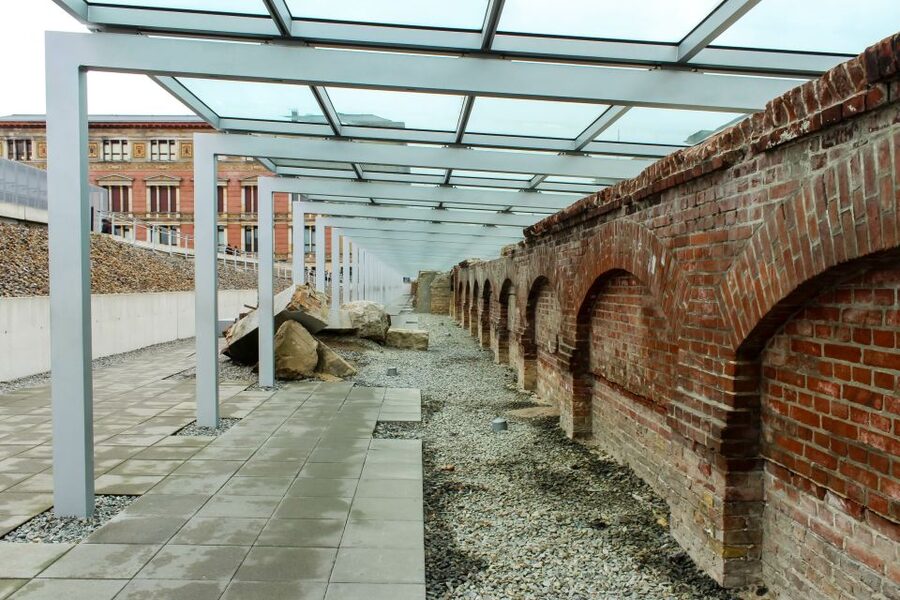
The tour begins at Topography of Terror, one of Berlin’s most important historical learning stops for the Nazi era. It’s built around the history of the former headquarters where the Gestapo and SS operated. Walking into that setting changes the way the story lands. The walls and layout make the “how could this happen” question feel uncomfortably close to the present.
What I like about this museum stop (and why it works on a walking tour) is that it connects themes instead of presenting them as separate chapters. You can follow the logic of the Nazi rise to power, the way propaganda shaped public life, and how violence became organized and systematic.
Your guide’s job here is huge: they translate the exhibitions into a clear narrative you can actually use. Not everyone wants a lecture. This is where you’ll benefit from a guide who can explain big ideas without drowning you in jargon.
Potsdamer Platz to the Reichstag: From Allied Boundaries to Nazi Stagecraft
From the museum, the route moves through Berlin’s Old Town and toward sites tied to World War II and its aftermath. One of the first big “context” stops is Potsdamer Platz. It’s remembered for what happened there after the war—when the boundaries of the American, British, and Soviet Allied zones collided as the city was liberated. That matters because Berlin became a symbol, not only a battlefield.
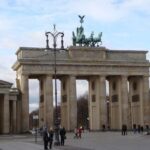
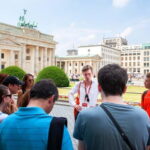
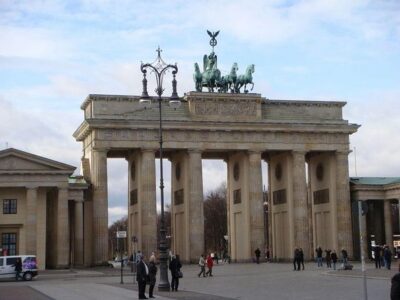
Next, you’ll head toward major landmarks that carried political meaning during the Nazi period. The Brandenburg Gate shows up as more than an iconic photo spot. During the Nazi era, it was used as a dramatic backdrop for propaganda rallies. Seeing how that stage was used helps you understand how the regime turned architecture and public space into messaging.
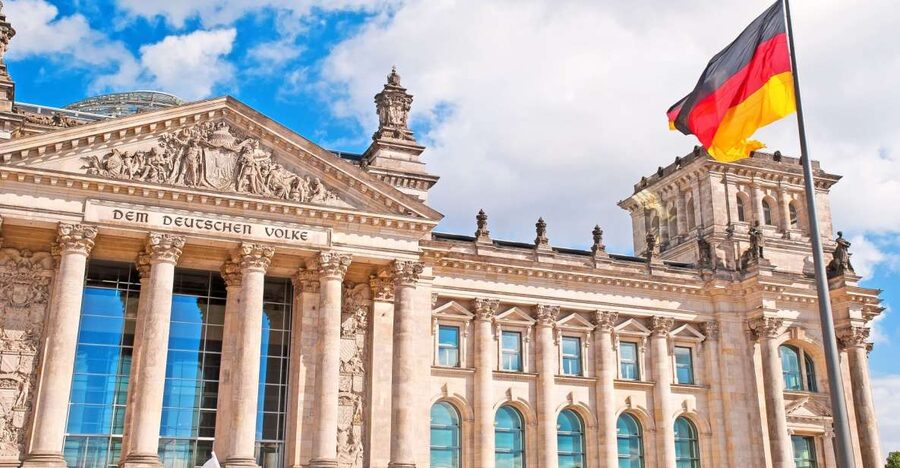
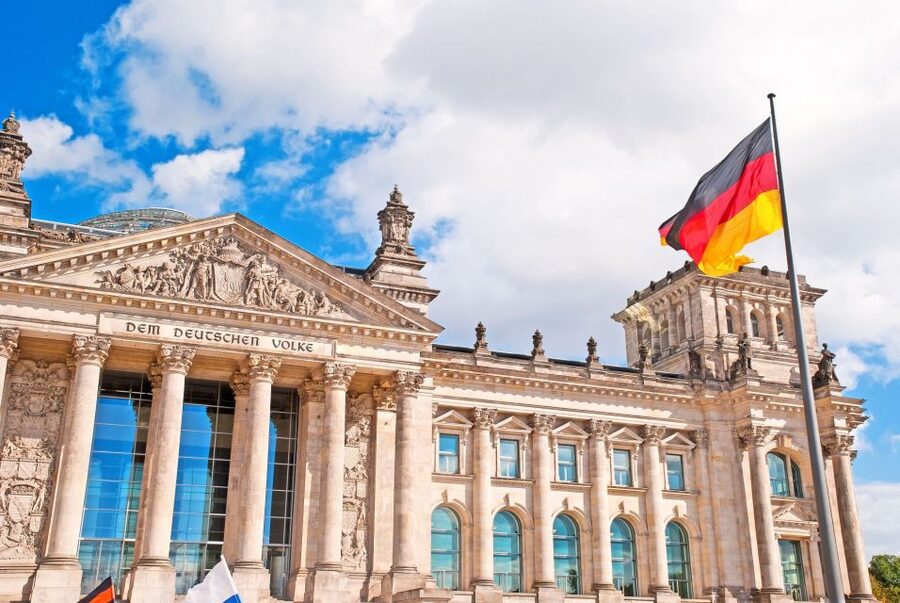
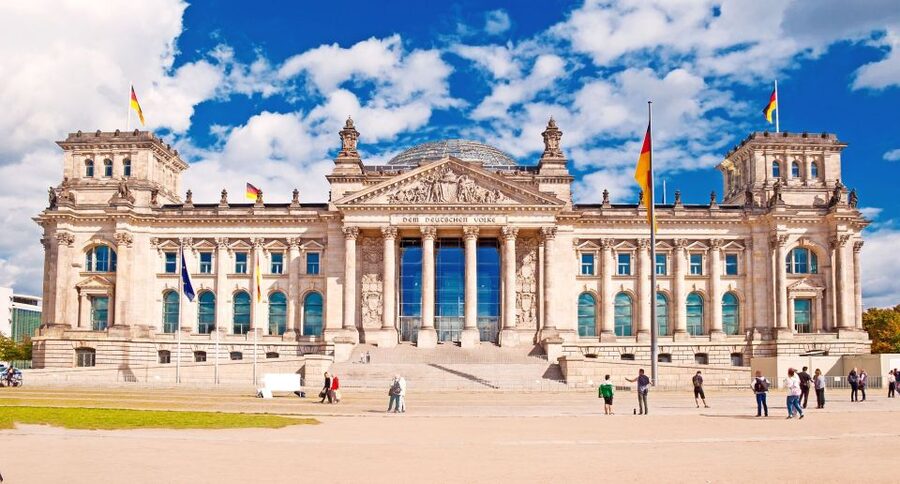
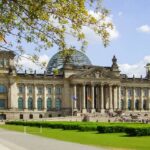
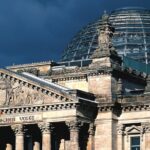
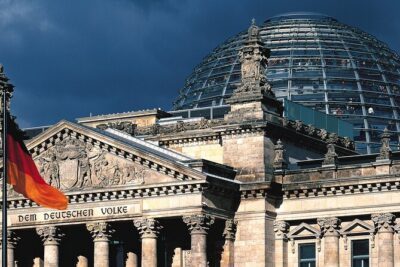
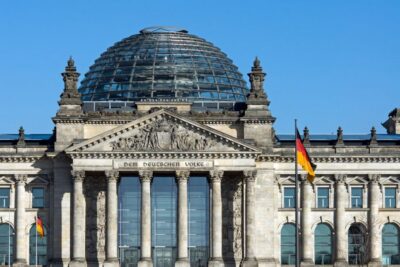
Then comes the Reichstag building, closely tied to the political shock of 1933, when it burned. Even if you already know the basic story, a good guide helps you see how that moment was used to accelerate control. It’s one of those places where the building’s history and the country’s history are braided together so tightly it’s hard to separate them.
More guided walks through Berlin



The Memorial to the Murdered Jews of Europe: Why This Stop Hits Different
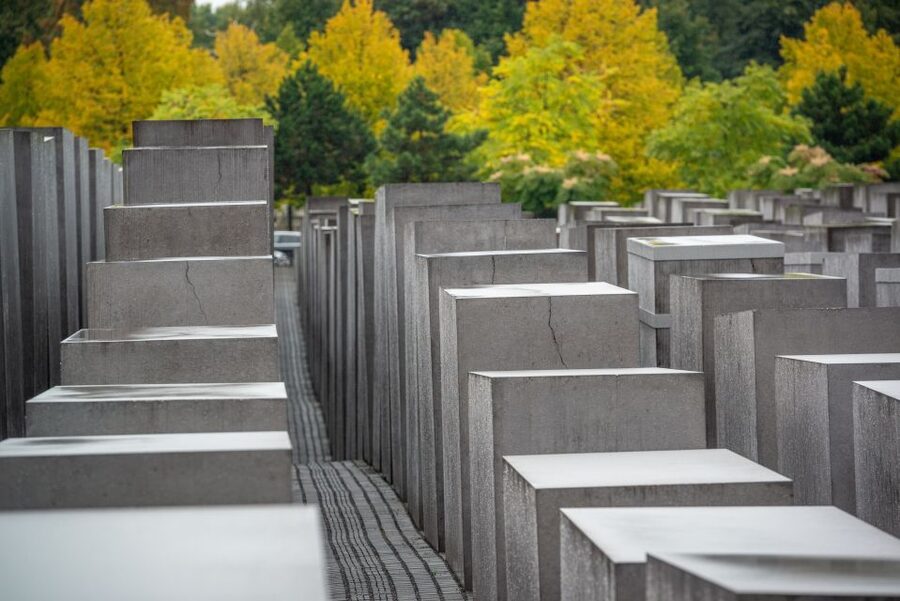
One of the tour’s strongest emotional anchors is the Memorial to the Murdered Jews of Europe, created to remember the six million Jewish victims of the Holocaust. This is not a “quick look and move on” stop. The point is to slow down enough to let the scale register.
A memorial like this works best with context. On this tour, you’re not left guessing what to think or how to read the space. The guide frames what it represents and why remembrance in Berlin takes this form. You’ll also hear it tied to the broader story of persecution and deportation—so it doesn’t feel like an isolated monument. It feels like part of the same system you just saw at Topography of Terror.
If you’re the type who needs a moment to reset, this is your place. Step aside for a minute. Look longer than you planned. That’s not wasting time—it’s the point.
Soviet War Memorial: World War II Memory From Another Side
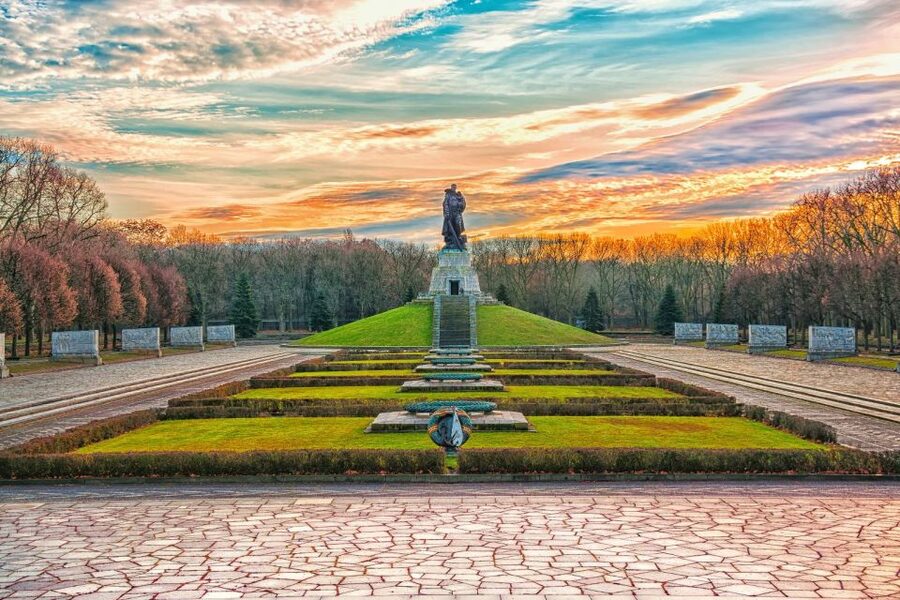
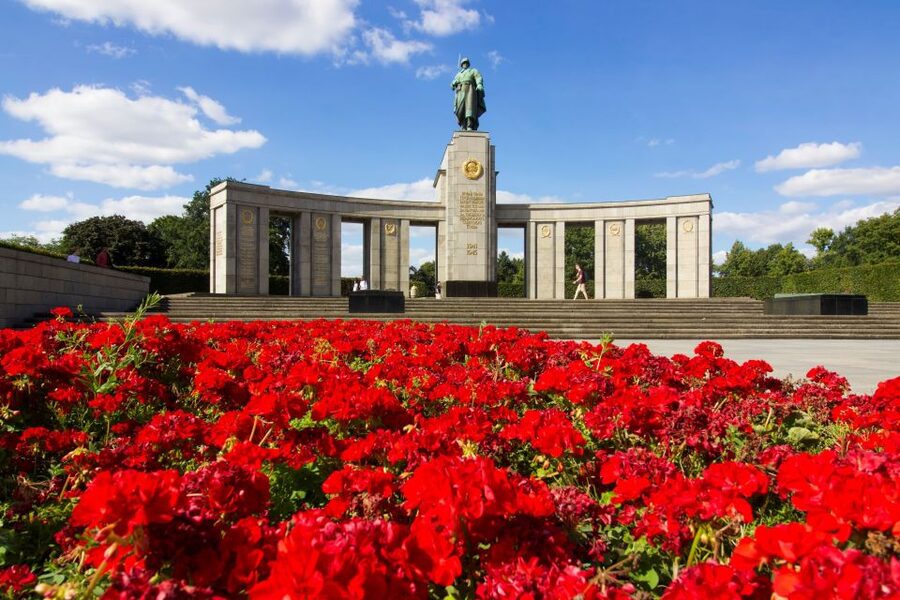
The tour ends this Old Town circuit at the Soviet War Memorial, one of several Berlin memorials erected by the Soviet Union to commemorate its war soldiers. This matters because Berlin remembers World War II through multiple national lenses.
You’ll often hear the “official story” of WWII told in one dominant framework. Here, you get a reminder that memorial culture can reflect politics, alliances, and outcomes just as much as it reflects grief.
This stop doesn’t overwrite the Holocaust story. It adds another layer to how Berlin holds history: not only the collapse of the Nazi regime, but also the war’s broader human cost across Europe.
What Changes in the 5-Hour Option: Friedrichstraße, Rail Death, and the Children’s Trains
If you choose the extended 5-hour tour, the route adds more specific Holocaust-focused sites in addition to the Old Town highlights. This extra time is where you go beyond the broad “rise and fall” arc and get closer to the machinery of persecution.
You’ll walk Friedrichstraße, one of Berlin’s famous streets, where everyday movement in the city becomes part of the story because it sat in the geography of occupation and deportation. It’s the kind of place where you can look at today’s street life and still feel how different the same corridors must have been during the war.
Then you’ll see the monument Trains to Life – Trains to Death, which commemorates children who were murdered during the Holocaust. That specific focus on children is hard, and that’s the point: the Holocaust wasn’t only a statistic. It included the deliberate killing of minors. A guide’s explanation helps you understand how memorials like this translate unimaginable events into something you can stand in front of.
You’ll also pass through areas connected to the Jewish quarter and surrounding neighborhoods, including Spandauer Vorstadt. Walking these streets gives the story less of a museum feel. Berlin starts to feel like a set of connected locations rather than a series of isolated stops.
The Jewish Quarter and Otto Weidt: From Synagogue History to People Who Tried to Help
In the 5-hour option, you’ll enter the Jewish Quarter area and hear more about Jewish history in Berlin. The tour includes the surviving New Synagogue, which is powerful as a physical reminder that Jewish life continued and endured through catastrophe.
And then you’ll visit Otto Weidt’s Blindenwerkstatt. This museum focuses on Otto Weidt, who employed mostly blind and deaf Jewish workers in his workshop during World War II. That angle matters. It doesn’t erase the horror. It adds something equally important: the reality of human choices under extreme risk.
On a tour like this, you can end up with only one emotional register—grief, anger, shock. Stops like Blindenwerkstatt help you see a different kind of courage: not the kind that stops the machine, but the kind that fights to protect individual lives where possible.
Price and Value: Why $219 Can Still Feel Worth It Here
At $219 per person for a 5-hour private tour, you’re paying for three things that matter in Berlin: a licensed guide, a private pacing, and high-stakes content told responsibly.
A cheaper group tour can get you to the sites, sure. But when you’re dealing with the Holocaust and Nazi propaganda, you want clarity, context, and time for questions. The value here is that the guide isn’t working around a packed bus schedule. You can ask why certain places matter, what a memorial is trying to communicate, or how the events connect.
Also, the tour is built around meaningful stops rather than optional add-ons. You’re not paying extra for the big names; you’re paying for the experience of connecting them with a knowledgeable history expert—plus language support in English, French, Russian, Spanish, Italian, German, and Polish.
Guides You Might Get: Communication That Actually Helps
What stands out from past guide experiences is how well the explanations land. People mention guides like Silvia, described as a historian with a specialty in WWII, with a teaching-style delivery that makes the timeline feel clear and vivid. Others mention Gunnar for strong guiding and lots of interesting learning along the route, and Manfred for bringing the city’s history across in a relaxed conversation style.
That mix is a real practical advantage. You don’t want a script. You want a guide who can match your pace and answer follow-up questions without turning the tour into a one-direction lecture.
Who This Tour Is Best For (and Who Might Prefer a Shorter Version)
This tour is a great fit if you:
- want a private learning experience rather than a rushed group walk
- care about connecting Nazi rule, World War II, and Holocaust remembrance in Berlin
- appreciate an expert guide who can explain events with live commentary in your language
- are choosing between a quick overview and a more specific Holocaust-and-people focus (that 5-hour extension)
It may be less ideal if you:
- dislike long walks or tend to get overloaded by intense subject matter
- want only a brief, high-level hit without the extra Holocaust sites
If you’re choosing between lengths, the differentiator is clear: the 5-hour option adds the Jewish Quarter area and Otto Weidt’s Blindenwerkstatt, plus additional Holocaust-focused monuments like the children’s trains memorial.
Should You Book This Third Reich and Holocaust Tour?
Book it if you want Berlin history to feel understandable, connected, and grounded in place. This tour earns its cost by combining expert guiding with major sites that carry real meaning. If you can handle the emotional weight, the experience will stay with you—in the best, most responsible way.
Skip it (or choose the shorter option) if you’re visiting Berlin on a tight schedule or you know you need lighter content on day one. Even then, you’d still be choosing a tour that centers the right stops, with a guide who can explain them in the language you speak.
FAQ
How long is the private tour?
The extended option is 5 hours.
What does the 5-hour tour include?
It includes the Topography of Terror and Old Town sites such as Potsdamer Platz and the Memorial to the Murdered Jews of Europe, plus additional stops like Friedrichstraße, the Trains to Life – Trains to Death monument, the Jewish Quarter area and the surviving New Synagogue, and a visit to Otto Weidt’s Blindenwerkstatt museum.
Is the Otto Weidt’s Blindenwerkstatt visit included in the 3-hour option?
No. The Otto Weidt’s Blindenwerkstatt and the Jewish Quarter visit are only included in the 5-hour option.
Where does the tour start?
Meet your guide in front of the Typisch Berlin cafe, Wilhelmstraße 42, 10963 Berlin. Do not enter the cafe—it’s only the meeting point.
What languages are available for the live guide?
English, French, Russian, Spanish, Italian, German, and Polish.
Is the tour private?
Yes, it is a private group tour.
Which sites are included in the Old Town portion?
Topography of Terror, the Reichstag building, Potsdamer Platz, the Memorial to the Murdered Jews of Europe, and the Soviet War Memorial are included.
Is the Reichstag building part of the route?
Yes, it’s listed as one of the included stops.
Do I need to pay at booking?
You can reserve now and pay later.
Can I cancel for a refund?
Yes. Free cancellation is available up to 24 hours in advance for a full refund.
More Tours in Berlin

More Tour Reviews in Berlin
Berlin's Wartime History
Round out your days in Berlin
Third Reich & WWII History, compared.
 ★ 4.9Third Reich & Cold War Guided Walking TourFrom $238,378 reviews
 ★ 5.0Berlin’s Best: 2 Hour Walking Tour Third Reich and the Cold WarFrom $245,486 reviews
 ★ 5.0Third Reich Berlin: Hitler and WWII Walking TourFrom $243,301 reviews
 ★ 4.9Third Reich, Hitler, and WWII Walking TourFrom $191,757 reviews
 ★ 5.0Berlin Third Reich Sites: Half-Day Walking TourFrom $21835 reviews
 ★ 4.7History of the Third Reich Guided Walking TourFrom $30791 reviews
 ★ 4.8The Wall and Third Reich Guided Bike TourFrom $41578 reviews
 ★ 4.8Hitler’s Germany: Berlin During the Third Reich & WWIIFrom $23476 reviews
Browse the lists this tour appears in