
REVIEW · BERLIN WALL & COLD WAR
Berlin Cold War & World War II Third Reich Walking Tour
Hit Berlin’s history in one walking shot. This tour strings together World War II and Cold War sites across the city, showing you the places where power, war, and escape routes left physical marks. You’ll walk from the Reichstag era to East Berlin and end at Wall-related landmarks like the memorial and Teufelsberg, with a guide who keeps the story clear and human.
What I like most is the focus on Berlin’s scars instead of just reading plaques. The stops are picked so you see buildings tied to real events, from WWII memorial ground to the Cold War architecture that still shapes how neighborhoods feel today. A second big plus is how guides like Miguel (people rave about his passion and his restaurant, bar, and book tips) and Arthur bring the sites to life with humor and room for questions, not just a one-way lecture.
One thing to watch: this is a long, outdoors walking tour in all weather. Even if the schedule looks tight, you should plan for time on your feet and the occasional pause for a drink.
In This Review
- Key points worth knowing
- Step-by-step: starting at Generator Berlin Alexanderplatz
- Reichstag Building: the political stage where Germany keeps rewriting itself
- Museum Berlin-Karlshorst: WWII aftermath in a very specific place
- Humboldthain Flak Tower: wartime infrastructure still visible in the skyline
- Prenzlauer Berg and the Battle of Berlin traces
- Berlin Story Bunker: Hitler’s underground lore with guardrails
- Palace of Tears: escape points and Cold War checkpoints
- Berlin Wall Memorial: still-visible reminders of a political catastrophe
- Teufelsberg: guard towers, Wall leftovers, and perspective off the main route
- East Side Gallery and DDR Watch Tower: propaganda, fear, and the human scale
- Guides matter here: Miguel and Arthur’s styles that keep it moving
- Price and value: what $35.64 gets you for a long Berlin day
- Practical tips so the day feels easy
- Should you book this Berlin Cold War and WWII walking tour?
- FAQ
- How long is the Berlin Cold War and World War II Third Reich walking tour?
- Where do I meet, and where does the tour end?
- How much does the tour cost?
- What’s included, and what should I plan for myself?
- Are there admission fees for the stops?
- Does the tour run in bad weather?
- What fitness level do I need?
Key points worth knowing
- Free-entry stops: the listed sites are marked admission ticket free, so you’re mostly paying for guide time and walking.
- Big timeline, but kept practical: WWII-era power shifts connect directly to how East and West Berlin grew apart.
- Wall-era sites plus off-the-beaten-path views: Teufelsberg adds perspective beyond the most famous Wall spots.
- Guides with personality: Miguel’s question-friendly style and Arthur’s humor show up repeatedly in guest comments.
- Moderate fitness needed: you’ll be walking for hours, so wear shoes you trust.
More of the Wall and the divided city
- Berlin’s Best: 2 Hour Walking Tour Third Reich and the Cold War★ 5.0 · 5,486 reviews
- Skip-the-Line: Berlin Wall Museum at Checkpoint Charlie★ 4.1 · 2,041 reviews
- Berlin: East Side Gallery Spree Cruise in a Solar Catamaran★ 4.1 · 1,086 reviews
- Cold War, Berlin Wall, Spies and the East Side Gallery★ 5.0 · 1,024 reviews
Step-by-step: starting at Generator Berlin Alexanderplatz
Your day begins at Generator Berlin Alexanderplatz (Otto-Braun-Straße 65). It’s a solid meeting point because Alexanderplatz is easy to reach and easy to navigate, even if you’re arriving from elsewhere in the city. The tour starts at 12:00 pm and ends back near the same spot, which makes it less stressful when you want to grab lunch after.
Group size is capped at 100, which usually means you get a real guide conversation instead of shouting across a stadium. Also, this runs in all weather. Berlin can flip from sunny to rainy fast, so bring a light rain layer and don’t assume you can wait out a drizzle.
Reichstag Building: the political stage where Germany keeps rewriting itself
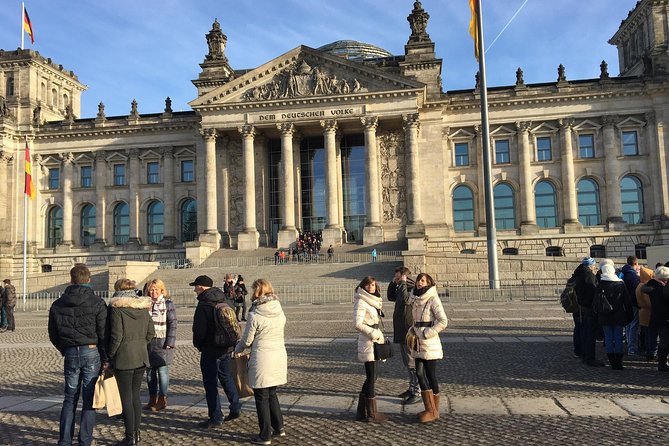
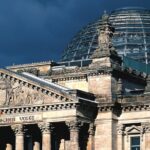
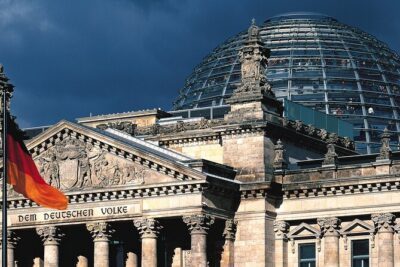
The first stop is the Reichstag Building. Even if you’ve seen photos, it hits different when your guide connects it to the rise of Hitler and the political shockwaves that followed. The setting alone tells you something: this is not just a museum stop. It’s a reminder that power in Germany has often been argued in public spaces, not hidden in back rooms.
This stop is also where I like to get oriented. Your guide’s story helps you understand why later parts of the tour matter. When you walk past later Wall-related sites, you’ll recognize the through-line: how ideology turns into borders, and how borders turn into everyday life.
Museum Berlin-Karlshorst: WWII aftermath in a very specific place
Next up is Museum Berlin-Karlshorst, a WWII-focused stop with memorial weight. This area is tied to the end of the Nazi regime and the moment war effectively shifted into occupation and aftermath. Your guide gives you the event context, and you’ll also hear about urban legends—useful in a strange way, because it shows how people process history when they can’t fully separate fact from memory.
The practical value here: you get the WWII story grounded in place. Berlin is full of “this happened here” claims, but Karlshorst gives you a clearer anchor—what happened, and why that matters to understanding what came next.
Humboldthain Flak Tower: wartime infrastructure still visible in the skyline
Then you’ll see the Humboldthain Flak Tower. This is the kind of stop that makes the phrase scars feel real. A flak tower is not subtle. It’s built to defend, survive, and dominate a landscape. That means when you pass it, you’re seeing a purpose-built piece of wartime thinking—how the city tried to protect itself, and how that protection became part of the urban machine.
Your guide will point out details you might otherwise ignore—exactly the sort of “look up, not just ahead” moment that makes a walking tour worth it. You’ll also have a bit of breathing room here, and that’s important because the tour pace is meant to stay leisurely enough that you can stop for a drink along the way.
More walks through Berlin's wartime history

Prenzlauer Berg and the Battle of Berlin traces
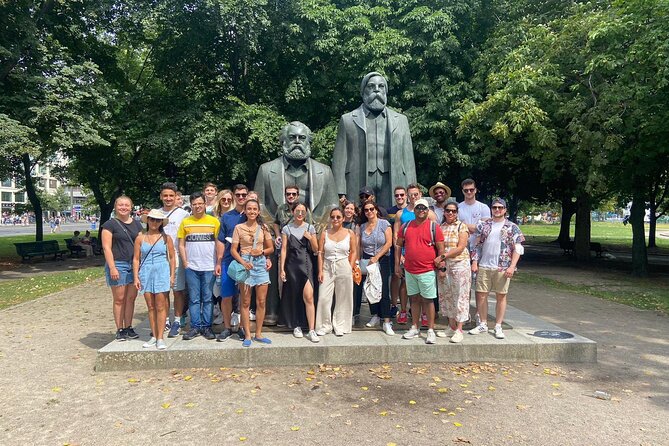
Prenzlauer Berg is where the tour shifts toward visible battlefield leftovers. The guide connects the neighborhood to the Battle of Berlin, so you’re not just walking through a pretty part of town. You’re walking through a place that once fought back hard, and that history still sits underneath the modern streets.
This stop is a good lesson in how Berlin layers time. You’ll likely notice how quickly the present-day city reclaims areas once associated with destruction. That contrast is the point. Berlin today isn’t a frozen historical theme park; it’s a city that rebuilt fast, and rebuilt hard.
Berlin Story Bunker: Hitler’s underground lore with guardrails

At Berlin Story Bunker, the focus shifts to Hitler-related underground legend. Your guide will frame the story around the notorious underground lair concept and what it meant during the final stretch of the war.
This stop can be fascinating if you like stories that sit between history and myth. The key is that your guide doesn’t treat it like a campfire tale. You’ll get the historical framing so you understand why the underground-lair idea became so sticky in popular memory.
Palace of Tears: escape points and Cold War checkpoints
The tour continues east toward the Palace of Tears. This is one of those places where the Cold War stops being abstract. Your guide explains it as a key setting tied to boarding crossings and escape routes, and it’s paired with the larger story of East Berlin under communism.
What I like here is the cause-and-effect approach. You don’t just hear about walls and politics. You hear how the Cold War shaped movement—who could go where, which procedures mattered, and how people tried to outsmart a system designed to control them. If you’re the type who asks questions, this is a great stop for it.
Berlin Wall Memorial: still-visible reminders of a political catastrophe
At the Berlin Wall Memorial, you get one of the clearest Wall learning moments. You’ll walk with local guides through sections of the former border zone and see visible reminders that make the Wall feel real, not theoretical.
This stop matters because it connects ideology to geography. Your guide can show you how the Wall wasn’t just a barrier; it was a tool that reshaped neighborhoods and daily routines. And once you’ve seen the memorial context, the later Wall-related viewpoints make more sense.
Teufelsberg: guard towers, Wall leftovers, and perspective off the main route
Teufelsberg is where the tour changes from “look at the past” to “see the past’s afterlife.” You’ll pass major landmarks left behind by the Wall, including guard towers and other memorial elements. Then you’ll head to points off the beaten path, which is a big value-add in Berlin. It’s one thing to see the famous spots. It’s another to see the angles people miss.
Expect this stop to be memorable for views and for how it shows the Wall as something that kept evolving around the city. This is also a nice place to slow down and let your guide connect what you’re seeing to what it meant for people trying to cross, resist, or simply survive.
East Side Gallery and DDR Watch Tower: propaganda, fear, and the human scale
Next is the East Side Gallery. Here, the conflict between East and West culminates visually, since the Wall became a canvas for messages and art. Your guide connects the murals to the broader Cold War message—what life was like on the dark side of the Wall, and how communism and control shaped daily reality.
After that, you’ll see the DDR Watch Tower area. This stop focuses on places where the Wall once stood, plus stories tied to horror and triumph from escapes and forced conscription. It’s not comfortable subject matter, but it’s important, and your guide’s framing keeps it grounded rather than sensational.
I like that this part of the tour brings you back to people. It’s easy to talk about borders like they’re lines on a map. The tower stories remind you they were mechanisms. They affected bodies, families, and choices.
Guides matter here: Miguel and Arthur’s styles that keep it moving
A big reason this tour earns a high rating is the guide experience. People repeatedly highlight Miguel for being passionate, welcoming, and able to answer questions in a way that makes the sites feel connected rather than random. The same comments also mention his extra tips, including where to eat, where to drink, and even what books to read next.
Arthur also comes up in guest comments as someone who brings a sense of humor, and who is willing to go deep when questions come from the group. In practical terms, that means you don’t just follow along. You can steer the pace with your curiosity.
If you care about history but hate tours that feel like reciting facts, this guide style is a strong match.
Price and value: what $35.64 gets you for a long Berlin day
At $35.64 per person, this tour feels like good value for Berlin, especially because you’re paying for real guiding time, not just transportation between selfie spots. You also have multiple stops marked as admission ticket free, which means you’re not constantly budgeting for entry fees along the way.
It’s not a sit-and-watch experience. It’s walking-focused, and that’s where the value shows: you’re investing your time in a route that helps you understand how the Nazi era led into postwar divisions, and how the Wall shaped the city after that. Add in the local guiding and you’re getting help interpreting what you’d otherwise skim.
The trade-off is simple: you’ll cover a lot of ground. If you want a low-walking museum day, this may feel like too much movement.
Practical tips so the day feels easy
Wear comfortable shoes. This is the one “secret” that always wins in Berlin. Even with breaks, you’re moving between major sites, and you’ll thank yourself after the third stop.
Dress for weather and bring a small rain layer. The tour operates in all weather, so you shouldn’t plan on the day magically staying dry.
Bring questions. This tour is built for interaction, not silence. If you’re curious about why certain buildings mattered or how escape routes worked in practice, that’s the kind of stuff your guide can explain in plain language.
Finally, plan a drink break. The pace is meant to feel relaxed enough to stop for something along the way, and that helps you keep your energy for the Wall and Teufelsberg segments.
Should you book this Berlin Cold War and WWII walking tour?
Book it if you want one guided route that connects the end of WWII to the Cold War split and the Berlin Wall’s lasting impact. It’s especially worth it if you like learning that’s tied to actual locations—buildings, memorials, towers, and former border-zone areas—so the history sticks.
Skip it if you hate walking, need a lot of indoor time, or prefer a tighter focus on only one era (for example, only WWII or only the Wall). For most people trying to get their bearings fast in Berlin, this is a strong pick.
If you do book, show up with good shoes and a curious mindset. Berlin history rewards attention. This tour gives you the attention without the stress.
FAQ
How long is the Berlin Cold War and World War II Third Reich walking tour?
The duration is listed as about 6 hours.
Where do I meet, and where does the tour end?
You meet at Generator Berlin Alexanderplatz (Otto-Braun-Straße 65, 10178 Berlin). The tour ends back at the meeting point.
How much does the tour cost?
The price is $35.64 per person.
What’s included, and what should I plan for myself?
The tour includes a local guide. Beverages and snacks are not included.
Are there admission fees for the stops?
The listed stops are marked as admission ticket free.
Does the tour run in bad weather?
Yes. It operates in all weather conditions, so dress appropriately.
What fitness level do I need?
The tour notes a moderate physical fitness level.
More Tour Reviews in Berlin





Berlin's Wartime History

The Wall and the Cold-War City
Round out your days in Berlin
Berlin Wall & Cold War, compared.
 ★ 4.9Third Reich & Cold War Guided Walking TourFrom $238,378 reviews
 ★ 5.0Berlin’s Best: 2 Hour Walking Tour Third Reich and the Cold WarFrom $245,486 reviews
 ★ 4.1Skip-the-Line: Berlin Wall Museum at Checkpoint CharlieFrom $212,041 reviews
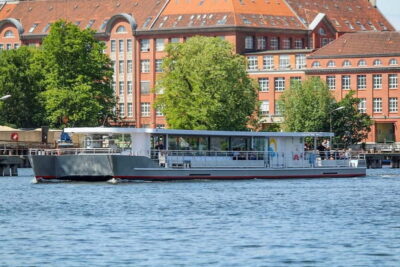 ★ 4.1East Side Gallery Spree Cruise in a Solar CatamaranFrom $281,086 reviews
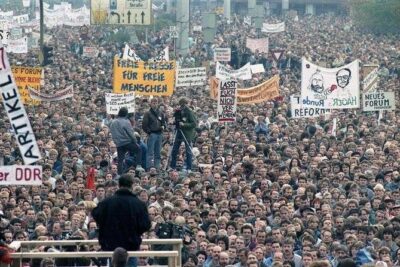 ★ 5.0Cold War, Berlin Wall, Spies and the East Side GalleryFrom $181,024 reviews
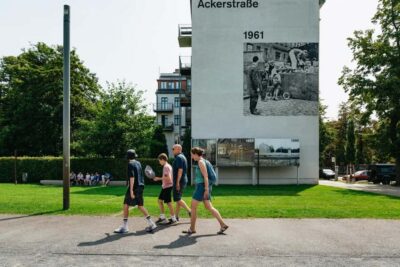 ★ 4.8Wall Tour – Fates, Love Stories, and HeroesFrom $282585 reviews
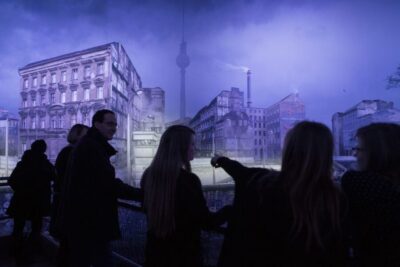 ★ 4.5THE WALL: asisi Panorama Berlin TicketFrom $16580 reviews
 ★ 4.8The Wall and Third Reich Guided Bike TourFrom $41578 reviews
Browse the lists this tour appears in