
REVIEW · BERLIN WALL & COLD WAR
Berlin: Third Reich & Cold War Walking Tour
Berlin has a talent for showing you the turning points—fast. This private walking tour strings together the big sites of the Third Reich and the Cold War so you understand what happened, why it mattered, and how Berlin rebuilt itself afterward. It’s short enough to fit into a busy itinerary, but packed with stops that usually take a lot longer to piece together on your own.
I really like two things about this experience. First, the format is private and customizable, so your guide can steer the walk toward what you care about (not just a fixed script). Second, you get real context at each stop—Brandenburg Gate, the Reichstag, the Holocaust memorial, Hitler’s bunker site, Topography of Terror, and Checkpoint Charlie—plus practical advice for what to do next in Berlin. The main drawback: because it’s only 2 hours, you won’t linger long at every memorial or exhibition the way you might want if you’re hoping for deep museum-style time.
If you like your Berlin history direct, factual, and human—without turning it into a checklist—this tour is a strong bet. Just be prepared: the Holocaust sites and the Gestapo/SS area are heavy topics, and the experience asks you to slow down at the right moments.
In This Review
- Key highlights worth your attention
- Meeting at Hotel Adlon: starting on Unter den Linden
- Brandenburg Gate to Reichstag: unity, dictatorship, and the seat of power
- Memorial to the Murdered Jews of Europe: a pause you actually feel
- Hitler’s bunker site: the last days of WWII, explained with care
- Topography of Terror: Gestapo and SS, and the machinery of terror
- Checkpoint Charlie: 1961 standoff, escapes, and the Wall’s fall
- Private and customizable: how the $35 value really plays out
- How to pace yourself on a history-heavy 2 hours
- Who this tour fits best (and who should consider something else)
- Should you book this Berlin Third Reich & Cold War walking tour?
- FAQ
- How long is the Berlin: Third Reich & Cold War walking tour?
- Where does the tour start?
- Is this tour private?
- Which languages are available for the guide?
- What major stops are included?
- Does the tour include transportation?
- Is food or drink included?
- Is the tour wheelchair accessible?
- Can I cancel for a refund?
Key highlights worth your attention
- Hotel Adlon meeting point on Unter den Linden makes it easy to find and start with confidence
- Brandenburg Gate + Reichstag connects German unity with what the Nazi dictatorship did to power
- Memorial to the Murdered Jews of Europe gives you a meaningful pause, not a rushed photo stop
- Hitler’s bunker site and Topography of Terror focus on what happened in Berlin’s last war days and state terror
- Checkpoint Charlie ties the 1961 standoff, escapes, and the 1989 fall of the Wall into one story
- Private guide (often in EN/FR/ES) means questions actually get answered in the moment, like Eugen’s French explanations or Carlo’s local neighborhood tips
More of the Wall and the divided city
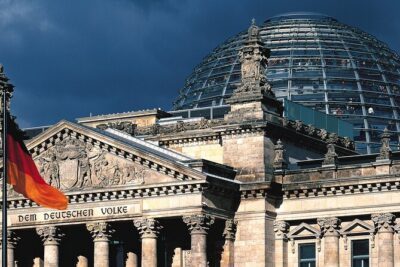
- Berlin’s Best: 2 Hour Walking Tour Third Reich and the Cold War★ 5.0 · 5,486 reviews
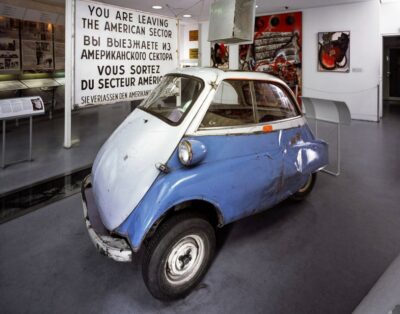
- Skip-the-Line: Berlin Wall Museum at Checkpoint Charlie★ 4.1 · 2,041 reviews
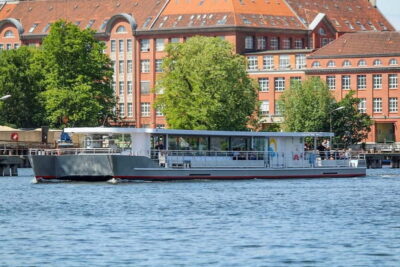
- Berlin: East Side Gallery Spree Cruise in a Solar Catamaran★ 4.1 · 1,086 reviews
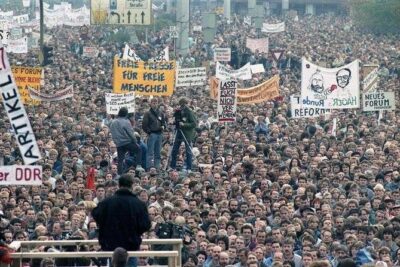
- Cold War, Berlin Wall, Spies and the East Side Gallery★ 5.0 · 1,024 reviews
Meeting at Hotel Adlon: starting on Unter den Linden
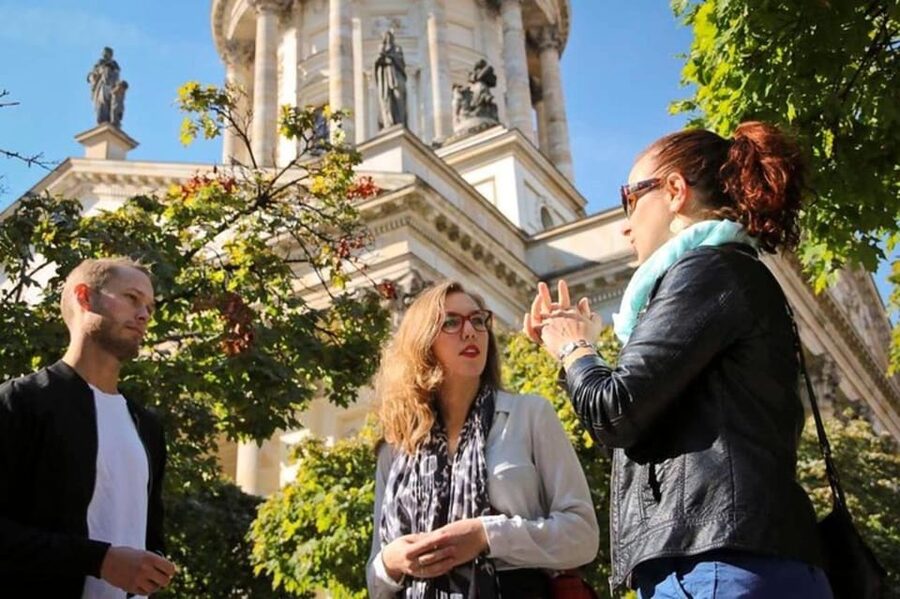
Your tour begins in front of Wellendorff Berlin (Hotel Adlon), with the address at Unter den Linden 77. That location matters more than it sounds. Unter den Linden is one of those central Berlin arteries where you can quickly orient yourself, and it makes sense to start there before you head into the heavier historical geography that follows.
From the first minutes, the big win is how the guide sets the frame. Instead of hopping from landmark to landmark, you’re given a timeline and a sense of how the city’s political eras overlap in the same streets. And because it’s private, the guide can adjust if you’re already strong on one era (say, the Cold War) or you want extra focus on another (like the Nazi period).
It’s also worth noting the small practical perks: the tour uses walking and public transport as needed (unless you choose an option that changes that). For many people, that’s the difference between enjoying the day and arriving at the next stop already exhausted.
Brandenburg Gate to Reichstag: unity, dictatorship, and the seat of power
You’ll hit the Brandenburg Gate early. It’s probably Berlin’s most recognizable symbol, but the point here isn’t the photo. Your guide explains the meaning of German unity and how that symbol sits beside the historical realities that followed. That context helps you see the gate not as a postcard, but as a marker of what the country hoped for—and what it allowed to happen.
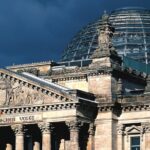
Next comes the Reichstag, the German house of Parliament. This is the spot where the tour’s tone becomes very clear. You learn about its role during the Nazi dictatorship, which turns the building from impressive architecture into something more uncomfortable and instructive. The Reichstag is still a place where democracy operates, so hearing its wartime/political use gives the present-day building a sharper edge.
Two small considerations. One: this is a popular area, so you’ll likely have some foot-traffic around you. Two: the subject matter is serious, so the guide may ask you to treat the sites with respect rather than sprint through them. That’s a feature, not a bug, but it does affect pacing.
If your guide is the French-speaking Eugen (shown in past tour feedback), you’ll likely appreciate how smoothly he connects the political changes to everyday consequences—and how he stays responsive when you ask questions.
Memorial to the Murdered Jews of Europe: a pause you actually feel
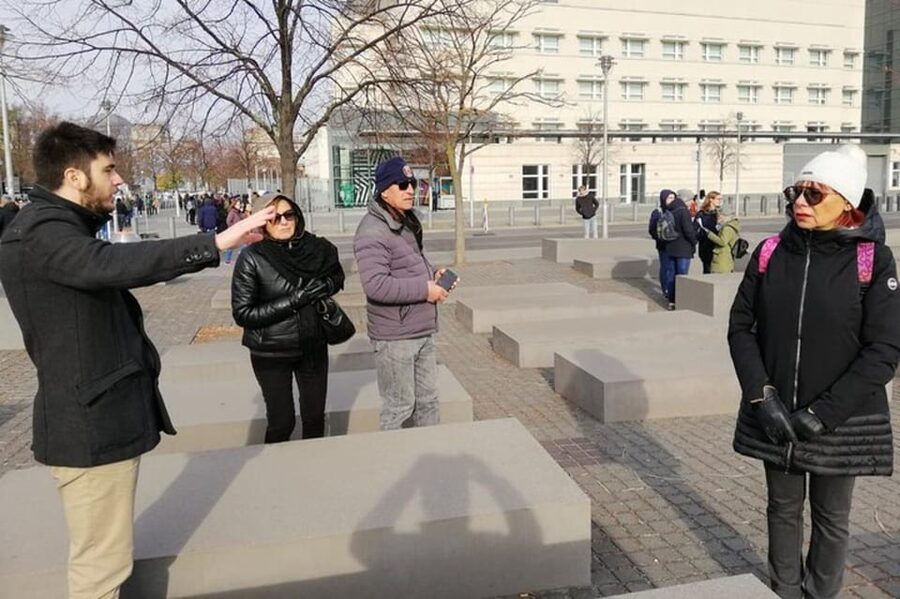
Then you arrive at the Memorial to the Murdered Jews of Europe. This stop can be a quick stop on other tours, but here it’s treated as a moment with weight. The guide explains it as a tribute to Jewish victims of the Holocaust, and the experience encourages you to slow down rather than treat it like a backdrop.
What makes this valuable is not just the memorial itself—it’s how the tour links it to what came before and after. By the time you reach this point, you’ve already walked through the logic of power and terror in Berlin. That makes the memorial feel less abstract. It also helps you avoid the common mistake of reading it as only a historical monument instead of a reminder of real people who were targeted and murdered.
This part can be emotionally intense. If you’re the type who likes to move fast through somber places, plan to give yourself enough space to stay present. You don’t need to be dramatic. You just need to be steady.
Hitler’s bunker site: the last days of WWII, explained with care
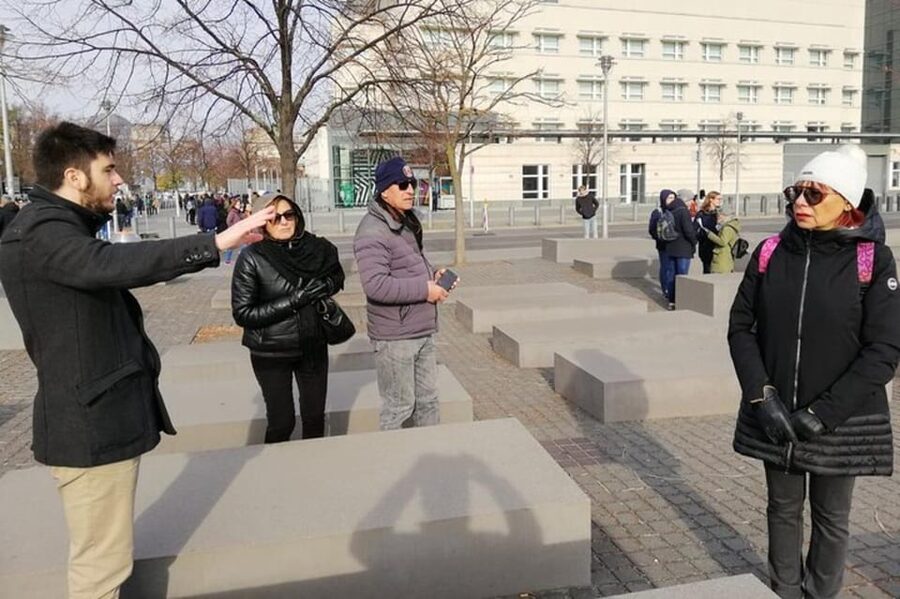
After the memorial, the route turns toward Hitler’s bunker site. This stop is tied to the final phase of World War II and Hitler’s suicide. The tour doesn’t sensationalize it; it frames it as part of the collapse of the regime and what that meant in Berlin’s final days.
For many people, this is where the history starts to click in a grim way. It’s one thing to learn dates in a book. It’s another to stand in a city where the political center of a dictatorship ended so catastrophically. Your guide connects the location to the last chapters of the war—why that ending played out the way it did, and what it meant for Berliners trying to survive the closing period.
One drawback to know in advance: the tour is only 2 hours. That means you’ll hear enough to understand the arc without the long, quiet time some visitors want at sites like this. If you tend to linger, you can always follow up afterward with your own independent time—this tour is meant to give you understanding, not replace deeper visits.
More walks through Berlin's wartime history

Topography of Terror: Gestapo and SS, and the machinery of terror
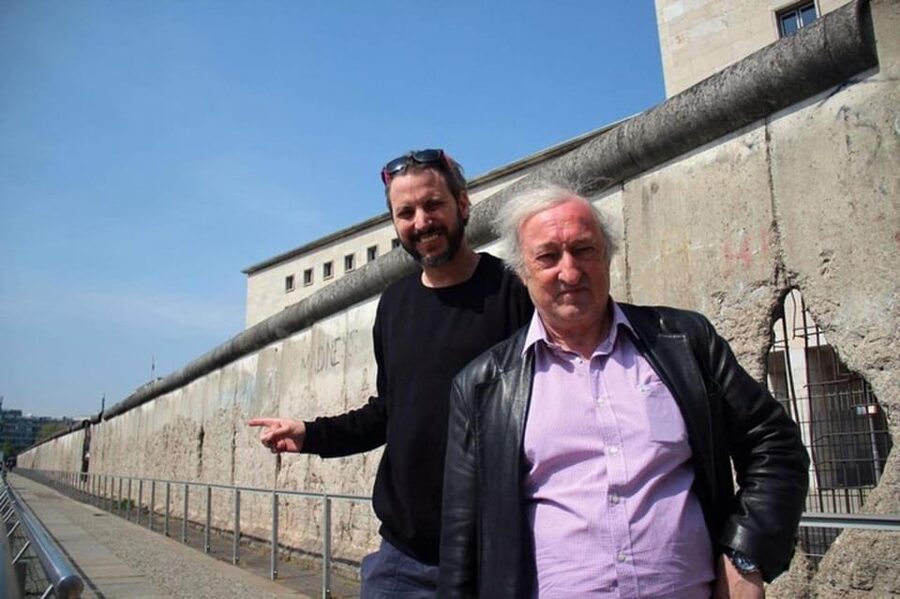
Next comes the Topography of Terror exhibition area, on the site of the former Gestapo and SS headquarters. This is one of the most direct ways to understand how terror worked in Berlin. You don’t just hear about ideology. You’re shown the crimes carried out during World War II and how state systems enabled violence.
This is also where your guide’s storytelling style matters. In past tours, guides like Carlo have been praised for being attentive, friendly, and good at answering questions, and that really helps here. When you’re dealing with documentation and historical responsibility, it’s useful to ask clarifying questions in real time instead of trying to interpret everything later.
If you’re the kind of person who likes context, you’ll probably enjoy the way this stop connects to the earlier ones. The “why” behind the Holocaust and the regime’s repression becomes clearer when you see how the Gestapo and SS operated from this area. Even if you already know the basics, hearing it organized and explained by a local guide makes the whole story feel less scattered.
Checkpoint Charlie: 1961 standoff, escapes, and the Wall’s fall
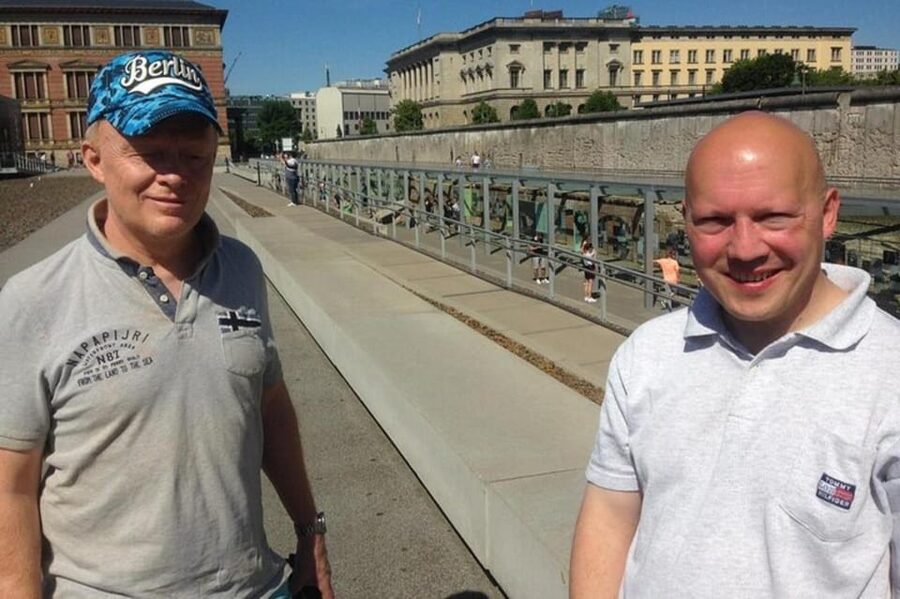
The tour ends at Checkpoint Charlie, which is one of Berlin’s best-known symbols of the Berlin Wall era. This stop is memorable because it ties people’s imagination to actual events. Your guide covers the standoff between Soviet and American forces in 1961, the dynamics at the border, and what it meant for life around the Wall.
You’ll also hear about daring escapes over the Wall. That’s crucial because the Berlin Wall wasn’t just a line on a map—it affected movement, family life, and daily choices. Hearing escape stories in the same place you learn about the military standoff helps you understand why the Wall became such an emotional and political issue.
Finally, the tour brings the story forward to the fall of the Berlin Wall in 1989. That ending matters, because you’re not only left with the cruelty of the 20th century. You also get a clearer sense of German unity and how Berlin confronted its past.
One practical note: Checkpoint Charlie is heavily visited. If you’re someone who dislikes crowds, arrive in good spirits and expect some background hustle. The payoff is that the guide can keep the focus on meaning rather than chaos.
Private and customizable: how the $35 value really plays out
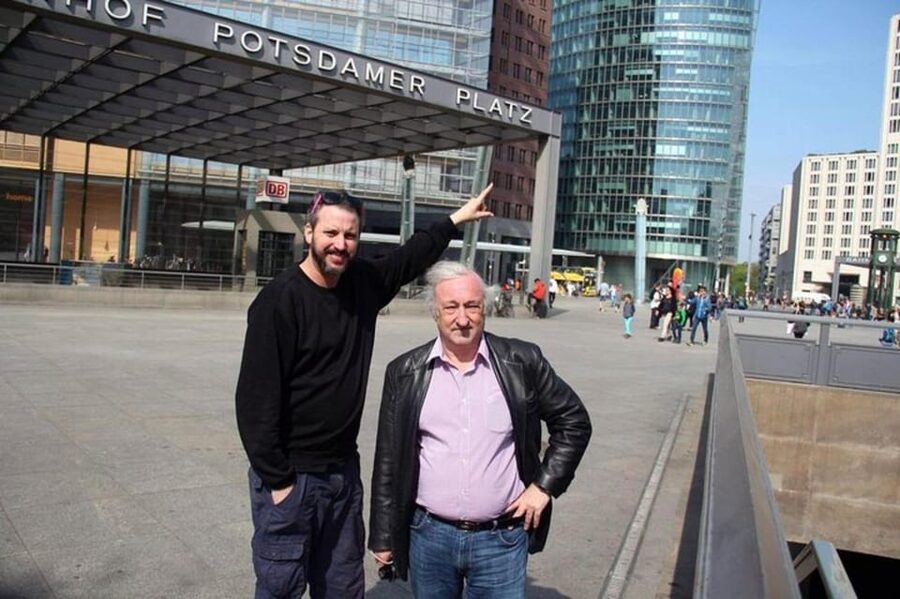
At $35 per person for a 2-hour private walking tour, the value comes from what’s included and how the experience is structured. You’re not sharing time with random strangers, which usually changes everything. You can ask questions without scanning the clock to make sure everyone else gets theirs. And because it’s private and customizable, the guide can spend more time on the parts you care about.
You also get walking plus public transport as needed. That helps you link sites efficiently without turning the tour into a long slog across Berlin’s bigger distances. And your team provides help to book tickets for the visits you want, which saves time if you decide you do want entrance to something specific during or around the tour.
What’s not included is food or drink. That’s normal, but it affects how you plan the day. If you schedule this near lunch or dinner, build in time to grab something nearby afterward. And if you’re doing this in warm months, bring water—this walk is short, but history days can still make you work up a sweat.
Guide quality can vary with any private tour, but based on past feedback you’re likely in good hands. People have highlighted French-language instruction from Eugen and local, practical recommendations from Carlo, including where to eat and what neighborhoods to visit. That kind of added guidance is exactly what turns a “history tour” into a Berlin-useful experience.
How to pace yourself on a history-heavy 2 hours
This tour covers emotionally intense material across several sites. To make it work for you, I’d treat it like a guided storyline rather than a sprint.
Wear comfortable shoes. You’ll be walking, and Berlin’s streets and sidewalks can vary in texture. Bring a light layer if the weather’s cool or windy, especially because the stops are outdoors. If the forecast looks changeable, dress in “remove-and-add” layers so you’re not stuck uncomfortable while the guide is talking.
Most importantly: give yourself permission to feel a little unsettled. The Holocaust memorial and the Gestapo/SS site aren’t meant for bouncing between jokes and selfies. The guide’s job here is to explain. Your job is to keep your attention on meaning, even when the details are hard.
If you want extra context beyond what fits into 2 hours, plan a follow-up. This tour is best at giving you the framework and a sense of where to go next.
Who this tour fits best (and who should consider something else)

This is a strong choice if you want an efficient, structured overview of Berlin’s darkest turns—Third Reich and Cold War—and you want it from a guide who can explain what you’re seeing and connect the dots.
It’s especially good for:
- people who like walking tours but don’t want them to feel random
- anyone planning to see the main sites anyway, who wants deeper meaning attached
- visitors who want practical advice afterward, not just dates and facts
Consider something else if:
- you’re hoping for long museum time at each location
- you prefer lighter themes on your first day in Berlin
- you want an ultra-flexible “stay as long as we want” pace rather than a 2-hour guided arc
Should you book this Berlin Third Reich & Cold War walking tour?
Yes, I’d book it if your goal is understanding fast—without giving up the value of a local guide. The private setup makes it easier to ask questions, and the route hits the exact places that help you connect Nazi-era power, Holocaust remembrance, the machinery of terror, and the Cold War showdown at the Wall.
If you’re drawn to the big landmarks but want them explained with care, this tour does that. Just come prepared for heavy topics and keep expectations realistic: 2 hours gives you clarity and direction, not endless time at every site.
If your schedule allows, use this tour as your “history backbone,” then build the rest of your Berlin days around what you’re most curious about next.
FAQ
How long is the Berlin: Third Reich & Cold War walking tour?
The tour lasts 2 hours.
Where does the tour start?
You meet your guide in front of Wellendorff Berlin (Hotel Adlon), at Unter den Linden 77.
Is this tour private?
Yes. It’s a private and exclusive tour, meaning you won’t be in a group with other people.
Which languages are available for the guide?
The live guide is available in English, French, and Spanish.
What major stops are included?
You visit Brandenburg Gate, the Reichstag, the Memorial to the Murdered Jews of Europe, Hitler’s Bunker site, the Topography of Terror exhibition area, and end at Checkpoint Charlie.
Does the tour include transportation?
Yes. It includes walking and public transport (except if you select one of the options that changes this).
Is food or drink included?
No. Drinks and food are not included.
Is the tour wheelchair accessible?
Yes, the tour is wheelchair accessible.
Can I cancel for a refund?
Yes. Free cancellation is available up to 24 hours in advance for a full refund.
More Tour Reviews in Berlin



Berlin's Wartime History

The Wall and the Cold-War City

Round out your days in Berlin
Berlin Wall & Cold War, compared.
 ★ 4.9Third Reich & Cold War Guided Walking TourFrom $238,378 reviews
 ★ 5.0Berlin’s Best: 2 Hour Walking Tour Third Reich and the Cold WarFrom $245,486 reviews
 ★ 4.1Skip-the-Line: Berlin Wall Museum at Checkpoint CharlieFrom $212,041 reviews
 ★ 4.1East Side Gallery Spree Cruise in a Solar CatamaranFrom $281,086 reviews
 ★ 5.0Cold War, Berlin Wall, Spies and the East Side GalleryFrom $181,024 reviews
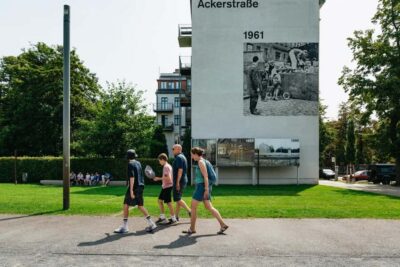 ★ 4.8Wall Tour – Fates, Love Stories, and HeroesFrom $282585 reviews
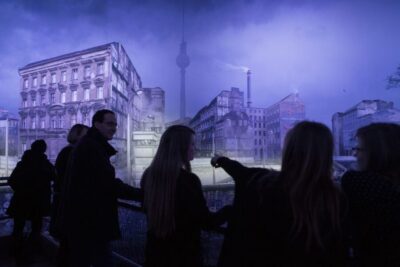 ★ 4.5THE WALL: asisi Panorama Berlin TicketFrom $16580 reviews
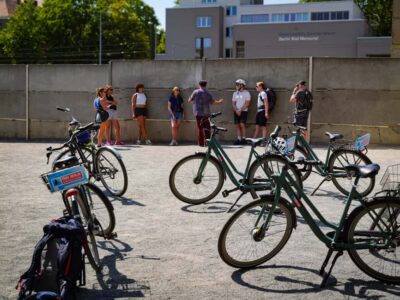 ★ 4.8The Wall and Third Reich Guided Bike TourFrom $41578 reviews
Browse the lists this tour appears in