
REVIEW · BERLIN WALL & COLD WAR
Berlin: World War Two Third Reich and Cold War Walking Tour
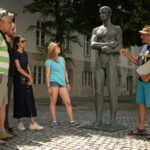
Berlin’s history is loud, even on foot. This 5-hour walking tour connects the Third Reich era to the Cold War through major landmarks and what’s left behind. I like that you’re not just seeing names on buildings; you’re getting the story woven into the streets, including Berlin Wall remnants and how East-West division reshaped daily life.
My favorite part is the way the tour points out the physical evidence of control and escape, including Wall-related features and poignant memorial areas like the Berlin Wall Memorial and Eastside Gallery. One thing to consider: meeting up can feel hectic with multiple groups, so show up early and double-check you’re at the correct starting point marked by the white umbrella in front of Generator Berlin Alexanderplatz.
In This Review
- Key takeaways before you go
- A 5-hour walk that actually links WWII and the Cold War
- Where you meet at Generator Berlin Alexanderplatz (and why timing matters)
- Third Reich era stops: seeing power in the built environment
- Cold War Berlin: the Wall stops and what you learn from the physical clues
- Eastside Gallery and Berlin Wall Memorial: where memory becomes public space
- Wartime architecture: Flak Tower and bunker-area context
- Reichstag area connection: why symbols matter in Berlin
- Value for money: what $21 buys you (and what it doesn’t)
- What to bring so you enjoy the walk more
- Who this tour is best for
- The booking decision: should you take it?
- FAQ
- How long is the tour?
- Where is the meeting point?
- What language is the tour guide?
- Is the tour wheelchair accessible?
- What’s included in the price?
- Are meals included?
Key takeaways before you go
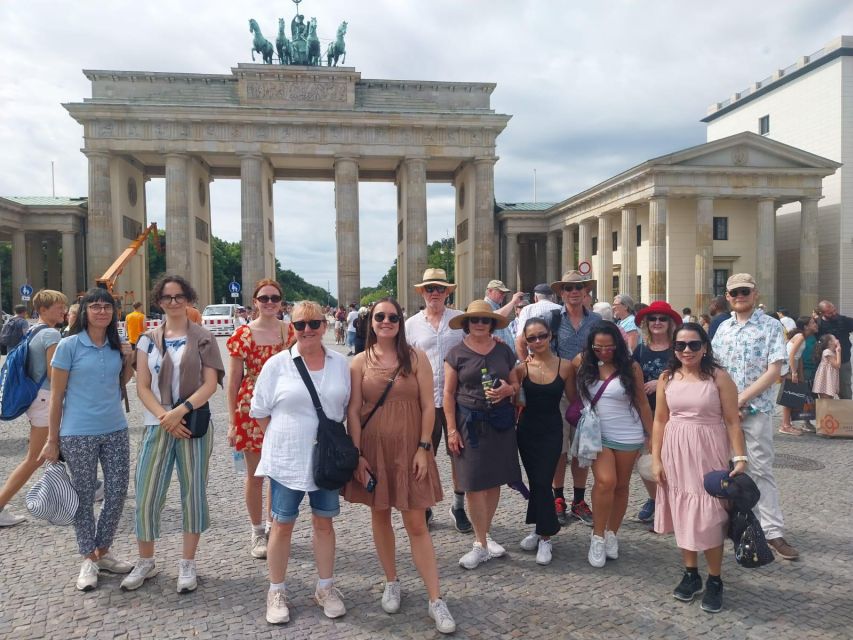
- Takes you from WWII to the Cold War without treating them like separate chapters
- Wall remains and memorial stops that explain what division meant in real life
- Stops like the Reichstag area and wartime relics put the scale of the era into perspective
- Expert local historian guide who can connect architecture to events and decisions
- 5-hour pace on foot, so comfortable shoes and snacks matter
More of the Wall and the divided city
- Berlin’s Best: 2 Hour Walking Tour Third Reich and the Cold War★ 5.0 · 5,486 reviews
- Skip-the-Line: Berlin Wall Museum at Checkpoint Charlie★ 4.1 · 2,041 reviews
- Berlin: East Side Gallery Spree Cruise in a Solar Catamaran★ 4.1 · 1,086 reviews
- Cold War, Berlin Wall, Spies and the East Side Gallery★ 5.0 · 1,024 reviews
A 5-hour walk that actually links WWII and the Cold War
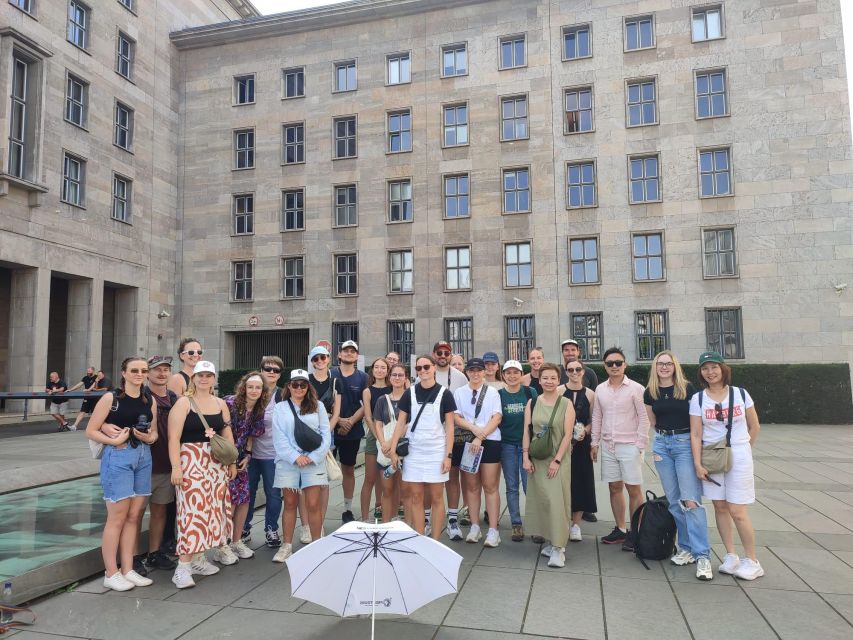
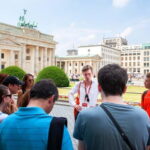
If Berlin can be read like a book, this tour helps you follow the plot. You start in central Berlin and move through landmark clusters tied to the Nazi period and the later Soviet-influenced Cold War era. The big idea is simple: these weren’t separate “eras.” The way power worked, the way people were controlled, and the way the city changed all connect.
I like that it’s built as a guided storyline rather than a checklist. You’ll get explanations that help you place what you’re seeing in time, then return to the streets where history still shows up in real, stubborn ways. And because it’s a local historian, you’re more likely to hear the human stakes than just dates and slogans.
Just know it’s a lot to cover in one go. You’ll be walking, learning, and looking for meaning all at once, so it’s best for visitors who want context and don’t mind getting serious.
Where you meet at Generator Berlin Alexanderplatz (and why timing matters)
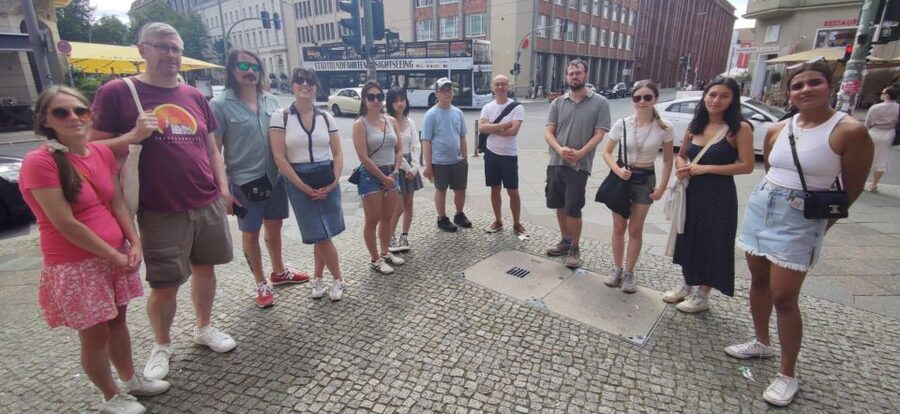
Your tour begins at the corner in front of Generator Berlin Alexanderplatz. Look for the white umbrella at the meeting point. The tour ends back at the meeting point, so you’re not dealing with a complicated “where do we go next” finish.
Here’s the practical truth: meeting points at busy hubs can get chaotic, especially when several walking tours run around the same time. I recommend you arrive a little early, because the tour has to assemble groups and get everyone oriented before you start. If you show up right at the start time, you may end up standing around while organizers sort things out.
A quick plan that works well:
- Grab your spot near the umbrella well before departure
- Make sure you’re checking in for the English 5-hour tour
- Have your ticket info ready on your phone or paper
This is one of the few moments where your experience can hinge on logistics, not the guide.
Third Reich era stops: seeing power in the built environment
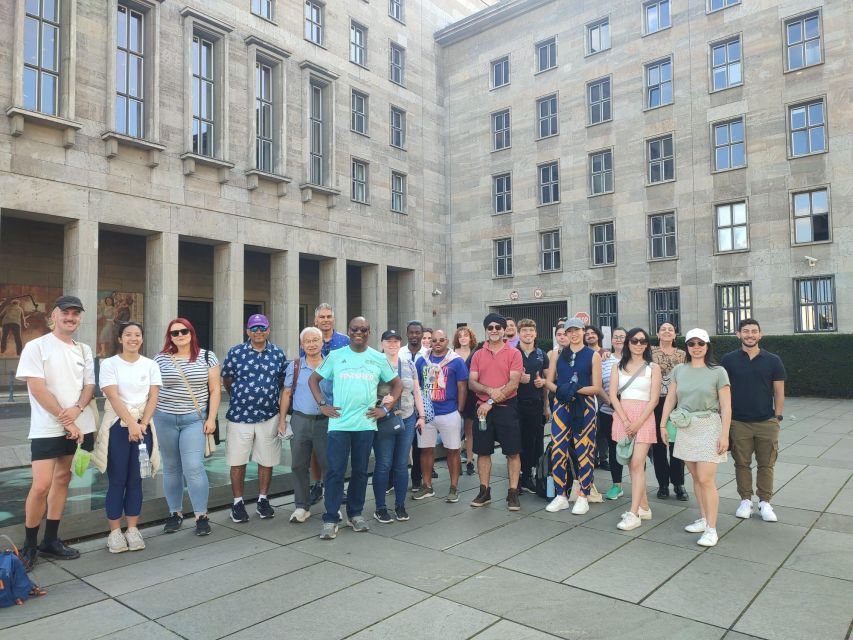
The tour includes stops connected to the Nazi period, explicitly named in the experience overview. You’ll work through major sites tied to the Reichstag area and also toward wartime landmarks such as the Flak Tower and Hitler’s bunker area. The vibe here is different from typical “WWII in general” tours. The focus is on how Berlin’s structures and locations became part of how the regime operated.
What I think makes these stops effective is that you’re not only hearing what happened; you’re learning where and why those decisions mattered. When you see these landmark names in person, the scale clicks. Berlin isn’t abstract here. It’s a city of rooms, corridors, towers, and streets that shaped what people could do.
A note to keep your expectations realistic: sites connected to the Third Reich can feel heavy, and the conversation doesn’t treat it like spectacle. If you want sanitized history, this won’t match your style.
Cold War Berlin: the Wall stops and what you learn from the physical clues
Then the tour shifts into Cold War Berlin, including East Communism and life under division. This section is where the streets start telling a clearer story. You’ll see remnants of the Berlin Wall and learn what the Wall meant beyond politics—how it affected movement, safety, and daily routines.
The tour also points out Wall-related features you might not notice on your own, including references to guard towers and escape routes, along with mentions of hidden sections. That matters because the Wall wasn’t just one straight barrier. It was a system, with design choices meant to control visibility and movement.
Even if you’ve read about the Berlin Wall, seeing it referenced in context on foot changes your understanding. The Wall becomes less like a symbol you’ve seen in photos and more like a set of obstacles that shaped choices.
More walks through Berlin's wartime history

Eastside Gallery and Berlin Wall Memorial: where memory becomes public space
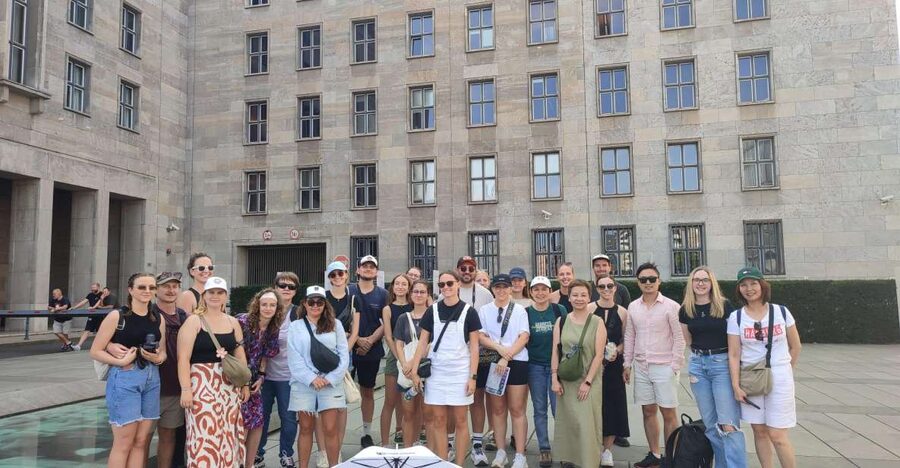
Two named highlights are the Eastside Gallery and the Berlin Wall Memorial. Both help you understand how Berlin remembers. One side is art on the Wall line (Eastside Gallery). The other is curated memorial space meant to keep the human impact in view (Berlin Wall Memorial).
I like how this part of the tour balances emotion with clarity. You’re not just being told what happened—you’re being guided through how Berlin has chosen to show it to the public. The point isn’t to “feel edgy” for social media. It’s to understand why a city would preserve reminders of division instead of sanding them down.
Possible drawback: if you’re prone to information overload, memorial-heavy stops can hit hard while your brain is still sorting WWII and Cold War timelines. Pace yourself. If you need a break, step to the side for a few minutes and regroup.
Wartime architecture: Flak Tower and bunker-area context
The tour references the Flak Tower and Hitler’s bunker area, plus the Russian-German war museum. Even without getting lost in technical detail, these stops help explain something essential: Berlin’s war story wasn’t only fought on battlefields. It was also fought with structures meant to endure, protect, or control.
This is where the “architectural marvels that stood strong through Berlin’s challenges” idea starts making sense. Towers, fortified sites, and surviving buildings become physical evidence. They show you how people believed they could outlast events—even when history proved otherwise.
If you’re the kind of traveler who likes to connect past and present, this is a good match. You’ll be able to look at the city and recognize how the built environment carries memory.
Reichstag area connection: why symbols matter in Berlin
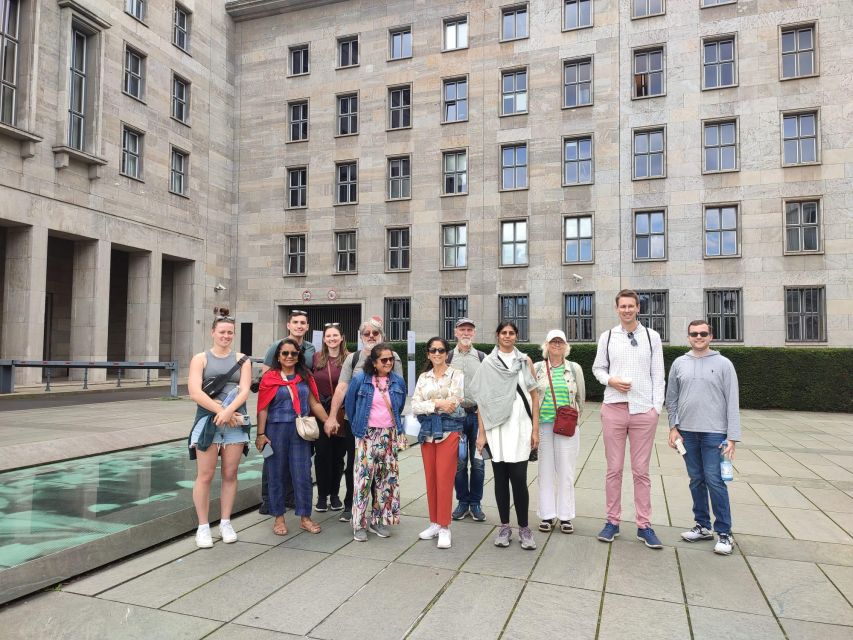
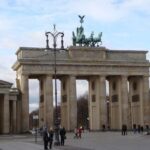
The overview specifically mentions the Reichstag. Whether you’ve visited it before or not, this is one of Berlin’s most loaded locations. It’s tied to Germany’s political story, and in a tour that connects regime power to later Cold War realities, it serves as a symbolic anchor.
In practical terms, this kind of stop helps you understand the stakes of the era. Berlin wasn’t just divided physically; it was divided by competing systems and the meaning of authority. When the tour keeps referencing named political sites alongside Wall remnants, you start to see the through-line.
Value for money: what $21 buys you (and what it doesn’t)
At about $21 per person, this tour is priced like a serious bargain for what it tries to do. You get a live guide who is a local historian, plus included access to pivotal landmarks. In Berlin, specialized guided access can cost more than that by itself, and the “5-hour” duration gives enough time for context to land.
What you should consider: meals and refreshments are not included, and the tour assumes you can handle the walking and the learning. So the real cost isn’t only the ticket. It’s the effort you bring—snacks, water, and comfortable shoes.
If you want a low-stress introduction to both WWII and the Cold War without planning your own route between scattered sites, this pricing works in your favor.
What to bring so you enjoy the walk more
Because it’s a walking tour, your comfort directly affects your attention span. The tour recommends:
- Snacks and drinks (you don’t want your energy crash mid-story)
- Cash (handy for incidental purchases you might make outside included items)
- Weather-appropriate clothing
- Comfortable shoes
I’d add one more practical note: bring a light layer even if the forecast looks mild. Berlin weather can change fast, and you’ll spend hours outdoors.
Who this tour is best for
This tour fits travelers who:
- Want clear historical context tied to specific locations
- Like guided storytelling rather than self-guided map wandering
- Are interested in the Berlin Wall as more than a photo backdrop
- Enjoy architecture-and-history connections (towers, memorial sites, landmark names)
It’s also a good “first serious Berlin history tour,” especially if you only have a limited number of days and want WWII and the Cold War covered in one sweep.
The booking decision: should you take it?
I’d book this tour if you want a single guided walk that connects the Third Reich era to Cold War division, with named landmarks like the Eastside Gallery and Berlin Wall Memorial plus references to Reichstag, Flak Tower, and Hitler’s bunker area. The guide format and included landmark access make the price feel fair.
I’d think twice if you’re sensitive to confusion at meeting points or you rely on “arrive at the last second and it’s fine.” Show up early at the Generator Berlin Alexanderplatz corner with the white umbrella. If you do that, you’ll set yourself up to get the full value of the story instead of standing around waiting to be sorted.
FAQ
How long is the tour?
The tour lasts about 5 hours.
Where is the meeting point?
Meet at the corner in front of Generator Berlin Alexanderplatz. Look for the white umbrella.
What language is the tour guide?
The live tour guide speaks English.
Is the tour wheelchair accessible?
Yes, it’s listed as wheelchair accessible.
What’s included in the price?
You get a guided journey with a local historian, plus exclusive entry to pivotal landmarks.
Are meals included?
No. Meals and refreshments are not included, so bring snacks and drinks.
More Tour Reviews in Berlin





Berlin's Wartime History

The Wall and the Cold-War City
Round out your days in Berlin
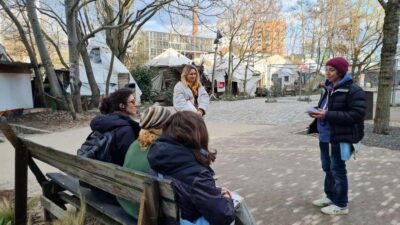
Berlin Wall & Cold War, compared.
 ★ 4.9Third Reich & Cold War Guided Walking TourFrom $238,378 reviews
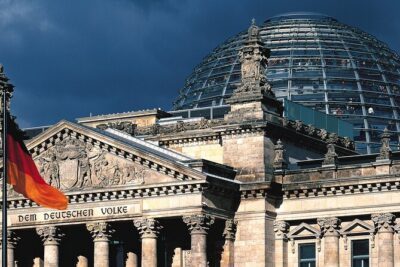 ★ 5.0Berlin’s Best: 2 Hour Walking Tour Third Reich and the Cold WarFrom $245,486 reviews
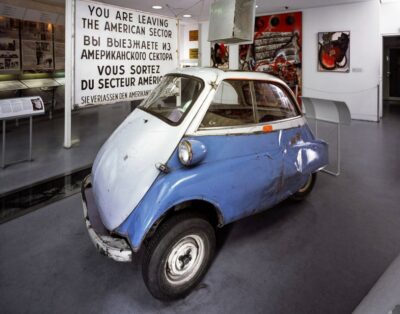 ★ 4.1Skip-the-Line: Berlin Wall Museum at Checkpoint CharlieFrom $212,041 reviews
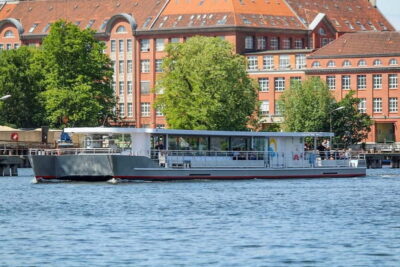 ★ 4.1East Side Gallery Spree Cruise in a Solar CatamaranFrom $281,086 reviews
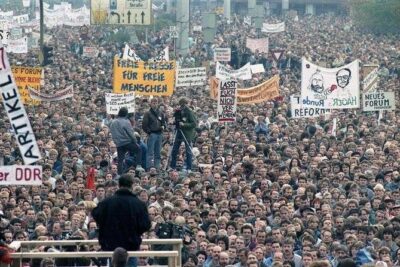 ★ 5.0Cold War, Berlin Wall, Spies and the East Side GalleryFrom $181,024 reviews
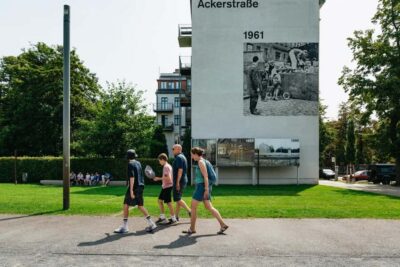 ★ 4.8Wall Tour – Fates, Love Stories, and HeroesFrom $282585 reviews
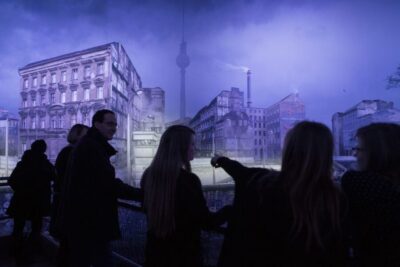 ★ 4.5THE WALL: asisi Panorama Berlin TicketFrom $16580 reviews
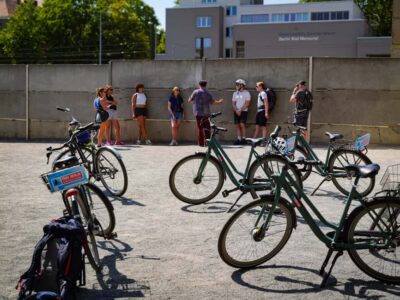 ★ 4.8The Wall and Third Reich Guided Bike TourFrom $41578 reviews
Browse the lists this tour appears in