
REVIEW · THIRD REICH & WWII HISTORY
Berlin‘s Jewish Heritage Private Tour With Jacob
Berlin’s Jewish story is never just one story. It spans community life, discrimination, and memory in one tight walk.
I like that this tour ties pre-war Jewish Berlin to the rise of Nazi rule and the Holocaust, instead of treating the tragedy like a separate chapter. I also like the private-guide feel with Nadav Jacob’s Berlin Experience, where the route can flex to what you want to see most. One thing to think about: 150 minutes moves fast, so if you want extra time on any single stop, you may feel you want more depth.
In This Review
- Key moments at a glance
- A private Berlin walk that connects Jewish life, rights, and the Holocaust
- What the 150 minutes feel like on the ground
- Holocaust Memorial: facing history with structure, not silence
- Bebelplatz: learning how culture can be targeted
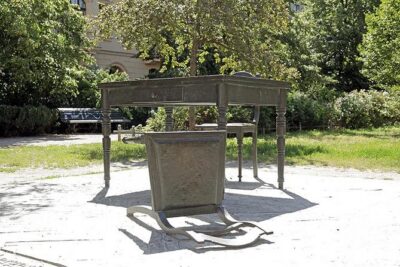
- Block of Women: a memorial that keeps the human scale
- Hackescher Markt to Haus Schwarzenberg: seeing Jewish Berlin in daily-city terms
- Otto Weidt Workshop for the Blind: where survival and history meet
- Grosse Hamburger Strasse Cemetery: why a cemetery stop changes how you remember
- New Synagogue Berlin – Jewish Centre: the end point is about continuity
- Price, pacing, and who this private tour really suits
- What to do before you go (so the tour lands harder)
- Should you book this Berlin Jewish Heritage tour with Jacob?
- FAQ
- How long is the tour?
- Is this tour private, and is it in English?
- Does the price include hotel pick-up?
- Do I need a public transport ticket?
- How much walking is involved?
- Is the tour wheelchair accessible, and how far in advance can I cancel?
Key moments at a glance
- Private guide with hotel pick-up so you start with less hassle and more time on-site
- Holocaust Memorial stop with guided context to help you read what you’re seeing
- Old Jewish-quarter routing through places like Hackescher Markt and Haus Schwarzenberg
- A mix of memorials and everyday locations that show both loss and persistence
- New Synagogue Berlin and Jewish Centre to end on a note of continued Jewish life
More walks through Berlin's wartime history
- Berlin: Third Reich & Cold War Guided Walking Tour★ 4.9 · 8,378 reviews
- Berlin’s Best: 2 Hour Walking Tour Third Reich and the Cold War★ 5.0 · 5,486 reviews
- Third Reich Berlin: Hitler and WWII Walking Tour★ 5.0 · 3,301 reviews
- Berlin: Third Reich, Hitler, and WWII Walking Tour★ 4.9 · 1,757 reviews
A private Berlin walk that connects Jewish life, rights, and the Holocaust
If you’re the type who likes history that has faces and streets, this tour fits. Berlin’s Jewish heritage isn’t only about museums. It’s about where people lived, worked, prayed, and fought for rights—then what was stolen, and what tried to come back.
The big idea I like is the cause-and-effect storyline. The tour starts with a reality Jews faced across Europe: families were scattered after being exiled, and communities tried to keep old faith and customs even under pressure. In Germany, and especially Berlin, Jews were pushed out of normal life, then later received full citizen rights. After that arc, you’re guided into the era when the Nazis took power, and the Holocaust period follows as the brutal break in the story.
This is exactly why the stops matter. You’re not only looking at monuments. You’re walking through the Berlin that shaped a community, then reflecting on the memory the city holds now.
What the 150 minutes feel like on the ground
This is a walking tour, but it’s designed to be manageable. You’ll do short guided blocks, then short walks between them, plus one public-transport segment. The total time listed is 150 minutes, and each stop has a set window, so you get structure instead of aimless wandering.
Here’s the pacing I’d expect you to plan around:
- You begin with hotel pick-up from your Berlin hotel reception.
- You then move using public transport for about 15 minutes between areas.
- Several stops are guided for 10–20 minutes each, with a couple of walks on the side.
If you have mobility concerns, it’s good news that the tour is wheelchair accessible. And you can request avoiding more walking by arranging taxi, van, or subway between stops (at additional cost). That option matters because it lets you keep the full tour feel without paying the “all walking, all the time” price.
Holocaust Memorial: facing history with structure, not silence
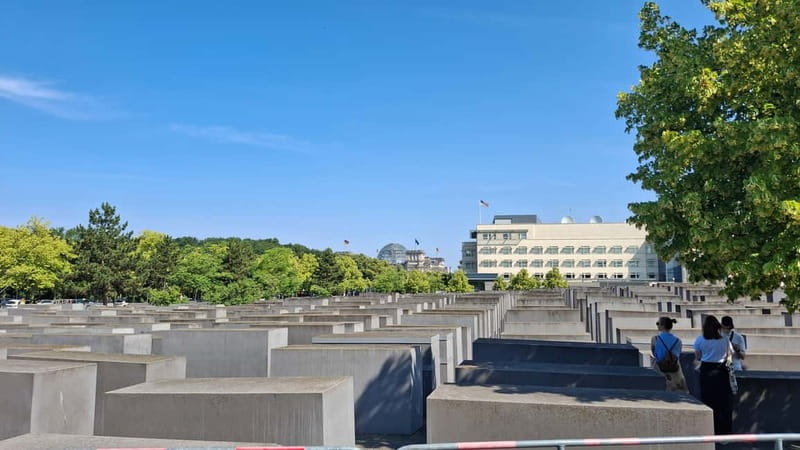
The tour starts with the Holocaust Memorial for about 20 minutes. This isn’t just a photo stop. The guided time is there to help you understand what you’re looking at and why it’s built that way.
I appreciate starting here because it sets the lens for everything after. If you go to Berlin Jewish heritage sites in random order, the past can blur together. Beginning with Holocaust remembrance gives you a clear moral and historical anchor before the route turns toward community life and cultural memory.
Practical note: this stop is the one that usually benefits most from slow attention. The guided format helps you not rush through something that deserves time—even if the overall tour timeline is tight.
Bebelplatz: learning how culture can be targeted
Next is Bebelplatz with about 15 minutes of guided touring. This location is important because it connects Jewish presence to the broader idea of what happens when a state tries to control culture and public life.
I like this stop because it supports the tour’s main storyline: Jews weren’t only persecuted physically. Their place in society, and even the way ideas could be shared, was pressured and restricted. Standing in a place like Bebelplatz as part of a guided route helps you link the political machinery to real spaces.
Timing is short here, so you’ll want to stay alert. If you tend to zone out when there’s a lot of information, tell your guide you’d like the key takeaways repeated at a slower pace. With a private group, that’s usually easier than in larger tours.
More private tours of Berlin



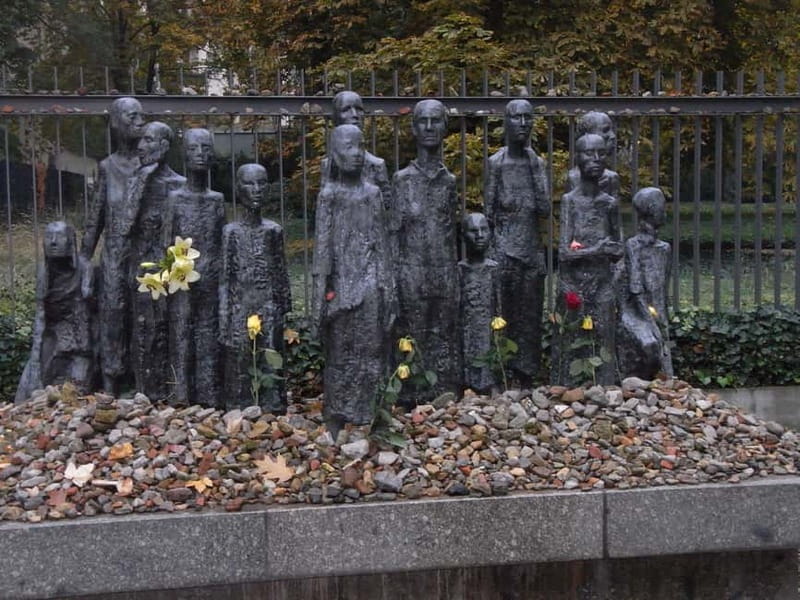
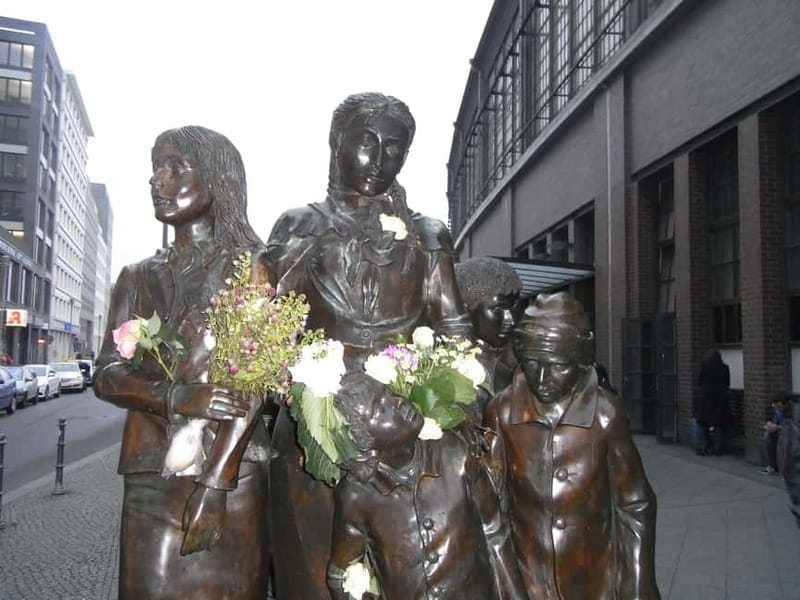
Block of Women: a memorial that keeps the human scale
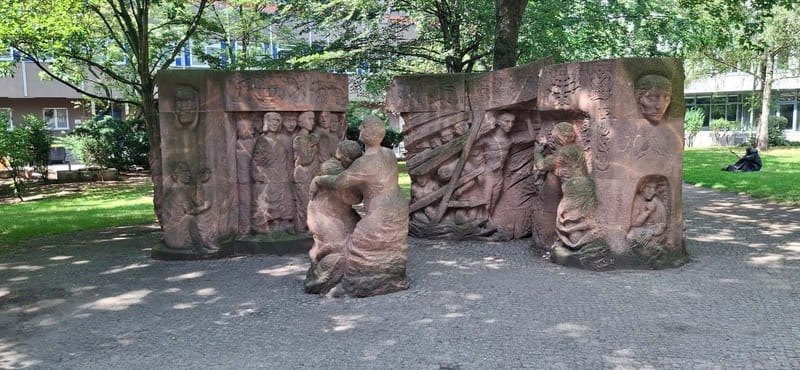
The itinerary then includes Block of Women for about 10 minutes. This is one of those stops where the name alone hints that the focus is not abstract. The guide’s job here is to connect the memorial’s message to the lived experiences behind it.
I’m drawn to this part of the tour because it complements the Holocaust Memorial stop. One reminds you of the overall catastrophe; the other points you toward how particular groups were affected. Even in a brief visit, it can shift your understanding from “events” to “people.”
Hackescher Markt to Haus Schwarzenberg: seeing Jewish Berlin in daily-city terms
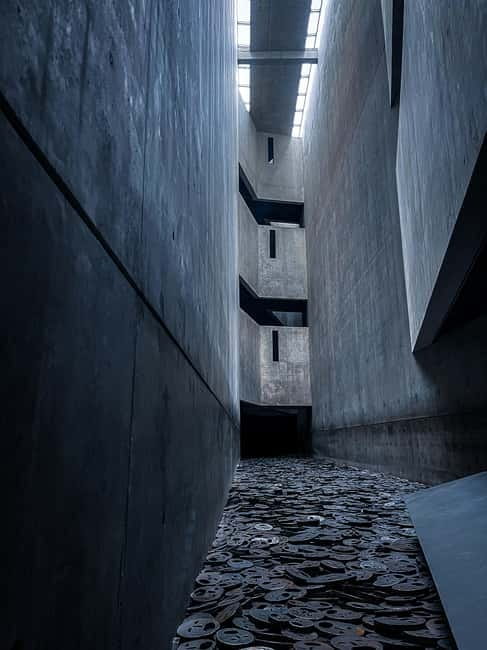
You’ll then walk to Hackescher Markt (about 20 minutes on foot) and visit Haus Schwarzenberg for about 10 minutes.
This is where the tour starts to feel less like a line of memorials and more like a city walk. Hackescher Markt is a useful connector area: it helps you move between key sights while also letting you picture how neighborhoods actually functioned.
At Haus Schwarzenberg, you get another guided slice. I like having these stop types back-to-back—guided memorial context followed by guided urban-and-community context. It matches the tour’s stated goal of showing how Jewish life persisted and evolved even under pressure.
One practical tip: the best way to enjoy these sections is to stay present. Look at how you move through the streets and how Berlin neighborhoods sit next to each other. That spatial sense is what makes the historical story feel real.
Otto Weidt Workshop for the Blind: where survival and history meet

The tour includes a visit to the Otto Weidt Workshop for the Blind for about 15 minutes. As a stop, it fits the broader theme in the tour description: Jews were persistent, and even when communities were squeezed into isolation, life and effort continued.
I like that this isn’t just an “official history” vibe. Workshop-type sites often make the story feel grounded in practical action—what people did to endure and support one another. The guided portion helps you connect it to the larger arc of persecution and survival.
Because this stop is part of the middle of the route, it also works as a mental reset. You’ve absorbed heavy material, you’ve walked through neighborhood context, and then you return to a place tied to lived responses.
Grosse Hamburger Strasse Cemetery: why a cemetery stop changes how you remember
Next is a walk to Grosse Hamburger Strasse Cemetery for about 15 minutes.
A cemetery visit can be quietly powerful, and it changes the tone of how you understand everything else you’ve seen. In a tour built around the long timeline—from exile and community keeping traditions to citizen rights and later Nazi rule—this is the physical reminder that generations lived and died there.
If you tend to get emotional at memorial sites (many people do), give yourself permission to slow down here. Even though the stop window is short, you’ll likely remember it longer than more time-bound attractions.
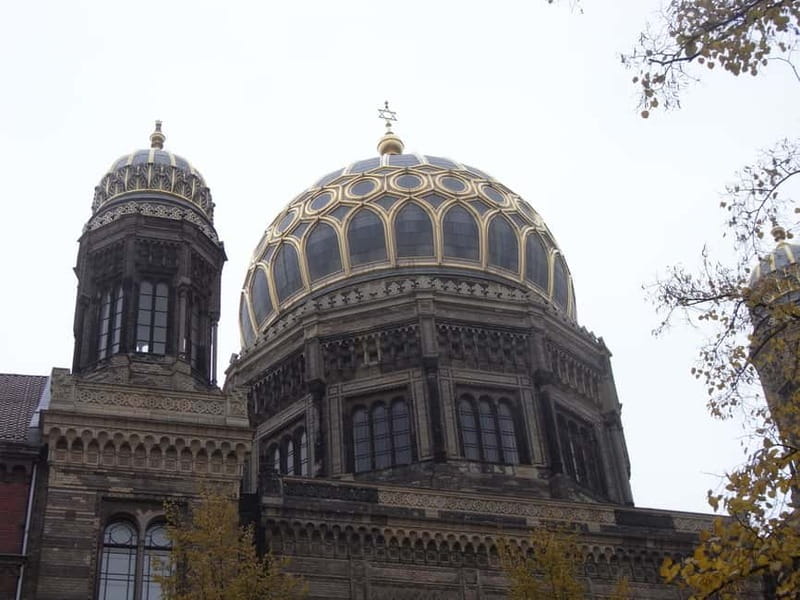
New Synagogue Berlin – Jewish Centre: the end point is about continuity
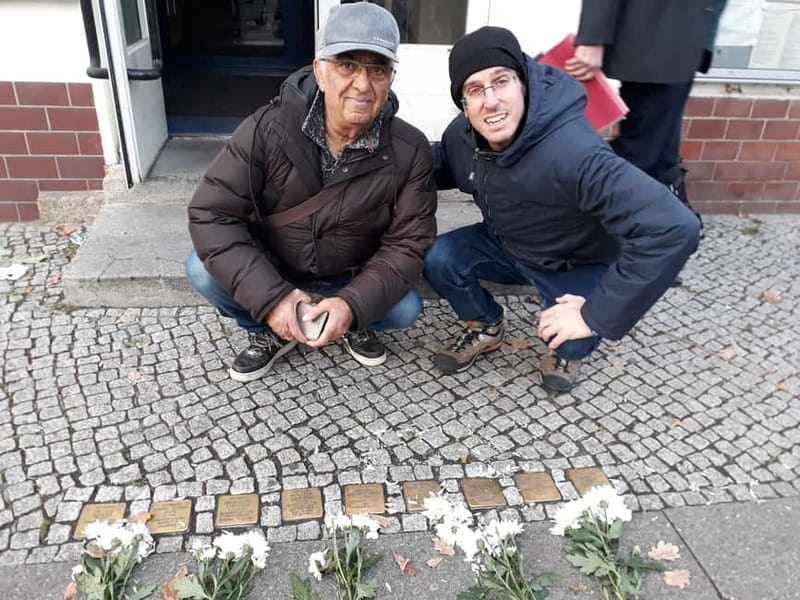
The tour finishes at New Synagogue Berlin – Jewish Centre with about 15 minutes guided.
I like ending with a living institution. A lot of history tours end at loss and leave you stuck there. This stop ties the narrative to continuity—an attempt to revive and continue contemporary Jewish life after the Holocaust and the attempt to rebuild in a united Germany.
Also, the time allocation is balanced. You’re not rushed out immediately, and the guided format gives you a chance to ask questions about what you’re seeing and what it represents in the larger story.
Price, pacing, and who this private tour really suits
Let’s talk value, because $314 per group (up to 6 people) is a private-tour price, not a bargain-bucket one. On the upside, you’re paying for real benefits that don’t feel like fluff:
- Private guide (less crowd-pressure, more ability to ask what you want)
- Hotel pick-up included
- A route that covers both Holocaust remembrance and Jewish life in Berlin across different periods
At the maximum group size, you’re looking at roughly $50–$52 per person if you fill the group. If you’re traveling with fewer people, it’ll be more per person—but you still get the convenience factor (pick-up, structured stops, guided time blocks).
Who should book? This tour is best if:
- You want a guided narrative across major eras of Jewish history in Germany and Berlin
- You prefer a route that mixes memorials with community-focused sites
- You like private-group flexibility, especially if you need mobility adjustments between stops
Who might want a different option? If you’re hoping for very deep detail on one specific topic (for example, only the Holocaust period), 150 minutes can feel short. One review comment you should take seriously is the desire to learn more. This isn’t a “read every plaque for an hour” kind of tour. It’s a strong orientation and story-bridge.
What to do before you go (so the tour lands harder)
You don’t need homework, but two tiny prep moves can make this more meaningful:
- Think about what you want most: Holocaust context, pre-war community life, or the post-war revival idea.
- Write down 2–3 questions you’d genuinely ask a guide. With a private setting, questions make the time feel personal fast.
On the day, wear comfortable shoes. You’ll do short walks and move between areas. And keep a little buffer in your schedule, so hotel pick-up doesn’t turn into a stress sprint.
Should you book this Berlin Jewish Heritage tour with Jacob?
Yes—if you want a focused, guided Berlin Jewish heritage route that moves in a clear historical arc. The private format and the variety of stops (memorial sites, community-oriented locations, and the New Synagogue area) make it a smart introduction, especially when you only have a couple hours.
I’d especially recommend it if you appreciate a guide who stays flexible and keeps the story clear. The best part of this kind of tour is not just what you see. It’s how you leave with a timeline you can actually explain to yourself on the walk back to your hotel.
FAQ
How long is the tour?
The tour duration is 150 minutes.
Is this tour private, and is it in English?
Yes, it’s a private group tour. The live guide speaks English.
Does the price include hotel pick-up?
Yes. You get hotel pick-up from your Berlin hotel reception, and you’ll need to provide your hotel name when booking.
Do I need a public transport ticket?
Public transport ticket costs are not included. You should expect to pay about 3–6 € for the tour segment.
How much walking is involved?
It’s a walking tour, with manageable walking for most mobility needs. If you prefer to avoid walking, arrangements can be made for taxi, van, or subway between stops (at an additional cost).
Is the tour wheelchair accessible, and how far in advance can I cancel?
The tour is wheelchair accessible. Cancellation is allowed up to 24 hours in advance for a full refund, and you can reserve now and pay later.
More Tours in Berlin




More Tour Reviews in Berlin

Berlin's Wartime History

Round out your days in Berlin
Third Reich & WWII History, compared.
 ★ 4.9Third Reich & Cold War Guided Walking TourFrom $238,378 reviews
 ★ 5.0Berlin’s Best: 2 Hour Walking Tour Third Reich and the Cold WarFrom $245,486 reviews
 ★ 5.0Third Reich Berlin: Hitler and WWII Walking TourFrom $243,301 reviews
 ★ 4.9Third Reich, Hitler, and WWII Walking TourFrom $191,757 reviews
 ★ 5.0Berlin Third Reich Sites: Half-Day Walking TourFrom $21835 reviews
 ★ 4.7History of the Third Reich Guided Walking TourFrom $30791 reviews
 ★ 4.8The Wall and Third Reich Guided Bike TourFrom $41578 reviews
 ★ 4.8Hitler’s Germany: Berlin During the Third Reich & WWIIFrom $23476 reviews
Browse the lists this tour appears in