
REVIEW · BERLIN WALL & COLD WAR
Hitler to Stalin – WWII & Cold War Tour (Small Group)
Berlin history is heavy, but this tour is human.
You get a tight 2.5-hour walk through the places where Nazi rule and Cold War tension played out side by side. I like that it does more than point at landmarks, it explains how Berlin was shaped by choices, violence, propaganda, and resistance.
Two things I really like: the focus on both World War II and the Cold War, and the way the stops connect into one story about division and eventual unification. The small-group format also matters here, because this topic needs time for questions and clarity, not a rushed bus stop routine.
One drawback to consider: you’re going to cover multiple sites on foot, so if you’re sensitive to walking in rain or on uneven sidewalks, plan carefully and bring what you need for weather and comfort.
In This Review
- Key Points You’ll Care About
- A Short Intro To WWII And Cold War Berlin
- Meeting Point at Brandenburg Gate (Blue Umbrella)
- The Big Story: How Nazi Germany Connects to Cold War Berlin
- Brandenburg Gate: From War-Torn Scars to Unity
- Hitler’s Bunker: Power, Secrecy, and Final Days
- Gestapo HQ: How Fear Worked in the Streets
- The Reichstag: Politics, Messaging, and Control
- Memorial to the Holocaust: Meeting the Past with Respect
- Berlin Wall: The Iron Curtain You Can Stand Next To
- Checkpoint Charlie: A City Divided in Public
- Then & Now Photos and Maps: Why This Tool Works
- The Guide: What Makes the Experience Feel Worth It
- Small Group Size: Better Questions, Less Noise
- What You Should Bring (And What Helps Most)
- Price and Value: Is $34 Worth It?
- Who This Tour Suits Best
- Should You Book This WWII and Cold War Walk?
- FAQ
- How long is the Hitler to Stalin tour?
- Where do I meet the tour guide?
- What sites are included on the tour?
- Is the tour offered in English?
- Does the tour run in bad weather?
- What should I bring?
- Is it wheelchair accessible and does it have cancellations or flexible payment options?
Key Points You’ll Care About
- WWII-to-Cold War timeline built into one route so you see how events chained together.
- Iconic stops plus darker specifics like Hitler’s Bunker and Gestapo HQ, not just photo spots.
- Brandenburg Gate, Reichstag, and Checkpoint Charlie are used as story anchors for politics and propaganda.
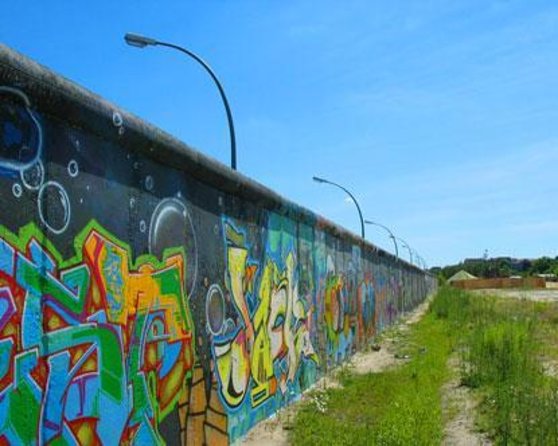
- Berlin Wall presented as an Iron Curtain in real space, with context for why it happened.
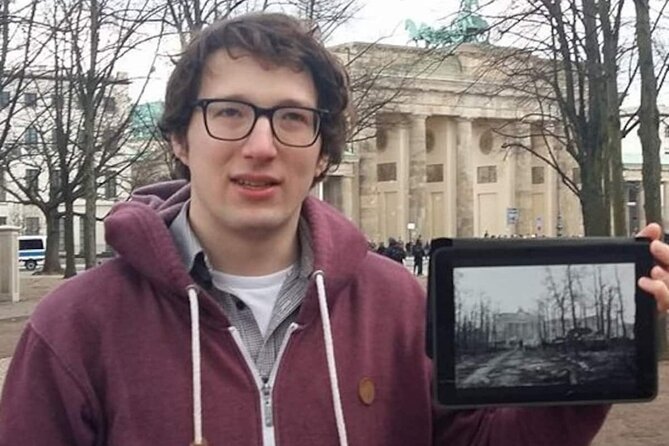
- Then & Now photographs and maps help you visualize what changed and what stayed.
- Small group with an expert WWII tour guide in English, with wheelchair access.
More of the Wall and the divided city
- Berlin’s Best: 2 Hour Walking Tour Third Reich and the Cold War★ 5.0 · 5,486 reviews
- Skip-the-Line: Berlin Wall Museum at Checkpoint Charlie★ 4.1 · 2,041 reviews
- Berlin: East Side Gallery Spree Cruise in a Solar Catamaran★ 4.1 · 1,086 reviews
- Cold War, Berlin Wall, Spies and the East Side Gallery★ 5.0 · 1,024 reviews
A Short Intro To WWII And Cold War Berlin
Berlin is the rare city where two major 20th-century conflicts don’t just overlap. They physically cut the city up, left scars in key locations, and then turned those locations into symbols. This tour follows that logic: you start near the Brandenburg Gate area and keep moving toward sites tied to Nazi power, Allied scrutiny, and Cold War standoffs.
The tour’s core promise is practical: more than sightseeing. You get a guided explanation of why Berlin mattered so much during WWII, and why that same importance made it the center of the Cold War.
And yes, it’s emotionally serious. The route includes the Memorial to the Holocaust, so you’re not just looking at buildings, you’re honoring what happened and what survived.
Meeting Point at Brandenburg Gate (Blue Umbrella)
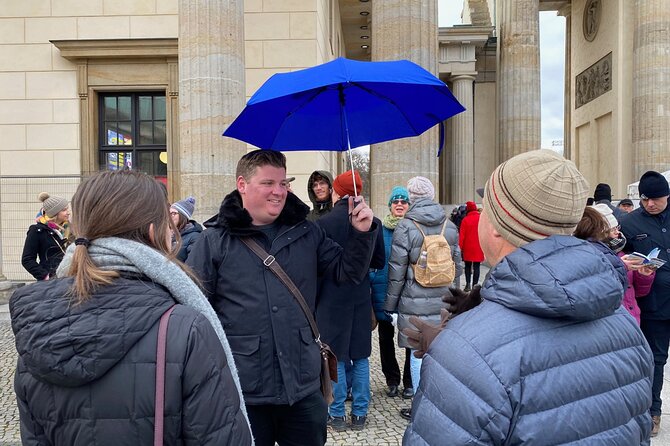
You meet at the Tourist Center at the Brandenburg Gate, and you’ll look for the blue umbrella. Ending is simple too: the tour finishes back at the meeting point. That helps if you want to keep the rest of your day flexible.
The meeting area matters because it lets the guide set the tone early, before you start bouncing between major sites. For a topic this heavy, getting your bearings fast helps.
The tour runs about 2.5 hours, and it operates rain or shine. So show up ready to walk. Bring comfortable shoes, plus water and light snacks if you tend to run low energy during long explanations.
The Big Story: How Nazi Germany Connects to Cold War Berlin
This is the backbone of the tour: Berlin isn’t just a list of famous names. It’s a city shaped by regime power, secret police control, total war, and then the brutal reality of occupation and ideology.
You’ll spend time on the events that led to Berlin’s division and the later unification. In other words, you’ll see how you move from one system of control to another, with the Berlin Wall as the most visible line in the sand.
That timeline is what makes the tour more than a highlight reel. When you understand the sequence, each stop makes sense instead of feeling random.
Brandenburg Gate: From War-Torn Scars to Unity
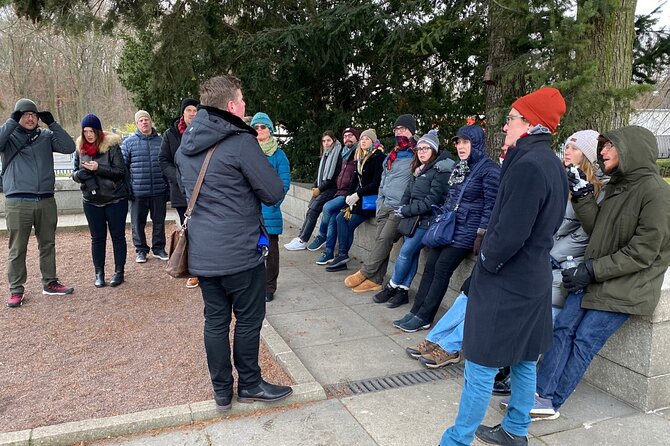
You’ll start with the Brandenburg Gate, one of Berlin’s most recognizable landmarks. In this context, it’s not just a pretty building or a postcard background. It’s treated as a transition point, a marker for how Berlin moved from conflict toward a symbol of unity.
Why this matters: Brandenburg Gate sits near the heart of what people associate with Germany and Berlin, so it works as a reference point for the rest of your walk. You can mentally compare what the city was doing under Nazi rule versus what it needed during the Cold War.
If you arrive early, you might want a quick look around the area before the tour begins. Not to binge photos, just to get oriented.
More walks through Berlin's wartime history

Hitler’s Bunker: Power, Secrecy, and Final Days
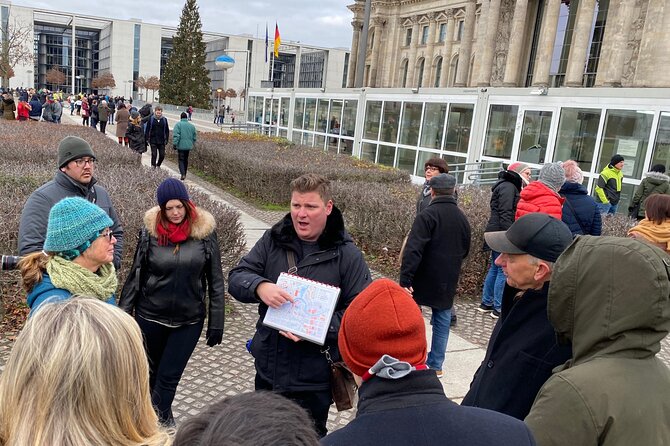
The tour includes a stop tied to Hitler’s Bunker. Even without going into technical details you might already know, the significance lands because the guide connects it to how the Nazi regime held power, how it controlled information, and how it ended.
This stop is the kind that can feel unsettling. You’re not touring a museum display. You’re in a city where the past isn’t locked behind glass.
If you’re the type who likes to understand motives and systems, you’ll probably appreciate how this part sets up the rest. It makes the later references to fear, surveillance, and control easier to understand.
Gestapo HQ: How Fear Worked in the Streets
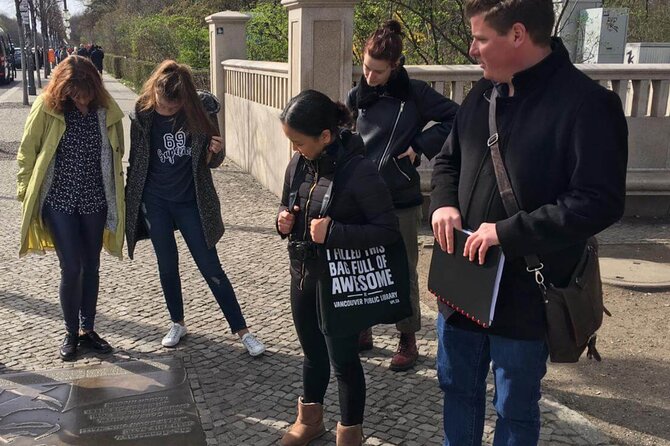
Next up is Gestapo HQ. This is where the tour turns from war results into the machinery behind the regime. The Gestapo symbolizes enforcement, terror, and the way ordinary life can be crushed when a secret police force is in charge.
This part also helps you read Berlin differently. Even if a street looks normal today, the guide gives you a framework for what it meant during that period.
A heads-up: this is not a light stop. If you don’t handle dark topics well, pace yourself mentally. You can still appreciate the historical value without forcing yourself to absorb everything at once.
The Reichstag: Politics, Messaging, and Control
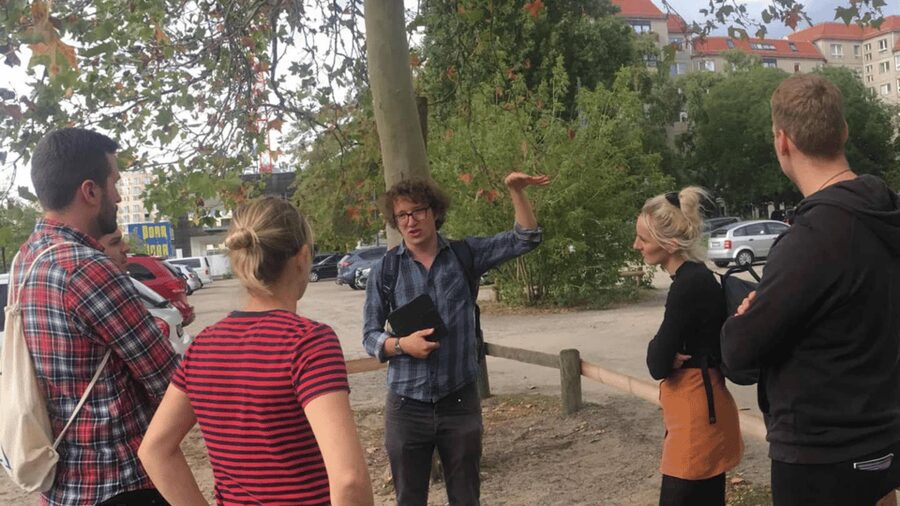
You’ll also see the Reichstag, and the tour frames it as a place to understand politics. That’s important because Nazi ideology wasn’t only expressed through violence. It also used institutions, messaging, and public power.
The Reichstag stop is one of the reasons this tour feels like a story and not a scavenger hunt. When you understand the political stakes, you start noticing how Berlin’s later Cold War symbolism works too.
If you enjoy learning how regimes use buildings and public space for legitimacy, this is a strong moment in the route.
Memorial to the Holocaust: Meeting the Past with Respect
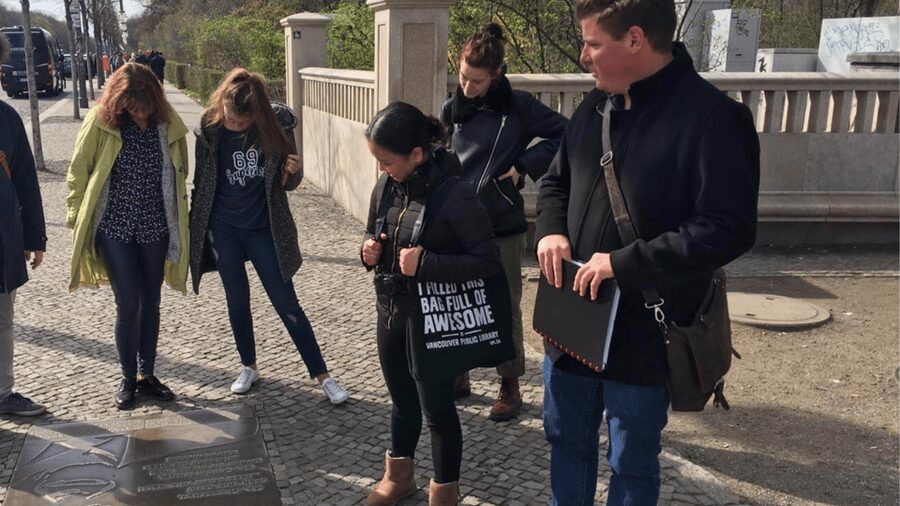
The itinerary includes the Memorial to the Holocaust. This is a solemn stop, and the tour treats it as such, asking you to consider the great loss and the lessons connected to the Nazi era.
I like this placement in the overall flow. It prevents the rest of the tour from feeling like a sequence of thrill stops. It reminds you that the subject isn’t abstract. It’s personal, human, and enduring.
If you’re taking photos, keep it respectful. The point here is reflection, not social media content.
Berlin Wall: The Iron Curtain You Can Stand Next To
One of the tour’s best-known highlights is the Berlin Wall, presented as the visible Iron Curtain. You don’t just hear slogans about East and West. You see how the city itself became a barrier.
Why it works: Berlin Wall sites are physical. Once you’re there, it’s easier to grasp the daily reality of division: movement restricted, families separated, and ideologies forced into everyday life.
This is the stop where the WWII context matters. The guide’s connecting thread helps you understand how occupation and ideology hardened into a long-term standoff.
Checkpoint Charlie: A City Divided in Public
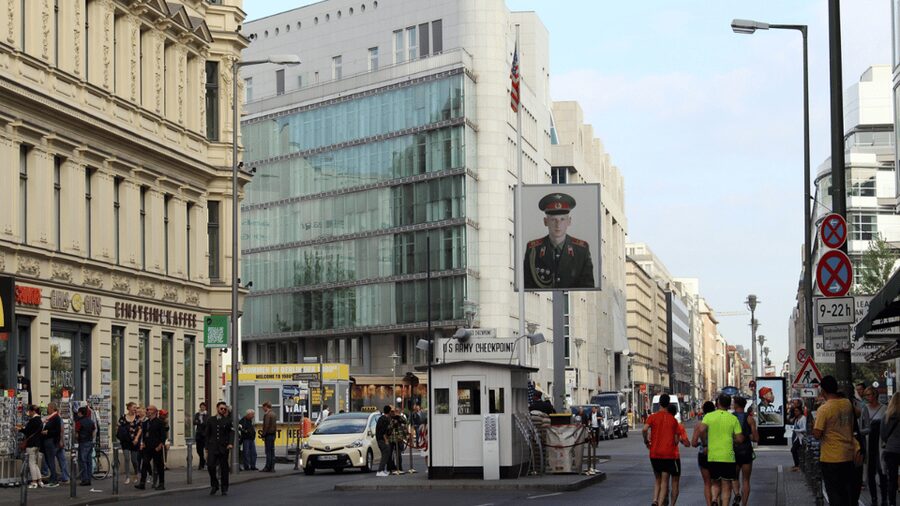
You’ll also visit Checkpoint Charlie, a location people recognize instantly because it became a symbol of the divide between East and West. The tour uses it as a place to witness how a city can be split right down the middle.
This stop helps you understand why Berlin became a global stage. It’s not only about local suffering and local control. It’s about what the world watched and negotiated from here.
If you’re a planner, this is a great anchor point for your later day. From this area, it’s easier to connect other parts of Berlin to what you just learned.
Then & Now Photos and Maps: Why This Tool Works
The tour includes Then & Now photographs and maps. I love this kind of support on a walking tour because it fixes a common problem: today’s streets can be so familiar that your brain fills the gap with guesses.
With photos and maps, you get help visualizing what changed between eras. That makes the history feel less like a lecture and more like a transformation you can actually see.
This also helps if you’re new to the topic. You can follow the narrative even if you don’t already know all the names and dates.
The Guide: What Makes the Experience Feel Worth It
This tour is led by an expert tour guide and is described as Berlin’s only World War II tour specialists. That matters, because the difference between a good guide and a great one is usually structure and clarity.
From the guidance style described for the tour, the best moments come when the guide makes connections between places and themes: Nazi power, secret policing, public politics, and then Cold War division.
One guide name specifically comes up: Tom. If you’re lucky enough to have Tom, you’ll likely get a guide who is knowledgeable, interesting, appropriate, and engaged with the group. That kind of presence is extra valuable for a small group on a sensitive topic.
Small Group Size: Better Questions, Less Noise
The tour is an exclusive small group tour. With history tours, smaller groups can do two things: you hear more detail, and you get space for questions.
This is especially helpful with WWII and Cold War topics because people often want clarification on cause and effect. A small group reduces the “someone else asked already” problem and lets the guide keep the pace clearer.
What You Should Bring (And What Helps Most)
You’ll walk for about 2.5 hours, so your comfort directly affects how much you can absorb. The basics are:
- Comfortable shoes
- Water and light snacks
- Umbrella or raincoat since it runs rain or shine
I also suggest you bring something small for mental reset, like a moment of quiet between stops. This tour includes the Memorial to the Holocaust, so it’s normal to feel weighed down. Taking a breather isn’t disrespectful, it’s part of how you process.
Price and Value: Is $34 Worth It?
The price is $34 per person, which is low for a guided walking tour that covers a lot of high-impact sites in one session. What makes it feel like good value is the blend of:
- Expert guidance
- Small group format
- Then & Now photos and maps
- Multiple major landmarks tied to both eras
You’re not paying just for access. You’re paying for interpretation—how the guide turns a cluster of famous places into an understandable story of division and unification.
The only reason it might not feel like value is if you already know this history deeply and don’t need structure. In that case, you could do it on your own. But for most people, a guided route like this saves time and prevents the history from turning into a confusing list.
Who This Tour Suits Best
This tour is a great fit if you:
- want a clear WWII-to-Cold War connection instead of two separate tours
- like walking through cities with political and human meaning
- enjoy guides who explain what specific places represent
- want a small group English-speaking experience
It also suits you if you’re short on time. In 2.5 hours, you cover several major reference points that many visitors would spread across multiple days.
If you’re extremely sensitive to dark historical topics or if walking for this length of time is hard for you, you might want to think about pacing or alternative formats. The tour is wheelchair accessible, but it’s still a walking experience.
Should You Book This WWII and Cold War Walk?
I think this is worth booking if you want Berlin history with a guide who ties the pieces together. The route hits major landmarks—Brandenburg Gate, Reichstag, Berlin Wall, Checkpoint Charlie—but it doesn’t stop at famous views. It also includes Hitler’s Bunker, Gestapo HQ, and the Holocaust memorial, which is where the learning becomes real.
If your goal is quick sightseeing only, this might feel too serious and too story-driven. But if you want understanding—how a city can be both a stage for world power and a place where ordinary lives were reshaped—this tour is a solid choice.
FAQ
How long is the Hitler to Stalin tour?
The tour lasts about 2.5 hours.
Where do I meet the tour guide?
You meet at the Tourist Center at the Brandenburg Gate and look for the blue umbrella.
What sites are included on the tour?
The tour includes stops such as Brandenburg Gate, Hitler’s Bunker, Gestapo HQ, the Reichstag, the Berlin Wall, the Memorial to the Holocaust, and Checkpoint Charlie.
Is the tour offered in English?
Yes, the live tour guide speaks English.
Does the tour run in bad weather?
Yes, the tour takes place rain or shine.
What should I bring?
Bring comfortable walking shoes, water, and light snacks. In unfavorable weather, bring an umbrella or raincoat.
Is it wheelchair accessible and does it have cancellations or flexible payment options?
The tour is wheelchair accessible. It also offers free cancellation up to 24 hours in advance for a full refund, and you can reserve now and pay later.
More Tour Reviews in Berlin





Berlin's Wartime History

The Wall and the Cold-War City
Round out your days in Berlin
Berlin Wall & Cold War, compared.
 ★ 4.9Third Reich & Cold War Guided Walking TourFrom $238,378 reviews
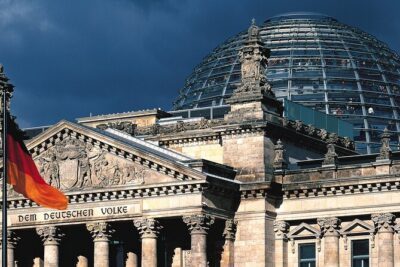 ★ 5.0Berlin’s Best: 2 Hour Walking Tour Third Reich and the Cold WarFrom $245,486 reviews
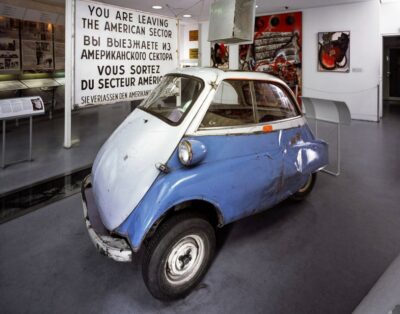 ★ 4.1Skip-the-Line: Berlin Wall Museum at Checkpoint CharlieFrom $212,041 reviews
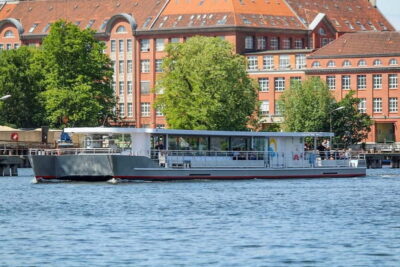 ★ 4.1East Side Gallery Spree Cruise in a Solar CatamaranFrom $281,086 reviews
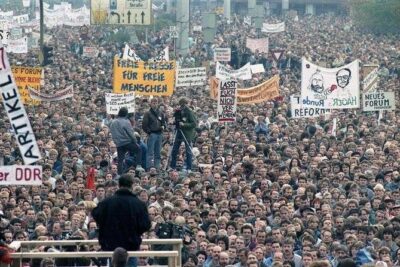 ★ 5.0Cold War, Berlin Wall, Spies and the East Side GalleryFrom $181,024 reviews
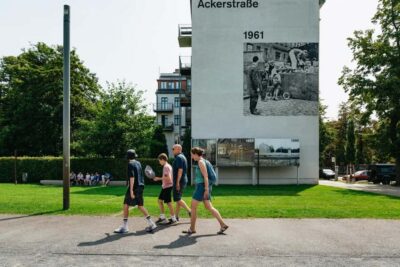 ★ 4.8Wall Tour – Fates, Love Stories, and HeroesFrom $282585 reviews
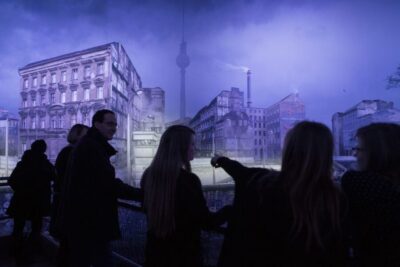 ★ 4.5THE WALL: asisi Panorama Berlin TicketFrom $16580 reviews
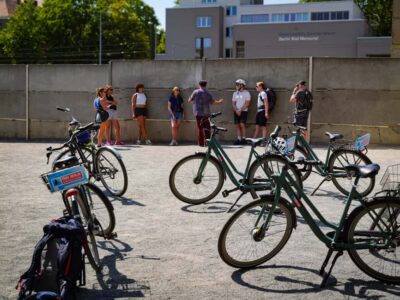 ★ 4.8The Wall and Third Reich Guided Bike TourFrom $41578 reviews
Browse the lists this tour appears in