
REVIEW · THIRD REICH & WWII HISTORY
Private Day Tour to Germany and Poland – Traces of World War 2
A Nazi camp and a postwar city story in one day. This private tour pairs a sobering visit to Sachsenhausen Memorial with a day in Szczecin, Poland, where you’ll also see major landmarks and learn what life looked like under war and then after the Iron Curtain. Pickup is in the Berlin area at 8 a.m., and the pacing stays human thanks to a private car and a guide-led audio setup.
I like two things a lot. First, the private door-to-door transport keeps you from wrestling schedules and crowds. Second, the experience builds in structured learning: an audio-guide at Sachsenhausen, plus museum time in Szczecin with admissions included.
One thing to weigh: it’s a long day, roughly 12 hours, and it starts early. Also, two of the Szczecin museums have weekday closures (the Underground Routes museum is closed Tue/Wed, and the Dialogue Centre Upheavals is closed Mon), so what you see can shift slightly.
In This Review
- Key highlights
- Berlin Pickup to Sachsenhausen: starting early, starting heavy
- Sachsenhausen Memorial: using an audio-guide the right way
- Driving into Poland: why Szczecin feels different from the start
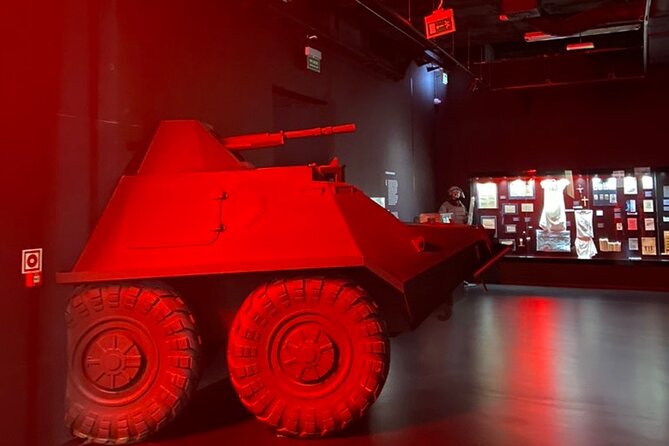
- Underground Routes: air-raid and atomic fear, shown through everyday life
- Dialogue Centre Upheavals: what life behind the Iron Curtain felt like
- Rynek Sienny dinner: finishing with Polish food that actually counts
- Price and logistics: what you’re really paying for
- Who this tour fits best (and who might prefer something else)
- Should you book this Berlin–Poland WWII day tour?
- FAQ
- What time does the tour start and how long is it?
- Where is pickup offered?
- Is this a private tour?
- Are tickets and admission included?
- What language is the audio-guide?
- Which Szczecin museums will I see?
- What happens if weather is poor?
Key highlights
- Hotel pickup and private driver for an easy Berlin-to-Poland day
- Sachsenhausen Memorial audio-guide in your language, with time to process what you’re seeing
- Szczecin walking stop at major spots like Solidarity Square and the Pomeranian Dukes Castle clock tower
- Underground Routes shelters showing how civilians handled air raids and atomic fear (closed Tue/Wed)
- Dialogue Centre Upheavals exhibition on life behind the Iron Curtain and the road to freedom (closed Mon)
- Polish dinner included in the Rynek Sienny area after a full day on the road
More walks through Berlin's wartime history
- Berlin: Third Reich & Cold War Guided Walking Tour★ 4.9 · 8,378 reviews
- Berlin’s Best: 2 Hour Walking Tour Third Reich and the Cold War★ 5.0 · 5,486 reviews
- Third Reich Berlin: Hitler and WWII Walking Tour★ 5.0 · 3,301 reviews
- Berlin: Third Reich, Hitler, and WWII Walking Tour★ 4.9 · 1,757 reviews
Berlin Pickup to Sachsenhausen: starting early, starting heavy
If you want one day that actually connects the dots of WWII and its aftermath, this is a strong pick. You leave Berlin in the morning and drive toward Oranienburg, with the day set up so the learning doesn’t feel like a rushed checklist.
On the way, you get free refreshments and snacks in the vehicle. That sounds small, but it matters on a day this long. You’ll be glad you’re not scrambling for something to drink right before a heavy visit.
This is also where the private format earns its keep. With a single car and your own schedule, you avoid the circus of swapping between buses, group transfers, and waiting. The day still moves, but it moves with less friction.
Sachsenhausen Memorial: using an audio-guide the right way
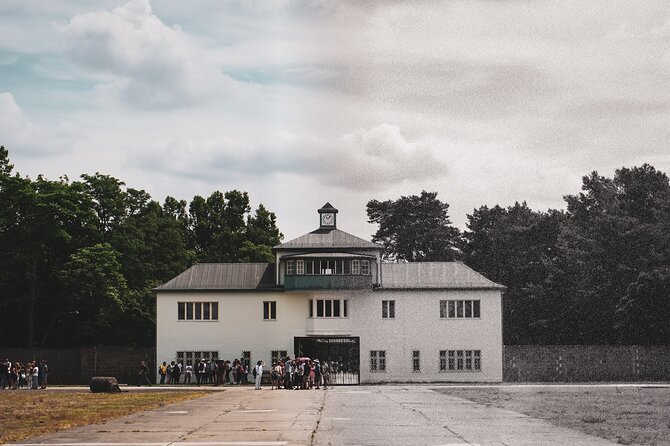
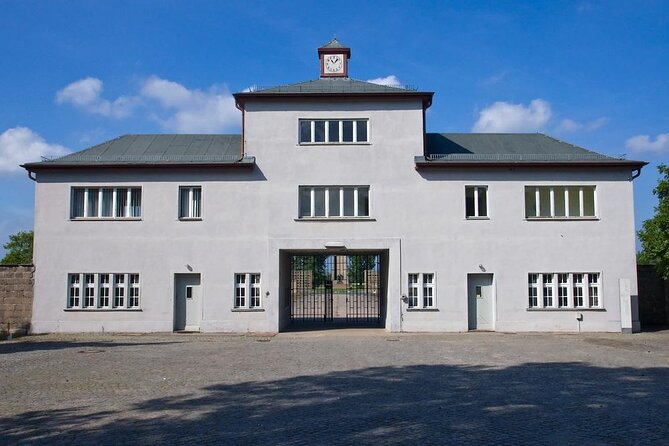
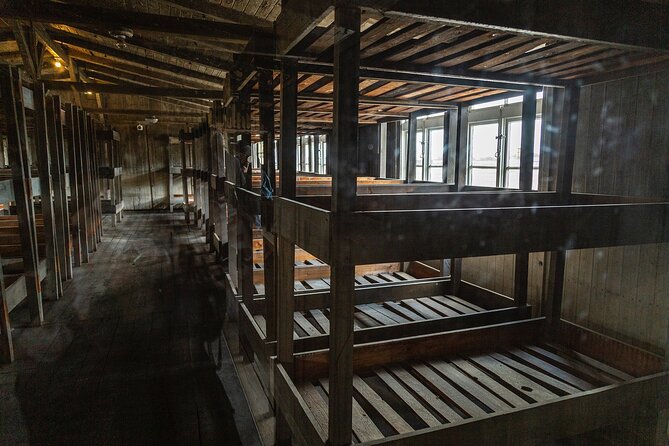
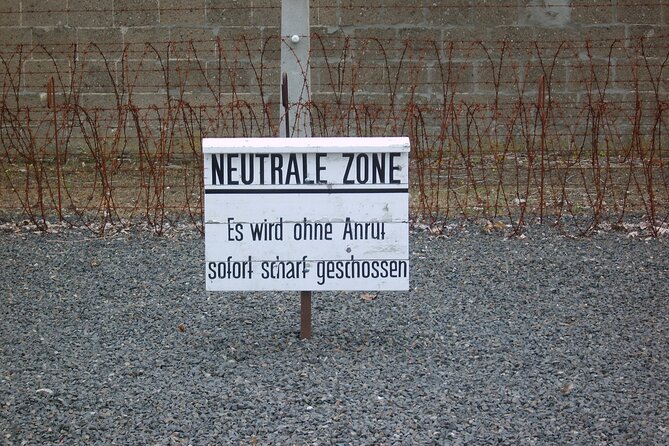
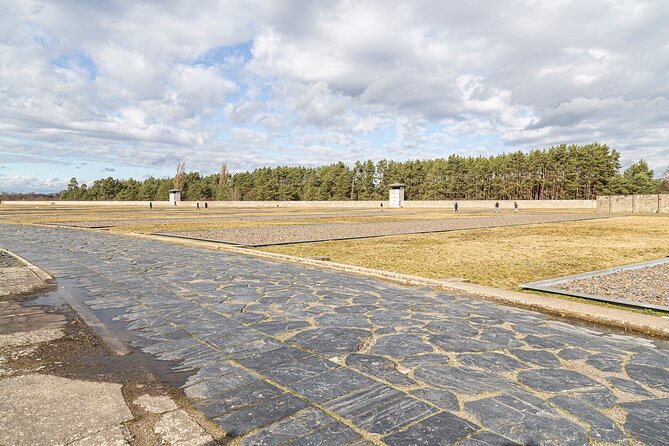
Sachsenhausen Memorial and Museum is the heart of the morning, and it’s not a place for half-attention. You’ll spend about 3 hours with an audio-guide tour in your language, and the visit is designed to walk you through the reality of incarceration and suffering in a former Nazi concentration camp.
You start with an earlier block of time at the memorial area, then transition into the longer guided museum segment. Practically, that sequence helps: you’re not thrown straight into the hardest material with no time to settle your bearings first.
Here’s how I’d make the most of the audio-guide. Move slower than you think you need to. Pause when the guide points you to specific places or themes. This is one of those settings where “seeing everything” can actually make the experience feel noisier than it should. The goal is understanding, not speed.
The vibe of the visit is professional and educational, with built-in time for reflection rather than nonstop marching. In a tour led by Maciej, the approach stays calm and thoughtful, and he’s able to answer questions in detail without turning the experience into a lecture.
Driving into Poland: why Szczecin feels different from the start
After Sachsenhausen, you head into Poland and arrive in Szczecin after about two hours on the road. The switch is immediate: the city has its own pace and texture, and that’s important for the story. WWII isn’t only a single location or moment. It’s what comes after, too.
You start with a short walk to get your bearings at key highlights. You’ll pass or stop near the National Philharmonic, Solidarity Square, the Chrobry Embankment, and the Pomeranian Dukes Castle with its famous clock tower. Even if you’re not a “city sightseeing” person, this walk helps you understand what you’re looking at before you step into museums.
This part also breaks up the day. After the concentration camp visit, you get daylight, streets, and architecture—plus a little breathing room. It’s a useful reset so the museum sections don’t feel piled on top of each other.
The tour includes admissions for the main museum stops later, so once you’re done walking, you can focus on learning rather than budgeting extra tickets.
Underground Routes: air-raid and atomic fear, shown through everyday life
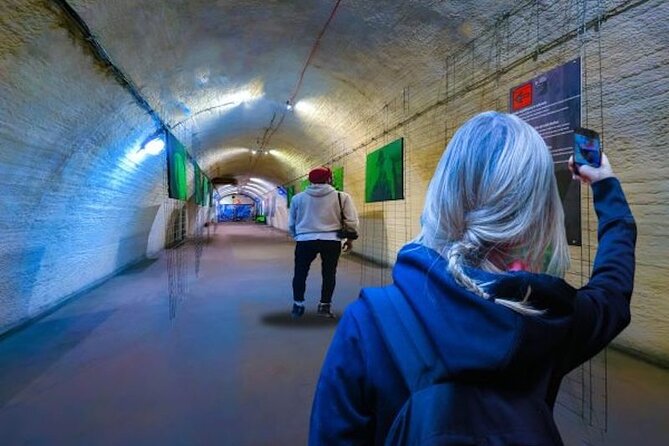
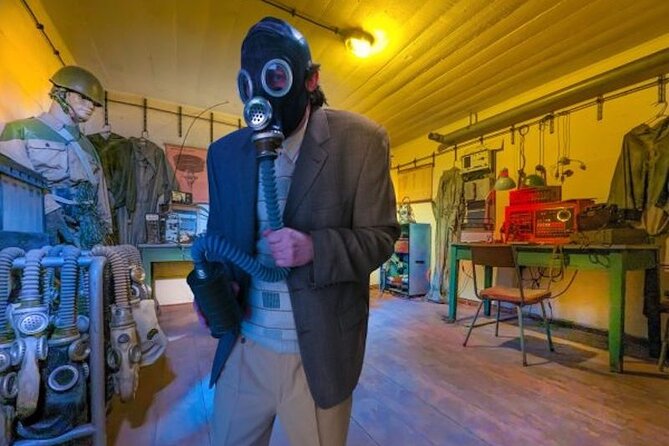
Next comes one of the most unusual stops on this route: Szczecin Underground Routes. This is a walking-style experience through underground tunnels and shelters, built to explain how civilians organized daily life during air raids and even the threat of atomic attack after WWII.
That word “everyday” is the key. Many WWII experiences focus on what armies did. Underground Routes shifts attention to civilians and infrastructure—the practical side of survival. You get a sense of how fear changes routines: where people went, how space was used, and what preparedness looked like when threats weren’t theoretical.
Time here is about 1 hour, and the museum admission is included. The big practical note is the schedule: this Underground Routes museum is closed on Tuesdays and Wednesdays. If your travel dates land on one of those days, don’t worry—your plan adjusts so you still get major postwar history in Szczecin.
More private tours of Berlin


Dialogue Centre Upheavals: what life behind the Iron Curtain felt like
If Underground Routes is the fear-and-survival side, the Dialogue Centre Upheavals adds the political and social story. This modern exhibition focuses on the times after the war, the reality behind the Iron Curtain, and then the Polish People’s road to freedom.
You’re scheduled for about 1 hour here, with admission included. The format is exhibition-based, so it’s well suited if you like learning through structure—panels, narratives, and themed rooms—rather than only through a walking tour.
Like the underground site, the Dialogue Centre has a weekday closure: it’s closed on Mondays. On those dates, your day will still aim to include at least one of the two major Szczecin history museums. In other words, the tour doesn’t leave you empty-handed; it adjusts the museum choice based on what’s open.
For me, this is one of the most valuable parts of the day because it completes the arc. You start with WWII, then see how people coped under threat, and then you end up with how people moved toward freedom. It’s still heavy, but it has direction.
Rynek Sienny dinner: finishing with Polish food that actually counts
By the time you reach dinner, you’ve earned it. After the museum and underground segments, the schedule includes a traditional Polish a la carte dinner in the Rynek Sienny area, with admission and dinner included.
This is a smart move for a WWII day trip. Without food you’d feel drained and sharper edges would show up in the rest of the day. With dinner, you get a normal human break—warmth, a table, and something tasty to focus on for a bit.
If you’re the type who likes to experience a place through food, this stop hits the sweet spot. It’s not an afterthought. It’s part of how the day stays balanced: serious learning in the day, local meal at night, then back toward Berlin by around 8 p.m.
Price and logistics: what you’re really paying for
At $744.06 per person, this tour isn’t the bargain-bin option. But it also isn’t “just transport and tickets.” You’re buying private transportation across borders for a 12-hour day, guided audio access at Sachsenhausen, museum admissions in Szczecin, and a full dinner. You also get snacks and beverages during transportation.
The value works best if you want a controlled schedule. A private day like this means you can keep the day from turning into a patchwork of public transit, ticket lines, and timing headaches—especially when museum opening days matter (Tue/Wed and Mon closures in Szczecin).
The price also becomes easier to swallow if you’re traveling as a pair or small group and you’d otherwise spend time and energy coordinating. If you’re the solo traveler type who doesn’t want to hunt down transfers on your own, the private format can feel like buying time and peace of mind.
One practical note: this tour assumes good weather. If conditions are poor, you’ll be offered a different date or a full refund. Since it’s a long day with walking in Szczecin, that weather clause is worth paying attention to before you commit.
Who this tour fits best (and who might prefer something else)
This is a good match if you want a day that’s both structured and personal. The private setup means the driver can handle the route smoothly, and the Sachsenhausen visit includes a language-specific audio-guide so you’re not stuck reading on the fly.
It’s also a fit if you’re interested in how the story changes from WWII-era persecution to the immediate postwar reality. The Szczecin stops aren’t only “pretty sights.” You’ll walk between landmarks, then shift into spaces that explain civilian life under extreme threat and under communist control.
Who might rethink it? If you get easily overwhelmed by emotionally intense sites and prefer lighter sightseeing at the end, you’ll want to plan your mental energy for the concentration camp experience first, then commit to the museums after. Also, if you’re traveling with very limited time or you dislike early starts, the 8 a.m. pickup and long day can feel tight.
On the upside, the schedule keeps moving but doesn’t feel chaotic. With a guide like Maciej, the tone stays professional, with lots of time for questions and an emphasis on reflection rather than speed.
Should you book this Berlin–Poland WWII day tour?
I’d book it if you want one day that does three things well: Sachsenhausen with serious context, Szczecin with real postwar history, and a practical end-of-day dinner that makes the day feel complete. The private transport is the backbone here, and the museum choices (including the underground shelters) give the trip its emotional and educational weight.
I wouldn’t book it if you’re only looking for broad, surface-level sightseeing or you’re sensitive to long, demanding days. The day runs long, and the topic is not light.
If your dates work with museum closures, and you’re ready for a thoughtful but intense day, this tour is a strong, value-leaning choice for understanding the WWII story and its aftermath in a way that connects places instead of treating them like isolated stops.
FAQ
What time does the tour start and how long is it?
It starts at 8:00 a.m. and runs about 12 hours.
Where is pickup offered?
Pickup is offered from your hotel in the Berlin area.
Is this a private tour?
Yes. It’s a private tour/activity, so only your group participates.
Are tickets and admission included?
Yes. Admission tickets are included for the Sachsenhausen Memorial and Museum and for the Szczecin museum stops. The tour also includes dinner.
What language is the audio-guide?
The Sachsenhausen Memorial and Museum audio-guide is available in your language.
Which Szczecin museums will I see?
You’ll see at least one of two major museums dedicated to recent Polish history, and which one(s) you visit depends on the day of the week. The Underground Routes museum is closed on Tuesdays and Wednesdays, and the Dialogue Centre Upheavals is closed on Mondays.
What happens if weather is poor?
This experience requires good weather. If it’s canceled due to poor weather, you’ll be offered a different date or a full refund.
More Tours in Berlin


More Tour Reviews in Berlin
Berlin's Wartime History

Round out your days in Berlin
Third Reich & WWII History, compared.
 ★ 4.9Third Reich & Cold War Guided Walking TourFrom $238,378 reviews
 ★ 5.0Berlin’s Best: 2 Hour Walking Tour Third Reich and the Cold WarFrom $245,486 reviews
 ★ 5.0Third Reich Berlin: Hitler and WWII Walking TourFrom $243,301 reviews
 ★ 4.9Third Reich, Hitler, and WWII Walking TourFrom $191,757 reviews
 ★ 5.0Berlin Third Reich Sites: Half-Day Walking TourFrom $21835 reviews
 ★ 4.7History of the Third Reich Guided Walking TourFrom $30791 reviews
 ★ 4.8The Wall and Third Reich Guided Bike TourFrom $41578 reviews
 ★ 4.8Hitler’s Germany: Berlin During the Third Reich & WWIIFrom $23476 reviews
Browse the lists this tour appears in